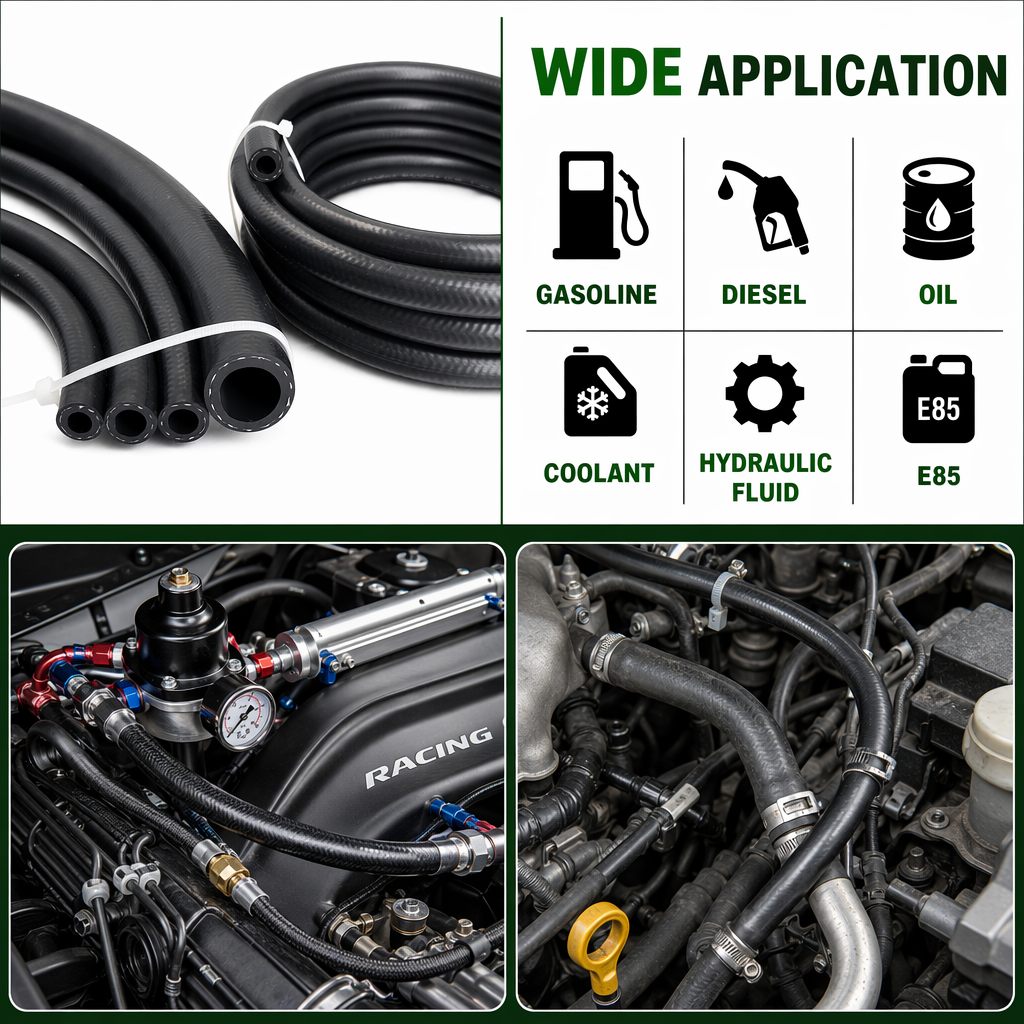
Selecting the right rubber tubes for your industrial application requires understanding the certifications and standards that ensure safety, durability, and compliance. Rubber tubes used in critical operations must meet specific regulatory requirements and industry standards that verify their material composition, pressure ratings, temperature tolerance, and resistance to chemical degradation. Without proper certification, rubber tubes may fail under operational stress, leading to costly equipment damage, production downtime, or safety hazards. This guide explains the essential certifications your rubber tubes should possess before deployment in any industrial system.
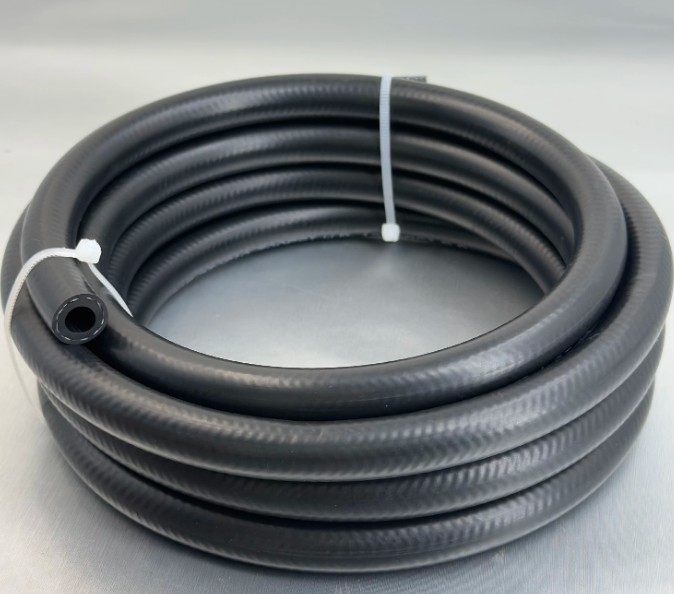
Industrial applications demand that flexible rubber hoses and industrial rubber tubing meet internationally recognized performance standards. These certifications verify that materials withstand extreme pressures, temperature fluctuations, and chemical exposure without premature degradation. Understanding certification requirements protects your operations, ensures regulatory compliance, and extends equipment service life. The most critical certifications span pressure ratings, material safety, environmental compatibility, and quality assurance protocols.
International Pressure and Safety Standards
ISO and SAE Certification Requirements
Rubber tubes used in pressurized systems must comply with ISO 1402 and ISO 1453 standards, which establish minimum burst pressure, working pressure limits, and failure point specifications. These international standards define how industrial rubber tubing performs under sustained pressure and cyclic loading conditions. SAE J30R7, SAE J343, and SAE J2016 standards provide equivalent North American specifications for flexible rubber hoses operating in hydraulic systems, fuel delivery, and fluid transfer applications. Certification to these standards ensures your rubber tubes will not fail unexpectedly during operation.
Pressure Rating Documentation
Every high-pressure rubber conduit must carry a permanent pressure rating label indicating working pressure, burst pressure, temperature range, and fluid compatibility. This documentation demonstrates that manufacturers have tested the tubing to destruction and validated safety margins through third-party inspection. Pressure ratings for industrial rubber tubing typically range from 100 PSI for low-pressure applications to 4,000 PSI or higher for extreme-duty systems. Proper certification ensures your selected rubber tubes match the actual system pressures they will encounter.
Material Safety and Fluid Compatibility Certifications
FDA and NSF Approval for Food and Beverage Applications
If your flexible rubber hoses transport food, beverages, or pharmaceutical products, FDA Title 21 CFR 177.2600 and NSF/ANSI 51 certifications are mandatory. These standards verify that rubber tubes contain no harmful additives, leachable contaminants, or substances that migrate into food or water supplies. NSF certification for high-pressure rubber conduits used in beverage systems guarantees compliance with potability and health safety requirements. Without these certifications, you risk contaminating products and facing regulatory penalties.
Chemical Resistance and Material Composition
Industrial rubber tubing must declare material composition and pass compatibility testing with specific chemicals, oils, solvents, and fuels the tubing will encounter. ASTM D471 testing verifies that rubber tubes maintain elasticity and structural integrity when exposed to aggressive fluids over extended periods. Certifications for high-pressure rubber conduits must document resistance to ozone, UV light, and extreme temperatures that cause material degradation. This verification prevents leakage, rupture, and contamination that could damage equipment or compromise operational safety.
Quality Assurance and Traceability Standards
ISO 9001 and Manufacturing Process Control
Manufacturers of flexible rubber hoses must maintain ISO 9001 certification to demonstrate consistent quality control throughout production, material sourcing, and testing. This certification ensures that every rubber tube batch undergoes identical inspection procedures and meets dimensional tolerances, wall thickness specifications, and reinforcement consistency. ISO 9001 accreditation for industrial rubber tubing producers verifies that materials are traceable from raw polymer through finished product, enabling rapid recalls or adjustments if issues arise. Quality certifications protect you from receiving defective rubber tubes that could fail prematurely.
RoHS and Environmental Compliance
European RoHS (Restriction of Hazardous Substances) certification confirms that high-pressure rubber conduits contain no lead, cadmium, mercury, or other prohibited materials that harm the environment or human health. RoHS compliance for rubber tubes is increasingly required by international customers and supply chain partners who enforce strict environmental standards. REACH regulation compliance documentation demonstrates that flexible rubber hoses meet chemical safety thresholds for persistent, bioaccumulative, and toxic substances. These environmental certifications ensure your industrial rubber tubing meets global sustainability expectations and regulatory frameworks.
FAQ
What is the most critical certification for industrial rubber tubing?
The most critical certification depends on your application. For pressurized systems, ISO 1402 and pressure rating validation are essential. For food and beverage transport, FDA and NSF certifications prevent contamination. For chemical environments, ASTM D471 chemical compatibility testing ensures the rubber tubes survive fluid exposure without degradation. Always verify that rubber tubes carry certifications matching your specific operational demands.
How do I verify that flexible rubber hoses meet certification standards?
Request certification documentation and test reports directly from manufacturers before purchasing flexible rubber hoses. Legitimate suppliers provide ISO certifications, pressure test certificates, material safety data sheets, and third-party inspection reports. Cross-reference claimed certifications with accreditation databases maintained by ISO, SAE, FDA, and NSF. Never accept verbal assurances alone; physical documentation and batch traceability ensure your industrial rubber tubing meets certified specifications.
Can high-pressure rubber conduits work in multiple applications without recertification?
High-pressure rubber conduits must match the specific application they serve. A tubing certified for hydraulic systems may not suit food transport, and vice versa. Each application requires different material compositions, additives, and testing protocols. Certifications are application-specific, so you cannot assume a high-pressure rubber conduit certified for one use automatically qualifies for another. Always match tubing certifications to your exact operational requirements to maintain safety and regulatory compliance.
 EN