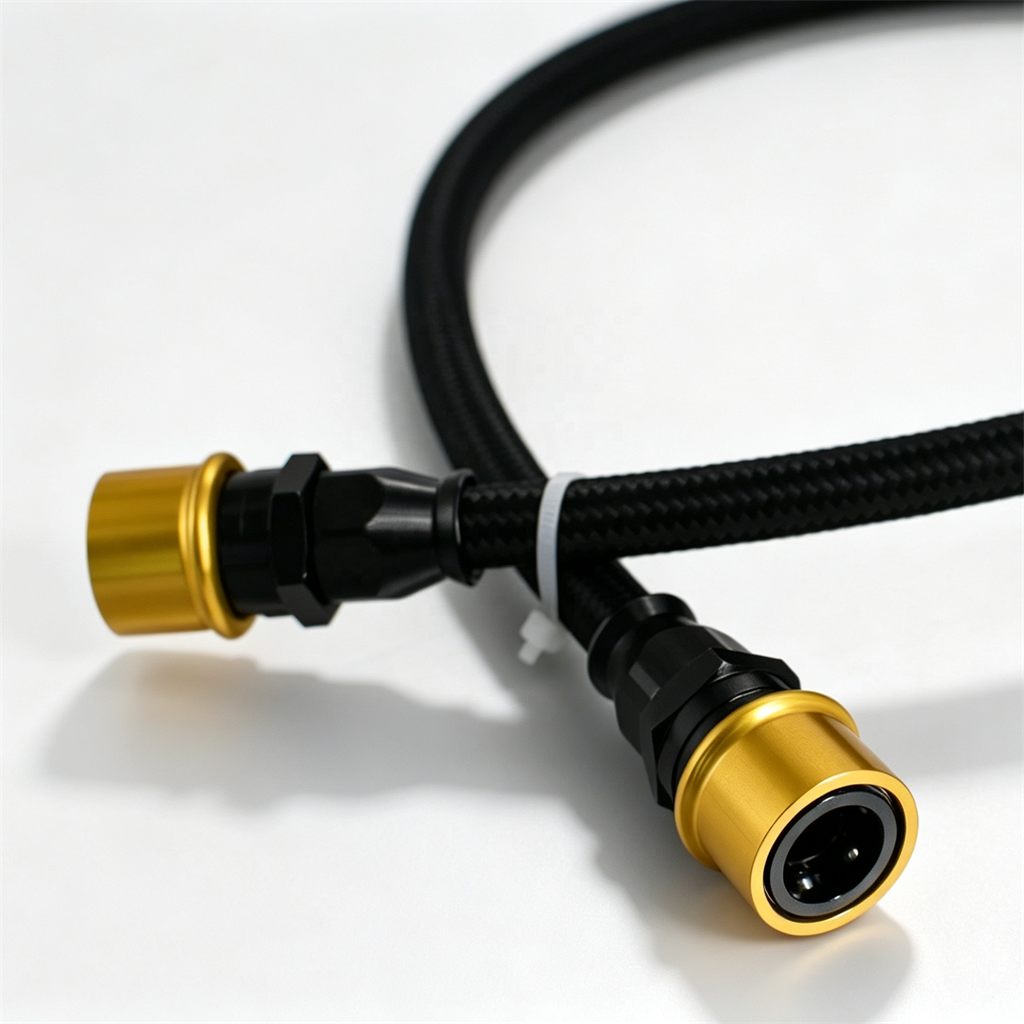
A hose assembly is a complete fluid transfer system that combines flexible tubing, fittings, and connectors into an integrated unit designed to transport liquids, gases, or slurries under controlled pressure and temperature conditions. At its core, a hose assembly serves as the critical conduit between components in hydraulic systems, pneumatic systems, and industrial fluid networks. Unlike a simple hose or isolated fitting, a complete hose assembly is engineered and manufactured as a tested whole, ensuring reliability, safety, and performance in demanding industrial environments.
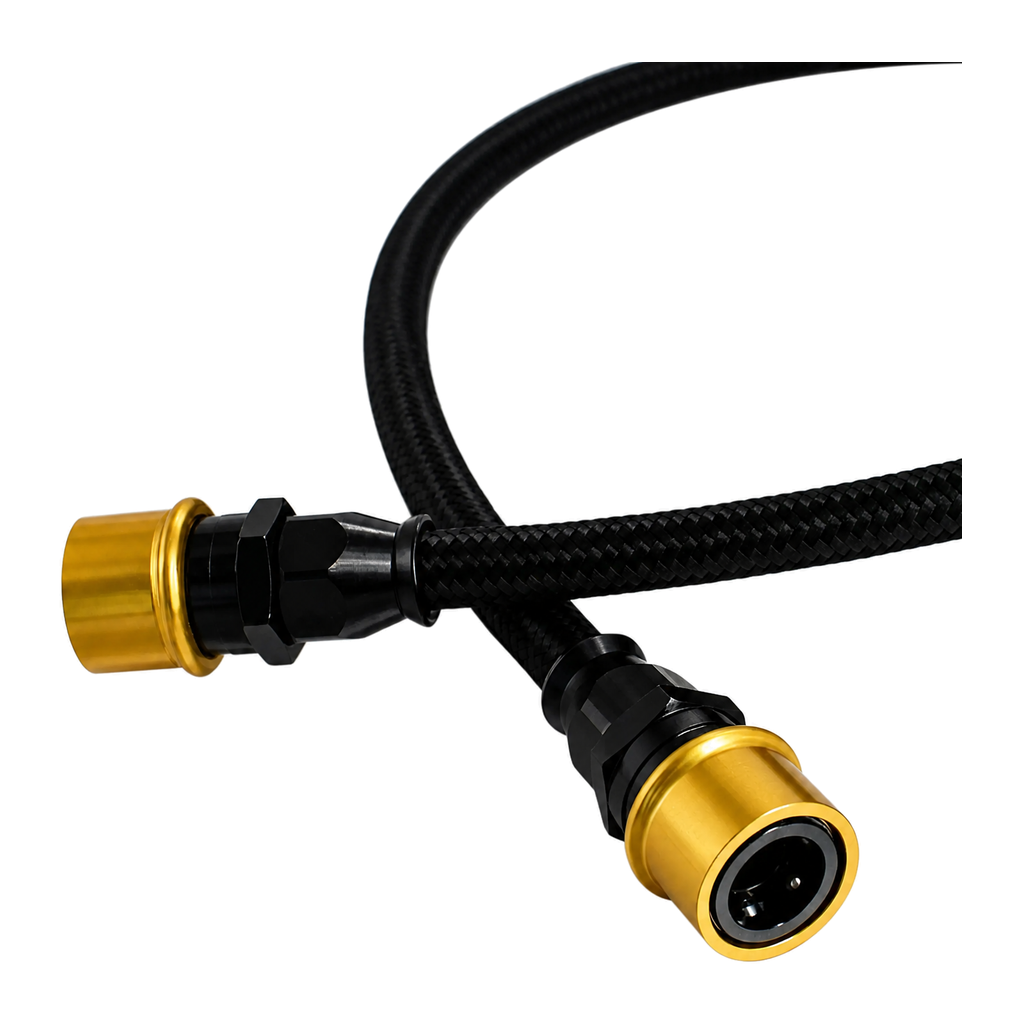
The core function of a hose assembly is to safely and efficiently convey pressurized fluids from one point to another while maintaining system integrity and preventing leakage. In a hydraulic hose assembly, this function becomes even more critical because hydraulic systems operate at high pressures, often exceeding 5,000 psi, and any failure can result in performance loss, safety hazards, or costly downtime. The hose assembly must maintain its structural integrity across temperature variations, resist degradation from the working fluid, and provide consistent performance throughout its service life.
Understanding the Components of a Hose Assembly
The Hose Tube Structure
The foundation of any hydraulic hose assembly begins with the innermost component called the tube. This tube is typically manufactured from synthetic rubber or thermoplastic material, selected based on the fluid being transported and operating conditions. The tube must resist chemical degradation, maintain flexibility at low temperatures, and withstand pressure without permanent deformation. In premium industrial hose systems, tubes are engineered to compatibility standards that ensure longevity and performance consistency across thousands of operational cycles.
Reinforcement Layers and Fittings
Surrounding the tube are reinforcement layers, typically made from high-tensile steel wire or synthetic fibers braided or spiraled in specific patterns. These reinforcement layers provide structural strength, allowing the hose fitting assembly to handle extreme pressures while remaining flexible enough for routing through tight installation spaces. Each layer is applied with precision to ensure uniform pressure distribution and prevent stress concentration points that could lead to premature failure in industrial hose systems.
Core Functions in Industrial Applications
Pressure Containment and Safety
The primary function of any hose assembly is containing pressurized media safely. In hydraulic hose assembly applications, this means maintaining structural integrity under continuous or intermittent pressure cycles. The reinforcement design determines burst pressure ratings, which typically exceed working pressure by a safety factor of 4:1 or greater. Proper hose assembly selection prevents catastrophic failures that could damage equipment, injure personnel, or contaminate work environments. Burst-rated hose assemblies also comply with regulatory standards and insurance requirements for industrial operations.
Fluid Compatibility and Material Selection
Different industrial applications demand different fluid compatibility profiles. A hose fitting assembly must be engineered with materials that resist swelling, degradation, or brittleness when exposed to specific working fluids like mineral oil, synthetic oil, coolant, or aggressive chemicals. Material incompatibility is one of the leading causes of hose assembly failure in industrial settings. Selecting the correct tube and seal materials ensures that the hose assembly maintains its rated pressure capacity and leak-free performance throughout its expected service life, even in challenging operating environments.
Performance Factors in Industrial Hose Systems
Temperature Range and Flexibility
An effective hose assembly must perform reliably across its specified temperature range. Industrial hose systems operate in environments ranging from extreme cold storage facilities to high-temperature processing lines. The elastomer compounds in the tube and seals must remain flexible at low temperatures without cracking and stable at high temperatures without softening or losing pressure integrity. This thermal performance is a defining characteristic of quality hose assemblies used in demanding industrial hose system environments.
Pressure Cycles and Durability
Many industrial applications expose hose assemblies to repeated pressure cycling, vibration, and mechanical flexing. A properly manufactured hydraulic hose assembly is tested to withstand millions of pressure cycles without degradation or leakage. The hose fitting assembly design must minimize stress concentration at connection points and distribute loads evenly through the reinforcement layers. Durability in industrial hose systems depends on precise manufacturing tolerances, proper assembly techniques, and quality material selection. Regular inspection protocols help identify wear patterns and schedule preventive replacement before catastrophic failure occurs.
FAQ
What is the difference between a hose and a hose assembly?
A bare hose is simply a flexible tube without fittings, while a complete hose assembly includes the tube, reinforcement, and pre-installed hydraulic hose assembly fittings at both ends, ready for installation. A hose fitting assembly is tested as a complete unit, ensuring pressure integrity and leak prevention at the critical connection points where most failures occur in industrial hose systems.
How does a hydraulic hose assembly differ from other fluid transfer systems?
A hydraulic hose assembly is specifically engineered for high-pressure applications, often exceeding 5,000 psi, with enhanced reinforcement layers and specialized seals to maintain integrity under extreme conditions. Other industrial hose system types may operate at lower pressures or handle different fluid types, requiring different material compositions and reinforcement patterns suited to their unique operating parameters.
How often should a hose assembly be replaced in industrial settings?
Replacement intervals depend on fluid type, operating pressure, temperature exposure, and maintenance quality. Many hydraulic hose assembly applications follow manufacturer recommendations or regulatory standards, typically ranging from 5 to 10 years for preventive replacement. However, industrial hose systems experiencing high-pressure cycling, thermal stress, or chemical exposure may require more frequent inspection and earlier replacement to maintain safety and operational reliability.
 EN