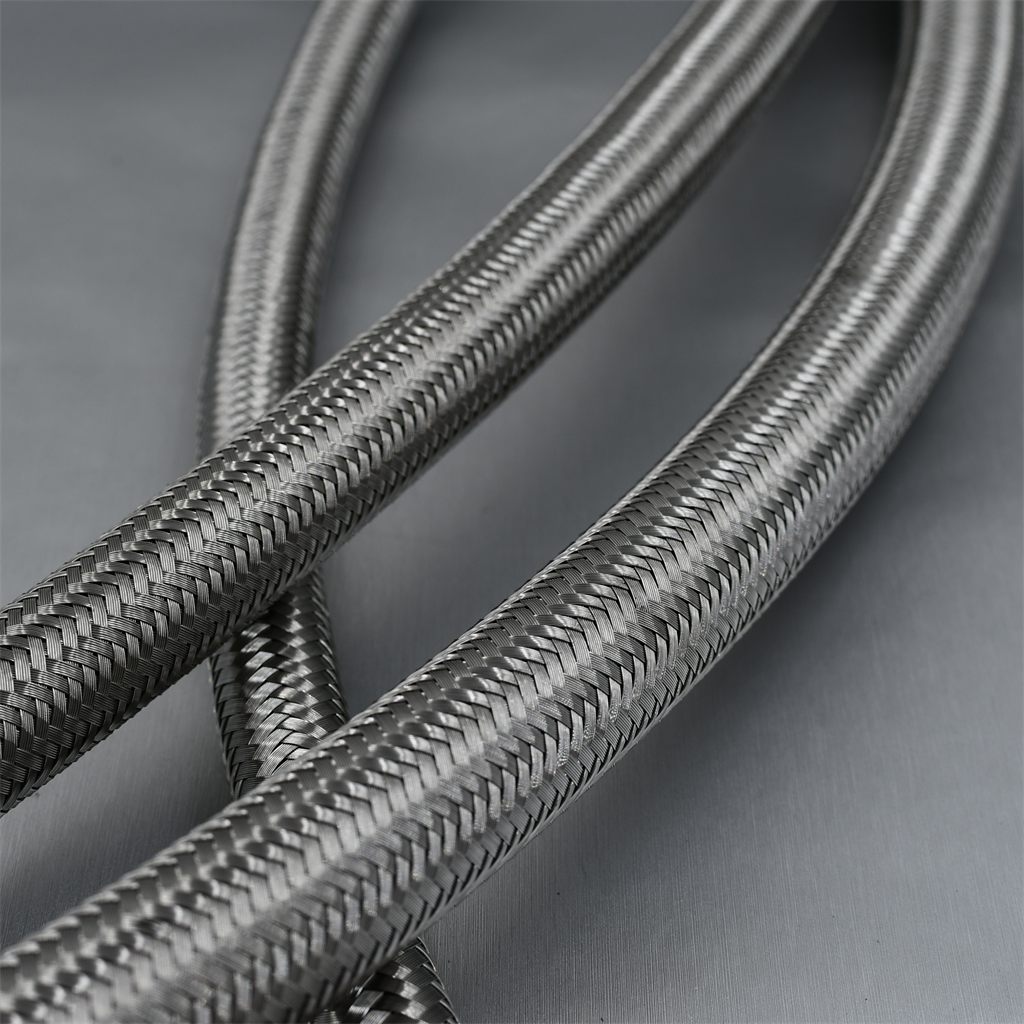
A teflon hose is a specialized conduit made from polytetrafluoroethylene, commonly known as PTFE, that transfers fluids and gases in demanding industrial, automotive, and chemical environments. Unlike standard rubber hoses, a teflon hose provides exceptional resistance to extreme temperatures, aggressive chemicals, and corrosive substances. The material itself is a synthetic fluoropolymer that has become an industry standard for applications where durability, reliability, and material compatibility are non-negotiable factors.
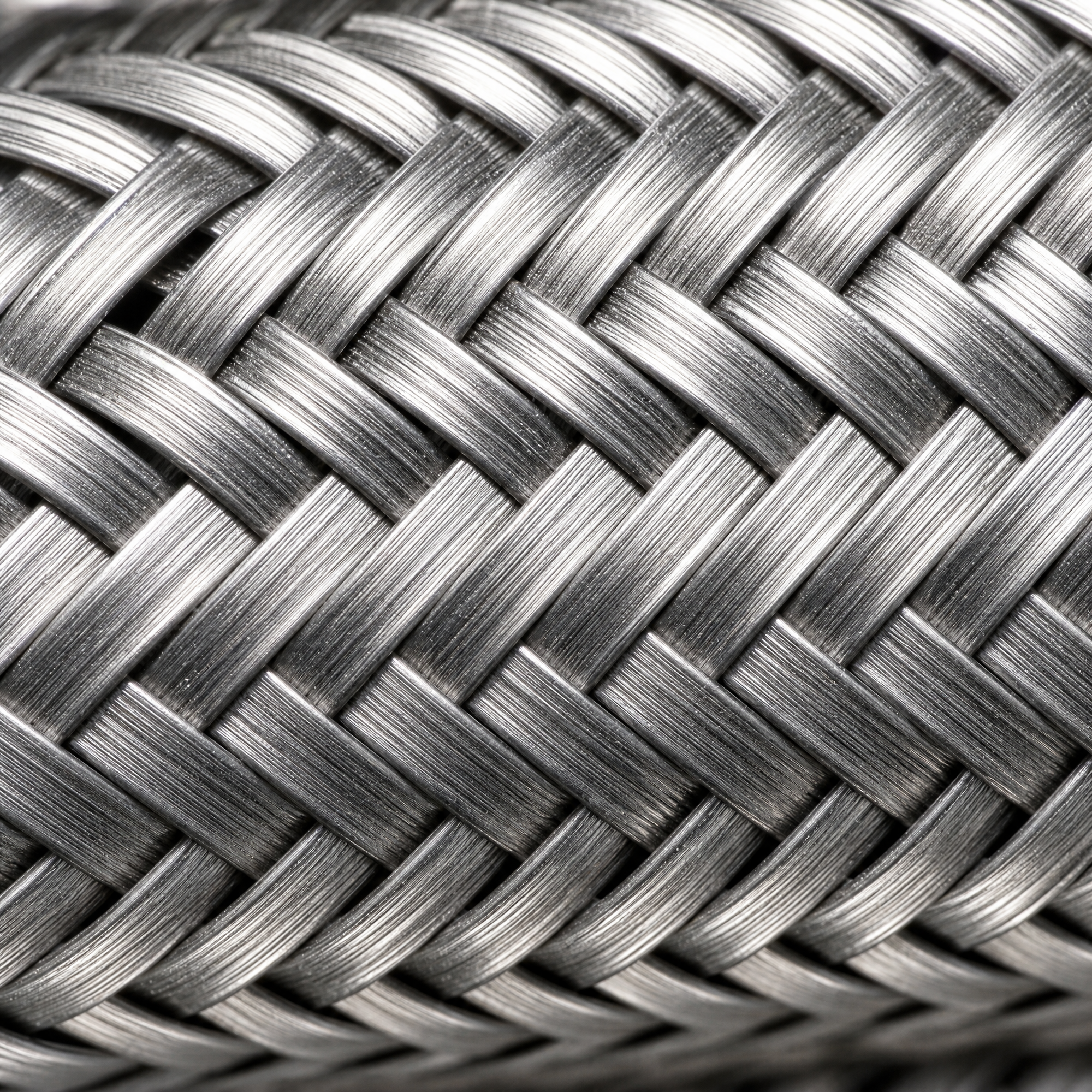
Understanding how a teflon hose operates requires examining both its material properties and structural design. The PTFE core provides the chemical resistance and thermal stability, while reinforcement layers such as nylon braiding add mechanical strength and pressure handling capability. This combination makes PTFE tubing suitable for racing fuel systems, pharmaceutical processing, semiconductor manufacturing, and any application where fluid integrity and safety depend on hose reliability under stress.
Core Composition and Material Properties
Understanding PTFE Material
PTFE, the base material in a teflon hose, is a fluoropolymer polymer chain composed of carbon and fluorine atoms bonded in a specific molecular arrangement. This unique chemistry creates a material with an incredibly low coefficient of friction and exceptional chemical inertness. PTFE does not react with most solvents, fuels, oils, or corrosive agents, making fluoropolymer hose solutions ideal for transferring substances that would degrade conventional rubber compounds. The material remains stable across a wide temperature range, typically from minus forty degrees Celsius to two hundred fifty degrees Celsius, depending on design specifications and operational conditions.
The non-stick properties of PTFE also prevent fluid buildup and contamination inside the hose, reducing maintenance intervals and improving system cleanliness. This characteristic is especially important in precision industries such as pharmaceuticals and electronics manufacturing, where trace contaminants can compromise product quality. Chemical resistant tubing made from PTFE maintains its integrity even when conveying aggressive substances like hydrochloric acid, sulfuric acid, and various organic solvents that would destroy rubber-based alternatives.
Reinforcement Layers and Structural Design
A standard teflon hose combines the PTFE core with reinforcement materials to handle pressure and mechanical stress. Nylon braiding, stainless steel wire, or polyester webbing encases the inner PTFE tube, creating a composite structure that resists bursting, kinking, and collapse. The reinforcement layers distribute pressure evenly across the hose wall, allowing chemical resistant tubing to maintain its integrity under high-pressure conditions. Engineers select reinforcement type based on application demands, temperature exposure, and pressure ratings required for the specific system.
How a Teflon Hose Operates Under Pressure
Fluid Transfer and Containment Mechanism
When fluid enters a teflon hose, the PTFE inner tube channels the substance through its bore while resisting any chemical interaction with the transferred medium. The molecular structure of PTFE prevents permeation of most liquids and gases, ensuring the conveyed substance remains uncontaminated and contained. Pressure created by the fluid creates an outward force on the hose walls, which the reinforcement layers counteract by distributing and absorbing that load. This engineering principle allows PTFE tubing to safely convey pressurized fuel in racing vehicles, high-temperature coolant in industrial machinery, and hazardous chemicals in processing plants without leaks or degradation.
The smooth internal surface of the PTFE core promotes laminar fluid flow, reducing turbulence and pressure loss through the hose assembly. This efficiency matters in precision fuel injection systems where pressure consistency directly affects engine performance. Additionally, the non-reactive nature of a teflon hose means no leaching of materials into the fluid stream, maintaining product purity in pharmaceutical and food processing applications.
Temperature and Chemical Resistance in Operation
A teflon hose excels in high-temperature environments because PTFE does not soften, melt, or lose structural integrity when exposed to heat. In racing and automotive applications, fuel systems experience temperature fluctuations and occasional thermal spikes that would cause conventional rubber hoses to fail or emit toxic fumes. Chemical resistant tubing engineered from PTFE withstands these temperature extremes while simultaneously resisting fuel additives, oil compounds, and environmental contaminants. The fluoropolymer hose maintains consistent bore diameter and wall thickness across temperature variations, ensuring reliable fluid delivery even under extreme conditions.
Industrial and Specialized Applications
Automotive and Racing Performance Systems
In motorsports and high-performance automotive modifications, a teflon hose is essential for fuel delivery, brake fluid containment, and coolant circulation. Racing engines generate intense heat and pressure that destroy standard rubber hose materials within hours of operation. PTFE tubing withstands these demands while maintaining flexibility for routing through tight engine compartments. Nylon-braided teflon hose construction provides both the chemical resistance needed for racing fuel formulations and the mechanical strength required for high-pressure fuel injection systems operating at thousands of pounds per square inch.
Industrial Process and Chemical Handling
Chemical processing facilities rely on chemical resistant tubing to handle aggressive solvents, caustic solutions, and corrosive materials safely. A teflon hose does not degrade when exposed to hydrochloric acid, acetone, methylene chloride, and hundreds of other industrial chemicals that would destroy rubber compounds. Pharmaceutical manufacturers use PTFE tubing in precision dosing and transfer applications where material purity and contamination prevention are regulatory requirements. Semiconductor fabs employ fluoropolymer hose systems for handling ultra-pure chemical delivery and exhaust gas management, where even microscopic particle contamination would cause device failure.
FAQ
What is the temperature range for a teflon hose?
Most standard teflon hose assemblies function reliably between minus forty and two hundred fifty degrees Celsius. Some specialized PTFE tubing designs with advanced reinforcement materials can withstand even higher temperatures, up to two hundred seventy-five degrees Celsius. The exact operating temperature range depends on the specific reinforcement material and design specifications chosen for your application.
Can a teflon hose handle high-pressure applications?
Yes, reinforced teflon hose systems are engineered for high-pressure service. Nylon-braided and stainless steel-braided chemical resistant tubing can typically handle pressure ratings from two thousand to six thousand pounds per square inch, depending on hose diameter and reinforcement configuration. Always verify the pressure rating for your specific application and hose size.
How long does a teflon hose typically last?
When properly installed and maintained, PTFE tubing often lasts significantly longer than rubber alternatives because the material does not degrade from chemical exposure or UV radiation. The lifespan depends on operating temperature, pressure cycling, fluid type, and environmental factors. Many industrial and automotive installations report ten or more years of reliable service from properly sized and installed fluoropolymer hose systems.
 EN