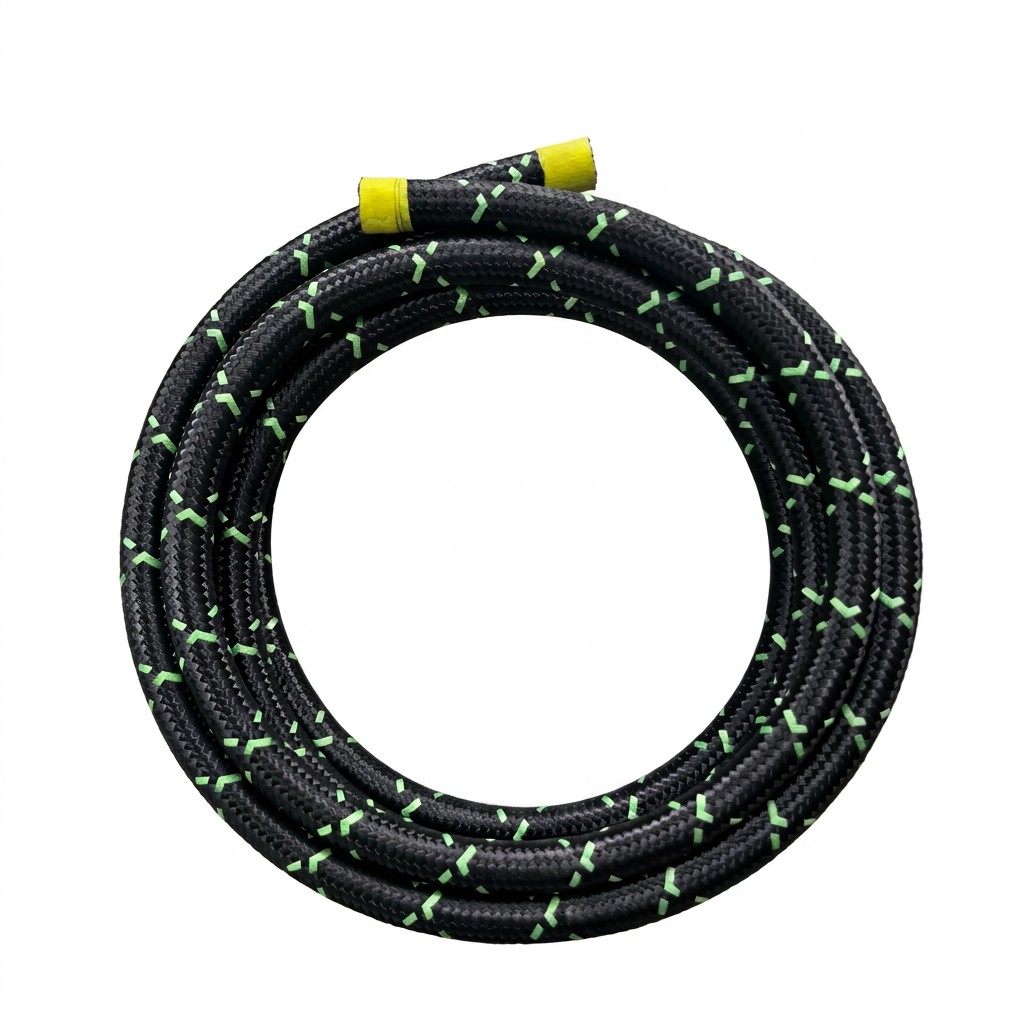
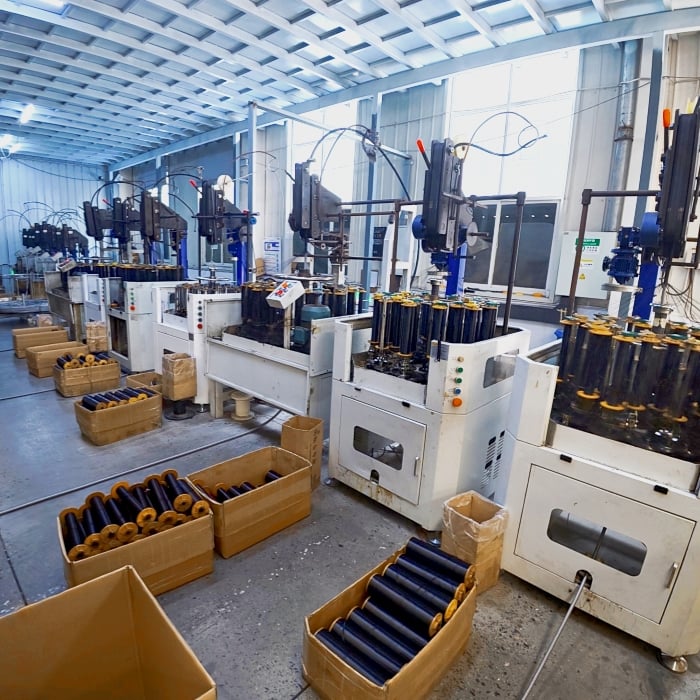
NBR rubber hose stands as one of the most reliable fluid transfer solutions across industries worldwide. Understanding what NBR rubber hose is and how it performs in critical applications helps facility managers, engineers, and procurement professionals make informed decisions about hose selection. NBR, or nitrile butadiene rubber, offers exceptional resistance to oils, fuels, and harsh chemical environments, making it the preferred choice for demanding industrial operations. Whether used in fuel delivery systems, hydraulic lines, or air applications, NBR rubber hose delivers consistent performance where durability and safety cannot be compromised.
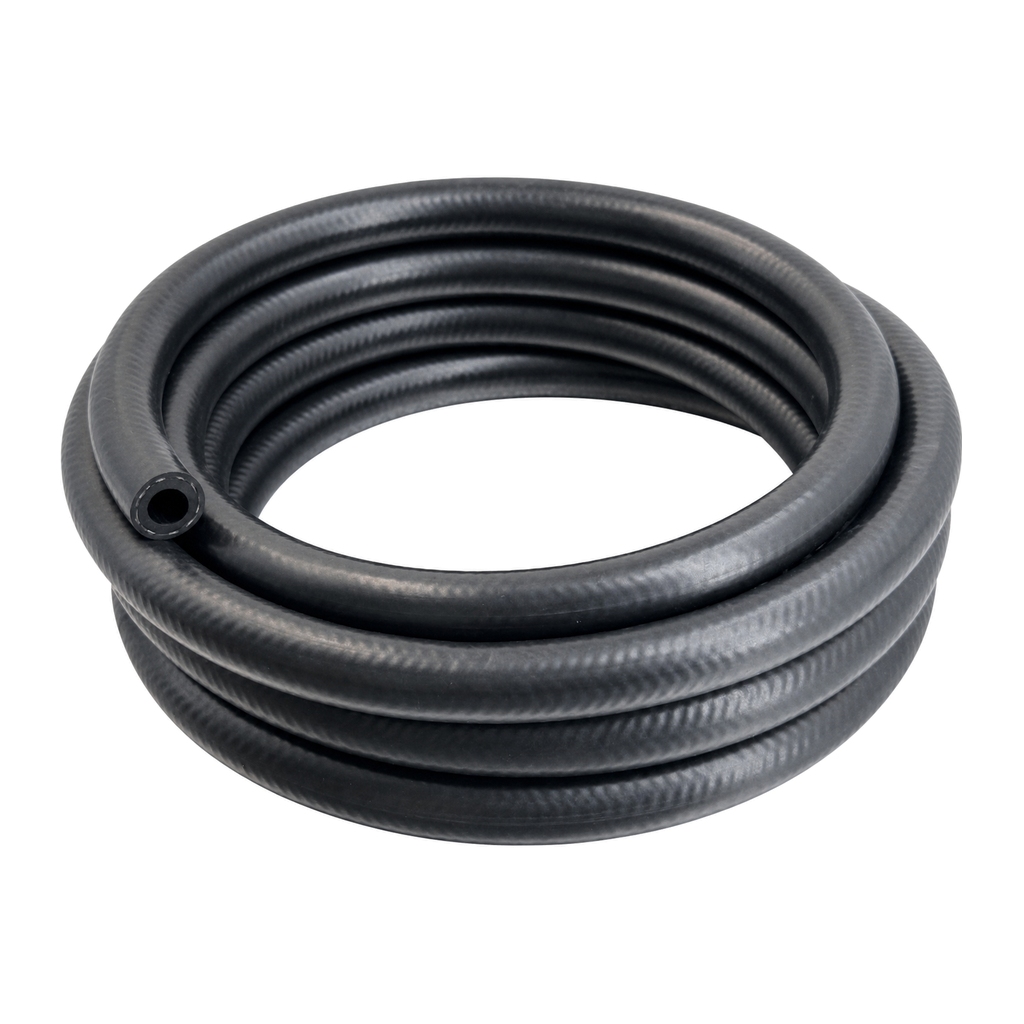
The industrial landscape demands hoses that can withstand extreme conditions while maintaining structural integrity over extended service periods. Synthetic rubber hose applications have expanded dramatically as manufacturers recognize the need for materials that resist thermal degradation, abrasion, and chemical exposure. NBR rubber hose represents a proven technology that balances cost-effectiveness with performance reliability, making it accessible for both routine operations and mission-critical systems. This guide explores the composition, characteristics, and real-world applications of nitrile rubber tubing in modern industrial environments.
What NBR Rubber Hose Is and Core Characteristics
Composition and Material Properties
NBR rubber hose is engineered from nitrile butadiene rubber, a synthetic polymer created by polymerizing butadiene and acrylonitrile monomers. This material composition gives nitrile rubber tubing its distinctive resistance to petroleum products, making it ideal for fuel systems and hydraulic applications. The molecular structure of NBR allows the hose wall to remain flexible under pressure while resisting chemical absorption that would degrade natural rubber alternatives. When manufacturers produce NBR rubber hose, they carefully balance elastomer ratios to achieve optimal durability and fluid compatibility across temperature ranges from minus forty to one hundred thirty degrees Celsius.
Performance Standards and Ratings
Industrial NBR rubber hose must meet rigorous performance standards including SAE J30R7, EN 856, and ISO specifications that verify burst pressure ratings, working pressures, and temperature limits. These standards ensure that oil resistant rubber hoses maintain their integrity under expected operational stresses without premature failure or fluid leakage. The material's tensile strength typically ranges from fifteen to twenty megapascals, providing substantial resistance to pulling and stretching forces common in industrial installations. Synthetic rubber hose applications benefit from predictable degradation curves that allow engineers to establish reliable maintenance intervals based on actual service conditions rather than guessing at hose lifespan.
Industrial Applications of Nitrile Rubber Tubing
Fuel and Hydraulic Systems
Nitrile rubber tubing dominates fuel delivery and hydraulic systems across automotive, marine, and industrial equipment sectors. The oil resistant rubber hoses manufactured from NBR excel in transferring diesel, gasoline, biodiesel blends, and synthetic hydraulic fluids without experiencing swelling, brittleness, or internal degradation. In construction equipment, mining vehicles, and agricultural machinery, NBR rubber hose reliably conveys pressurized hydraulic fluid from pumps to actuators despite exposure to dust, temperature fluctuations, and vibration. Fuel injection systems in modern engines specifically rely on nitrile rubber tubing because it maintains seal integrity at high pressures while resisting corrosion from fuel additives and moisture contamination.
Air, Water, and Compressed Gas Transfer
Beyond petroleum applications, synthetic rubber hose applications extend to air and water transfer in manufacturing facilities, compressed gas distribution networks, and utility infrastructure. NBR rubber hose performs reliably for general-purpose pneumatic lines in factories and workshops where cost-effectiveness and moderate pressure ratings suffice for routine operations. Water service applications benefit from the material's compatibility with both potable and non-potable water sources, though temperature limitations require careful system design above sixty degrees Celsius. Industrial environments increasingly specify nitrile rubber tubing for waste fluid recovery, coolant circulation, and ambient-temperature gas distribution where the chemical resistance and flexibility of synthetic rubber hose applications provide operational advantages over rigid pipe alternatives.
Advantages and Selection Considerations for Industrial Buyers
Cost-Benefit Analysis and Durability
The primary advantage driving widespread NBR rubber hose adoption is the exceptional value proposition it delivers relative to performance. Compared to specialized elastomers like EPDM, fluoro-rubber, or PTFE alternatives, oil resistant rubber hoses manufactured from nitrile offer substantially lower material costs without sacrificing reliability in non-aggressive environments. Service life expectations for properly maintained NBR rubber hose typically exceed five to seven years in moderate conditions, translating to extended intervals between replacement cycles that reduce downtime and labor expense. Industrial buyers recognize that synthetic rubber hose applications with NBR provide the optimal balance between acquisition cost, installation simplicity, and predictable maintenance requirements across diverse operational scenarios.
Compatibility and System Integration
Successful implementation of nitrile rubber tubing requires careful consideration of fluid compatibility, pressure ratings, temperature exposure, and connection type requirements specific to each industrial application. NBR rubber hose exhibits excellent compatibility with mineral oils, most hydraulic fluids, fuel derivatives, and water-based systems, but incompatibility exists with certain solvents, esters, and ketones that can cause swelling. Engineers selecting oil resistant rubber hoses must verify that the chosen hose diameter, working pressure, and temperature rating align with system specifications to prevent premature failures or safety incidents. Synthetic rubber hose applications benefit from standardized connection interfaces including crimp fittings, JIC fittings, and ORFS designs that simplify integration into existing industrial equipment and reduce installation complexity.
FAQ
What temperature range can NBR rubber hose withstand?
NBR rubber hose typically functions reliably across temperatures ranging from minus forty degrees Celsius to approximately one hundred thirty degrees Celsius, depending on specific compound formulations and pressure requirements. At temperature extremes, synthetic rubber hose applications experience reduced flexibility at low temperatures and accelerated aging at high temperatures, requiring careful system design to maintain margin between operating conditions and material limits. For applications exceeding these ranges, specialized elastomers like fluoro-rubber or EPDM compounds provide extended temperature performance at higher cost and with different chemical compatibility profiles than standard nitrile rubber tubing.
How does NBR rubber hose compare to other synthetic rubber materials?
Oil resistant rubber hoses made from NBR provide superior cost-effectiveness compared to premium elastomers while delivering excellent chemical resistance for petroleum and hydraulic fluid applications. EPDM offers better water and temperature resistance but lacks the petroleum compatibility that makes nitrile rubber tubing essential for fuel systems. Fluoro-rubber and PTFE compounds provide aggressive chemical resistance and higher temperature ratings suitable for specialized industrial processes, but the substantially higher material cost limits their use to applications where NBR's performance proves insufficient, making nitrile rubber tubing the economically optimal choice for mainstream industrial applications.
What maintenance practices extend NBR rubber hose service life?
Proper maintenance of synthetic rubber hose applications includes regular visual inspection for cracks, bulges, leaks, and external abrasion that indicate approaching end-of-life conditions requiring replacement before catastrophic failure occurs. Protecting NBR rubber hose from excessive UV exposure, ozone, and physical damage through routing and support strategies significantly extends service longevity in outdoor and high-vibration industrial environments. Maintaining system cleanliness by filtering hydraulic and fuel fluids, preventing contamination ingress at connection points, and ensuring proper pressure regulation within design specifications protects the internal structure of nitrile rubber tubing from accelerated degradation that causes premature failure and operational disruptions.
 EN