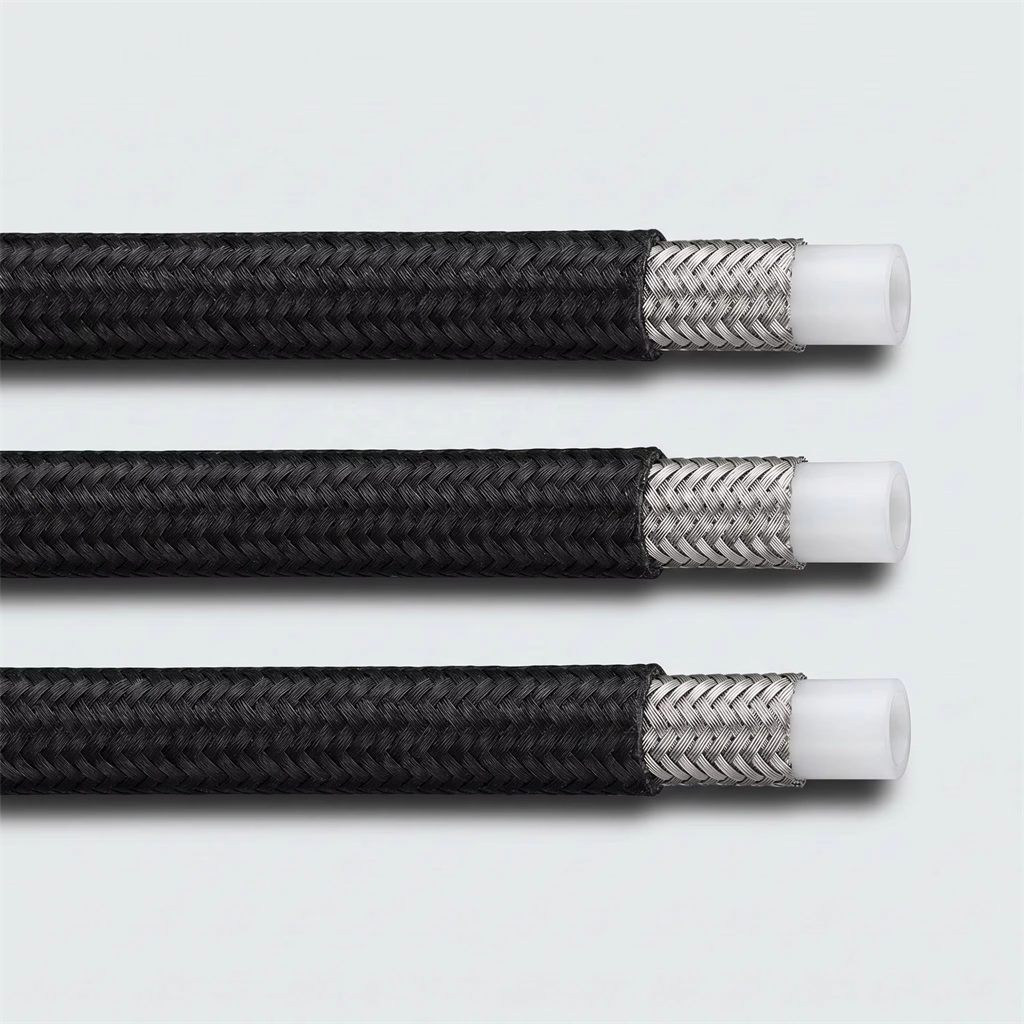
A ptfe braided hose is a specialized fluid conveyance component designed to handle extreme pressure, temperature fluctuations, and chemical exposure in demanding industrial, automotive, and aerospace applications. Understanding what this hose is and how it operates is essential for engineers, technicians, and procurement professionals who specify systems requiring reliable, long-lasting fluid transfer solutions. The construction, material composition, and performance characteristics of ptfe braided hose make it a premium choice for applications where standard rubber or vinyl hoses would fail.
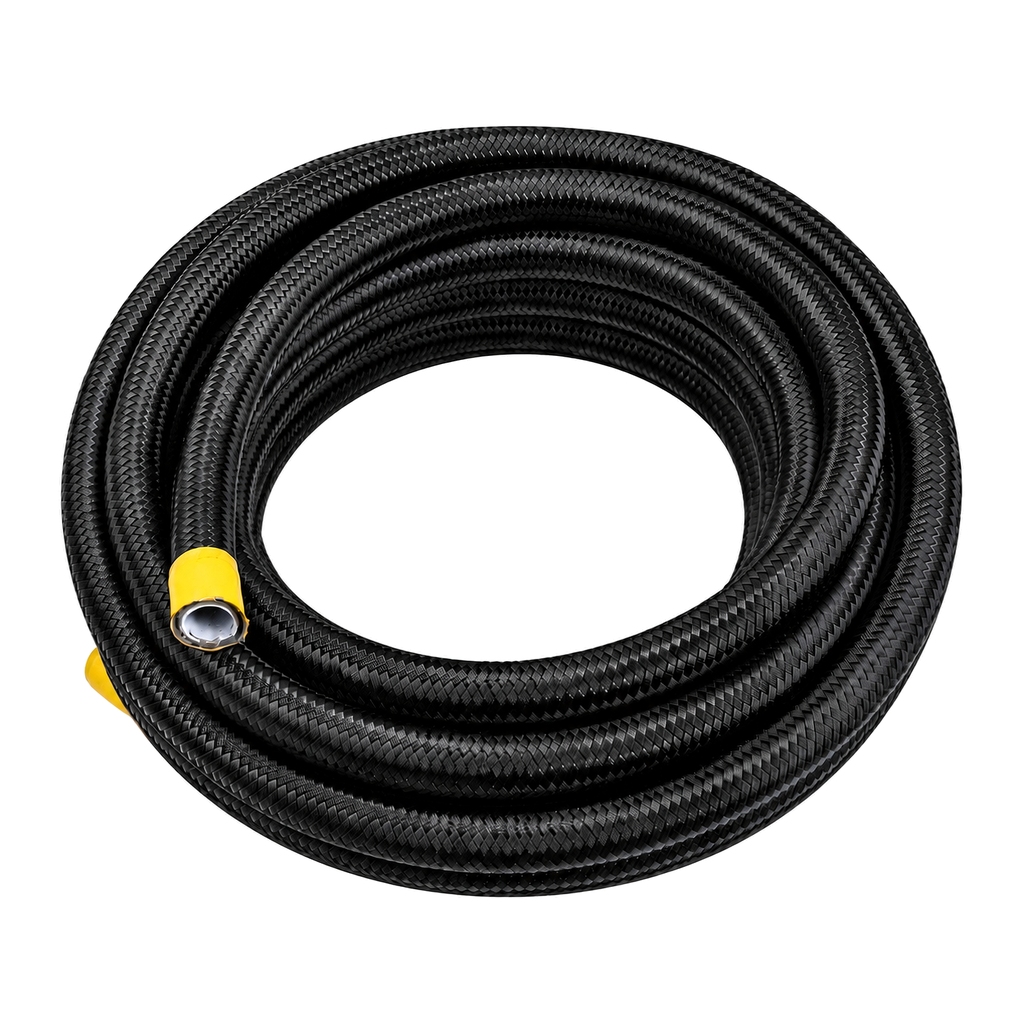
The fundamental purpose of teflon braided tubing is to transport fluids—whether hydraulic oils, coolants, fuels, or chemical solutions—while withstanding pressures that would rupture conventional hoses. The fluoropolymer hose assembly combines a PTFE inner tube with an external braid reinforcement layer, creating a composite structure that delivers superior pressure resistance, temperature stability, and chemical compatibility. This article explores the composition, operational mechanics, and real-world applications of ptfe reinforced hose to help you make informed decisions for your specific industry needs.
Core Components and Material Structure
Inner Tube Composition and Function
The inner tube of a teflon braided tubing hose is manufactured from pure polytetrafluoroethylene (PTFE), a fluoropolymer known for its exceptional chemical resistance and thermal stability. This PTFE inner tube is the critical barrier between the transported fluid and the external reinforcement layer. It prevents fluid seepage, maintains pressure integrity, and resists degradation from oils, solvents, fuels, and aggressive chemicals that would compromise standard rubber hoses within days or weeks.
PTFE material maintains its structural properties across a wide temperature range, typically from minus 65 degrees Fahrenheit to plus 500 degrees Fahrenheit in continuous applications. The smooth internal surface of the tube minimizes friction, allowing fluids to flow efficiently while reducing pressure drop across the hose length. This efficiency translates directly into lower energy consumption and reduced heat generation in hydraulic and pneumatic systems.
Braiding Reinforcement Layer and Pressure Rating
The outer braid of a ptfe reinforced hose is typically constructed from nylon, polyester, or stainless steel fibers wound in a tightly woven helical pattern around the PTFE core. This braiding layer serves as the structural skeleton that enables the hose to withstand high pressures, often ranging from 3,000 to 6,000 pounds per square inch (PSI) depending on hose diameter and construction specifications. The number of braid layers directly correlates to pressure rating—single-braid hoses handle moderate pressures, while double or triple-braid constructions manage extreme-pressure applications.
The choice between nylon, polyester, and stainless steel braiding depends on application requirements. Nylon braiding offers good pressure containment and cost efficiency for standard industrial applications. Polyester provides enhanced temperature stability when hoses operate in high-heat environments. Stainless steel braiding delivers maximum pressure capability and is favored in aerospace, racing, and critical hydraulic systems where failure is not an option.
Operational Mechanics and Performance Characteristics
How Pressure Containment Works
When pressurized fluid enters a fluoropolymer hose assembly, the internal PTFE tube expands slightly to accommodate the pressure load. Simultaneously, the external braid reinforcement prevents excessive radial expansion, containing the fluid securely within the hose cavity. This dual-layer containment mechanism is what distinguishes a ptfe braided hose from single-wall tubing and enables it to safely convey high-pressure fluids without rupture or leakage.
The braid reinforcement works through a principle of pressure distribution. As internal pressure increases, the braided fibers bear increasing tension, transferring stress away from the PTFE tube and spreading the load across the entire hose circumference. This distributed stress model allows PTFE hoses to maintain pressure integrity even when operating at or near their maximum rated pressure for extended periods. Engineers can size teflon braided tubing based on precise pressure requirements, eliminating over-specification waste and under-specification risk.
Temperature Management and Chemical Resistance
A key operational advantage of ptfe reinforced hose is its ability to function reliably across extreme temperature ranges without degradation of performance or dimensional stability. Unlike rubber hoses, which harden in cold conditions and weaken in heat, PTFE maintains consistent mechanical properties regardless of environmental temperature. This consistency means a single hose design can serve both cryogenic fuel systems and high-temperature exhaust gas applications without performance compromise.
Chemical resistance is another defining operational characteristic of fluoropolymer hose assembly. The PTFE inner tube resists virtually all conventional fluids and solvents, including mineral oils, synthetic hydraulic fluids, methanol, ethanol, gasoline, diesel fuel, and most industrial chemicals. This universal chemical compatibility eliminates the need to stock multiple hose types or worry about fluid compatibility when specifying a system. The braid reinforcement also resists UV exposure, ozone, and weather degradation, extending service life in outdoor and exposed-environment installations.
Applications, Selection Criteria, and Performance Benefits
Primary Industrial and Automotive Uses
PTFE braided hose serves critical functions across multiple industries where performance and reliability cannot be compromised. In automotive racing and high-performance applications, teflon braided tubing delivers fuel, coolant, and brake fluid with zero leakage and maximum pressure stability during extreme acceleration and cornering. Aerospace manufacturers specify ptfe reinforced hose for hydraulic systems that must operate at altitude, where temperature extremes and pressure fluctuations demand absolute reliability.
Industrial facilities use fluoropolymer hose assembly in chemical processing plants where aggressive solvents and corrosive materials would degrade conventional hoses. Food and beverage manufacturers rely on PTFE hoses for their inert properties and FDA compliance, ensuring no contamination of products or processes. Medical device manufacturers specify these hoses for precision fluid delivery systems where biocompatibility and sterility requirements demand the highest-purity materials available.
Advantages Over Alternative Hose Materials
When comparing ptfe braided hose to rubber, vinyl, and thermoplastic alternatives, several performance advantages become immediately apparent. Durability is significantly extended because PTFE does not degrade from chemical exposure, UV radiation, or ozone, resulting in service lives measured in years rather than months. Maintenance costs decline because leak-free operation and longer replacement intervals reduce downtime and labor expenses. System reliability improves because the consistent pressure rating and chemical compatibility eliminate unexpected failures and emergency shutdowns.
The temperature range capability of teflon braided tubing exceeds that of standard hoses by hundreds of degrees Fahrenheit in both directions. A single hose design eliminates the need for seasonal replacements or special handling for temperature-sensitive applications. Performance consistency means engineers can design systems with confidence, knowing the hose will deliver predictable behavior across the entire operating envelope. While the initial material cost of ptfe reinforced hose exceeds that of rubber alternatives, the total cost of ownership—including longer service life, reduced replacement frequency, and eliminated leakage problems—typically favors PTFE in applications where reliability is prioritized.
FAQ
What temperature range can PTFE braided hose safely handle?
PTFE braided hose typically operates safely from minus 65 degrees Fahrenheit to plus 500 degrees Fahrenheit in continuous service, with short-term excursions reaching higher temperatures depending on system design. The braid reinforcement material and any end fittings may have different temperature limits, so always verify complete system specifications with the manufacturer. This exceptional range makes teflon braided tubing suitable for both cryogenic applications and extreme heat environments where other hoses would fail completely.
How does PTFE braided hose compare to silicone and rubber alternatives?
While silicone and rubber hoses are less expensive initially and adequate for moderate-pressure, temperature-stable applications, they cannot match the performance envelope of ptfe reinforced hose in demanding conditions. Rubber degrades rapidly when exposed to many common solvents, petroleum products, and UV radiation, typically requiring replacement every 12 to 24 months. Fluoropolymer hose assembly resists these same chemicals indefinitely and maintains pressure integrity across a far wider temperature range, making it the superior choice for critical systems despite higher upfront cost.
Can PTFE braided hose be used in food and pharmaceutical applications?
Yes, PTFE is FDA-compliant and approved for contact with food and pharmaceutical products, making ptfe reinforced hose an excellent choice for these regulated industries. The inert nature of PTFE ensures zero flavor, odor, or substance migration into processed foods or medications. Many food manufacturers and pharmaceutical companies specify teflon braided tubing specifically because it meets stringent purity and biocompatibility requirements while delivering the pressure and temperature performance needed for modern processing equipment.
 EN