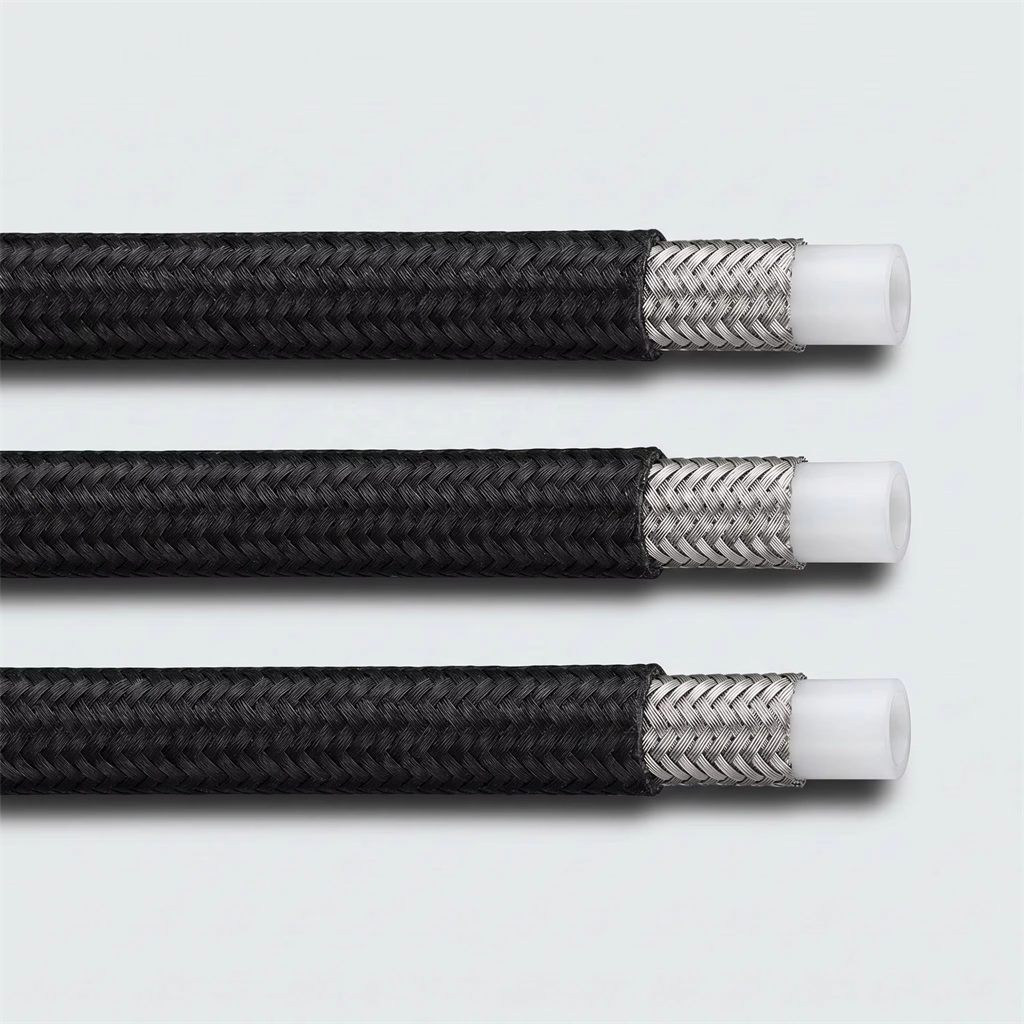
A ptfe braided hose is a specialized fluid transfer component engineered to withstand extreme temperatures, pressures, and chemical exposure in demanding industrial applications. This type of hose combines a polytetrafluoroethylene inner core with a protective braided reinforcement layer, typically made from nylon or steel, to deliver superior performance where standard hoses fail. The combination of materials creates a robust system that resists degradation and maintains structural integrity under stress.
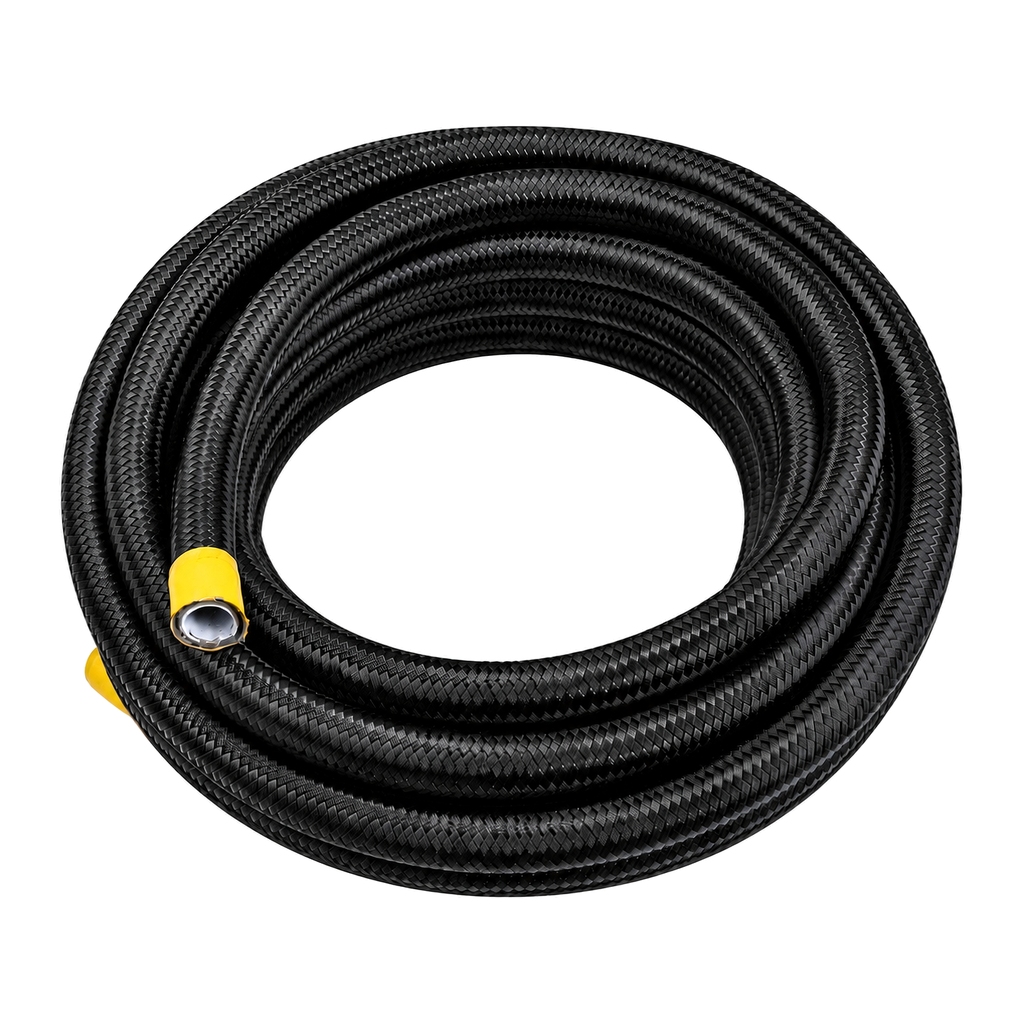
The core function of a ptfe braided hose is to safely convey aggressive fluids, including fuels, hydraulic oils, cryogenic liquids, and corrosive chemicals, while maintaining mechanical strength under high-pressure conditions. Unlike conventional rubber hoses that degrade when exposed to harsh chemical environments, teflon braided tubing maintains chemical compatibility and dimensional stability across a wide temperature range, from cryogenic to extreme heat applications. This reliability makes the fluoropolymer hose assembly an essential component in aerospace, automotive, pharmaceutical, and manufacturing sectors.
Core Construction and Material Composition
PTFE Inner Core Design
The inner tube of a ptfe braided hose is manufactured from virgin PTFE resin, a synthetic polymer with exceptional non-stick properties and chemical resistance. This inner core prevents fluid absorption, resists swelling, and remains unaffected by most industrial chemicals, solvents, and fuels. The smooth PTFE surface minimizes friction, enabling efficient fluid flow while reducing pressure drop across the hose assembly. This design ensures consistent performance in systems where precision and reliability are non-negotiable, such as medical device delivery systems and racing fuel lines.
Reinforcement Layer Function
The braided reinforcement layer wrapped around the PTFE core serves as the primary pressure-bearing component. Nylon braiding offers flexibility and cost-effectiveness for moderate-pressure applications, while steel wire reinforcement provides maximum burst pressure resistance in extreme conditions. The teflon braided tubing configuration distributes radial and axial stresses evenly, preventing hose rupture and ensuring predictable failure thresholds. The reinforcement pattern determines both the pressure rating and the flexibility of the fluoropolymer hose assembly, making material selection critical for application success.
Primary Functions and Performance Advantages
Chemical Compatibility and Resistance
One of the defining advantages of a ptfe braided hose is its exceptional chemical compatibility across a broader fluid spectrum than any traditional elastomer-based hose. PTFE remains inert to aggressive substances including strong acids, bases, oxidizers, and non-polar solvents that would degrade rubber, silicone, or polyurethane hoses. This ptfe reinforced hose design is especially critical in pharmaceutical manufacturing, where product purity and absence of leachable compounds are regulatory requirements. The teflon braided tubing also resists permeation, meaning minimal fluid diffusion through the hose wall, a crucial factor in precision fluid metering applications.
Temperature Extremes and Thermal Stability
The fluoropolymer hose assembly operates reliably across a temperature spectrum typically ranging from minus 40°C to plus 260°C, depending on the specific formulation and reinforcement material. This wide thermal envelope allows a single ptfe braided hose to serve applications from cryogenic liquid transfer to high-temperature steam or hydraulic fluid circulation. The PTFE polymer structure maintains its molecular integrity at temperature extremes, preventing brittleness at cold temperatures or softening at high heat. This thermal stability eliminates the need for multiple hose types across temperature-sensitive manufacturing processes.
Pressure Handling and Mechanical Strength
The braided reinforcement layer of a ptfe reinforced hose enables consistent pressure ratings ranging from 350 PSI for nylon-braided variants to over 5000 PSI for steel-reinforced configurations. The geometric design of the braid distributes circumferential pressure loads evenly, preventing localized stress concentration and premature failure. Teflon braided tubing maintains these pressure ratings across the entire operating temperature range, a capability that rubber hoses cannot match. This consistent performance makes the fluoropolymer hose assembly the standard choice in aerospace hydraulic systems, injection molding equipment, and high-pressure fuel injection applications.
Industrial Applications and Real-World Implementation
Aerospace and Automotive Sectors
In aerospace applications, a ptfe braided hose carries cryogenic fuel, hydraulic fluid, and coolant through systems where failure is not an option. Aircraft manufacturers depend on teflon braided tubing for fuel transfer lines, hydraulic brake systems, and environmental control systems because the ptfe reinforced hose maintains structural integrity at altitude pressure differentials and extreme temperature fluctuations. Automotive racing and high-performance modifications similarly rely on ptfe braided hose designs for fuel delivery, coolant circulation, and brake fluid transfer in engines that generate extreme heat and pressure. The fluoropolymer hose assembly withstands vibration, thermal cycling, and chemical exposure that would destroy conventional hoses within months.
Pharmaceutical and Food Processing
Pharmaceutical manufacturing environments demand hose materials that do not contaminate products or leach plasticizers into sensitive formulations. The ptfe braided hose meets these stringent requirements because PTFE does not release volatile organic compounds, does not absorb moisture, and does not support bacterial growth on its surface. Teflon braided tubing transfers sterile fluids, cryogenic nitrogen for freezing processes, and aggressive cleaning solutions without degradation or contamination risk. Food processing facilities employ fluoropolymer hose assembly designs for transferring acidic liquids, high-temperature cooking oils, and caustic cleaning solutions where product purity and equipment longevity are both critical concerns.
Chemical and Petrochemical Processing
Chemical plants and refineries operate ptfe reinforced hose systems that transfer concentrated acids, aromatic hydrocarbons, and reactive organic compounds that corrode and swell conventional elastomers within weeks. The ptfe braided hose resists chemical attack, maintains pressure ratings under aggressive fluid conditions, and provides decades of service life in these demanding environments. Teflon braided tubing is also used in laboratory settings for transferring experimental chemicals, cryogenic reagents, and hazardous solvents where material compatibility and safety are paramount. The fluoropolymer hose assembly is essential infrastructure in industries where chemical compatibility directly impacts both operational safety and financial performance.
FAQ
What makes a ptfe braided hose superior to rubber or silicone hoses?
PTFE braided hose offers superior chemical compatibility, wider temperature range, longer service life, and zero permeation compared to rubber or silicone alternatives. Rubber hoses degrade when exposed to solvents, oils, and extreme temperatures, while teflon braided tubing maintains integrity indefinitely in these conditions. The fluoropolymer hose assembly is also non-toxic and does not leach compounds into fluids, making it the only viable option for pharmaceutical and food-grade applications where product purity is non-negotiable.
Can a ptfe reinforced hose be used in high-pressure racing or motorsport applications?
Yes, ptfe braided hose is the standard choice for racing fuel systems, brake lines, and coolant transfer because it combines lightweight construction, extreme pressure handling capability, and thermal stability needed in high-performance engines. Teflon braided tubing resists fuel vapors, maintains flexibility under high heat, and delivers consistent performance through multiple thermal cycles. The ptfe reinforced hose design allows engine builders to push performance limits without compromising safety or reliability in applications where conventional hoses would fail catastrophically.
What is the expected service life of a fluoropolymer hose assembly in industrial settings?
A well-maintained ptfe braided hose typically lasts 10 to 20 years or longer in industrial applications, significantly outlasting rubber hoses that require replacement every 3 to 5 years. The service life depends on chemical compatibility with the specific fluid being transferred, operating pressure, and temperature cycling frequency. Teflon braided tubing shows minimal degradation when used within rated parameters, making it a cost-effective long-term investment despite higher initial purchase cost compared to conventional hose materials.
 EN