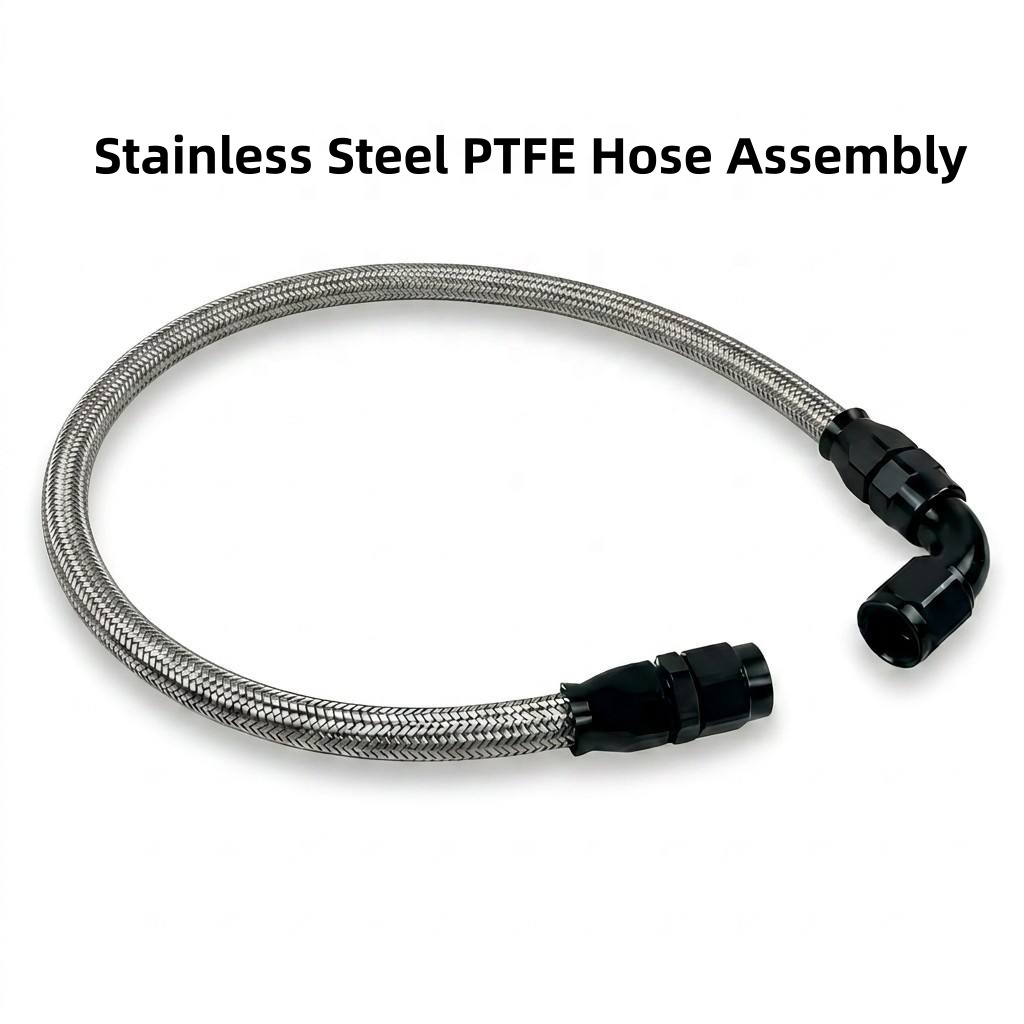
Chemical transfer operations demand materials that can withstand extreme conditions without degradation or contamination. A teflon hose represents one of the most reliable solutions available in industrial fluid handling because of its exceptional chemical resistance, durability, and performance characteristics. Understanding why this material excels in chemical transfer applications helps facility managers, engineers, and procurement professionals make informed decisions about fluid conveyance systems that protect both operations and personnel.
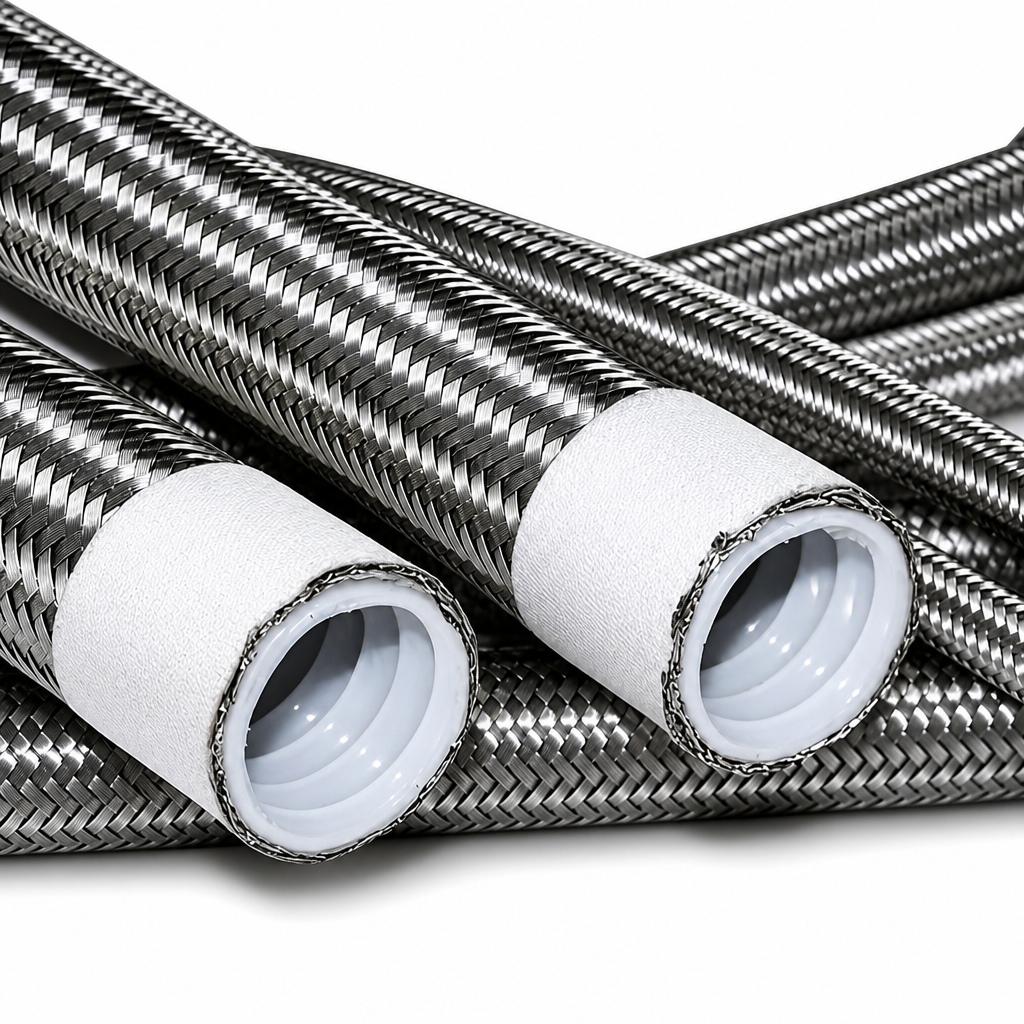
The superiority of teflon hose in chemical transfer stems from the molecular properties of PTFE, the synthetic fluoropolymer that forms its core. PTFE tubing offers unmatched inertness to virtually all chemical compounds, making it the preferred choice for industries ranging from pharmaceuticals and food processing to semiconductor manufacturing and specialty chemicals. This article explores the specific advantages of fluoropolymer hose technology and explains why teflon remains the benchmark standard for safe, efficient chemical transfer operations.
Chemical Resistance and Inertness Properties
Exceptional Compatibility with Aggressive Chemicals
PTFE tubing possesses one of the broadest chemical compatibility profiles of any industrial material. Unlike rubber or PVC hoses that can swell, degrade, or leach compounds into transported fluids, teflon hose maintains its structural integrity when exposed to acids, bases, solvents, oxidizers, and corrosive gases. This chemical resistant tubing does not absorb moisture or react with aggressive substances, ensuring the purity and stability of transferred chemicals throughout the process.
The fluoropolymer hose structure creates a barrier that resists permeation, meaning hazardous vapors cannot migrate through the walls into the environment. In pharmaceutical and food applications where product contamination represents a critical risk, this property proves invaluable. Teflon hose also maintains consistent chemical compatibility across extreme temperature ranges, remaining stable whether handling cryogenic liquids or hot process streams.
Long Service Life and Cost Effectiveness
Because chemical resistant tubing made from PTFE experiences minimal degradation over time, teflon hose maintains performance characteristics throughout its operational life. Unlike hoses that require frequent replacement due to chemical attack or material breakdown, PTFE tubing can remain in service for many years, reducing maintenance costs and operational downtime. This extended service life represents a significant economic advantage, particularly in continuous production environments where hose failures trigger expensive shutdowns.
The durability advantage of teflon hose becomes more pronounced in applications involving multiple chemical compounds or frequent cleaning cycles. Facilities can standardize on a single fluoropolymer hose type across diverse applications rather than maintaining separate inventory for each chemical compatibility requirement.
Performance Characteristics in Demanding Environments
Temperature Stability and Thermal Performance
PTFE tubing maintains mechanical properties across a remarkable temperature range, typically from minus 200 degrees Celsius to plus 260 degrees Celsius. This thermal versatility means teflon hose can handle both cryogenic transfer operations and high-temperature process streams without requiring different hose types. The fluoropolymer material does not become brittle at low temperatures or soften excessively at elevated temperatures, ensuring consistent performance throughout seasonal variations and transient temperature spikes.
The thermal stability of teflon hose reduces the risk of catastrophic failures at temperature extremes. In applications involving heated chemical transfer or rapid temperature cycling, this characteristic prevents the hose from becoming a failure point in the overall system design. Chemical resistant tubing designed from PTFE maintains its flexibility and sealing integrity regardless of ambient conditions.
Pressure Handling and Mechanical Strength
Modern teflon hose construction incorporates reinforcement layers that enable reliable performance under substantial pressure differentials. PTFE tubing used in chemical transfer typically operates safely from vacuum to pressures exceeding 300 bar, depending on the specific hose design and diameter. This pressure-handling capability allows fluoropolymer hose to function in both pump discharge applications and vacuum-based chemical transfer systems.
The mechanical properties of teflon hose make it suitable for applications that demand both chemical compatibility and structural reliability. Unlike materials that compromise pressure rating for chemical resistance or vice versa, PTFE combines both advantages. This dual capability simplifies system design and reduces the need for pressure-limiting devices or parallel redundancy.
Safety, Compliance, and System Integration
Environmental and Health Safety Benefits
Chemical resistant tubing manufactured from teflon hose eliminates the risk of leaching compounds that could contaminate products or harm personnel. In food, pharmaceutical, and semiconductor applications where regulatory compliance demands extreme purity standards, PTFE tubing represents the safest choice. Teflon hose does not off-gas or migrate compounds into transported materials, maintaining the integrity of sensitive chemical formulations.
The fluoropolymer hose structure also prevents chemical vapors from migrating through hose walls into the surrounding environment, reducing workplace exposure risks. For facilities handling hazardous chemicals, this containment characteristic contributes to overall occupational safety performance and helps meet increasingly stringent environmental regulations.
Regulatory Compliance and Industry Standards
PTFE tubing used in teflon hose applications meets or exceeds specifications established by major regulatory and standards organizations including FDA, USP, and ISO standards for fluid conveyance. Many facilities specify fluoropolymer hose specifically to ensure documented compliance with pharmaceutical, food safety, and chemical handling regulations. This regulatory recognition streamlines qualification processes and reduces approval timelines for system installations.
Chemical resistant tubing derived from teflon materials carries certifications that documentation specialists and compliance officers require for regulated industries. The established track record of PTFE in critical applications provides assurance that hose selections will withstand regulatory audits and inspections.
FAQ
Why does PTFE tubing outperform rubber hoses in chemical transfer applications?
PTFE tubing remains inert to virtually all chemicals, whereas rubber hoses can swell, degrade, or interact with transported fluids. Teflon hose maintains structural integrity and purity of transferred chemicals over extended service periods, while rubber alternatives require frequent replacement when exposed to aggressive chemicals. Additionally, fluoropolymer hose does not absorb moisture or leach compounds, making it essential for pharmaceutical and food applications.
What temperature range can teflon hose safely accommodate?
Chemical resistant tubing made from PTFE typically operates reliably from minus 200 degrees Celsius to plus 260 degrees Celsius, maintaining mechanical properties across this entire range. Teflon hose remains flexible at cryogenic temperatures and does not soften excessively at elevated temperatures, making it suitable for thermal cycling and extreme temperature applications. This broad operating range eliminates the need for multiple hose types in facilities with varying temperature requirements.
How does teflon hose contribute to regulatory compliance?
PTFE tubing used in teflon hose meets FDA, USP, and ISO standards required by pharmaceutical, food, and semiconductor industries. Because fluoropolymer hose does not contaminate products or migrate compounds into fluids, it provides documented compliance with purity and safety regulations. Chemical resistant tubing from teflon materials carries certifications that satisfy regulatory audits and qualification requirements, streamlining approval processes for system installations.
 EN