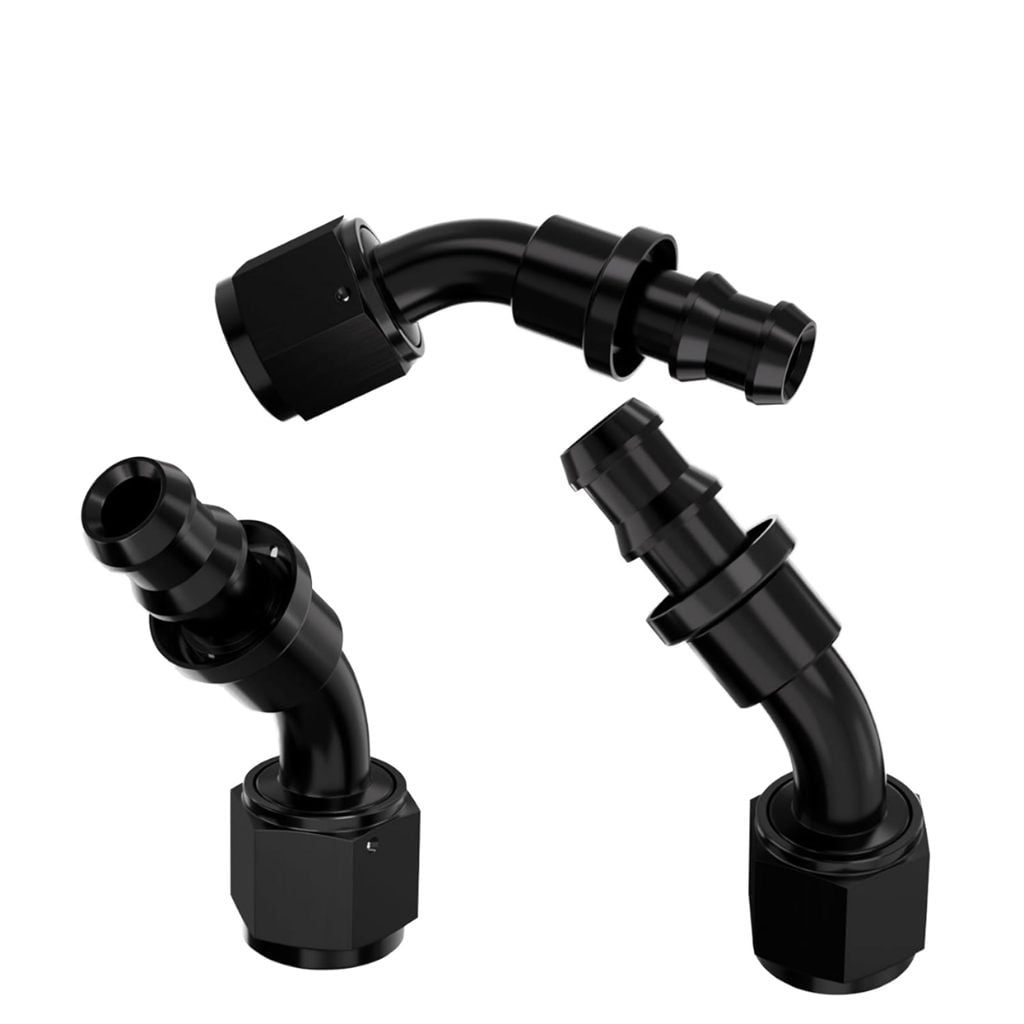
AN fittings represent a critical component in hydraulic and pneumatic systems across industrial applications. Understanding the materials used in AN connector construction is essential for engineers, technicians, and procurement professionals who need to select the right components for their specific operational demands. The choice of material directly impacts system performance, durability, pressure ratings, and compatibility with various fluids and environments.
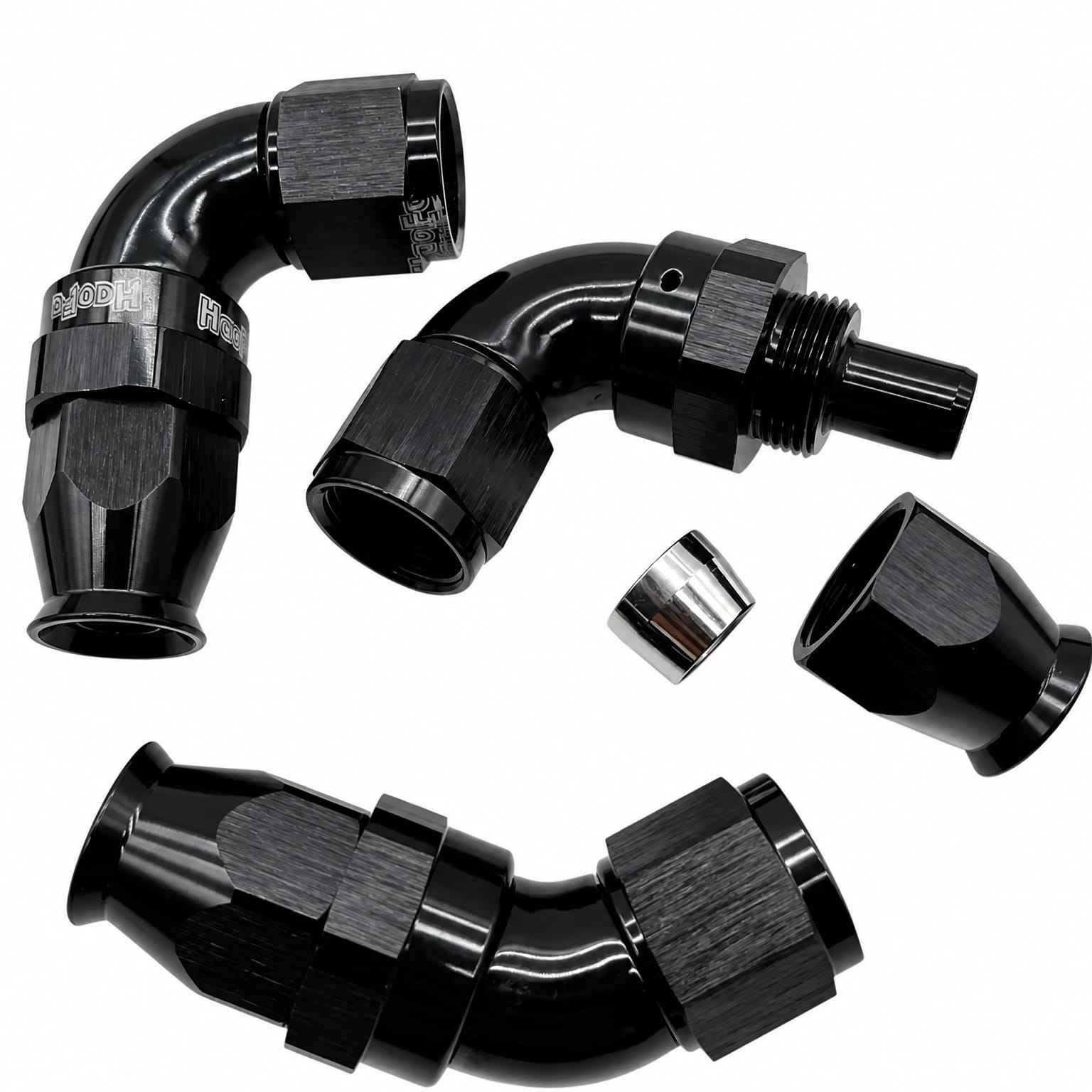
An AN fitting is engineered with precision to meet aerospace, military, and industrial standards. The material composition determines whether the component can withstand extreme pressures, corrosive environments, temperature variations, and chemical exposure. This guide explores the primary materials used in AN fitting manufacturing, their properties, advantages, and applications in modern hydraulic systems.
Primary Materials in AN Fitting Construction
Aluminum Alloys in AN Fittings
Aluminum represents one of the most popular materials for AN connector bodies and end fittings. The lightweight nature of aluminum makes it ideal for aerospace applications where weight reduction is critical. Aluminum AN fittings typically use 6061-T6 or 7075-T73 alloys, which provide excellent strength-to-weight ratios and corrosion resistance. These alloys deliver reliable performance in standard operating conditions while remaining cost-effective for high-volume production.
The advantages of aluminum AN thread adapter components include ease of machining, excellent heat dissipation properties, and minimal weight penalty in complex system designs. Aluminum AN connector options are particularly favored in aircraft systems, fuel delivery lines, and applications where lightweight construction is non-negotiable. However, aluminum AN fittings require proper sealing to prevent fluid leakage and may necessitate protective coatings in harsh environments.
Steel and Stainless Steel Options
Steel AN fittings deliver superior strength and pressure capacity compared to aluminum alternatives. Carbon steel and stainless steel variants provide exceptional durability in high-pressure hydraulic systems, marine environments, and applications involving caustic or corrosive fluids. Stainless steel AN quick disconnect coupling components resist oxidation and maintain structural integrity even when exposed to saltwater, industrial chemicals, or extreme temperature fluctuations.
An AN thread adapter manufactured from steel demonstrates higher pressure ratings, typically supporting 4000 PSI and above in standard configurations. Stainless steel AN connector bodies offer superior corrosion resistance, making them ideal for offshore platforms, chemical processing facilities, and food industry applications. The trade-off involves increased weight and slightly higher material costs, but the longevity and reliability justify the investment in demanding environments.
Specialized Materials and Hybrid Designs
Brass and Bronze Components
Brass has been used in AN fitting manufacturing for decades, particularly in applications requiring superior corrosion resistance and non-magnetic properties. Brass AN connector varieties offer excellent machinability and aesthetic appeal while maintaining reliable pressure ratings in moderate-duty applications. Bronze options provide similar benefits with enhanced wear resistance, making them suitable for systems involving abrasive fluids or extended service intervals.
An AN quick disconnect coupling constructed from brass or bronze provides reliable performance in environments where ferrous metal corrosion presents significant concerns. These materials work particularly well in cooling systems, water-based fluid applications, and situations where magnetic properties could interfere with sensitive equipment. Brass and bronze components are easy to plate or coat for additional environmental protection.
Composite and Hybrid Solutions
Modern AN fitting designs increasingly incorporate composite materials and hybrid construction approaches. Combinations of aluminum bodies with steel threads, or PTFE sealing elements bonded to metal housings, represent the current evolution in AN connector technology. These hybrid designs leverage the weight advantages of aluminum while incorporating steel's strength where pressure and wear resistance matter most, creating optimized components for specific application requirements.
An AN thread adapter with composite sealing elements provides improved leak prevention and fluid compatibility compared to traditional all-metal designs. Engineers select hybrid AN fittings when facing conflicting requirements such as weight constraints combined with high-pressure operation, or chemical compatibility demands alongside mechanical durability requirements. The trend toward composite integration continues as manufacturers refine materials science and manufacturing precision.
Selecting the Right AN Fitting Material
Application-Specific Material Selection Criteria
Choosing the appropriate material for your AN connector requires careful consideration of operating pressure, temperature range, fluid type, environmental exposure, and weight constraints. Hydraulic systems with pressures below 3000 PSI commonly use aluminum AN quick disconnect coupling components for cost efficiency and lightweight construction. High-pressure applications exceeding 4000 PSI typically demand steel or stainless steel AN fittings to ensure safety and prevent catastrophic failure.
Chemical compatibility represents another critical selection factor when specifying AN thread adapter materials. Certain fluids, solvents, and environmental exposures can degrade aluminum or brass components over time, necessitating stainless steel selection despite the cost premium. Temperature considerations also influence material choice, as different alloys exhibit varying performance characteristics at cryogenic temperatures, elevated heat conditions, or rapid thermal cycling scenarios.
Performance and Longevity Considerations
The material composition of your AN fitting directly affects system maintenance frequency, replacement intervals, and total cost of ownership. Stainless steel AN connector options typically demonstrate longer service life in corrosive or harsh environments, reducing downtime and replacement costs despite higher initial purchase prices. Aluminum AN fittings excel in weight-sensitive applications but may require more frequent inspection and potential replacement in challenging environments.
Environmental sealing and protective coatings enhance the performance of any AN fitting material choice. Anodizing aluminum components, passivating stainless steel surfaces, and applying protective plating to brass or steel AN quick disconnect coupling elements extends service life and prevents premature corrosion. Proper material selection combined with appropriate surface treatments creates a comprehensive strategy for optimizing system reliability and minimizing lifecycle costs.
FAQ
What is the most common material used in AN fittings?
Aluminum alloy, particularly 6061-T6, is the most widely used material for AN connector construction due to its excellent strength-to-weight ratio, corrosion resistance, and cost-effectiveness. Aluminum AN thread adapter components dominate aerospace and general industrial applications where weight savings are beneficial and moderate pressures are acceptable. Stainless steel remains the second most common choice for applications requiring superior corrosion resistance or higher pressure ratings.
Can AN fittings be used interchangeably regardless of material composition?
While AN quick disconnect coupling components follow standardized thread specifications, material differences significantly impact pressure ratings, environmental suitability, and chemical compatibility. An aluminum AN fitting cannot safely replace a steel component in high-pressure applications, just as brass may not suit environments with aggressive solvents. Always verify material compatibility with your system requirements and consulting technical specifications before substituting AN connector types.
How do I determine which AN fitting material suits my application?
Evaluate your system's operating pressure, fluid type, temperature range, and environmental exposure conditions to guide material selection. Aluminum AN thread adapter options work well for standard pressures in benign environments, while stainless steel AN fittings serve demanding applications. Consult with your hydraulic system designer or component manufacturer to verify that your chosen AN connector material meets all regulatory standards and performance requirements for your specific industry.
 EN