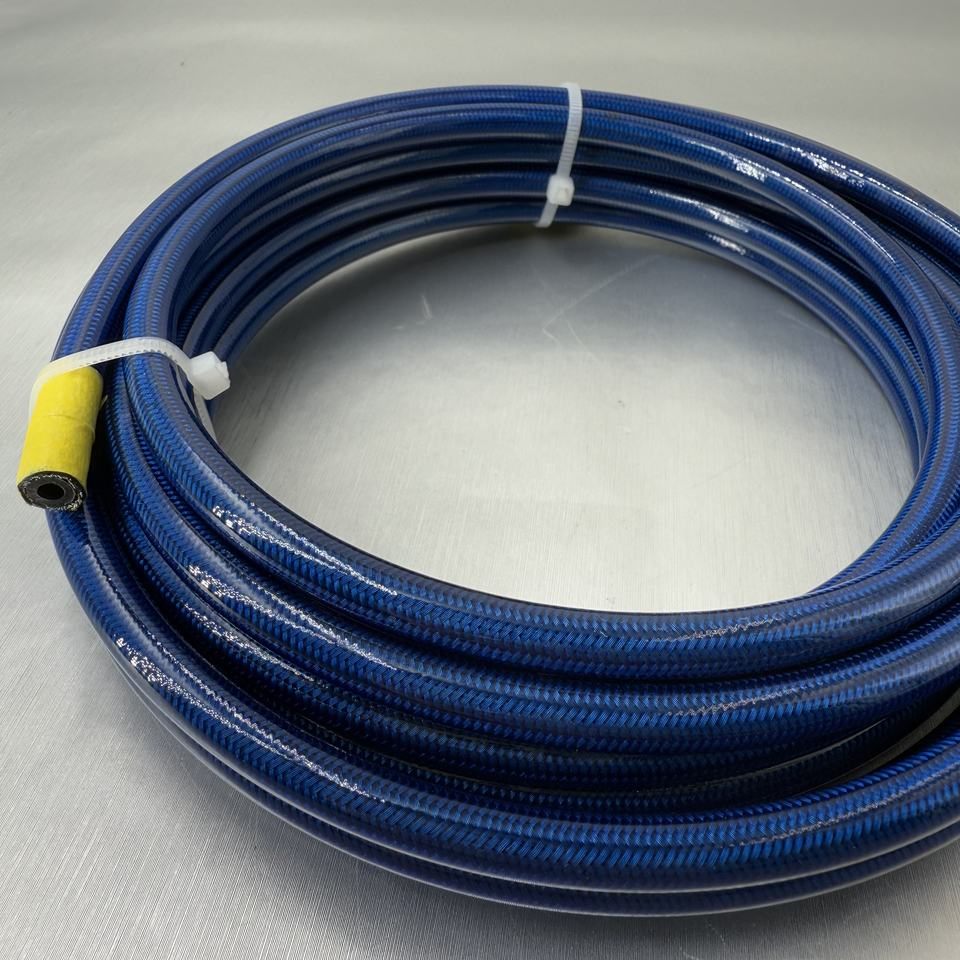
Understanding the composition of a brake hose is essential for vehicle owners and maintenance professionals who need to make informed decisions about brake system maintenance and brake line replacement. The materials used in brake hoses directly influence their durability, safety, and overall performance under various operating conditions. A brake hose serves as a critical component that carries pressurized hydraulic fluid from the master cylinder to the brake calipers or wheel cylinders, making material selection absolutely crucial for vehicle safety.
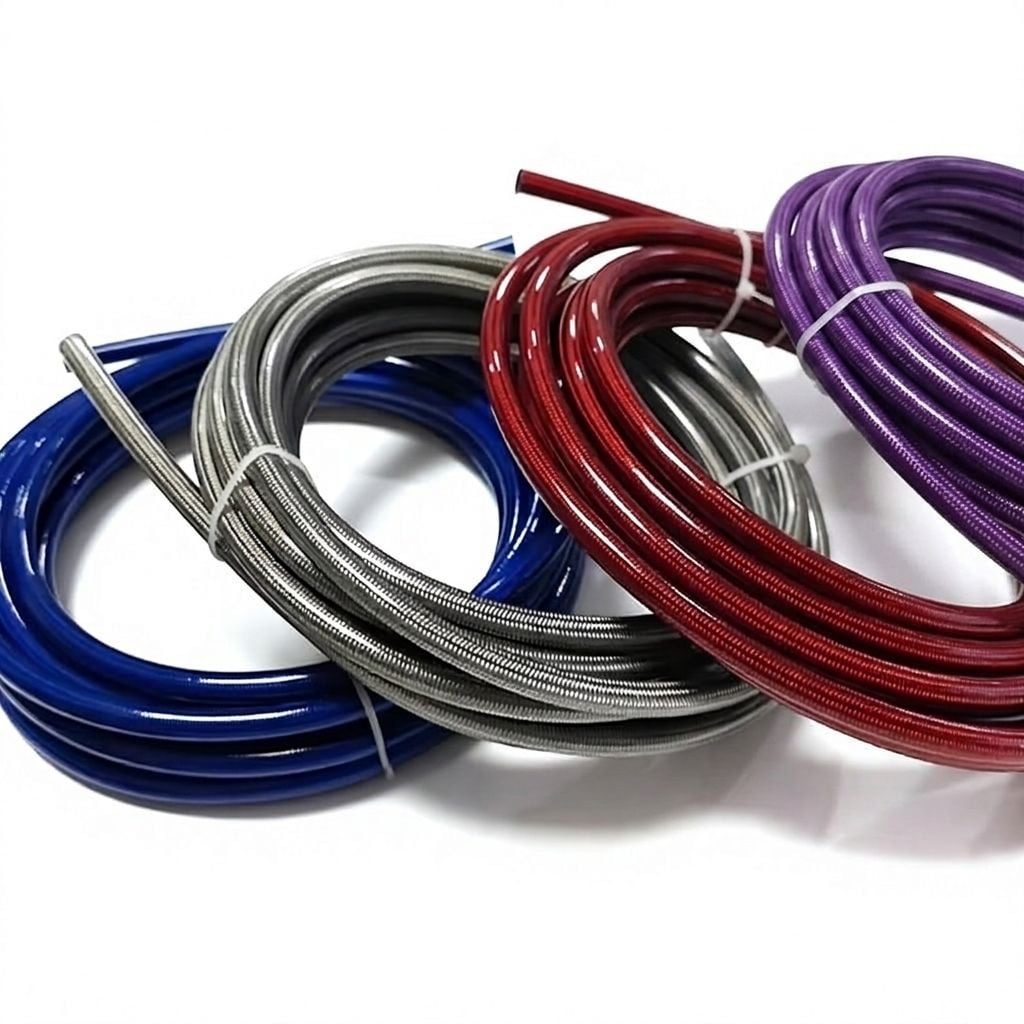
Modern brake systems depend on reliable brake hose designs that can withstand extreme pressure, temperature fluctuations, and chemical exposure. When considering brake line replacement or upgrading your hydraulic brake tubing, knowing what materials are available helps you choose products that meet your vehicle's requirements and your performance expectations. This guide explores the primary materials used in brake hose construction and explains why each material matters for brake system maintenance.
Rubber and Elastomer Composition
Natural and Synthetic Rubber in Brake Hoses
The inner tube of most brake hoses is manufactured from synthetic rubber or elastomer compounds designed to resist hydraulic fluid degradation. These materials must withstand constant exposure to brake fluid, which can be either dot 3, dot 4, or dot 5 formulations, each with different chemical properties. Synthetic rubber provides flexibility and maintains its integrity across the temperature range experienced during normal and aggressive braking cycles.
The elastomer layers in brake hose construction also serve as a barrier against moisture permeation, which is critical for brake system maintenance since water contamination reduces brake fluid boiling points and compromises braking performance. Quality brake hoses use specialized elastomer blends that resist swelling, cracking, and degradation over extended service life. The thickness and composition of the rubber layer directly affect how well the brake line replacement withstands internal pressure spikes that occur during hard braking.
Reinforcement Layers and Middle Structure
Between the inner elastomer tube and the outer protective cover, manufacturers incorporate reinforcement layers using textile fibers, steel wire, or synthetic materials. These reinforcement layers are essential for containing the high hydraulic pressure generated during braking operations, typically ranging from 50 to 200 bar depending on brake system design. The number and arrangement of reinforcement layers determine the burst pressure rating and overall reliability of the hydraulic brake tubing.
Steel wire mesh is commonly used in heavy-duty applications and performance vehicles because it provides superior pressure containment and resists expansion under extreme conditions. Textile reinforcement remains common in standard automotive applications because it offers adequate strength while maintaining flexibility for routing through tight engine compartment spaces. Modern brake line replacement options often feature multi-layer reinforcement that combines the benefits of both materials for optimal performance.
Steel and Metal Components
Stainless Steel Braiding and Mesh
Premium brake hose designs incorporate stainless steel braiding over the outer elastomer layer to enhance durability and provide additional protection against abrasion and impact damage. Stainless steel offers superior corrosion resistance compared to carbon steel, making it an excellent choice for brake hoses exposed to road salt, moisture, and harsh environmental conditions. The braiding pattern improves flex fatigue resistance, allowing the hose to withstand thousands of expansion and contraction cycles without developing cracks or weak points.
When selecting brake line replacement options, stainless steel braided hoses deliver extended service life and reduced maintenance requirements for brake system maintenance. The braided construction also provides a finished appearance that appeals to custom vehicle builders and enthusiasts who value both function and aesthetics. Steel mesh reinforcement works synergistically with the elastomer tube to create a hydraulic brake tubing assembly that handles peak pressures reliably.
Fittings and Connection Hardware
The metal fittings at each end of a brake hose are typically made from brass, aluminum, or steel, depending on the application and cost requirements. These fittings must resist corrosion and maintain a perfect seal under pressurized conditions, which is why material selection for fittings is equally important as the hose itself. Brass fittings offer excellent corrosion resistance and are commonly found in quality brake line replacement assemblies designed for long-term reliability.
Advanced Materials and Specialty Options
PTFE and Fluoropolymer Inner Liners
High-performance applications increasingly use PTFE or other fluoropolymer materials as inner liners within the hydraulic brake tubing assembly. PTFE provides superior chemical resistance and maintains consistent properties across a wider temperature range compared to conventional rubber compounds. These advanced materials reduce friction between the fluid and the hose walls, improving brake response and feel in performance-oriented vehicles.
When considering brake line replacement for motorsports or specialized applications, PTFE-lined hoses offer measurable advantages in consistency and reliability. The non-porous nature of fluoropolymers reduces the risk of moisture absorption, which is particularly important for brake system maintenance in high-humidity environments or vehicles used in demanding conditions. These specialized materials command a premium price but deliver superior longevity and performance characteristics that justify the investment.
Polyurethane and Polymer Jacketing
Modern brake hose designs often include polyurethane or advanced polymer outer jackets that protect the underlying layers from UV exposure, ozone degradation, and mechanical damage. These outer protective layers extend overall hose life and maintain structural integrity during the vehicle's useful service period. Polyurethane jackets also improve abrasion resistance during installation and routing through engine compartments and chassis areas where the hose contacts sharp edges or moving components.
FAQ
What is the most common material used in brake hoses?
Synthetic rubber forms the inner tube of most automotive brake hoses, combined with textile or steel wire reinforcement layers and an elastomer outer cover. This combination provides reliable pressure containment, flexibility for installation, and adequate durability for standard driving conditions. Steel or brass fittings complete the assembly, creating a complete brake system maintenance component that meets regulatory requirements and manufacturer specifications.
How do brake hose materials affect brake line replacement decisions?
When selecting brake line replacement options, material composition determines service life, pressure rating, temperature tolerance, and environmental resistance. Stainless steel braided hoses offer extended durability in harsh conditions, while PTFE-lined hydraulic brake tubing provides superior performance in motorsports applications. Understanding your vehicle's operating environment and performance requirements helps you choose materials that deliver the best value and reliability for your specific brake system maintenance needs.
Are advanced materials worth the cost for brake hose upgrades?
Premium brake hose materials like PTFE liners and stainless steel braiding offer measurable benefits in performance, longevity, and consistency, particularly for high-performance vehicles or those operating in demanding conditions. Standard rubber and textile-reinforced hoses remain appropriate for everyday driving and normal brake system maintenance. Your choice should balance initial cost against expected service life, performance gains, and the importance of reliability for your specific vehicle application.
 EN