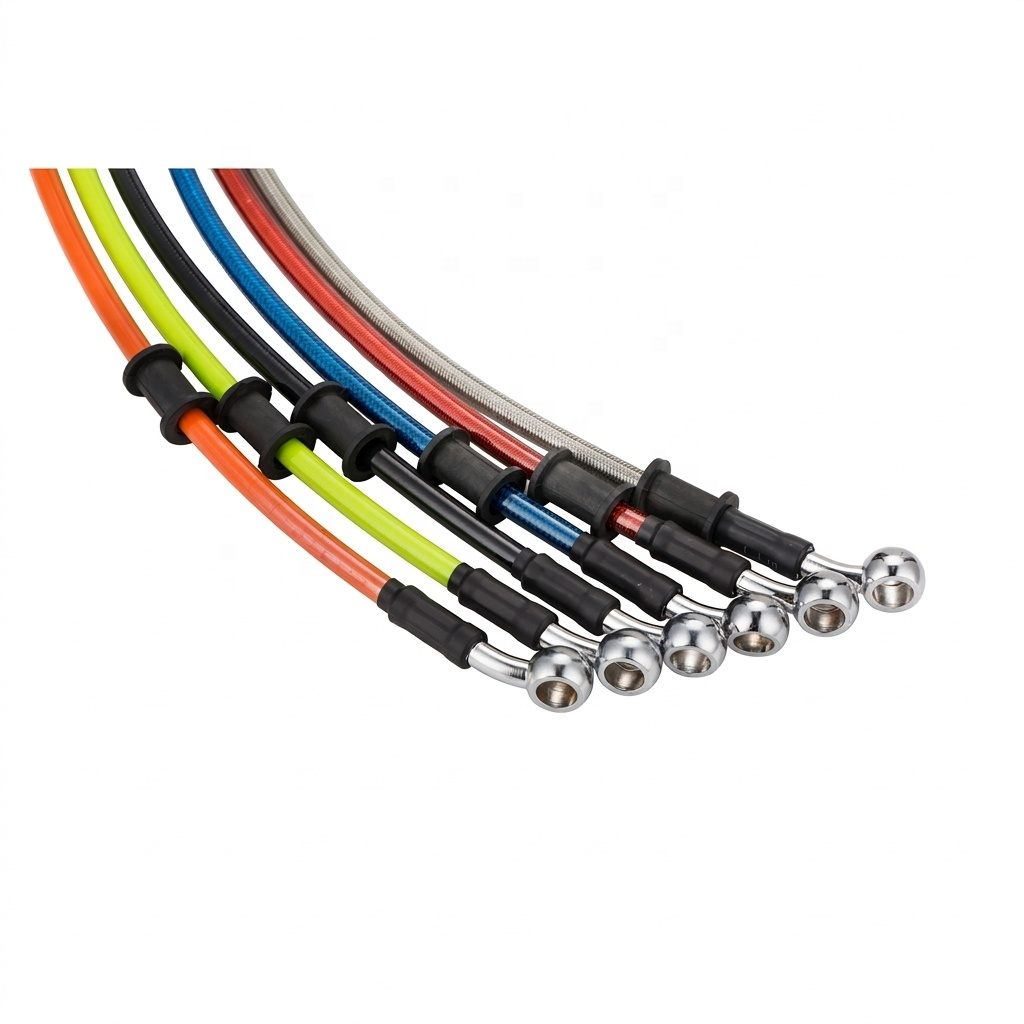
Custom brake hoses are engineered components that demand precision material selection to ensure vehicle safety and braking performance. Understanding the materials that compose a custom brake hose helps fleet managers, automotive engineers, and vehicle enthusiasts make informed decisions about brake system upgrades and replacements. The materials chosen for custom brake hoses directly impact durability, pressure resistance, temperature tolerance, and compliance with regulatory standards.
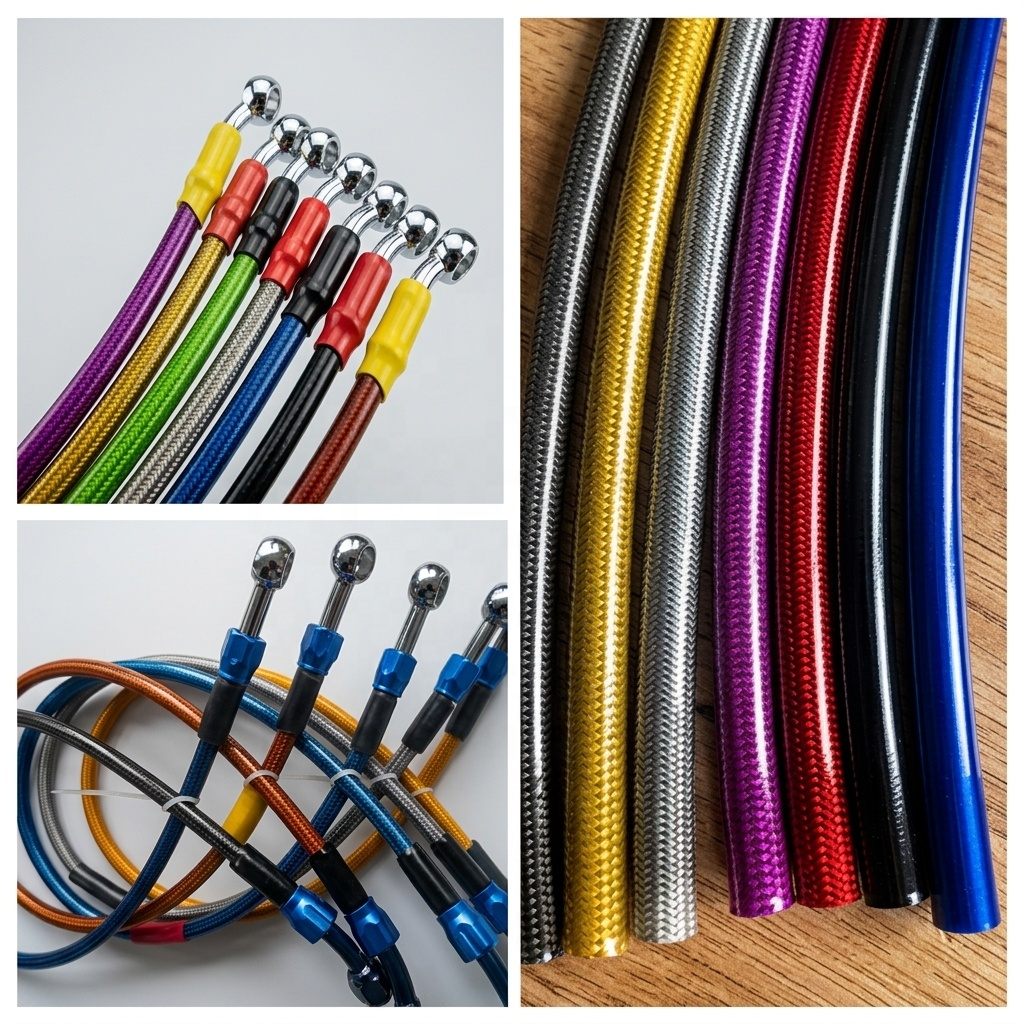
A custom brake hose typically combines multiple material layers to create a system that withstands extreme hydraulic pressure, temperature fluctuations, and chemical exposure. Each layer serves a specific function, from fluid containment to protective shielding. This layered construction approach ensures that the hose meets or exceeds DOT brake hose specifications while delivering consistent braking reliability across diverse driving conditions and applications.
Inner Tube and Pressure-Rated Elastomers
PTFE and Synthetic Rubber Composition
The innermost layer of a custom brake hose must withstand continuous contact with brake fluid while maintaining structural integrity under pressure. PTFE (polytetrafluoroethylene) serves as the primary inner tube material in high-performance applications because it resists brake fluid degradation and maintains low friction even during extreme pressure cycles. Synthetic rubber compounds, typically nitrile-based formulations, are also used in standard brake hose construction, offering excellent compatibility with mineral brake fluid and reliable elasticity across temperature ranges.
Pressure Rating and Material Selection Criteria
The inner tube material directly determines the hose's maximum operating pressure and burst pressure rating. DOT brake hose specifications mandate that brake hoses withstand at least four times their rated working pressure without rupture. Custom brake hose manufacturers select elastomeric compounds that balance flexibility with resistance to pressure-induced fatigue. Reinforced PTFE tubes offer superior pressure handling compared to traditional rubber, enabling custom designs for performance vehicles that demand higher hydraulic pressures than factory systems provide.
Reinforcement Layer and Braided Brake Lines
Stainless Steel and Wire-Braid Technology
The reinforcement layer transforms a simple rubber tube into a pressure vessel capable of containing brake fluid at thousands of PSI. Braided brake lines incorporate woven stainless steel strands that wrap around the inner tube in a precise helical pattern. This braid pattern is engineered to distribute pressure loads evenly and prevent hose expansion under pressure spikes. Stainless steel braiding resists corrosion, vibration fatigue, and environmental exposure, making it ideal for vehicles operating in harsh conditions, marine environments, or high-humidity climates.
Mesh Count and Structural Integrity
The density and thread count of braided reinforcement directly influence the hose's burst pressure and flex life. Hydraulic brake tubing manufacturers specify braid layers—typically one, two, or three layers—based on the intended application and pressure requirements. A single braid layer suits moderate-pressure applications, while dual or triple braiding provides redundancy and supports extreme pressure scenarios common in racing, emergency braking systems, and heavy-duty commercial vehicles. Each braid layer adds mass but significantly improves structural reliability and extends service life.
Outer Cover and Environmental Protection
Jacketing Materials and Chemical Resistance
The outer cover layer protects the reinforced inner structure from environmental hazards, ultraviolet degradation, ozone exposure, and mechanical abrasion. PU (polyurethane) jackets are widely applied to custom brake hose designs because they offer superior flexibility, abrasion resistance, and long-term UV stability. Synthetic rubber covers provide cost-effective protection for standard applications, while specialized coatings support custom requirements such as flame resistance, extreme temperature tolerance, or enhanced grip for manual routing applications.
DOT Brake Hose Specifications and Compliance
Every custom brake hose must meet DOT brake hose specifications, which define minimum performance standards for inner tube materials, reinforcement architecture, and outer cover composition. DOT regulations specify that brake hoses must withstand minimum pressure ratings, demonstrate fluid compatibility across approved brake fluids, and maintain performance across extreme temperature ranges from minus 40 to 100 degrees Celsius. Material selection for each hose layer is validated through rigorous pressure cycling, burst testing, thermal aging, and chemical compatibility assessments to ensure regulatory compliance before installation.
FAQ
Why is stainless steel braiding preferred over other reinforcement materials?
Stainless steel offers superior corrosion resistance, fatigue strength, and consistent pressure distribution compared to nylon, polyester, or other reinforcement alternatives. The material resists oxidation in moisture-rich environments, maintains structural properties across temperature extremes, and provides visible indicators of mechanical damage that help fleet managers identify hoses needing replacement before failure occurs.
How do hydraulic brake tubing materials differ from standard OEM brake hoses?
Hydraulic brake tubing in custom systems often uses PTFE inner cores and multiple-layer stainless steel braiding to achieve higher pressure ratings and improved performance characteristics compared to factory hoses. Custom designs prioritize durability and precision over manufacturing cost, enabling material combinations that standard production hoses cannot justify economically.
What role do DOT brake hose specifications play in material selection?
DOT brake hose specifications establish mandatory minimum standards for pressure handling, fluid compatibility, and temperature performance that guide material selection at every layer. Manufacturers must document that their chosen materials—whether PTFE, stainless steel, or polyurethane—meet regulatory requirements, ensuring that any custom brake hose delivers consistent safety regardless of application or environment.
 EN