A hose clamp is a mechanical fastener designed to hold hoses or tubing firmly in place on a fitting or connection point. Understanding what materials hose clamps are made from is critical for selecting the right fastener for your specific application, whether you're working in automotive, industrial, marine, or HVAC systems. The material composition directly impacts durability, corrosion resistance, temperature tolerance, and overall performance in challenging environments.
The selection of hose clamp materials depends on environmental factors, fluid compatibility, pressure requirements, and cost considerations. Different hose clamp types are engineered with specific materials to address unique operational demands. Proper hose clamp installation also depends on understanding how material properties affect clamping force distribution and long-term reliability in demanding applications.
Stainless Steel and Galvanized Steel Materials
Stainless Steel Hose Clamps
Stainless steel remains one of the most popular materials for hose clamps across industries due to its exceptional corrosion resistance and longevity. This material performs exceptionally well in marine environments, food processing, chemical systems, and anywhere moisture exposure is inevitable. Stainless steel hose clamp types offer superior protection against rust and oxidation compared to uncoated alternatives, making them ideal for outdoor applications and systems handling corrosive fluids.
The durability of stainless steel hose clamps extends their service life significantly, reducing replacement frequency and maintenance costs. These clamps maintain their structural integrity even when exposed to saltwater, extreme humidity, or chemical splashes. When hose clamp installation occurs in corrosive environments, stainless steel consistently outperforms other materials in terms of long-term reliability and appearance preservation.
Galvanized Steel Options
Galvanized steel hose clamps provide a cost-effective alternative for applications where moderate corrosion protection is sufficient. The zinc coating applied to galvanized steel creates a protective barrier that extends clamp lifespan compared to bare steel. Galvanized hose clamp types work well in general industrial settings, automotive systems, and applications not exposed to harsh saltwater or chemical environments.
While galvanized steel clamps are more affordable than stainless options, they require more frequent inspection for coating degradation. Temperature fluctuations and thermal cycling can compromise the zinc coating over time. For indoor applications with controlled humidity and neutral operating conditions, galvanized hose clamp sizes remain a practical choice that balances cost and performance.
Specialty Materials and High-Performance Alternatives
Aluminum and Composite Materials
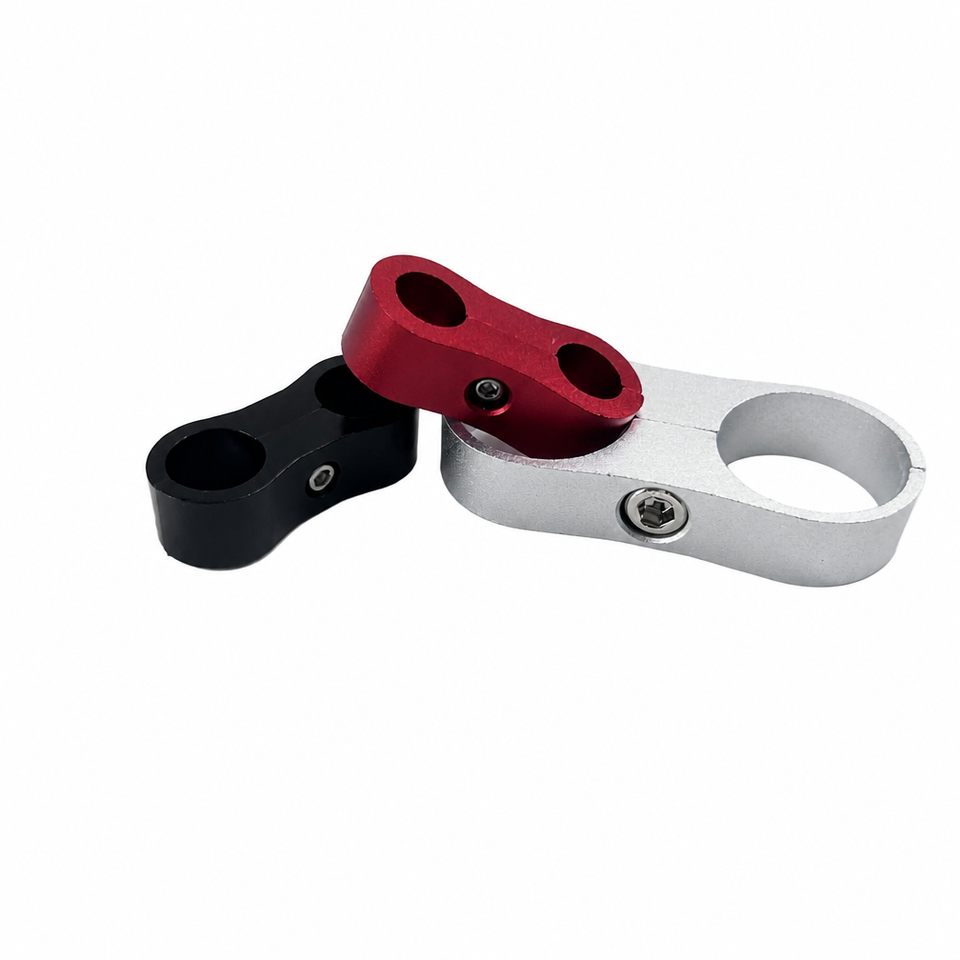
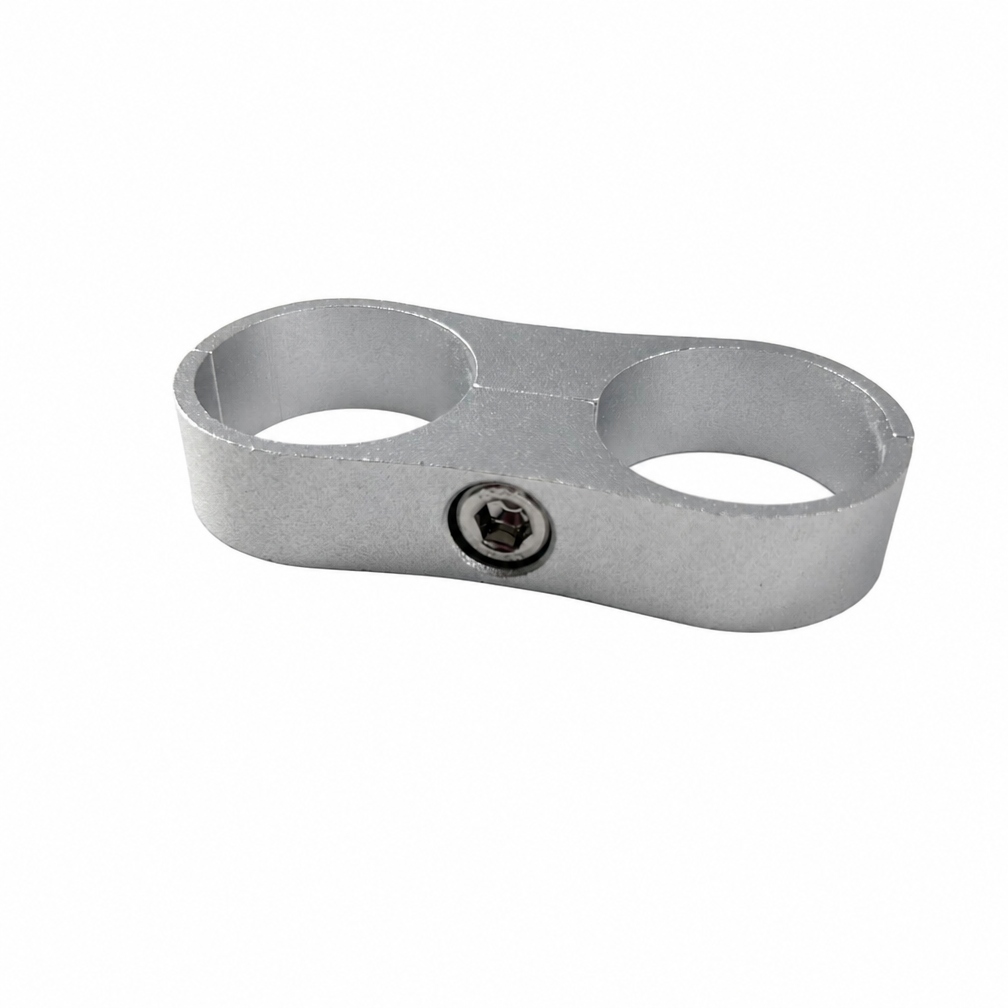
Aluminum hose clamps offer lightweight performance characteristics valuable in aerospace and weight-sensitive automotive applications. These clamps provide excellent corrosion resistance through natural aluminum oxide formation, though aluminum is softer than steel and may not suit high-pressure applications. Aluminum hose clamp types are selected specifically when weight reduction is paramount and pressure requirements remain moderate.
Composite and plastic-based hose clamp materials have emerged for specialized applications requiring non-conductive fastening or compatibility with sensitive equipment. These materials excel in laboratory settings, food and beverage systems, and pharmaceutical processes where metal contamination must be eliminated. Proper hose clamp installation of composite clamps requires understanding their lower strength ratings compared to metal alternatives.
Nylon and Plastic Band Clamps
Nylon cable and hose clamp types deliver non-metallic clamping solutions ideal for delicate tubing and applications requiring electrical insulation. These clamps resist corrosion inherently and cost significantly less than metal alternatives. Nylon hose clamp sizes range broadly, accommodating both small precision applications and larger industrial ductwork configurations.
Plastic band clamps typically use stainless steel ratcheting components combined with nylon straps for superior versatility. The combination material approach balances corrosion protection with flexibility and ease of adjustment. For hose clamp installation in food-grade systems or environments prohibiting metal contact, plastic band options provide reliable performance without material degradation concerns.
Material Selection Criteria and Performance Considerations
Environmental and Chemical Compatibility
Selecting appropriate hose clamp materials requires matching material properties to specific environmental challenges and fluid types. Stainless steel dominates marine and offshore applications, while galvanized steel serves industrial and automotive sectors effectively. Understanding hose clamp types available in each material class enables informed decisions based on exposure conditions and expected service duration.
Chemical compatibility extends beyond simple corrosion resistance to include interactions between clamp materials and transported fluids. Certain aggressive solvents may degrade nylon clamps or compromise stainless steel surfaces through stress corrosion cracking in specific alloy compositions. When hose clamp installation occurs in chemical processing environments, material compatibility assessments prove essential for safety and system longevity.
Temperature and Pressure Performance
Material selection dramatically impacts temperature and pressure handling capabilities across hose clamp sizes and configurations. Stainless steel maintains strength across broader temperature ranges compared to aluminum or plastic alternatives. High-pressure hydraulic systems require metal hose clamp types with verified pressure ratings matching or exceeding system operating parameters.
Plastic and nylon hose clamps experience strength degradation at elevated temperatures, limiting their application range compared to steel alternatives. Material thermal expansion coefficients affect clamping force consistency over temperature cycles, influencing system reliability. During hose clamp installation planning, temperature cycling patterns and pressure fluctuations must drive material selection to ensure sustained performance throughout equipment lifecycle.
FAQ
What are the best hose clamp materials for saltwater marine applications?
Stainless steel hose clamps represent the optimal choice for marine environments due to superior corrosion resistance against saltwater exposure. Grade 304 or 316 stainless steel provide extended service life without maintenance or replacement related to rust formation. Galvanized steel clamps deteriorate rapidly in marine settings and require frequent inspection, making stainless steel the preferred investment for coastal and offshore hose clamp installation projects.
Can hose clamp materials handle high-temperature automotive engine systems?
Stainless steel and high-grade galvanized steel hose clamps perform adequately in engine compartment applications within standard automotive temperature ranges. However, specialty materials like spring steel or titanium-reinforced hose clamp types exist for extreme underhood temperatures exceeding standard cooling system parameters. When hose clamp installation occurs near engine exhaust manifolds or turbocharged components, verify material heat ratings match the specific thermal environment to ensure clamping force retention and prevent material softening.
Are plastic or nylon hose clamps suitable for industrial pressure systems?
Plastic and nylon hose clamp types work effectively only for low-pressure applications under 50 PSI, making them unsuitable for high-pressure industrial hydraulic or pneumatic systems. These materials excel in gravity-fed drainage lines, ventilation ducting, and cable management applications. For pressurized systems, metal hose clamp materials in appropriate sizes provide essential strength and reliability that plastic alternatives cannot reliably deliver throughout extended service periods.
 EN