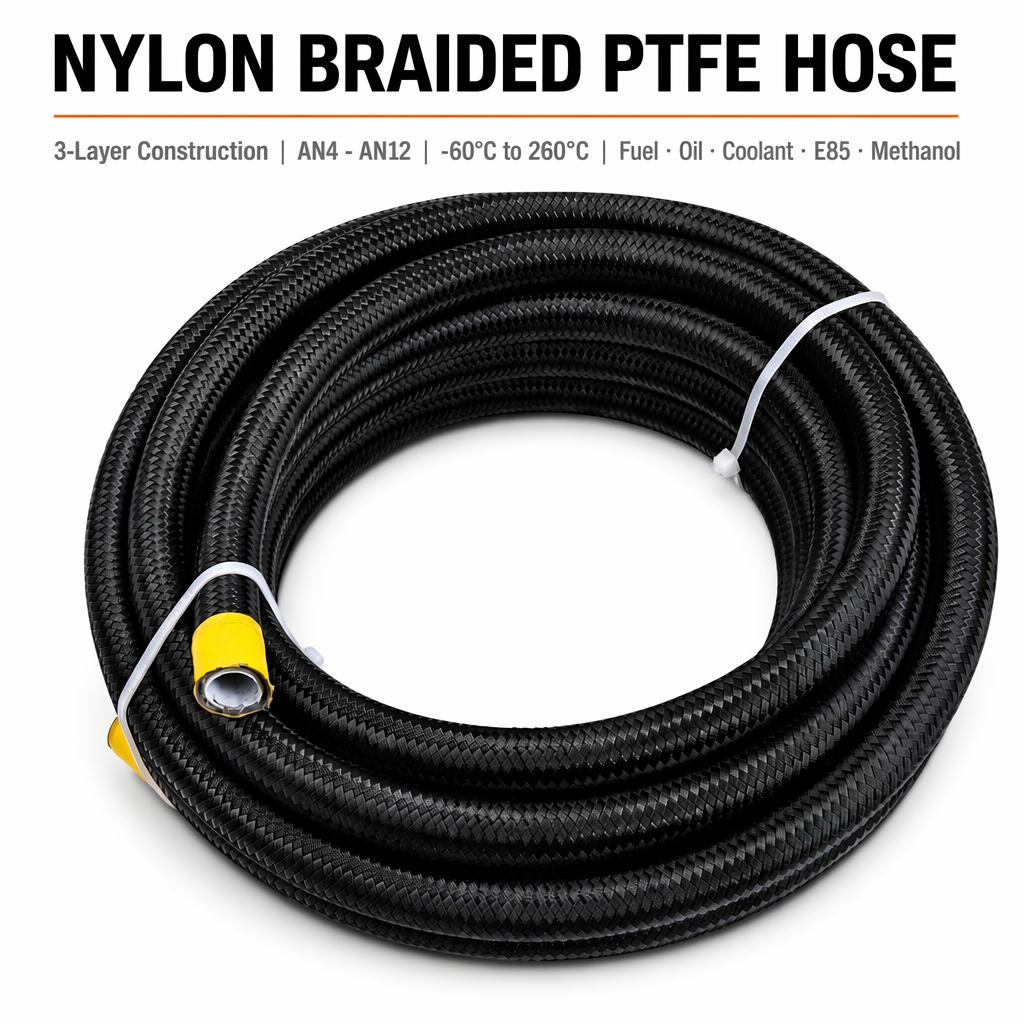
A radiator hose is a critical component of your engine's cooling system, responsible for transporting coolant between the engine, radiator, and thermostat. Understanding what materials these hoses are made from is essential for selecting durable replacements and maintaining optimal engine performance. The composition of a radiator hose directly affects its longevity, flexibility, and ability to withstand high temperatures and internal pressure.
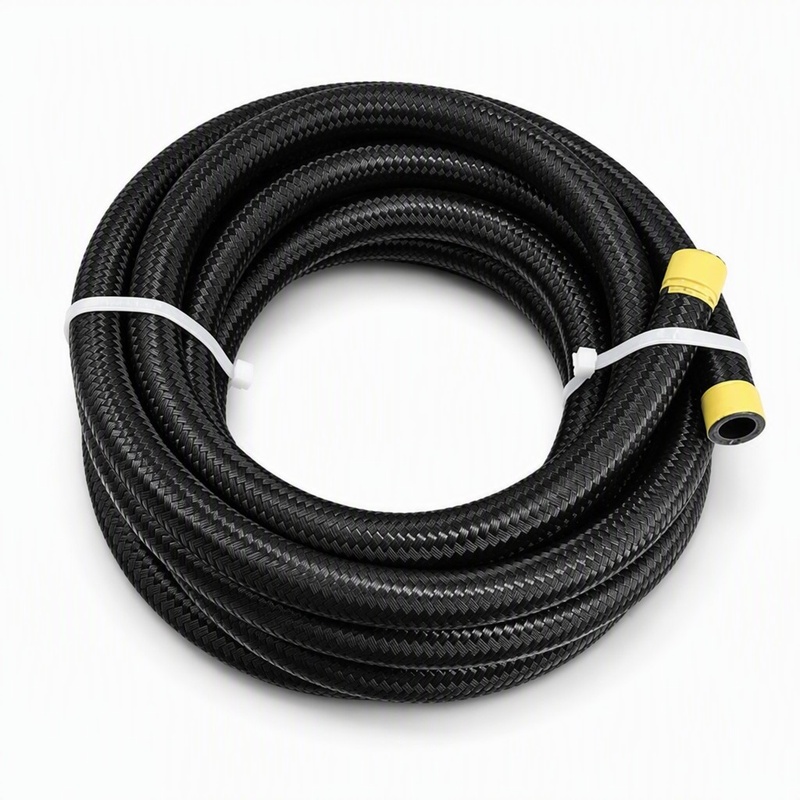
Modern radiator hose design combines multiple material layers to achieve the strength and flexibility needed for demanding engine cooling applications. Each layer serves a specific purpose, from containing fluid pressure to resisting chemical degradation. By learning about radiator hose replacement options and material specifications, you can make informed decisions about maintenance and upgrade choices that extend system reliability.
Primary Rubber and Elastomer Composition
Natural and Synthetic Rubber Blends
The inner core of most radiator hoses consists of natural rubber, synthetic rubber, or a carefully formulated blend of both materials. Natural rubber offers excellent flexibility and temperature resistance, making it ideal for the dynamic conditions inside an engine cooling system. Synthetic rubber compounds, such as EPDM (ethylene propylene diene monomer), provide superior resistance to ozone, UV exposure, and chemical degradation from modern coolant formulations. Many manufacturers blend these materials to balance cost, performance, and environmental durability.
The rubber compound used in coolant hose construction must withstand continuous exposure to temperatures ranging from freezing conditions to over 200 degrees Fahrenheit. Modern synthetic blends are engineered to maintain elasticity across this entire range, preventing brittleness in cold weather and softening in extreme heat. This thermal stability is critical because a compromised rubber layer can lead to coolant leaks and engine overheating, requiring immediate radiator hose replacement.
Reinforcement Layer Structure
Beneath the inner rubber surface lies a reinforcement layer designed to withstand internal coolant pressure and external mechanical stress. This layer typically consists of multiple plies of fabric or cord material, often made from polyester, nylon, or aramid fibers. The reinforcement structure prevents the hose from bulging or rupturing under the elevated pressures generated during normal engine operation. The engine cooling system can reach pressures between 7 and 15 PSI, requiring robust reinforcement to contain these forces safely.
Nylon reinforcement provides excellent tensile strength and resistance to abrasion, making it a popular choice in modern radiator hose designs. Polyester alternatives offer similar structural performance with slightly different chemical resistance profiles. The number and orientation of reinforcement plies directly influence the hose's ability to handle pressure spikes and vibration from engine operation, which is why quality radiator hose replacement products specify their reinforcement layer construction.
Outer Protective Layers and Surface Treatment
Weather Resistance and Chemical Protection
The outer layer of a radiator hose serves as a protective barrier against environmental degradation, UV radiation, and chemical attack from engine compartment fluids. This exterior surface is typically treated with specialized rubber compounds that resist ozone cracking, a common failure mode in older hose materials. UV stabilizers are incorporated into the outer rubber to prevent surface degradation from sun exposure and high engine compartment temperatures. A high-quality radiator hose replacement should include UV-protective additives that extend service life significantly compared to economy alternatives.
The outer layer also protects against contact with oil, transmission fluid, and other fluids commonly present in engine compartments. Modern coolant hose designs use oil-resistant rubber formulations that maintain their structural integrity even if exposed to these substances. This chemical resistance is particularly important in engine cooling systems where hoses may be routed near other fluid reservoirs or mechanical components that could leak.
Radial and Helix Reinforcement Patterns
Advanced radiator hose designs incorporate helical or radial reinforcement patterns rather than simple circular wraps. Helix patterns provide better resistance to bending and kinking, which improves the overall durability of the coolant hose during installation and long-term use. Radial reinforcement reinforces the hose walls from multiple directions, distributing pressure loads more evenly and preventing concentrated stress points. These sophisticated reinforcement patterns distinguish premium radiator hose replacement products from basic alternatives and significantly extend the expected lifespan of the component.
The engine cooling system benefits from hoses with optimized reinforcement geometry because they resist the repeated flexing and vibration encountered during normal operation. A poorly reinforced hose may develop microscopic cracks in the rubber matrix that eventually lead to coolant leaks requiring replacement. Investing in properly engineered reinforcement patterns reduces maintenance frequency and prevents unexpected breakdowns.
Material Standards and Performance Specifications
SAE and OEM Certification Requirements
Radiator hoses must meet stringent industry standards established by the Society of Automotive Engineers (SAE) and original equipment manufacturers. SAE J20 standards specify minimum requirements for hose flexibility, burst pressure, and long-term thermal resistance. Original equipment manufacturer specifications often exceed these minimums to ensure optimal performance in specific engine configurations. When selecting a radiator hose replacement, verifying compliance with applicable SAE and OEM standards ensures you receive a product that meets or exceeds factory performance expectations.
Compliance with these standards involves rigorous testing of the coolant hose materials, including temperature cycling, pressure cycling, and chemical immersion tests. A radiator hose that passes these certifications has demonstrated its ability to perform reliably under real-world engine conditions. OEM specifications sometimes require additional performance criteria specific to particular engine cooling system designs, which is why checking your vehicle's documentation is essential when purchasing replacement hoses.
Temperature and Pressure Ratings
Quality radiator hose materials are rated for specific maximum temperatures and burst pressures that align with engine cooling system capabilities. Most modern radiator hoses are designed to operate safely at continuous temperatures up to 250 degrees Fahrenheit, with short-term peak resistance extending somewhat higher. Burst pressure ratings typically range from 50 to 80 PSI for standard passenger vehicle applications, providing a significant safety margin above normal operating pressures. Understanding these specifications helps you select appropriate radiator hose replacement products for your specific vehicle and driving conditions.
The engine cooling system design determines the specific temperature and pressure requirements for your hoses. Heavy-duty applications, performance vehicles, or vehicles operated in extreme climates may require radiator hoses with higher temperature ratings. Selecting a coolant hose rated for conditions matching or exceeding your vehicle's requirements ensures long-term reliability and prevents premature failure.
FAQ
What rubber materials are most commonly used in modern radiator hoses?
Modern radiator hoses primarily use EPDM synthetic rubber, natural rubber, or proprietary blends of both materials. EPDM provides superior resistance to modern coolant chemistry and environmental exposure, while natural rubber offers excellent flexibility. Most manufacturers combine these materials to achieve optimal balance between cost, durability, and thermal performance in the engine cooling system.
How often should you replace radiator hoses based on material degradation?
Radiator hose replacement is typically recommended every 4 to 6 years or 30,000 to 50,000 miles, depending on vehicle usage and climate conditions. Material degradation occurs gradually as rubber compounds lose elasticity from repeated thermal cycling and exposure to coolant chemicals. Inspecting hoses for cracks, bulging, or softness can help determine if earlier radiator hose replacement is necessary than manufacturer guidelines suggest.
Do all radiator hoses use the same material composition and reinforcement?
No, radiator hose designs vary based on specific engine cooling system requirements and manufacturer engineering preferences. Upper hoses often use different reinforcement patterns than lower hoses due to different pressure and temperature profiles. Custom coolant hose applications may incorporate specialized materials for unique thermal or chemical resistance requirements, which is why selecting the correct radiator hose replacement for your specific vehicle model is critical.
 EN