 EN

what-materials-can-a-hydraulic-crimping-machine-handle, what-materials-can-a-hydraulic-crimping-machine-handle, /news
EN
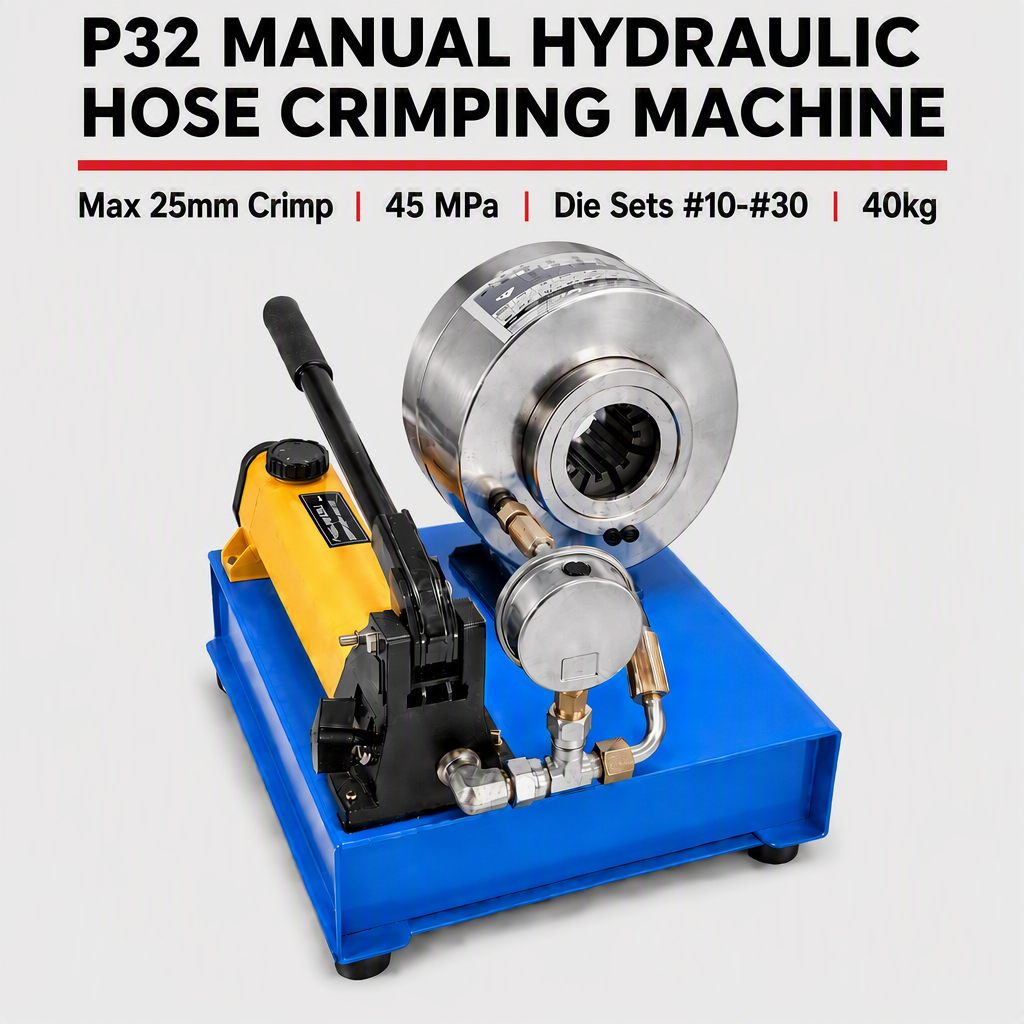
A hydraulic crimping machine is an industrial workhorse designed to join components through precise pressure application. Understanding what materials this equipment can handle is essential for selecting the right tool for your operational needs. The versatility of a hydraulic crimping machine extends across multiple industries, from fluid power systems to electrical applications, making it a critical investment for facilities that require consistent, reliable crimping performance across diverse material types.
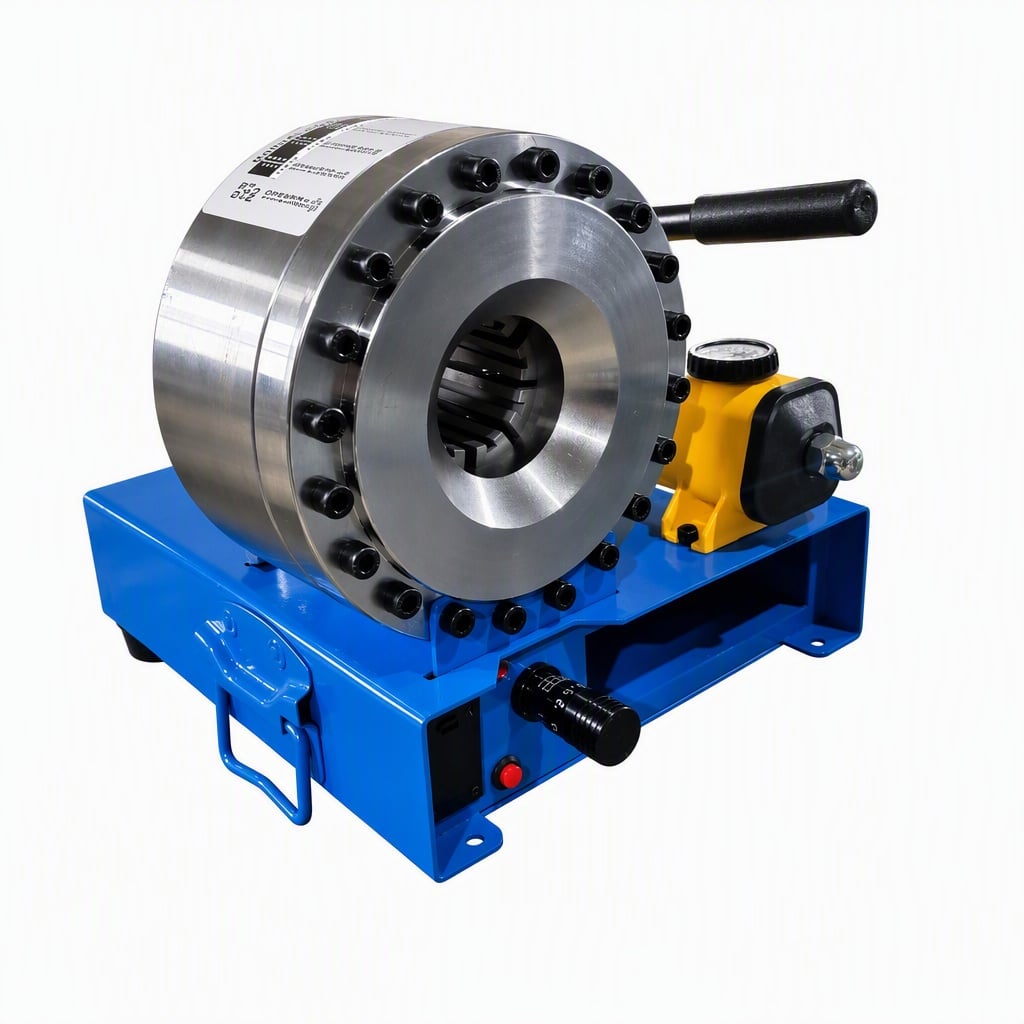
Hydraulic crimper tools operate by exerting controlled force to compress ferrules, sleeves, or connectors onto cable or hose assemblies. The pressure generated by hydraulic systems allows operators to work with materials that resist manual or mechanical crimping methods. Whether you are working with steel wire rope, composite hose, or specialty connectors, a quality crimping press equipment system provides the force necessary to achieve consistent, repeatable results that meet industry standards and customer specifications.
Steel wire rope represents one of the most common applications for hydraulic crimper tool systems in industrial settings. The high tensile strength of steel demands substantial crimping force, which only hydraulic equipment can reliably deliver. A hydraulic crimping machine excels at creating permanent connections on wire rope diameters ranging from small pilot lines to heavy-duty load-bearing cables used in lifting, rigging, and suspension applications. The crimped connection must withstand the full rated strength of the wire rope, making precision and consistency non-negotiable requirements.
Electrical applications frequently employ copper and aluminum conductors that require crimped connections to cable lugs, terminals, and connectors. A hydraulic crimper tool delivers the exact pressure profile needed to deform these non-ferrous metals without work-hardening or fracturing the conductor strands. Aluminum, being softer than copper, requires slightly different force curves, yet modern crimping press equipment systems accommodate both materials through adjustable pressure settings and interchangeable die configurations. Industrial electrical installations, power distribution panels, and renewable energy systems depend on these reliable metallic crimped connections.
Hydraulic and pneumatic hose assemblies represent a significant material category handled by a hydraulic crimping machine in fluid power operations. Steel braided hose with rubber or synthetic inner tubes must be crimped to steel fittings with precise force to ensure leak-free connections under high pressure. Composite hose materials, including thermoplastic and fluoropolymer blends, also respond well to hydraulic crimping when operators select appropriate dies and pressure settings. The hose fitting crimper technology ensures that the ferrule or nipple deforms uniformly around the hose body, creating metal-to-metal seals that withstand thousands of pressure cycles without degradation.
Stainless steel fittings demand higher crimping force than carbon steel equivalents due to their increased hardness and corrosion-resistant alloy composition. A hydraulic crimper tool system provides the necessary force to crimp stainless steel sleeves, ferrules, and connectors reliably. Industries such as pharmaceutical manufacturing, food processing, and marine applications frequently specify stainless steel components for their durability and corrosion resistance. Crimping press equipment designed for these applications ensures that stainless connections achieve the same pressure integrity and longevity as their carbon steel counterparts, without material degradation or connection failure.
Modern industrial environments increasingly feature composite cables, fiber optic conduit, and hybrid material assemblies that present unique crimping challenges. A hydraulic crimping machine adapts to these applications through specialized dies and adjustable pressure curves that prevent damage to sensitive inner materials while securing outer ferrules and connectors. The controlled force delivery ensures that composite materials, which may be more brittle or temperature-sensitive than traditional metals, receive compression without fracture or separation. This capability positions hydraulic crimper tool technology as essential equipment for aerospace, telecommunications, and advanced manufacturing sectors.
Industrial assemblies often combine dissimilar materials—such as steel cable with aluminum terminals, or copper conductors within stainless steel conduit. A quality crimping press equipment system manages these combinations by applying force profiles calibrated for the specific material pair, preventing over-crimping of softer materials while ensuring adequate deformation of harder components. The hydraulic crimping machine's ability to deliver precise, repeatable pressure across mixed-material assemblies reduces assembly defects and extends equipment lifecycle. This versatility makes hydraulic equipment indispensable in industries where standardized, high-volume assembly operations require consistency across diverse material combinations.
A hydraulic crimper tool can handle both aluminum and copper, but they require different pressure settings and die configurations. Copper is denser and requires higher force, while aluminum, being softer, needs lower pressure to avoid work-hardening. Modern crimping press equipment systems include adjustable controls and interchangeable dies that allow operators to optimize settings for each material type, ensuring reliable connections in both electrical and industrial applications.
The thickness of steel a hydraulic crimping machine can handle depends on the machine's rated force capacity and the specific die set in use. A quality hydraulic crimper tool system typically handles steel thicknesses from thin gauge materials up to heavy-duty wire rope and structural connectors rated for high load applications. Industrial-grade crimping press equipment can accommodate steel ferrules and sleeves up to several millimeters thick without quality loss.
Yes, composite hose materials work well with a hydraulic crimping machine when appropriate dies and pressure settings are selected. Thermoplastic and reinforced hose assemblies require a hose fitting crimper that can apply controlled force without damaging the inner material or reinforcement layers. Operators must use equipment specifically configured for composite materials to ensure durable, leak-free connections that maintain integrity under operational pressure cycles.
