 EN

what-materials-can-a-hydraulic-crimping-machine-process, what-materials-can-a-hydraulic-crimping-machine-process, /news
EN
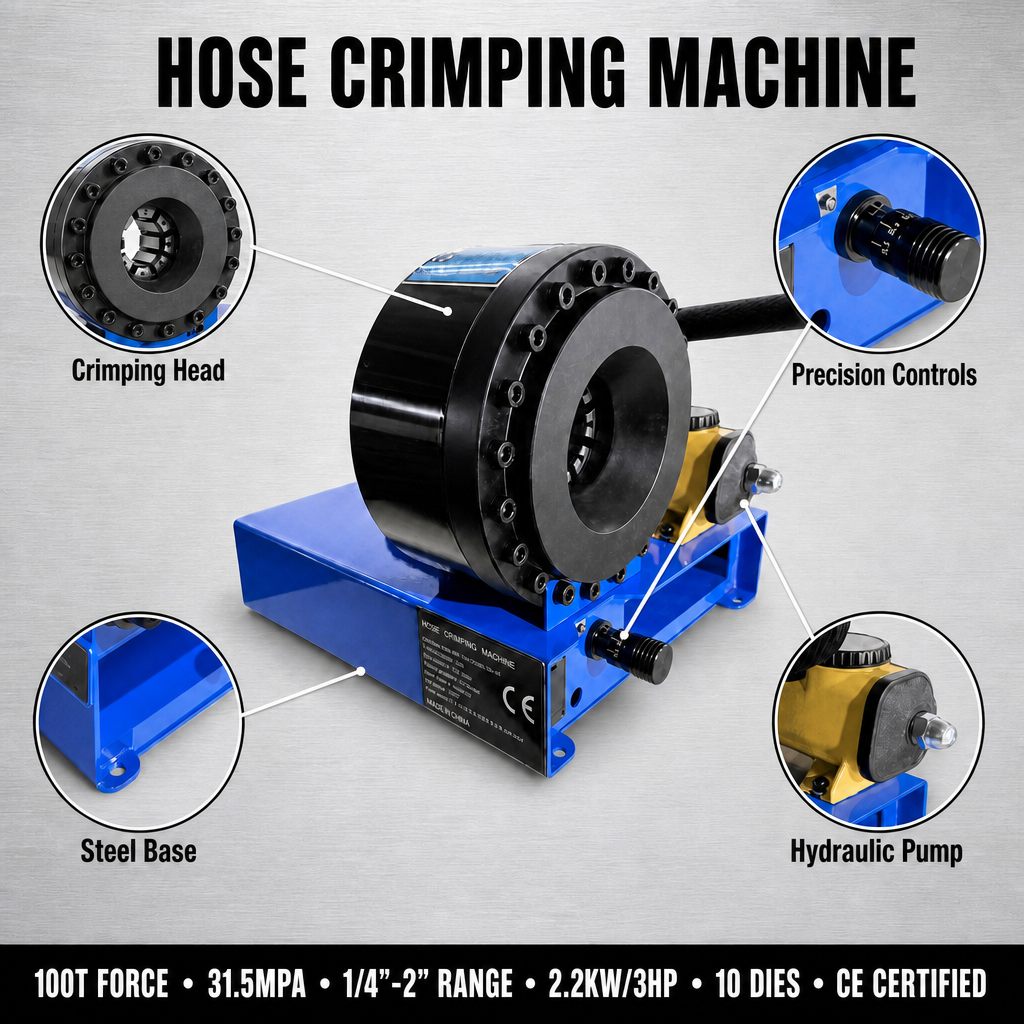
A hydraulic crimping machine represents a critical piece of industrial equipment designed to join hose fittings, cables, and connectors through permanent mechanical compression. Understanding the specific materials a hydraulic crimping machine can process is essential for manufacturers, technicians, and facility managers who rely on these tools for production workflows. The capability to handle diverse material types directly impacts production efficiency, equipment selection, and project outcomes across industries ranging from aerospace to automotive, hydraulic systems, and telecommunications.
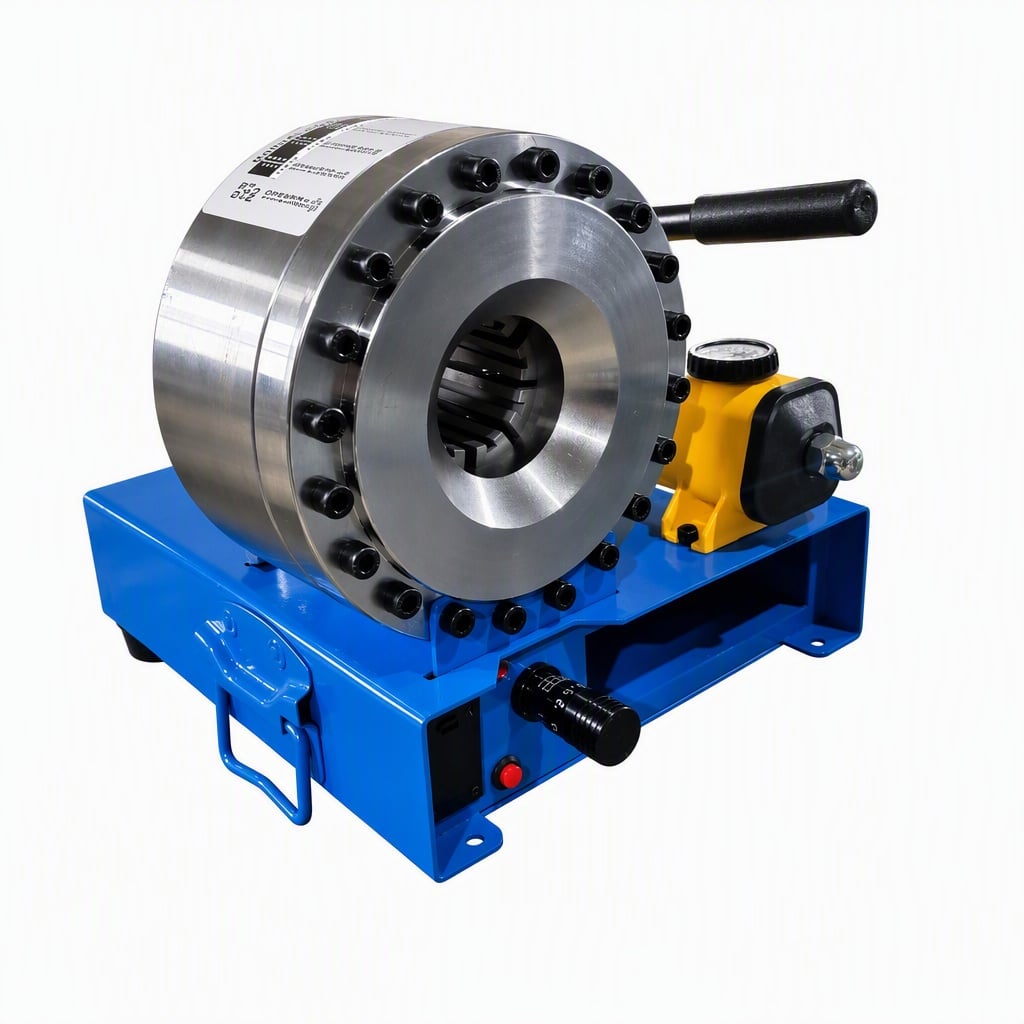
The versatility of a hydraulic crimper tool lies in its ability to apply consistent, controlled pressure to multiple material substrates without damaging the base components. Each material type requires specific die configurations, pressure settings, and handling protocols to ensure dimensional accuracy and mechanical strength. Knowing which materials your crimping press equipment can safely process prevents costly equipment damage, material waste, and quality defects that compromise final product performance.
Brass fittings represent one of the most common materials processed by hydraulic crimper tools across industrial applications. Their corrosion resistance, machinability, and moderate hardness make them ideal candidates for crimping operations. A hydraulic crimping machine applies pressure that deforms the outer ferrule around a hose or tube without creating stress concentrations that compromise the internal passage or fitting integrity. Copper fittings, similarly, respond well to controlled crimping because their ductility allows smooth material flow during compression without cracking or fracturing.
Stainless steel fittings demand higher pressure settings from a hydraulic crimper tool compared to brass alternatives, but they remain highly processable materials in modern crimping press equipment. The superior strength and corrosion resistance of stainless steel make the additional force worthwhile, particularly in marine, chemical processing, and offshore applications. Carbon steel fittings, when properly die-matched to the crimping press equipment, also crimp effectively and provide cost-effective solutions for general industrial hose assemblies. The key consideration is matching the hydraulic crimping machine's maximum pressure rating to the hardness and wall thickness of the specific fitting geometry.
Aluminum terminals represent a significant application area where a hydraulic crimping machine excels due to aluminum's combination of light weight and moderate formability. Electrical cable terminations, automotive wiring harnesses, and aircraft electrical systems rely on aluminum terminals for connection points that must withstand vibration, thermal cycling, and mechanical stress. A hydraulic crimper tool applies enough force to compress the terminal sleeve firmly around the cable strands without over-compressing and weakening the connection. The material's low density makes aluminum an economical choice while the hose fitting crimper processes these components reliably across high-volume production schedules.
Copper lugs and tinned copper terminals demonstrate excellent compatibility with crimping press equipment because of copper's superior electrical conductivity and corrosion resistance. These components are standard in power distribution systems, telecommunications infrastructure, and renewable energy installations where connection reliability is non-negotiable. The hydraulic crimping machine's consistent pressure ensures uniform deformation around the cable bundle, creating low-resistance electrical connections that meet industry standards. Tinned copper variants benefit from the tin coating's protective properties while remaining fully processable by a hydraulic crimper tool without surface degradation.
Modern crimping press equipment increasingly processes reinforced polymer and composite materials designed for lightweight applications in aerospace and automotive sectors. These materials require careful pressure calibration because excessive force can damage the composite structure or cause delamination. A properly configured hydraulic crimping machine achieves the required compression ratio while preserving the material's structural integrity and mechanical properties. Polyester and phenolic resin-based sleeves represent the primary composite materials processed, offering weight savings compared to traditional metal alternatives while maintaining adequate strength for their intended applications.
Certain industrial applications require a hydraulic crimper tool to process elastomeric sealing rings, rubber gaskets, and composite seals integrated into fitting assemblies. These soft materials demand significantly lower pressure settings than rigid metals, and operators must use specialized dies designed to compress the elastomer without extrusion or permanent set degradation. The hydraulic crimping machine's pressure control capability proves essential here, allowing technicians to apply just enough force to create a mechanical lock without compromising the seal's elastic recovery. Applications in hydraulic systems, pneumatic equipment, and fluid power circuits routinely employ this capability.
Complex industrial assemblies often combine multiple material types into single components, requiring the hydraulic crimper tool to process layered metal-composite or metal-elastomer combinations. A hydraulic crimping machine with adjustable pressure and multiple die options can handle these hybrid materials by applying differentiated force to each layer based on its mechanical properties. For instance, an aviation hydraulic connector might combine aluminum bodies with stainless steel inserts and PTFE sealing elements, all requiring simultaneous crimping through a single operation. This multi-material processing capability reflects the maturity and flexibility of modern crimping press equipment in supporting advanced manufacturing.
Yes, a hydraulic crimper tool can process titanium fittings, though they require substantially higher pressure than standard brass or copper materials due to titanium's exceptional strength and low ductility. Specialized dies designed for titanium geometry and pressure settings exceeding those of standard crimping press equipment are necessary to achieve proper compression without damaging the fitting or the hydraulic crimping machine. Titanium applications appear primarily in aerospace and high-performance marine systems where the material's strength-to-weight ratio justifies the additional processing complexity.
Most hydraulic crimper tool models process ferrules and fittings with wall thicknesses ranging from 0.035 inches to 0.250 inches, though crimping press equipment specifications vary by manufacturer and model. Thicker materials require dies with larger compression ratios and higher pressure capabilities, potentially necessitating equipment upgrades. Material type and hardness also influence the practical thickness limit, with softer materials like aluminum processable at greater thicknesses than hardened stainless steel using the same hydraulic crimping machine.
Brittle materials such as cast iron, certain ceramics, and hardened tool steel typically cannot be processed by a hydraulic crimper tool because they fracture rather than deform under compression. Additionally, materials with very thick cross-sections or unusual geometries may exceed the pressure or geometric capabilities of available crimping press equipment. High-strength alloys like Inconel and certain titanium variants sometimes require specialized equipment or alternative joining methods beyond the standard hydraulic crimping machine's operational envelope.
