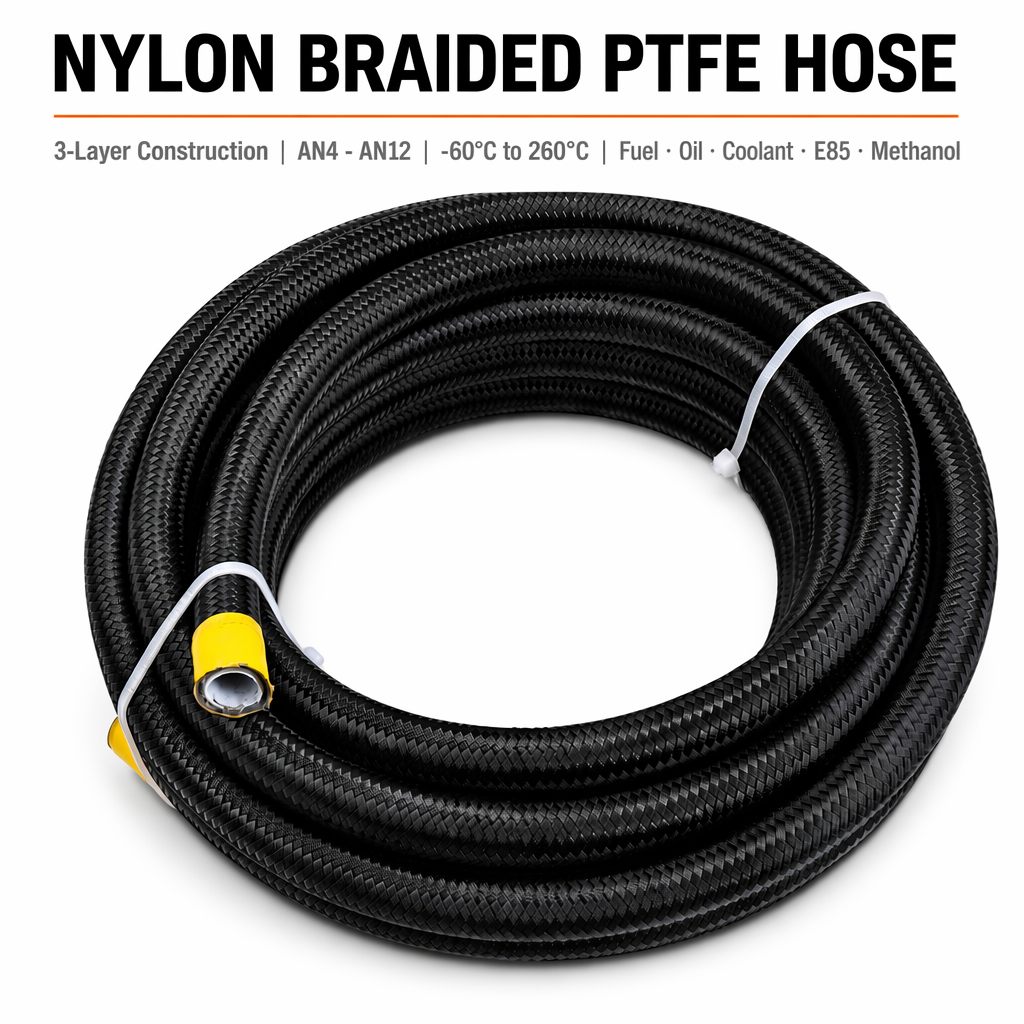
PTFE braided hose systems represent a critical component in high-performance fluid transfer applications across industrial, automotive, and chemical processing sectors. Understanding the material composition of these systems is essential for selecting the right solution for demanding operational environments. The construction of a PTFE braided hose involves multiple precisely engineered layers, each contributing specific functional properties that ensure reliability, safety, and longevity. Whether you are specifying equipment for aerospace applications, semiconductor manufacturing, or aggressive chemical handling, knowing what materials compose these hoses enables better decision-making and superior system performance.
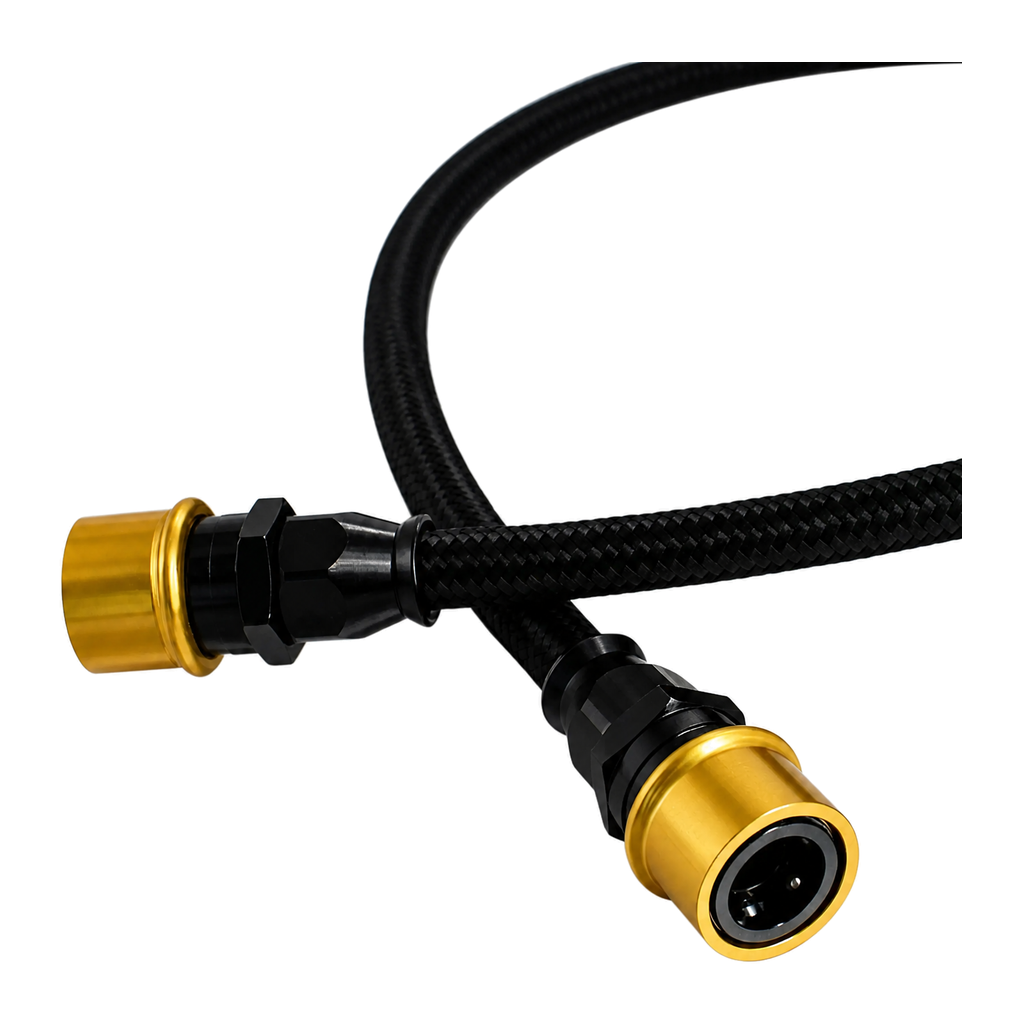
A ptfe braided hose is fundamentally a composite structure combining a fluoropolymer core with an external braided reinforcement layer. The inner core is manufactured from pure polytetrafluoroethylene (PTFE), commonly known as Teflon, which provides the chemical resistance and low-friction characteristics that make these hoses invaluable in corrosive environments. The outer braided layer typically consists of stainless steel wire or specialized synthetic fibers that provide tensile strength and burst pressure resistance. This dual-component design creates a hose assembly that balances the exceptional chemical inertness of fluoropolymer materials with the mechanical robustness necessary for high-pressure applications.
Core PTFE Material Properties and Function
Polytetrafluoroethylene as the Primary Barrier
The inner tube of any teflon braided tubing is composed of virgin or high-purity PTFE resin, which is molded into a precise cylindrical form. PTFE exhibits remarkable chemical compatibility with virtually all industrial fluids, including aggressive solvents, caustic solutions, and specialized process chemicals. This fluoropolymer hose assembly design ensures that the fluid pathway remains inert and uncontaminated throughout the hose lifespan. The molecular structure of PTFE creates a non-reactive surface that prevents degradation even under extreme chemical exposure, making it ideal for semiconductor manufacturing, pharmaceutical processing, and petrochemical applications where material compatibility is non-negotiable.
Low-Friction Characteristics and Fluid Dynamics
Beyond chemical resistance, the ptfe reinforced hose inner surface provides exceptional low-friction properties that reduce pressure drop and improve system efficiency. The smooth, slippery nature of PTFE minimizes fluid turbulence and allows higher flow rates at lower operational pressures compared to conventional rubber or thermoplastic hoses. This efficiency gain translates to reduced energy consumption, lower pump wear, and extended equipment lifespan. In applications requiring precise fluid metering or where pressure loss must be minimized, the friction-reducing characteristics of fluoropolymer materials deliver measurable operational and economic benefits.
Reinforcement Materials and Structural Integrity
Braided Stainless Steel Reinforcement
The external braided layer of a teflon braided tubing assembly most commonly consists of 304 or 316-grade stainless steel wire woven in a tight, diagonal pattern. This braided stainless steel construction provides the primary structural strength, allowing the hose to withstand high burst pressures while maintaining flexibility for routing and installation. The braiding angle and wire diameter are precisely engineered to balance burst pressure capacity with bend radius compatibility. Stainless steel reinforcement also protects the underlying PTFE core from abrasion, external damage, and UV exposure, extending the functional service life of the ptfe reinforced hose in industrial environments.
Alternative Reinforcement Options
Some fluoropolymer hose assembly designs employ synthetic fiber braiding, such as aramid or polyester, in applications where weight reduction or electrical conductivity requirements are critical. These alternative materials offer lower density and can be engineered for improved flexibility compared to stainless steel. However, synthetic braiding typically provides lower burst pressure ratings and reduced abrasion resistance. The choice between stainless steel and synthetic reinforcement depends on specific application requirements, environmental conditions, and pressure ratings. For most demanding industrial applications, stainless steel braiding remains the preferred choice due to its superior durability and pressure performance in the ptfe braided hose category.
Assembly Components and Secondary Materials
Fittings, Adapters, and Connection Points
A complete teflon braided tubing assembly includes carefully selected fittings and adapters that must exhibit equal or superior corrosion resistance to the hose itself. Stainless steel 316L fittings are standard in most premium applications, providing sealing surfaces and connection interfaces that maintain system integrity under pressure and temperature cycling. Some specialized fluoropolymer hose assemblies incorporate brass components with protective coatings or alternative materials like titanium in ultra-aggressive environments. These secondary components are designed to prevent galvanic corrosion, ensure leak-free operation, and accommodate the thermal expansion characteristics of PTFE materials.
Sealing Elements and Temperature Performance
The ptfe reinforced hose incorporates PTFE-based or compatible sealing elements at connection points, often using specialized packing materials that maintain effectiveness across the full operational temperature range. PTFE glands and backup rings provide superior sealing performance compared to conventional elastomeric materials in high-temperature applications. The thermal properties of PTFE allow these hose systems to operate continuously from cryogenic temperatures below -200°C to elevated service temperatures approaching 260°C, depending on specific formulation and design parameters. This broad temperature capability makes fluoropolymer hose assemblies suitable for diverse industrial processes where temperature stability is essential for system performance and safety.
Manufacturing Standards and Quality Considerations
Premium ptfe braided hose products are manufactured according to strict international standards including FDA, NSF, and industry-specific certifications that verify material purity, burst pressure ratings, and chemical compatibility. The production process involves precision extrusion of the PTFE core followed by automated braiding of the reinforcement layer to exact specifications. Quality control testing includes burst pressure validation, leak detection, and chemical compatibility verification to ensure each hose assembly meets performance expectations. Understanding these manufacturing standards and quality metrics helps specify hose systems that deliver reliable performance and minimize risk of system failures in critical applications.
FAQ
What makes PTFE a superior choice for chemical-resistant hose systems?
PTFE exhibits exceptional inertness due to its carbon-fluorine bond structure, which resists degradation from virtually all industrial chemicals, solvents, and caustic agents. This chemical immunity, combined with low-friction surface properties and wide temperature tolerance, makes ptfe braided hose the preferred material for demanding process applications where conventional rubber or thermoplastic hoses would fail or require frequent replacement.
How does braiding material affect the performance of PTFE reinforced hose assemblies?
The braiding material directly influences burst pressure capacity, flexibility, weight, and environmental resistance of the teflon braided tubing. Stainless steel braiding provides superior pressure ratings and durability for permanent installations in harsh industrial environments, while synthetic fiber options offer weight savings and improved bendability for aerospace and portable equipment applications. The braiding density and wire diameter also control the hose's ability to handle pressure spikes and resist abrasion from external contact.
Can fluoropolymer hose assemblies be used in extreme temperature applications?
Yes, PTFE maintains its chemical resistance and structural properties across an exceptionally broad temperature range, typically from -200°C to +260°C depending on the specific formulation and pressure rating. This temperature tolerance makes fluoropolymer hose assembly solutions ideal for cryogenic liquid transfer, high-temperature industrial processing, and aerospace applications where conventional materials would become brittle or lose sealing effectiveness.
 EN