 EN

what-pressure-can-high-pressure-hoses-safely-withstand, what-pressure-can-high-pressure-hoses-safely-withstand, /news
EN
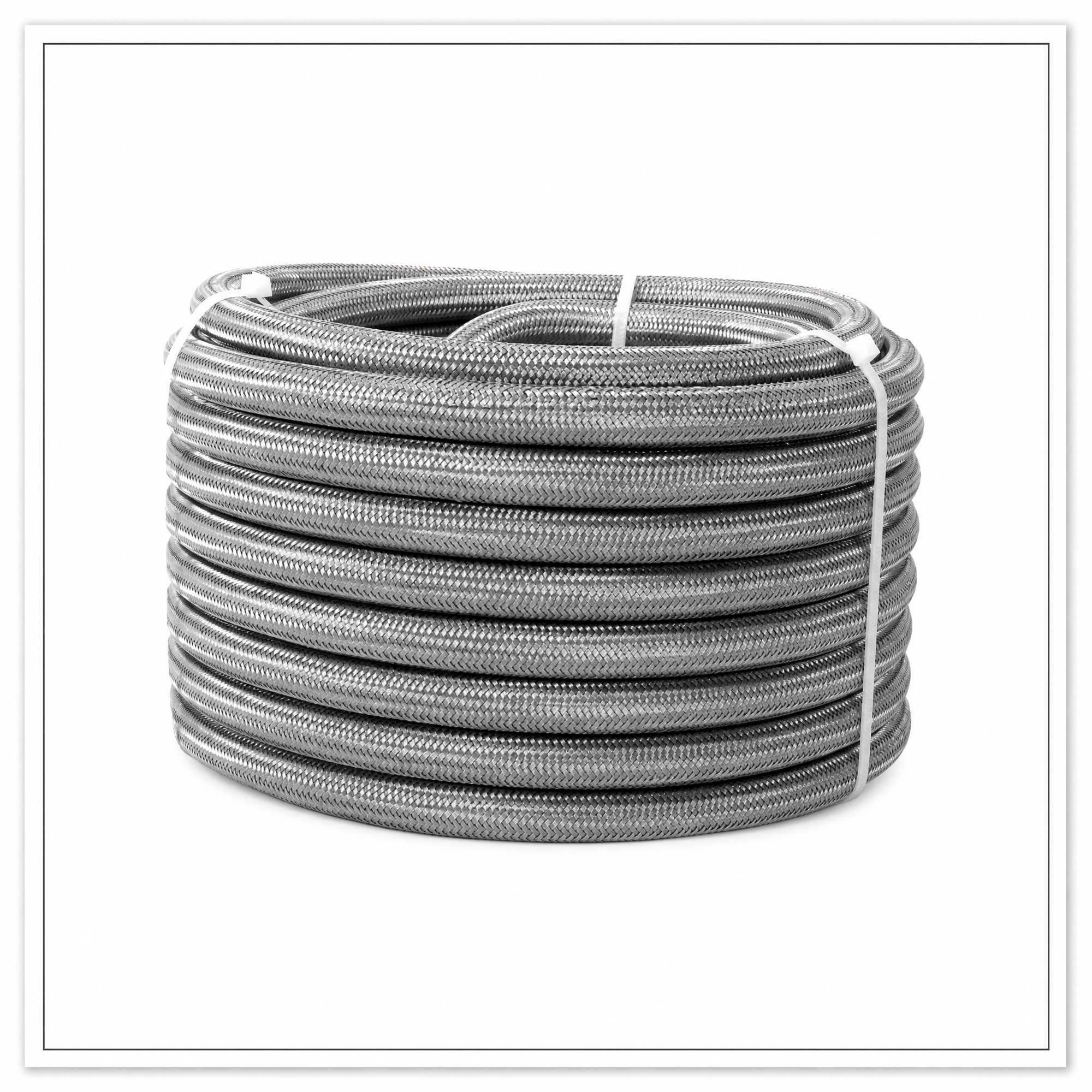
Understanding the safe pressure limits of a high pressure hose is critical for industrial, automotive, and hydraulic applications. Every hose system has a maximum working pressure rating that cannot be safely exceeded without risking catastrophic failure. This pressure capacity depends on hose design, wall thickness, internal reinforcement, and material composition. Selecting the correct hose means understanding not just the nominal working pressure, but also the burst pressure safety margins, temperature effects, and application-specific demands that determine real-world reliability.
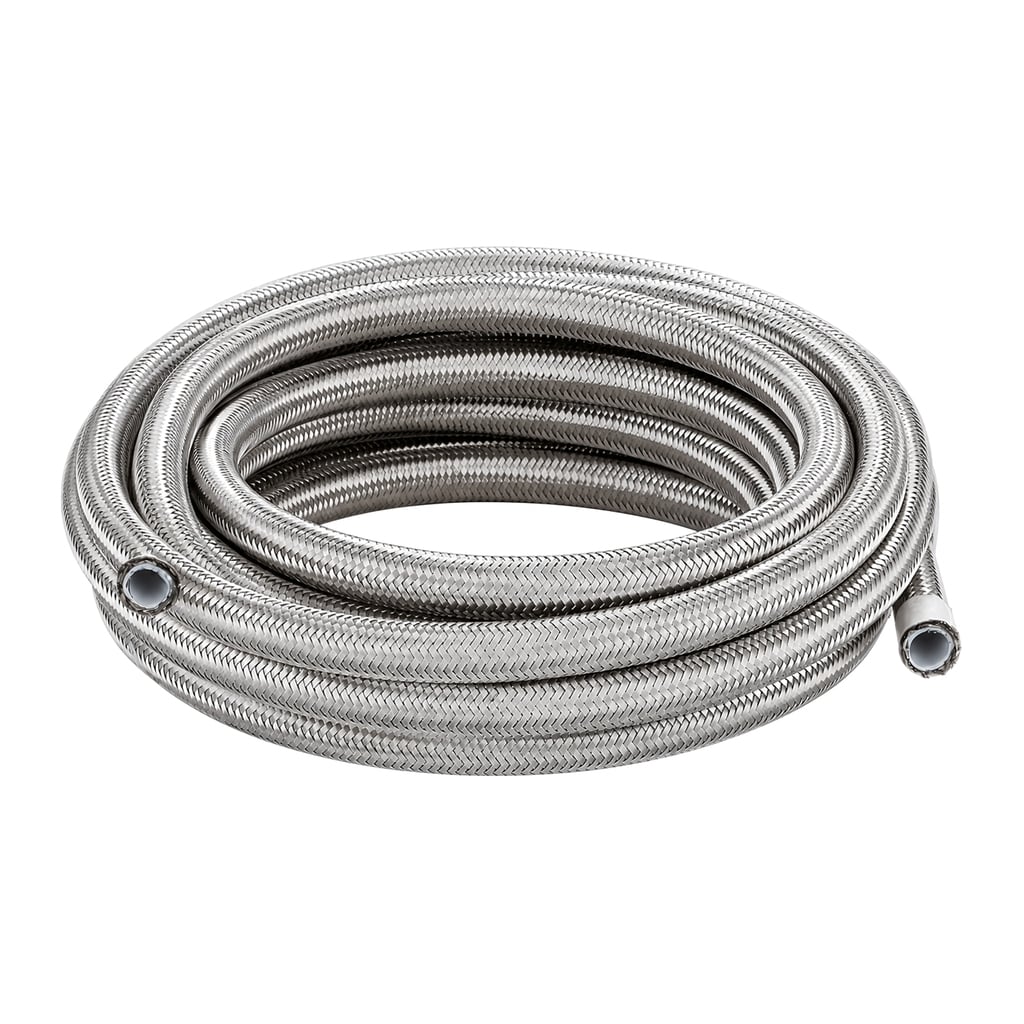
Industry safety standards exist precisely because hose failures can cause injury, equipment damage, and operational downtime. High pressure hose specifications vary widely across different industries and fluid types. A hose rated for 3000 PSI hydraulic oil may not be suitable for cryogenic gases or corrosive chemicals at the same pressure. Understanding pressure ratings, material capabilities, and failure mechanisms helps engineers and technicians choose high pressure hose applications correctly and maintain systems safely throughout their operational lifespan.
Maximum working pressure represents the sustained pressure at which a high pressure hose can operate safely under normal conditions. This rating is determined by the hose manufacturer through rigorous testing and is typically stamped on the hose jacket or documentation. The maximum working pressure is typically set at one-quarter of the hose's burst pressure, creating a substantial safety margin. For example, a hose with a 5000 PSI burst rating would have a maximum working pressure of approximately 1250 PSI. This conservative ratio ensures that even minor wear, temperature fluctuations, or unexpected pressure spikes do not push the hose beyond its safe operating envelope.
Burst pressure is the destructive test pressure at which a hose fails under laboratory conditions with no safety margin. High pressure hose materials and construction methods determine burst capacity, which can range from 2000 PSI for light-duty applications to 10000 PSI or higher for extreme industrial uses. The difference between maximum working pressure and burst pressure exists to account for degradation over time, temperature cycling, abrasion, and unexpected transient spikes. A properly designed high pressure hose system never operates near burst pressure during normal service; the safety factor protects against worst-case scenarios including equipment malfunction or pressure relief system failure.
The internal structure of a high pressure hose directly determines its pressure capacity. Single-wire braid reinforcement provides moderate pressure containment suitable for 2000-3000 PSI applications. Double-wire braid construction increases capacity to 3000-5000 PSI by distributing hose stress across multiple reinforcing layers. High pressure hose specifications for extreme-duty applications often incorporate spiral wire reinforcement, which wraps around the hose in a helical pattern to resist pressure from all directions simultaneously. This construction method enables ratings exceeding 5000 PSI in compact hose diameters. The material composition of reinforcement wire—typically steel or stainless steel—affects both pressure capacity and resistance to corrosion in harsh industrial environments.
The inner tube material must withstand not only pressure but also chemical compatibility with the working fluid. Synthetic rubber compounds used in high pressure hose applications resist degradation from hydraulic oils, water-based fluids, and temperature extremes. PTFE (polytetrafluoroethylene) inner liners provide superior chemical resistance and are often selected for aerospace, racing, and specialty chemical transfer applications where fluid compatibility is critical. The thickness of the inner tube contributes to overall pressure rating; thicker tubes can contain higher pressures but reduce hose flexibility. High pressure hose materials balance pressure capacity, flexibility, weight, and chemical resistance based on specific application requirements and industrial standards.
Temperature significantly affects safe pressure limits in high pressure hose applications. Elevated temperatures reduce the strength of elastomeric materials and wire reinforcement, typically reducing working pressure ratings by 10-20% for every 50°F increase above the rated baseline. Cold temperatures can make hose materials brittle and more susceptible to cracking under pressure cycling. High pressure hose specifications must account for the full operating temperature range, not just ambient conditions. A hose rated at 3000 PSI at 70°F may safely handle only 2400 PSI at 150°F. Thermal cycling—repeated heating and cooling—accelerates material fatigue and can reduce effective lifespan by 30-50% if pressure remains constant throughout temperature swings.
Different fluids impose different demands on high pressure hose materials and performance. Hydraulic mineral oils are standard industrial fluids compatible with most synthetic rubber formulations. Water-based hydraulic fluids require special elastomer compounds resistant to water absorption and swelling. High pressure hose applications involving cryogenic liquids demand materials that remain flexible at extremely low temperatures without becoming brittle. Chemical and corrosive fluids necessitate PTFE or specially formulated liners that resist permeation and degradation. High pressure hose specifications always indicate compatible fluid types; using an incompatible fluid can cause accelerated material breakdown, internal swelling, or tube separation even at pressures below the nominal rating. Equipment manufacturers and hose suppliers provide compatibility charts that match fluid types to hose construction materials.
Regular inspection and periodic pressure testing maintain safe high pressure hose system performance over time. Visual inspection reveals surface cracks, bulges, abrasion damage, or discoloration that indicate internal degradation. High pressure hose specifications require hydrostatic testing at intervals—typically every 5 years or per equipment manufacturer recommendations—to verify that working pressure capacity remains intact. During hydrostatic testing, the hose is pressurized to 150% of its maximum working pressure in a controlled environment to detect any loss of integrity. Systems that show degradation during testing must be replaced immediately; repair is not an option for pressurized hoses. Documentation of inspection and test results provides critical safety records and liability protection.
Correct installation practices ensure that high pressure hose systems achieve their designed pressure ratings safely. Improper hose routing with tight bends causes internal kinking and stress concentration, reducing effective pressure capacity by 30-50% in localized areas. High pressure hose applications require adequate support clamps positioned to prevent vibration and movement during operation; vibration accelerates fatigue cracking and material breakdown. Pressure relief systems must be properly calibrated and regularly tested to prevent accidental overpressure events that could exceed the hose burst pressure. Redundant safety systems in critical applications provide additional protection; for example, dual relief valves set at slightly different pressures ensure that system pressure cannot inadvertently exceed safe limits due to single-component failure.
The standard safety factor for high pressure hose systems is typically 4:1, meaning the burst pressure is four times the maximum working pressure. This 4:1 ratio is established in industry standards including ISO and SAE specifications to account for material degradation, temperature effects, pressure spikes, and manufacturing variability. Some applications with extremely critical safety requirements may use safety factors of 6:1 or higher, requiring even more robust construction and premium materials to handle the same nominal working pressure. The 4:1 factor represents a conservative balance between safety and practical hose selection.
Yes, high pressure hose pressure ratings effectively decrease throughout the hose lifespan due to material fatigue, environmental exposure, and fluid degradation. Pressure cycling causes microscopic cracks to develop in reinforcement wires and elastomer layers, reducing the ultimate burst pressure by 10-15% over typical service life. UV exposure, ozone, and oxidation degrade outer cover materials and can allow moisture penetration that weakens internal components. Chemical interaction between working fluid and hose materials causes swelling or hardening that reduces flexibility and pressure capacity. Regular inspection and periodic hydrostatic retesting help detect when a high pressure hose can no longer safely contain its rated pressure and needs replacement.
Proper selection of high pressure hose specifications requires calculating peak system pressure, including pressure spikes from pump startup, load shock, and pressure relief setting uncertainty. Select a hose rated at least 1.5 to 2 times your maximum anticipated system pressure to allow for safety margin and future operational variations. Verify that the hose materials are compatible with your working fluid and operating temperature range; refer to the manufacturer's compatibility charts. Consider the duty cycle—continuous high-pressure operation requires more robust construction than intermittent use. For critical applications, consult with hose engineers or system designers who can evaluate your specific conditions and recommend appropriate high pressure hose applications with proper pressure ratings and safety margins.
