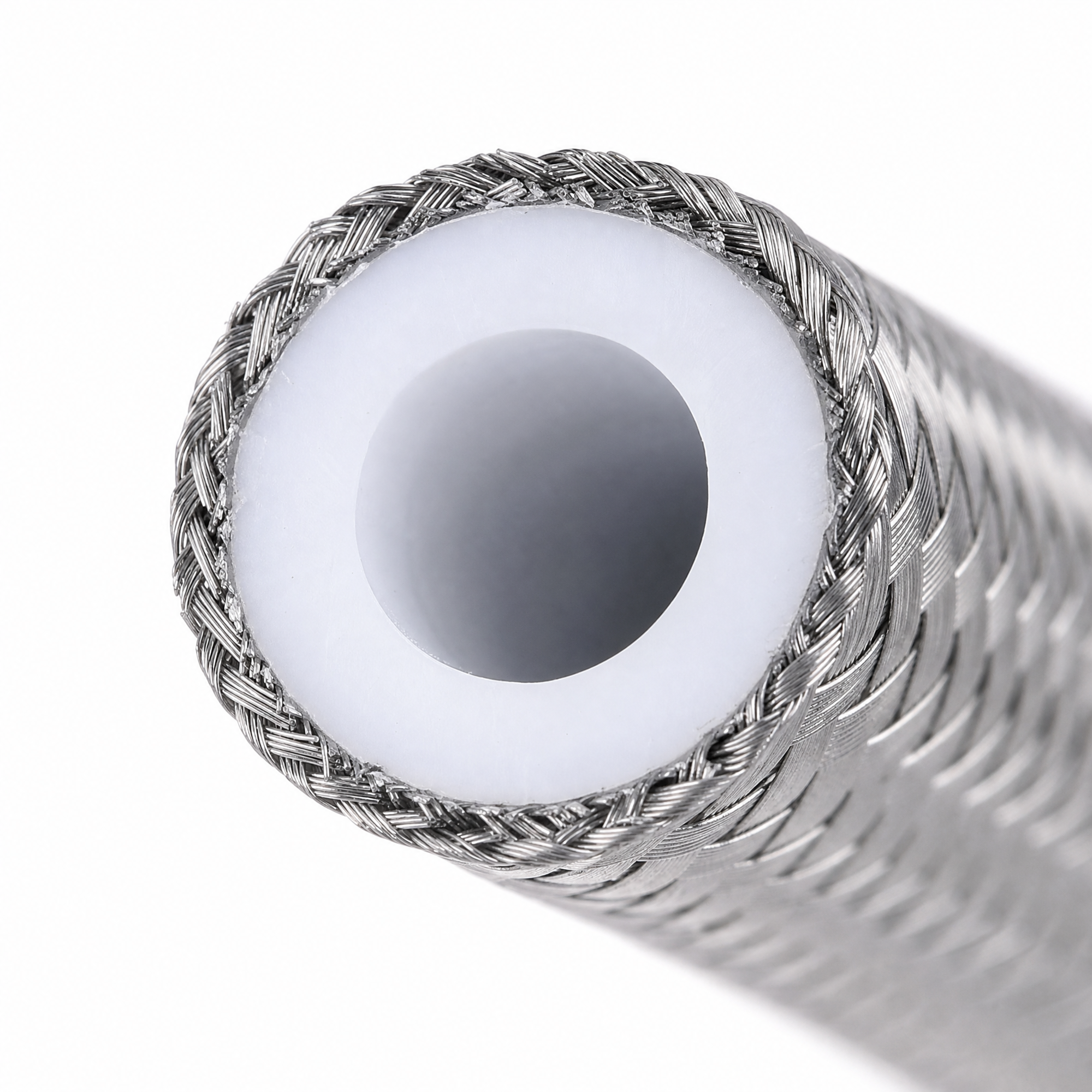
Understanding the pressure limits of a teflon hose is critical for anyone specifying fluid transfer systems in demanding industrial environments. Teflon hoses, also known as PTFE tubing, have become the gold standard for high-temperature and chemically aggressive applications because of their exceptional material properties. However, pressure capacity depends on multiple factors including hose construction, diameter, wall thickness, reinforcement type, and operating temperature. Knowing these limits prevents catastrophic failures, ensures workplace safety, and protects expensive equipment from damage.
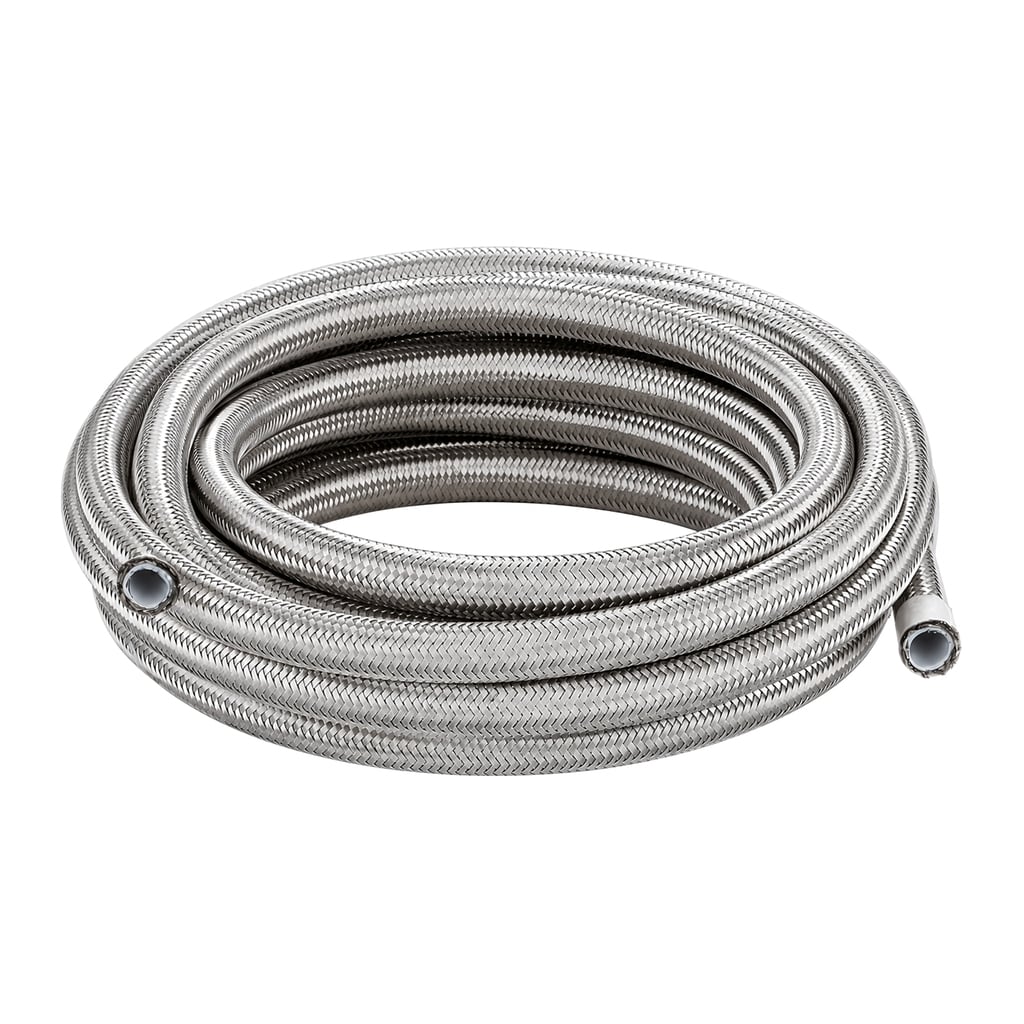
The safe operating pressure of PTFE tubing varies significantly based on construction method and reinforcement materials. Braided teflon hoses typically handle higher pressures than non-reinforced tubing because the external braid distributes load more evenly across the hose wall. Stainless steel braiding, for example, is stronger than nylon or polyester alternatives, allowing fluoropolymer hose assemblies to withstand pressures ranging from 500 PSI to over 6000 PSI depending on specifications. Understanding these relationships helps engineers select the right hose for their specific application without over-specifying or under-specifying pressure ratings.
Pressure Rating Categories for PTFE Tubing
Standard Non-Reinforced Teflon Hoses
Non-reinforced PTFE tubing offers excellent chemical resistance but lower pressure capacity compared to braided alternatives. These hoses typically operate safely at pressures between 100 PSI and 500 PSI, making them suitable for laboratory equipment, cooling systems, and low-pressure instrumentation. Chemical resistant tubing in this category works well for transferring corrosive fluids where pressure demands remain moderate. The lack of reinforcement means the pure fluoropolymer material itself carries the entire load, which limits maximum safe working pressure. Common applications include pharmaceutical systems, research equipment, and low-pressure ventilation lines where chemical compatibility matters more than extreme pressure handling.
Reinforced Teflon Hose Assemblies
Reinforced teflon hose construction dramatically increases pressure capacity by adding woven braid, spiral wrap, or helical wire layers around the core PTFE tubing. Nylon-braided chemical resistant tubing typically safely handles 1000 PSI to 2000 PSI, depending on hose diameter and wall thickness. Stainless steel braided PTFE tubing exceeds these limits significantly, supporting pressures of 3000 PSI to 6000 PSI or higher for smaller diameter applications. The reinforcement material acts as a pressure containment layer, distributing stress evenly and preventing wall rupture. Fluoropolymer hose with double braid construction offers even greater safety margins for the most demanding high-pressure transfer operations.
Factors Affecting Safe Pressure Capacity
Temperature and Pressure Relationship
Operating temperature significantly impacts the safe pressure rating of a teflon hose. PTFE tubing maintains excellent chemical resistance across a wide temperature range, typically from minus 40 degrees Fahrenheit to plus 400 degrees Fahrenheit. However, pressure capacity decreases at elevated temperatures because the fluoropolymer material softens and loses rigidity. A hose rated for 3000 PSI at room temperature might safely handle only 1500 PSI when operating at 350 degrees Fahrenheit. Manufacturers provide derating charts that show pressure reductions as temperature increases, ensuring engineers can select appropriate chemical resistant tubing for hot fluid transfer applications. Ignoring temperature effects is one of the most common causes of hose failure in industrial settings.
Hose Diameter and Wall Thickness Influence
The physical dimensions of PTFE tubing directly influence its pressure-carrying capacity. Smaller diameter hoses with thicker walls relative to their bore size handle significantly higher pressures than larger diameter hoses with proportionally thinner walls. A 1/4-inch stainless steel braided teflon hose might safely operate at 6000 PSI, while a 1-inch diameter hose from the same product line typically rates at 2500 PSI. Wall thickness increases the cross-sectional area available to resist internal pressure forces. Engineers must check manufacturer datasheets carefully because fluoropolymer hose specifications include both rated working pressure and burst pressure. The burst pressure is typically three to four times higher than working pressure, providing a safety margin for unexpected surges or pressure spikes.
Chemical Compatibility and Pressure Performance
Selecting Chemical Resistant Tubing for Harsh Environments
One of the primary reasons engineers choose teflon hose over rubber or thermoplastic alternatives is superior chemical compatibility. PTFE tubing resists virtually all industrial chemicals including strong acids, bases, solvents, and reactive gases. This chemical resistant tubing performs reliably with corrosive fluids that would degrade standard rubber hoses within days or weeks. However, chemical attack combined with pressure stress can accelerate material degradation, requiring more conservative pressure ratings. A fluoropolymer hose handling concentrated sulfuric acid at moderate temperature may need lower operating pressure than the same hose carrying water. Always consult compatibility matrices and consider both the chemical being transferred and the pressure load when selecting appropriate PTFE tubing.
Real-World Pressure Application Scenarios
Industrial applications demand that teflon hose pressure ratings match actual system requirements precisely. In semiconductor manufacturing, chemical resistant tubing must carry corrosive chemicals at pressures up to 500 PSI through precision dispensing systems. Automotive fuel injection systems use PTFE tubing rated for 4000 PSI or higher to handle the intense fuel pressure pulses from modern injectors. Racing applications push fluoropolymer hose technology further, with specialized stainless steel braided assemblies handling peak pressures exceeding 5000 PSI during high-RPM operation. Medical and laboratory equipment typically operates at low pressures, usually under 200 PSI, making standard teflon hose adequate. Choosing pressure ratings too high wastes money, while choosing ratings too low risks catastrophic failure and safety hazards.
Safety Verification and Implementation Best Practices
Testing and Certification Standards
Reputable manufacturers test their teflon hose products against established industry standards to verify safe pressure ratings. The SAE, ISO, and ASTM organizations publish specifications for PTFE tubing that define testing procedures, safety factors, and pressure rating methodologies. Proper certification ensures that a fluoropolymer hose labeled at 3000 PSI truly safely handles that pressure with appropriate safety margins. When specifying chemical resistant tubing, always request documentation of compliance testing and pressure rating calculations. Pressure testing typically involves applying 1.5 to 4 times the rated working pressure for a specified time period without failure. Third-party testing and certification by recognized laboratories adds confidence that your teflon hose selection meets genuine safety standards rather than inflated marketing claims.
Installation and Maintenance Considerations
Even properly rated teflon hose can fail prematurely if installed or maintained incorrectly. Sharp bends, twists, and kinks reduce effective pressure capacity by creating stress concentration points where PTFE tubing can rupture at pressures below rated limits. Proper support prevents excessive vibration that accelerates material fatigue, particularly important in high-pressure fluoropolymer hose applications. Chemical resistant tubing should be inspected regularly for signs of wear, external damage, or leakage. Replace hoses that show discoloration, surface cracking, or swelling, as these indicate degradation that compromises pressure integrity. Maintaining operating pressure below 80 percent of the rated maximum provides additional safety margin for unexpected fluctuations or system surges.
FAQ
What is the typical safe pressure range for standard braided teflon hose?
Standard stainless steel braided teflon hose typically safely operates between 3000 PSI and 6000 PSI depending on diameter and wall thickness. Smaller diameter PTFE tubing generally supports higher pressures, while larger hoses rate lower. Always consult the manufacturer's datasheets for specific pressure ratings based on your exact hose size and reinforcement type.
How does temperature affect the safe working pressure of PTFE tubing?
Elevated temperature reduces safe working pressure because the fluoropolymer material loses rigidity as heat increases. Most manufacturers provide derating charts showing pressure reductions at higher temperatures. At 350 degrees Fahrenheit, a teflon hose might safely handle only 50 percent of its room-temperature pressure rating, requiring significant safety margin adjustments for hot fluid applications.
Can chemical resistant tubing handle pressure surges beyond its rated maximum?
No, fluoropolymer hose can fail catastrophically if pressure exceeds burst limits, even temporarily. Pressure surge protection devices or system relief valves should prevent such occurrences. Always maintain operating pressure well below rated maximums to accommodate normal system fluctuations and provide safety margins for unexpected conditions.
 EN