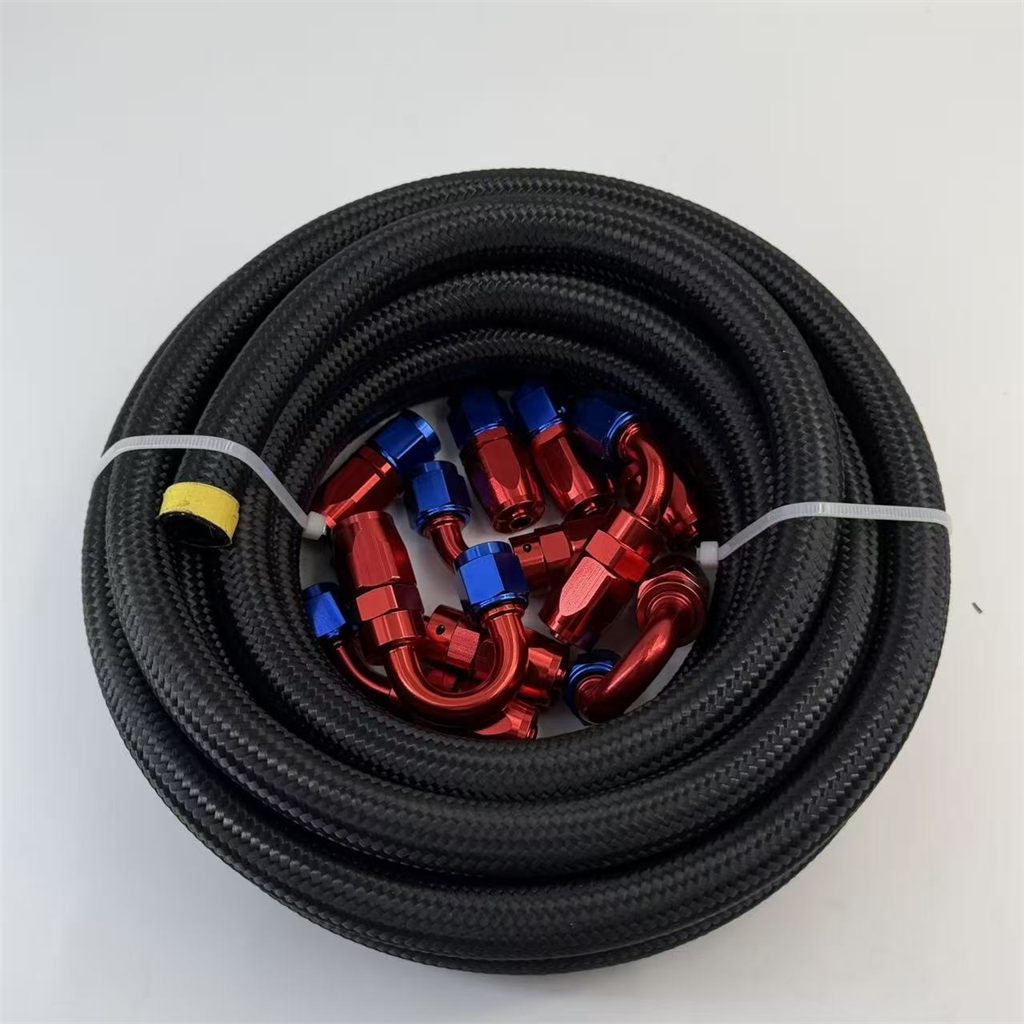
Understanding the pressure ratings that coolant hoses require is essential for maintaining a reliable engine cooling system. These hoses operate under demanding conditions, circulating hot antifreeze fluid between the engine and radiator at varying pressures throughout the vehicle's operating cycle. The wrong pressure rating can lead to hose failure, coolant leaks, overheating, and costly engine damage. Knowing the correct pressure specifications ensures you select hoses that will perform safely and maintain system integrity under all conditions.
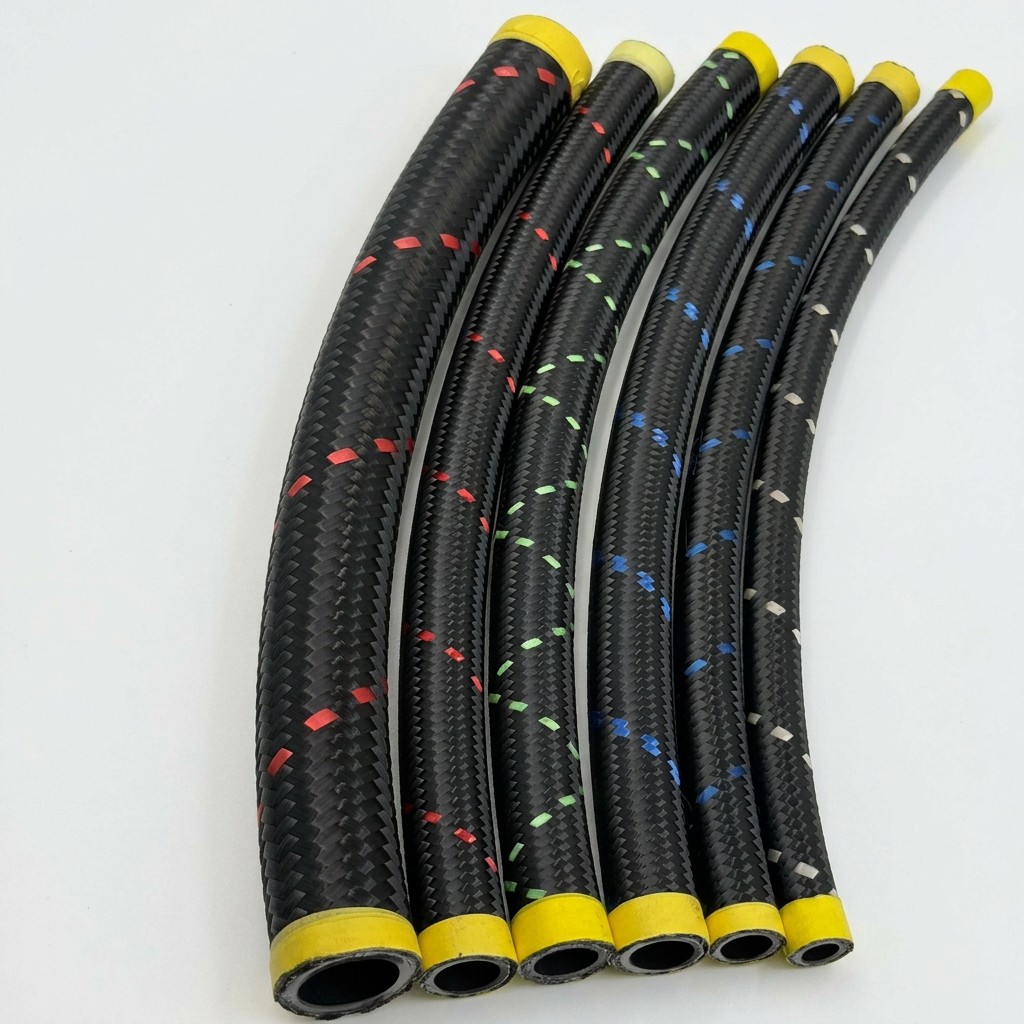
The engine cooling system represents a critical component of vehicle performance, and the integrity of your radiator hose replacement depends directly on pressure rating compliance. Most automotive cooling systems operate between 10 and 16 pounds per square inch (PSI) during normal driving, but peak pressures can reach 20 PSI or higher during extreme heat conditions. Understanding these specifications helps equipment managers, fleet operators, and maintenance professionals make informed decisions about antifreeze hose maintenance and replacement strategies that protect both equipment and operational budgets.
Standard Pressure Rating Specifications
Typical Operating Pressure Ranges
Most passenger vehicles require coolant hoses rated for a minimum of 16 PSI, though commercial and industrial engines often demand higher specifications. The engine cooling system must handle both static pressure during idle conditions and dynamic pressure spikes when the thermostat opens and coolant circulation increases. Upper radiator hoses typically require higher pressure ratings than lower hoses because they directly receive pressurized coolant from the engine block. When you plan a radiator hose replacement, matching the exact pressure rating of the original equipment is critical for long-term reliability and safety.
Industrial and Heavy-Duty Applications
Heavy-duty trucks, industrial equipment, and marine engines often require antifreeze hose maintenance with pressure ratings of 20 to 25 PSI or higher. These systems operate at elevated temperatures and pressures to maximize cooling efficiency under continuous load. The engine cooling system in these applications generates greater heat and stress on components, necessitating reinforced hose construction with multiple synthetic fiber layers. Radiator hose replacement in these contexts demands careful specification review to ensure no compromise in performance or safety margins.
Factors Influencing Pressure Rating Requirements
Engine Type and Operating Conditions
The specific engine architecture, displacement, and intended use directly determine the pressure ratings your coolant hoses must support. High-performance engines producing greater combustion heat place more stress on the engine cooling system, requiring hoses with superior pressure capacity. Vehicles operating in extreme climates face additional demands; hot climates increase coolant temperature and pressure, while cold climates create thermal shock stresses. Your antifreeze hose maintenance schedule must account for these environmental factors when assessing whether existing hose ratings remain adequate for current conditions.
Radiator and Thermostat Design
The radiator design, thermostat calibration, and pressurized cooling system cap all influence the peak pressures that coolant hoses must withstand. Modern vehicles use pressure caps rated between 13 and 18 PSI, which establish the maximum system pressure threshold during normal operation. A properly functioning pressure cap prevents excessive pressure buildup, but if the cap malfunctions or loses integrity, hose pressure ratings become even more critical to prevent rupture. When performing radiator hose replacement, verify the cooling system pressure cap rating to ensure your selected hoses can handle worst-case pressures should the cap fail.
Selection and Maintenance Best Practices
Choosing Hoses with Appropriate Pressure Ratings
Always consult the vehicle or equipment manufacturer's specifications before purchasing replacement hoses for your engine cooling system. The hose pressure rating must match or exceed the original equipment specification; never downgrade to a lower-rated hose as a cost-saving measure. Look for hoses constructed with reinforced synthetic fibers, wire braiding, or spiral winding that indicates enhanced pressure capacity. For radiator hose replacement projects, selecting hoses from manufacturers who publish complete pressure certification and burst pressure data ensures you receive components engineered for your specific application.
Antifreeze Hose Maintenance and Inspection
Regular antifreeze hose maintenance extends hose life and prevents unexpected failures that could damage the engine cooling system. Inspect hoses quarterly for visible cracks, bulges, soft spots, or signs of coolant seepage that indicate pressure rating compromises. Squeeze radiator hoses when the engine is cool to feel for hardness or loss of elasticity, both signals that pressure retention capability has degraded. Replace hoses proactively every four to six years as a preventive measure; even hoses that appear sound may have weakened internal structures that cannot safely sustain rated pressure. Document all radiator hose replacement and inspection dates to maintain organized maintenance records supporting equipment reliability.
FAQ
What happens if coolant hoses have insufficient pressure ratings?
Hoses rated below system requirements will rupture or develop leaks during normal operation, causing coolant loss and engine overheating. The engine cooling system cannot maintain proper fluid circulation, leading to hot spots that warp cylinder heads or crack engine blocks. Additionally, low-quality hoses with inadequate pressure ratings deteriorate faster, requiring more frequent radiator hose replacement and creating unexpected downtime and repair expenses.
How do I determine the correct pressure rating for my specific application?
Consult your vehicle or equipment manufacturer's technical documentation, which specifies the required pressure rating for all engine cooling system hoses. The owner's manual, service guide, or OEM parts catalog provides exact pressure specifications and hose identification numbers. If documentation is unavailable, contact the manufacturer directly or consult a qualified technician who can advise on antifreeze hose maintenance requirements and radiator hose replacement specifications for your equipment.
Can hoses with higher pressure ratings than required be safely used?
Yes, using hoses with pressure ratings higher than required is acceptable and often beneficial for extended durability and reliability. Over-rated hoses provide safety margins that protect against unexpected pressure spikes and offer superior resistance to heat and chemical degradation. However, extremely over-rated hoses may be unnecessarily thick or rigid, potentially complicating installation or affecting engine cooling system flow characteristics. Select hoses rated slightly above minimum requirements for optimal balance between safety, performance, and practical fit.
 EN