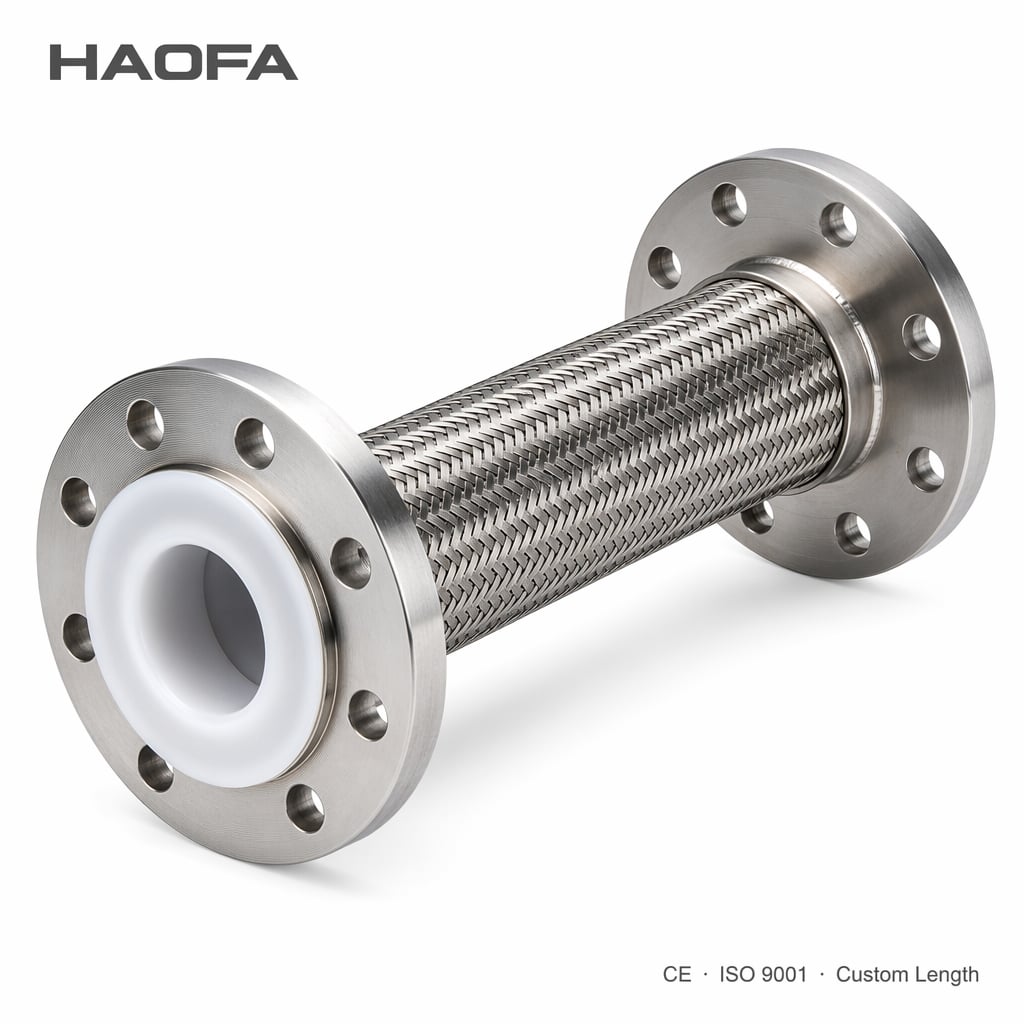
Selecting the correct pressure rating for an industrial hose is one of the most critical decisions in fluid handling system design. Every industrial hose operates under specific pressure conditions, and choosing the wrong rating can lead to catastrophic failures, safety hazards, and costly downtime. Understanding pressure ratings helps engineers, maintenance professionals, and procurement teams specify industrial hoses that meet application demands safely and reliably.
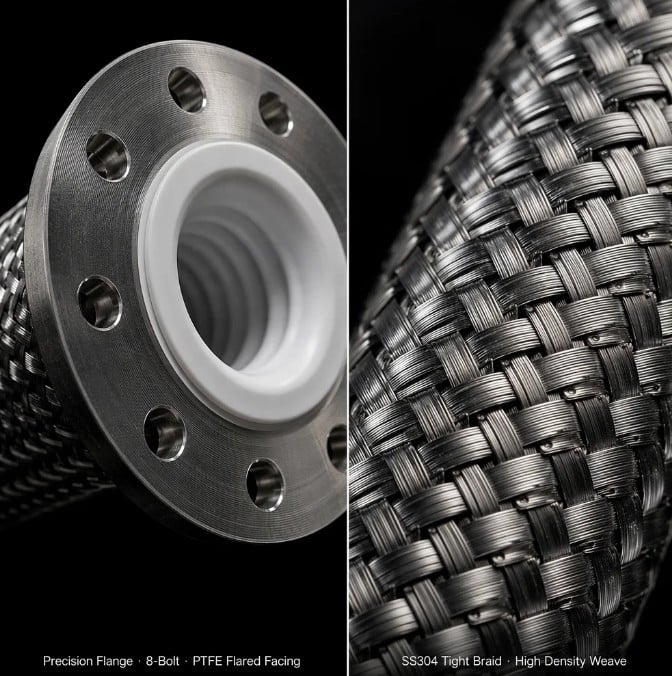
Pressure ratings define the maximum safe working pressure that an industrial hose can sustain without rupture or leakage. These ratings depend on hose construction, material composition, diameter, and intended fluid type. The industrial hose you select must align with your system's peak operating pressures, accounting for pressure spikes and transient conditions.
Understanding Pressure Rating Standards
Industry Classification Systems
Industrial hose pressure ratings follow established standards set by organizations such as SAE (Society of Automotive Engineers), ISO (International Organization for Standardization), and EN (European Norm). These standards ensure that manufacturers classify hoses consistently and that end-users can compare options reliably. A hydraulic hose assembly, for example, typically follows SAE 100R ratings that designate working pressure limits in bars or PSI.
Common rating categories include SAE 100R1, R2, R5, R7, and R12, each designed for specific hydraulic and industrial applications. SAE 100R1 hoses handle general hydraulic service, while higher-rated assemblies support more extreme conditions. Understanding these classification systems helps procurement teams select the right hydraulic hose assembly for their pressure environment without over-specifying or under-protecting equipment.
Burst Pressure Versus Working Pressure
Two critical metrics define hose safety: working pressure and burst pressure. Working pressure is the maximum safe operating pressure recommended by the manufacturer, while burst pressure is the point at which the hose physically ruptures. Safety standards typically require that burst pressure be at least four times the working pressure rating, creating a substantial safety margin. This distinction is essential when evaluating chemical resistant tubing and specialized assemblies that handle corrosive or volatile fluids.
Engineers must never operate an industrial hose near its burst pressure. The four-to-one safety factor accounts for material degradation over time, unexpected pressure spikes, temperature fluctuations, and abrasion. When specifying chemical resistant tubing for harsh environments, this safety multiplier becomes even more important because fluid compatibility and material aging can reduce actual burst strength.
Key Factors Affecting Pressure Ratings
Material Composition and Construction
The inner tube material, reinforcement layers, and cover all influence the pressure capacity of a high pressure hose system. Synthetic rubber tubes can withstand higher pressures than natural rubber, while PTFE-lined tubes offer superior chemical resistance. Reinforcement typically consists of braided wire or textile layers that provide strength and prevent expansion under pressure. Steel braiding increases pressure capacity significantly compared to single-layer hoses.
Multi-layer construction in a high pressure hose system allows engineers to achieve ratings from 250 PSI to over 5,000 PSI depending on the application. A hose with four or six wire braids delivers higher pressure ratings than single-braid designs. Chemical resistant tubing often employs PTFE or elastomer liners combined with specialized braiding to balance pressure capacity with chemical compatibility.
Hose Diameter and Wall Thickness
Smaller diameter hoses generally achieve higher pressure ratings relative to their size, while larger diameter hoses typically operate at lower pressures. Wall thickness is directly proportional to pressure capacity; thicker walls contain pressure more effectively. A quarter-inch industrial hose can be rated for 3,000 PSI, whereas a two-inch hose of equivalent construction might only reach 1,000 PSI. Designers must balance diameter requirements for flow rate against pressure rating constraints.
The relationship between internal diameter and pressure capacity reflects fundamental physics: smaller surface areas experience less total force even at high pressures. When specifying industrial hoses for space-constrained applications, engineers often opt for smaller diameters with higher pressure ratings rather than larger, lower-rated hoses. This trade-off affects cost, weight, and system efficiency.
Temperature and Fluid Compatibility
Operating temperature significantly impacts pressure rating validity. Most industrial hoses have maximum temperature limits between 100°F and 250°F, depending on tube material and fluid type. High temperatures reduce elastomer strength and can cause chemical resistant tubing to soften or degrade. Hydraulic hose assembly manufacturers typically de-rate pressure capacity by 5 to 10 percent for every 50°F increase above standard conditions.
Fluid type affects pressure rating durability as well. Aggressive chemicals, solvents, and thermal fluids can degrade inner tube material over months or years, reducing actual burst pressure below the nominal rating. A high pressure hose system handling corrosive hydraulic fluid requires chemical resistant tubing rated not just for pressure but for the specific fluid being conveyed. Regular inspection and replacement schedules ensure safety even as materials age.
Selecting the Right Pressure Rating for Your Application
Calculating System Requirements
Begin pressure rating selection by identifying the maximum pressure your system will produce under normal and emergency conditions. Pump relief settings, pressure spikes during sudden valve closure, and thermal expansion all contribute to peak pressure. Add a 20 to 30 percent safety margin above peak system pressure to ensure the selected industrial hose rating provides adequate protection. This conservative approach prevents failures during transient events.
Document all connected equipment pressure limits and identify the lowest rating in the circuit; that becomes your system ceiling. A hydraulic hose assembly is only as strong as its weakest connection point. If your pump can reach 3,000 PSI but you connect a 2,000 PSI hose, the hose fails first, potentially causing injury or equipment damage. Pressure rating selection must account for all components and operating scenarios.
Environmental and Operational Considerations
Applications in extreme environments require careful rating adjustments. Outdoor industrial hoses exposed to UV radiation, ozone, and temperature swings may lose pressure capacity faster than hoses in controlled indoor settings. Vibration, abrasion, and mechanical stress also degrade hoses over time, so aggressive duty cycles demand higher initial pressure ratings to maintain safety margins. Chemical resistant tubing used in processing plants faces accelerated aging from chemical exposure and heat.
Maintenance frequency and inspection capability also influence pressure rating decisions. Well-maintained systems with regular pressure monitoring can operate closer to rated limits because operators detect degradation early. Systems with minimal inspection resources should specify higher pressure ratings to extend safe service life. A high pressure hose system in a remote location or continuous-duty application demands more conservative pressure margin than laboratory or intermittent-use equipment.
FAQ
What does a pressure rating on an industrial hose mean?
A pressure rating indicates the maximum safe working pressure that an industrial hose can sustain continuously without rupture or leakage. This rating is established through laboratory testing and follows industry standards. The actual burst pressure is typically four times higher, providing a safety factor that accounts for variations in materials, environmental stress, and aging. Never operate a hydraulic hose assembly above its rated working pressure.
How do I convert between PSI and bar pressure ratings?
One bar equals approximately 14.5 PSI. To convert PSI to bar, divide by 14.5. To convert bar to PSI, multiply by 14.5. Most industrial hose manufacturers list pressure ratings in both units for global applicability. A 3,000 PSI hose is roughly equivalent to 207 bar. When reviewing chemical resistant tubing or high pressure hose system specifications from international suppliers, verify that you are reading the correct unit before making purchasing decisions.
Can I use a hose rated higher than my system pressure?
Yes, selecting a hose with a pressure rating higher than your maximum system pressure is standard engineering practice. Over-specifying pressure rating provides safety margin and extends service life. However, higher-rated hoses are often more expensive and may be unnecessarily thick for your application. A balanced approach specifies a pressure rating 20 to 30 percent above peak system pressure, ensuring safety without excessive cost. Avoid under-rating, as this creates immediate risk of failure.
 EN