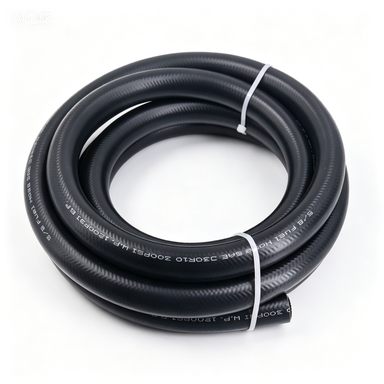
Understanding pressure ratings is critical when selecting an industrial hose for your application. Every industrial hose operates within specific pressure limits, and exceeding these ratings can lead to catastrophic failure, safety hazards, and costly downtime. Pressure ratings determine how much force per unit area the hose can safely withstand, making this knowledge essential for engineers, maintenance teams, and procurement specialists in manufacturing, hydraulics, and fluid transfer industries.
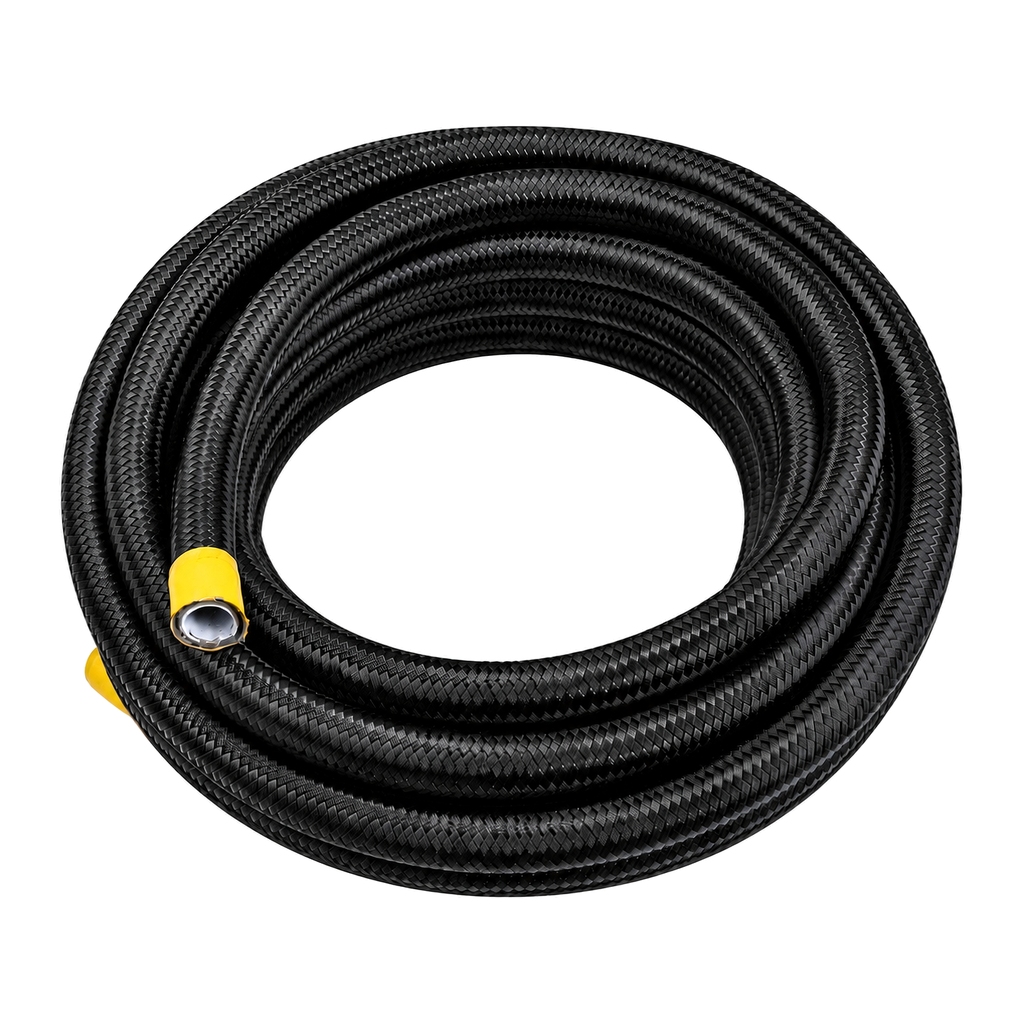
Pressure ratings vary significantly based on hose construction, material composition, and intended use. A hydraulic hose assembly designed for high-pressure systems requires substantially different specifications than chemical resistant tubing used in processing plants. This article explores the pressure ratings across different industrial hose categories, helping you understand how to match the right hose to your system requirements and operating conditions.
Understanding Industrial Hose Pressure Classifications
Standard Pressure Rating Categories
Industrial hoses are classified into pressure categories that reflect their maximum working pressure. Low-pressure hoses typically support pressures below 500 PSI and are used in low-risk applications like general fluid transfer and cooling systems. Medium-pressure hoses handle 500 to 3000 PSI and appear frequently in hydraulic systems, pneumatic lines, and industrial manufacturing environments. High-pressure hose systems exceed 3000 PSI and serve specialized applications in hydraulics, mining equipment, and extreme-duty industrial operations.
Each pressure classification assumes proper installation, maintenance, and usage conditions. The actual safe working pressure of an industrial hose depends on burst pressure, which is typically three to four times higher than the rated working pressure. This safety margin protects against unexpected surges and transient pressure spikes that occur during normal operation. Understanding this ratio helps you select the correct hose for intermittent versus continuous pressure applications.
How Pressure Ratings Are Determined
Pressure ratings for industrial hoses are established through rigorous testing and engineering standards set by organizations like SAE, ISO, and ASTM. Engineers conduct burst tests, cycle tests, and temperature-dependent pressure evaluations to determine safe operating limits. The hose construction materials, reinforcement layers, and internal tube composition all influence final pressure ratings. A Industrial Hose with multiple braided reinforcement layers can support substantially higher pressures than single-layer designs.
Temperature also affects pressure capacity. Most industrial hoses experience reduced pressure ratings at elevated temperatures because material elasticity decreases and structural integrity weakens. Conversely, extremely cold temperatures may cause brittleness. Manufacturers provide temperature-corrected pressure tables so users can apply appropriate derating factors based on actual operating conditions in their specific environment.
Specific Pressure Requirements for Hydraulic and Chemical Systems
Hydraulic Hose Assembly Specifications
Hydraulic hose assemblies represent one of the most demanding categories of industrial hoses. These systems regularly operate at pressures between 2000 and 5000 PSI in mobile equipment, industrial presses, and hydraulic machinery. Construction-grade excavators, loaders, and cranes rely on high-performance hydraulic hose assemblies that maintain integrity under extreme cyclic loading and temperature fluctuations. The hose tubing must resist abrasion, maintain flexibility, and withstand repeated pressure cycles without degradation.
Hydraulic hose assembly pressure ratings depend on tube material and reinforcement configuration. Wire-braid reinforced hoses support higher pressures than spiral-wire designs, though spiral constructions offer enhanced flexibility. Engineers must balance pressure capacity with bending radius requirements because tighter spiral reinforcement restricts flexibility. The coupling and fitting design also influences overall assembly pressure rating, as failures often occur at connection points rather than within the hose itself.
Chemical Resistant Tubing and Pressure Considerations
Chemical resistant tubing handles corrosive, acidic, and solvent-based fluids while maintaining pressure integrity. These hoses typically operate at lower pressures than hydraulic systems because chemical compatibility requirements limit material options. Most chemical resistant tubing supports pressures between 200 and 1000 PSI, depending on the specific chemical being transferred and environmental conditions. Fluoropolymer and elastomer-based tubes provide excellent chemical resistance but may require careful pressure management to avoid premature failure.
Selection of chemical resistant tubing requires matching both chemical compatibility and pressure rating to your application. A high-pressure hose system designed for water or light oil may fail rapidly when exposed to aggressive solvents or concentrated acids. Conversely, oversizing the hose to accommodate extreme chemical resistance may introduce unnecessary cost and reduced system efficiency. Consultation with material specialists helps identify the optimal balance between chemical protection and pressure performance for your specific transfer requirements.
Practical Selection and Safety Guidelines
Matching Pressure Ratings to Your Application
Selecting the appropriate industrial hose requires identifying your maximum system operating pressure and applying a safety factor. Standard practice recommends selecting a hose rated at least four times your peak operating pressure. This approach accounts for pressure spikes, aging effects, and potential degradation over the hose service life. For mission-critical applications where failure creates safety risks or production losses, engineers often apply even higher safety margins.
Record your system specifications including maximum operating pressure, temperature range, fluid type, and duty cycle. Cross-reference these parameters against hose manufacturer data sheets and pressure rating charts. Consider ambient temperature effects, dynamic cycling frequency, and any chemical exposure that might degrade hose materials. High-pressure hose systems serving outdoor equipment experience different thermal stresses than indoor manufacturing applications, influencing appropriate pressure selection.
Maintenance and Pressure Rating Monitoring
Pressure ratings assume the industrial hose remains in good condition. Regular inspection identifies damage, wear, and degradation that reduce actual pressure capacity below manufacturer ratings. Abrasion damage, small leaks, hardening from age, or exposure to incompatible fluids all compromise pressure performance. Establish inspection schedules based on application severity, with critical systems receiving monthly reviews and standard applications inspected quarterly or annually.
Replace hoses proactively rather than waiting for failure. Most industrial hoses should be replaced every four to five years regardless of visible condition because internal degradation may not be apparent from external inspection. High-pressure hose systems and hydraulic hose assemblies deserve more frequent replacement schedules because failure consequences are severe. Chemical resistant tubing exposed to aggressive fluids may need replacement more frequently than estimates suggest, so track performance metrics and adjust replacement intervals accordingly.
FAQ
What does PSI mean in industrial hose pressure ratings?
PSI stands for pounds per square inch, the standard unit measuring pressure in industrial hose applications. It represents the force exerted per unit area of the hose interior. A hose rated for 3000 PSI can safely handle 3000 pounds of force pushing against every square inch of internal surface. Understanding PSI values helps you quickly assess whether an industrial hose suits your application by comparing your system pressure directly to published ratings.
Can I exceed the pressure rating if I need temporary higher pressure?
No, exceeding industrial hose pressure ratings is extremely dangerous and should never be attempted. Even brief excursions beyond rated pressure can cause sudden hose rupture, creating safety hazards including fluid spray, equipment damage, and personal injury. If your system occasionally requires higher pressure than your current hose supports, replace it with a high-pressure hose system rated appropriately for peak conditions. There are no safe exceptions to rated pressure limits.
How do temperature changes affect industrial hose pressure ratings?
Temperature significantly impacts industrial hose pressure capacity. Most hoses experience reduced pressure ratings at elevated temperatures because materials lose elasticity and structural strength. A hose rated for 3000 PSI at 70 degrees Fahrenheit might only support 2400 PSI at 150 degrees. Manufacturers provide temperature derating charts showing pressure reductions across operating ranges. Always apply appropriate temperature corrections when your system operates outside standard conditions, ensuring your industrial hose maintains adequate safety margins throughout the full temperature range.
 EN