 EN

what-pressure-ratings-should-custom-brake-hoses-support, what-pressure-ratings-should-custom-brake-hoses-support, /news
EN
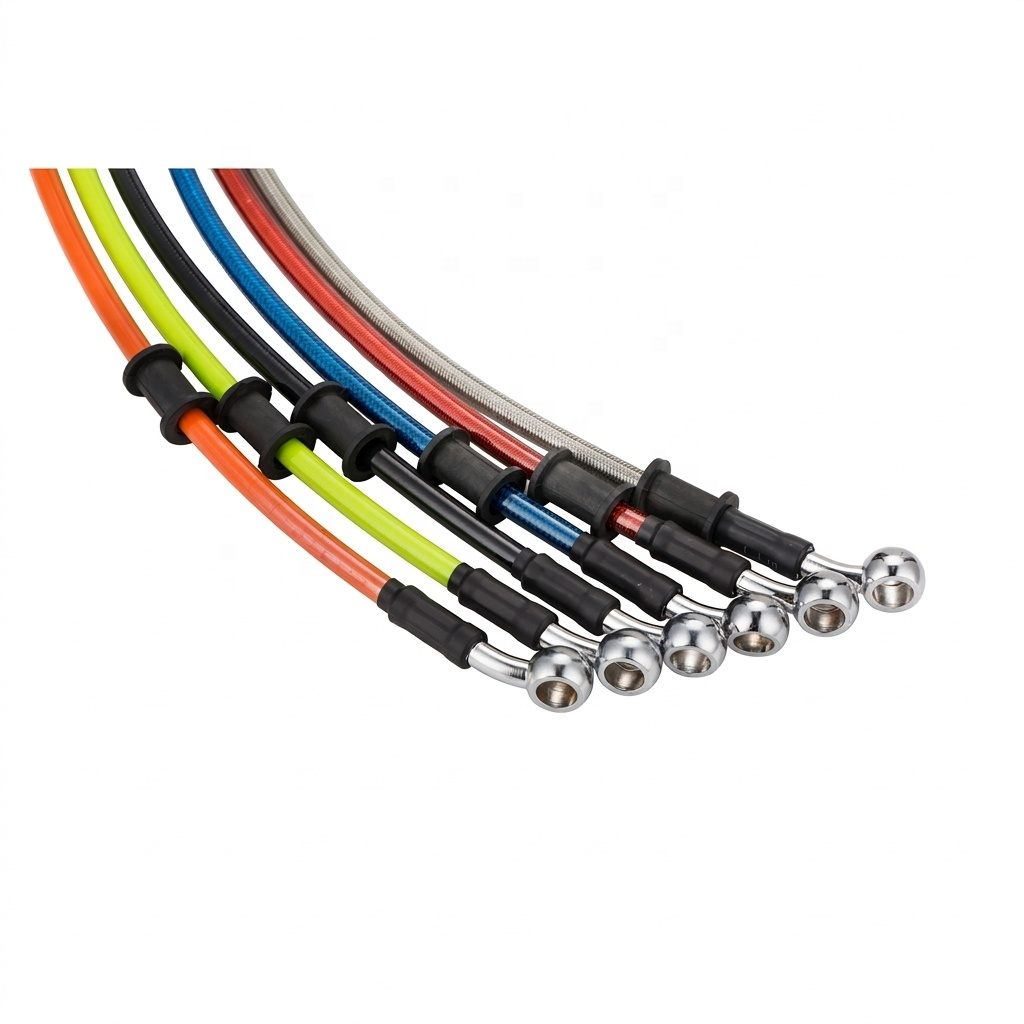
Selecting the right pressure rating for your custom brake hose is one of the most critical decisions in vehicle safety and hydraulic system design. A custom brake hose must withstand extreme pressures generated during braking events while maintaining structural integrity under repeated cycling. Understanding pressure ratings ensures your braking system performs reliably and meets regulatory compliance standards across all operating conditions.
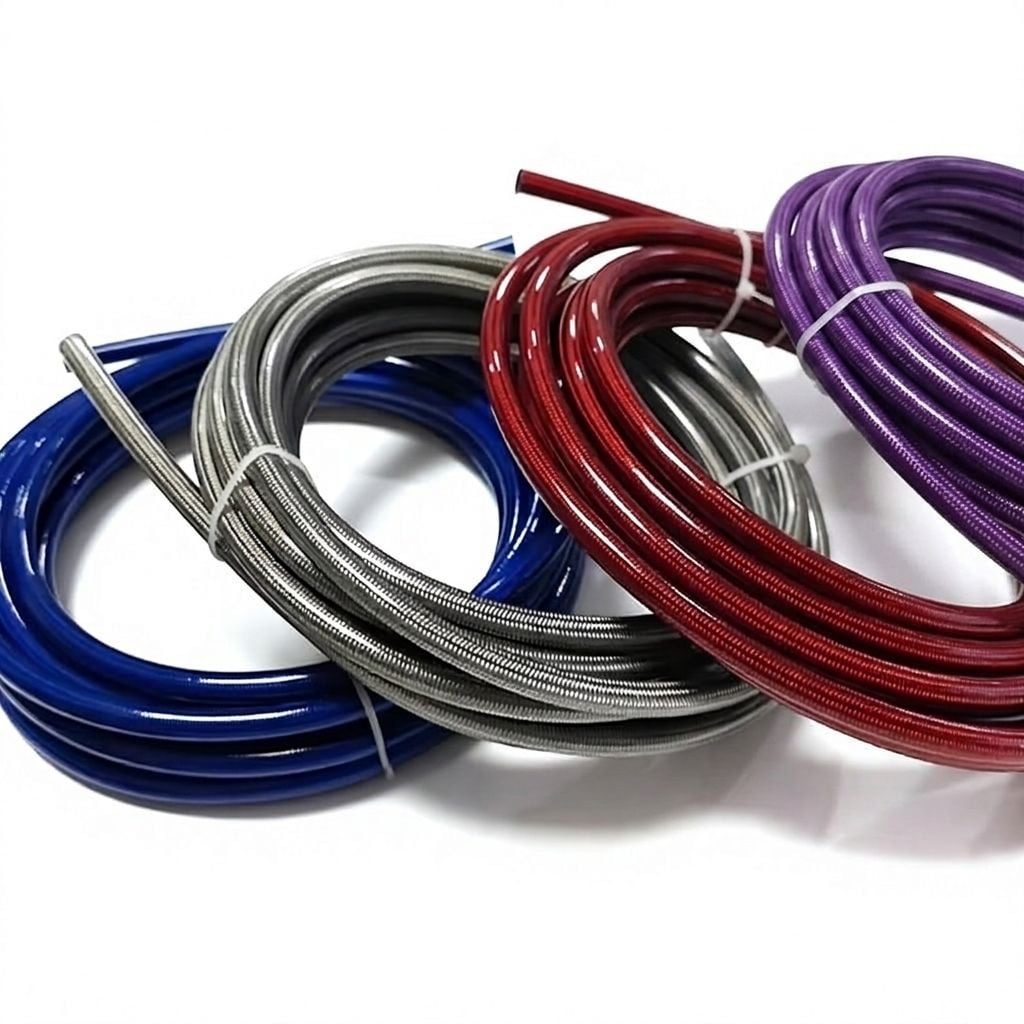
Brake systems operate under demanding conditions where pressure spikes can reach thousands of pounds per square inch in seconds. A properly rated custom brake hose must handle both static and dynamic pressure loads while resisting fatigue, temperature fluctuations, and chemical degradation. This guide explains the fundamental pressure rating requirements, industry standards, and practical considerations for selecting hoses that protect your vehicle and passengers.
Pressure ratings define the maximum sustained hydraulic pressure a hose can safely contain without rupture or permanent deformation. These ratings are expressed in pounds per square inch (PSI) and represent the working pressure limit under normal operating conditions. A custom brake hose rated at 4000 PSI, for example, can continuously handle pressures up to that threshold with an appropriate safety margin built into the design.
The pressure rating system includes both nominal working pressure and burst pressure specifications. Working pressure is the safe operating range for everyday driving, typically 60 to 70 percent of the burst pressure threshold. Burst pressure represents the catastrophic failure point where the hose material ruptures completely. This dual-rating approach ensures that even if normal conditions are exceeded, the hose provides adequate safety margin before complete failure occurs.
DOT brake hose specifications establish minimum performance standards that all brake hoses sold in the United States must meet or exceed. These specifications include pressure rating requirements, temperature resistance, aging characteristics, and fluid compatibility standards. DOT brake hose specifications are enforced through rigorous testing protocols that simulate real-world braking scenarios and environmental exposures over extended periods.
Compliance with DOT brake hose specifications guarantees that your brake system meets federal safety requirements and has been validated through independent laboratory testing. This regulatory framework protects drivers by ensuring consistent quality and reliability across all approved brake hose products.
Most passenger vehicles and light trucks require braided brake lines rated at 3000 to 4000 PSI for front and rear brake circuits. These pressure ratings are calculated based on typical master cylinder outputs, wheel cylinder or caliper sizes, and maximum deceleration forces during emergency braking. Standard automotive brake systems rarely exceed 3000 PSI during normal driving, but rating hoses at 4000 PSI provides substantial safety headroom and durability.
The hydraulic brake tubing used in these vehicles must resist corrosion, maintain flexibility for installation and vibration absorption, and remain chemically compatible with DOT 3, DOT 4, or DOT 5.1 brake fluids. Braided brake lines with synthetic rubber inner tubes and stainless steel or nylon outer braiding provide excellent pressure containment while resisting temperature swings from minus 40 to plus 100 degrees Celsius. This pressure range accommodates cold-weather starting, high-performance braking, and extended towing or mountain driving scenarios.
High-performance vehicles, race cars, and specialty applications often utilize braided brake lines rated at 5000 to 6000 PSI or higher. These extreme pressure ratings accommodate larger master cylinders, higher brake fluid temperatures, rapid pressure cycling, and the intense deceleration forces generated during competitive driving or heavy braking events. Professional racing teams and custom builders select custom brake hose products engineered specifically for these demanding pressure thresholds.
Hydraulic brake tubing for performance applications frequently incorporates advanced materials such as polytetrafluoroethylene (PTFE) inner cores, stainless steel braiding, and polyurethane jacketing to provide superior pressure retention, extended service life, and resistance to extreme temperatures. These specialized hoses are tested at pressures far exceeding their rated maximum to ensure multiple safety factors and reliability under sustained high-load conditions. The elevated pressure capacity allows builders to optimize brake system response and modulation for vehicles requiring maximum stopping force and precision control.
Selecting the appropriate pressure rating begins with understanding your vehicle's brake system architecture and maximum operating pressures. Calculate peak brake pressures by multiplying your master cylinder bore area by the maximum pressure the hydraulic system can generate under full pedal force. Most production vehicles generate 1000 to 2000 PSI during aggressive braking, making 3000 to 4000 PSI hose ratings appropriate for reliable operation with built-in safety margins.
Custom applications require careful analysis of system modifications that might increase operating pressures beyond original design specifications. Larger master cylinders, upgraded brake components, or modified brake proportioning systems may generate higher pressures requiring elevated hose ratings. Consulting with brake engineers or system designers helps ensure that all system components are rated for the actual pressures your modified system will produce under all driving conditions.
Brake hose pressure ratings must be evaluated in context of the thermal environment where they will operate. Elevated temperatures reduce the structural strength of rubber and synthetic materials, effectively lowering the safe working pressure rating at higher temperatures. Some manufacturers provide derated pressure specifications for operation above 100 degrees Celsius, acknowledging that heat exposure reduces pressure-holding capability and accelerates material degradation.
Cold-weather environments present different challenges, as brake fluids become more viscous and hose materials become brittle at very low temperatures. DOT brake hose specifications include low-temperature flexibility testing to ensure hoses remain supple and maintain pressure integrity in freezing conditions. Extreme climate applications, whether desert heat or arctic cold, benefit from hoses specifically engineered and tested for those environmental extremes rather than relying on standard-duty products designed for moderate temperature ranges.
Braided brake lines achieve their pressure-holding capability through multiple layers of woven reinforcement material surrounding the inner pressure tube. Stainless steel braid provides maximum strength and corrosion resistance, while nylon or polyester braid offers lighter weight and enhanced flexibility at lower cost. The braid count and weave density directly influence the pressure rating; higher braid counts and tighter weaves create stronger, higher-pressure-rated hoses capable of withstanding more intense hydraulic loads.
The inner tube material also significantly influences pressure performance and durability. PTFE inner tubes provide superior chemical resistance and lower friction compared to synthetic rubber, reducing heat buildup during extended braking and extending hose service life. Polyurethane outer jackets protect the braid from abrasion, moisture, and UV exposure while maintaining flexibility. This layered construction approach ensures that each material contributes its specific strengths, creating hydraulic brake tubing that combines pressure capacity, durability, and longevity across diverse operating conditions.
All quality custom brake hose products undergo rigorous testing protocols to verify pressure ratings and safety performance. Burst testing involves pressurizing hoses to failure, confirming that actual burst pressures exceed rated specifications by substantial safety factors. Pressure cycle testing subjects hoses to thousands of repeated pressure pulses, simulating years of normal brake cycling to detect fatigue failures and material degradation. Temperature stability testing exposes hoses to extreme hot and cold conditions while pressurized to verify performance across environmental extremes.
Fluid compatibility testing ensures that hose materials remain stable when exposed to brake fluid over extended periods. Flex life testing wraps hoses around mandrels and cycles them repeatedly to verify that braid reinforcement and inner tubes remain intact despite continuous flexing during installation and vehicle operation. Manufacturers that invest in comprehensive third-party testing and maintain DOT brake hose specifications compliance demonstrate commitment to product quality and user safety. Purchasing hoses from manufacturers with established testing records and certifications provides assurance that pressure ratings are reliable and verified rather than theoretical estimates.
Most passenger vehicles and light trucks require custom brake hose products rated at 3000 to 4000 PSI. This pressure range provides ample capacity for typical driving conditions while maintaining substantial safety margins above normal operating pressures. High-performance applications may require 5000 to 6000 PSI or higher, depending on system modifications and intended use.
DOT brake hose specifications establish minimum testing and performance requirements that all approved hoses must meet or exceed. These standards ensure consistent pressure rating accuracy, temperature performance, and fluid compatibility. Selecting hoses that comply with DOT specifications guarantees that pressure ratings are verified through independent testing rather than manufacturer estimates alone.
Yes, braided brake lines typically achieve higher pressure ratings than single-wall rubber hose due to their reinforced construction. Stainless steel braiding and PTFE inner tubes create composite structures capable of reliably containing pressures of 3000 to 6000 PSI or higher depending on design specifications. This superior pressure performance makes braided hoses ideal for both standard and custom applications requiring reliable high-pressure containment.
