 EN

what-pressure-ratings-should-hardware-tools-support, what-pressure-ratings-should-hardware-tools-support, /news
EN
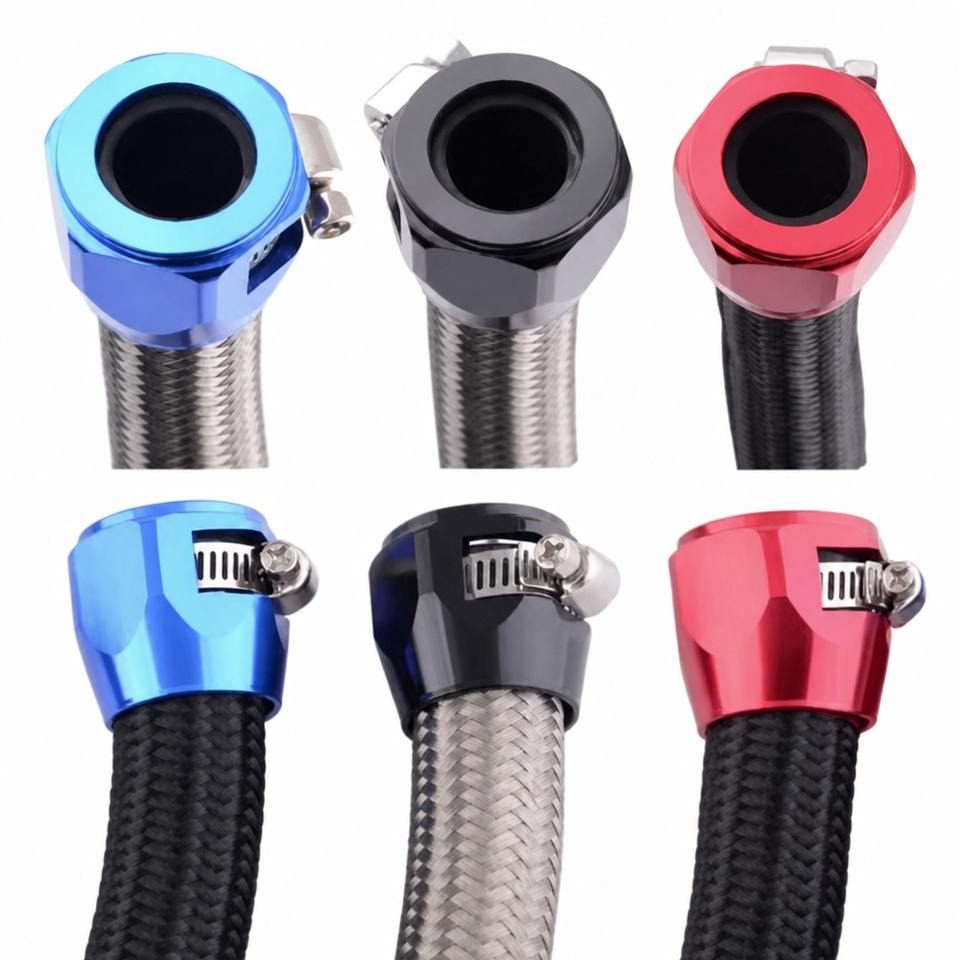
Understanding pressure ratings for hardware tools is essential for selecting equipment that performs reliably in demanding industrial and commercial environments. Pressure ratings define the maximum operating conditions that hardware tools can safely withstand without risk of failure, damage, or safety hazards. Whether you work with pneumatic systems, hydraulic equipment, or high-pressure fluid applications, knowing the correct pressure specifications ensures your hardware tools operate within their designed performance envelope. This knowledge protects both your equipment investment and your workforce safety.
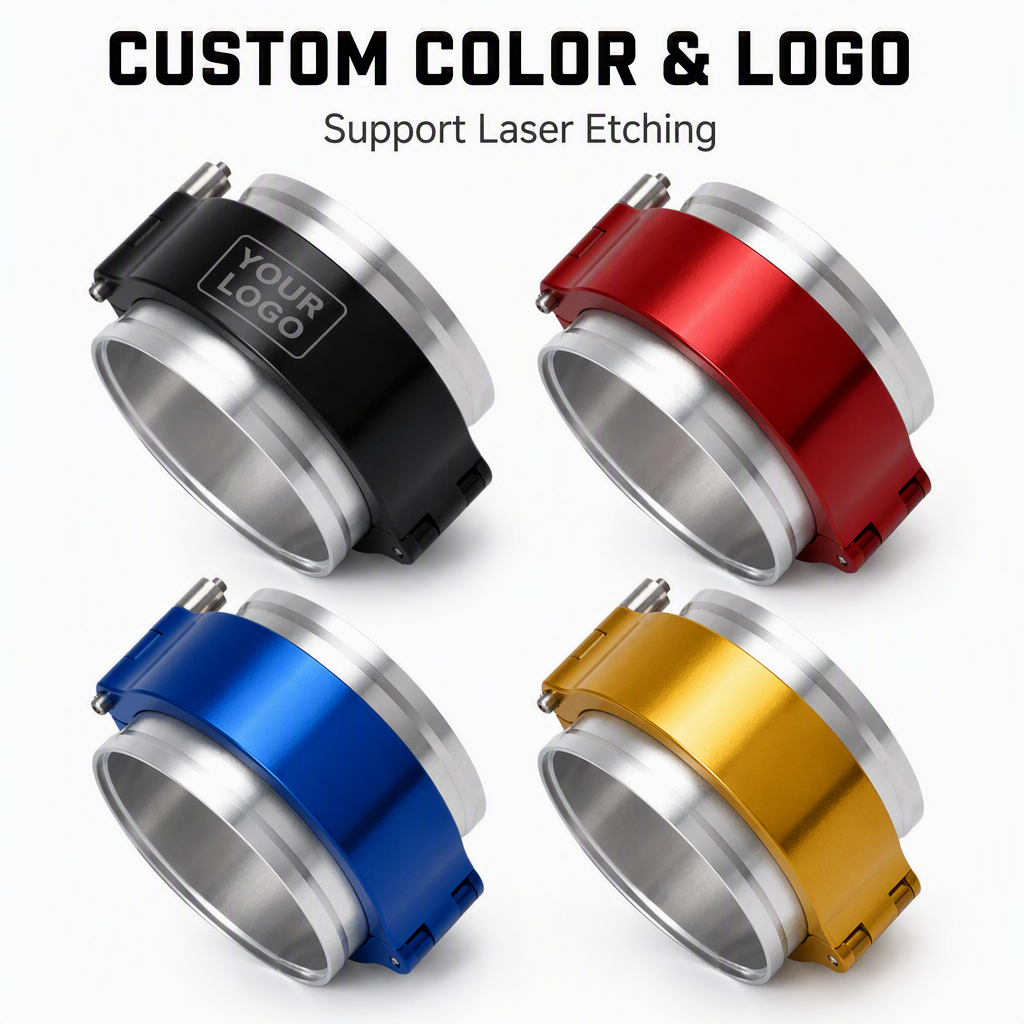
Pressure-rated hardware tools span multiple categories, from power tools that operate under specific PSI limits to hand tools designed for particular force applications. Tool storage must also account for pressure exposure, protecting components from degradation and ensuring long-term reliability. Industrial operators, maintenance technicians, and equipment managers must understand how pressure ratings affect tool selection, deployment, and maintenance protocols to minimize downtime and optimize operational efficiency.
A pressure rating is the maximum atmospheric or fluid pressure that hardware tools can safely operate under without structural failure. Pressure ratings are typically expressed in pounds per square inch (PSI), bar, or megapascals (MPa), depending on regional standards and equipment type. For power tools that operate pneumatically or hydraulically, the rated pressure directly correlates to the force and speed the tool can generate. Hand tools used in high-pressure systems also carry pressure specifications, especially when they interface with pressurized components or fluid lines. Understanding these ratings prevents over-pressurization, which can cause hose rupture, seal failure, or catastrophic equipment malfunction.
Pressure ratings serve as critical safety boundaries for hardware tools and the systems they operate within. Exceeding a tool's pressure rating can lead to sudden failure, personal injury, and costly equipment damage. In industrial facilities, compressed air systems, hydraulic circuits, and pressurized fluid applications all demand tools rated for their specific operational pressures. Power tools with inadequate pressure ratings may lose efficiency or fail prematurely under load. Hand tools and accessories designed without proper pressure specifications create liability risks and compromise job quality. Tool storage environments must also protect hardware tools from exposure to pressures that could degrade seals, hoses, or internal components over time.
Power tools often operate on compressed air systems, with typical pressure ratings ranging from 80 to 120 PSI for most industrial applications. Pneumatic power tools are engineered to function at specific pressures because the compressed air delivers both power and control to the tool's internal mechanisms. High-pressure pneumatic systems may demand power tools rated for 150 PSI or higher, depending on the application and tool design. When pressure ratings of power tools misalign with your system's actual operating pressure, tools either underperform or face accelerated wear. Selecting power tools with appropriate pressure ratings ensures consistent output, longer tool life, and safer operation across production environments.
Hand tools used in connection with pressurized systems—such as adapters, couplings, wrenches, and gauges—must be rated for the pressures they'll encounter. A hose coupling rated for 1050 PSI, for example, represents the maximum pressure that specific hand tool or connector can withstand without rupture or seal compromise. Industrial hand tools operating in hydraulic or high-pressure fluid environments require pressure ratings that match or exceed system design pressures. Underrated hand tools create weak points in a pressurized system, leading to leaks, contamination, or sudden failures that interrupt production and risk employee safety. Proper pressure-rated hand tools maintain system integrity and reduce unplanned maintenance.
Tool storage facilities must protect hardware tools from environmental pressures and exposure conditions that could compromise performance. Pressurized storage rooms, high-humidity environments, and temperature fluctuations can affect seals, hoses, and internal components of power tools and hand tools alike. Specialized tool storage solutions often include climate control and pressure-neutral environments to preserve tool functionality and extend service life. Hardware tools stored near compressed air systems or hydraulic equipment may be exposed to residual pressures that degrade seals over extended periods. Proper tool storage practices ensure that pressure-related wear doesn't accumulate prematurely, maintaining your hardware tools' readiness and safety compliance.
Regular maintenance and periodic verification of pressure ratings protect hardware tools from failure and ensure compliance with safety standards. Tool inspection protocols should document pressure ratings and confirm that hardware tools haven't been subjected to over-pressurization events. Visual damage to hoses, seals, or fittings often signals exposure to pressures beyond a tool's rating. Tool storage records should track environmental pressures and conditions to identify potential degradation risks early. By maintaining clear documentation of pressure ratings for all hardware tools and monitoring their storage conditions, organizations minimize unexpected breakdowns and extend the operational lifespan of their equipment investments.
Exceeding a hardware tool's pressure rating can cause immediate structural failure, hose rupture, seal degradation, or component separation, creating safety hazards and equipment damage. Power tools may malfunction or lose control, while hand tools and fittings can rupture suddenly under over-pressurization. Always match your system's operating pressure to the pressure ratings marked on hardware tools to prevent dangerous failures and costly downtime.
Pressure ratings for hardware tools are typically stamped, engraved, or printed on the tool itself, often near the connection points or on manufacturer labels. Look for specifications listed in PSI, bar, or MPa units alongside the tool model number. If markings are unclear or missing, consult the manufacturer's documentation or contact the supplier to confirm the pressure rating before deploying the tool in any pressurized application.
Hand tools should never be modified or reinforced to handle pressures beyond their original design rating. Attempting to upgrade pressure ratings compromises structural integrity and creates unpredictable failure modes. Instead, replace underrated hardware tools with equipment specifically engineered for your system's actual pressure requirements. This ensures safety, reliability, and compliance with industry standards and insurance requirements.
