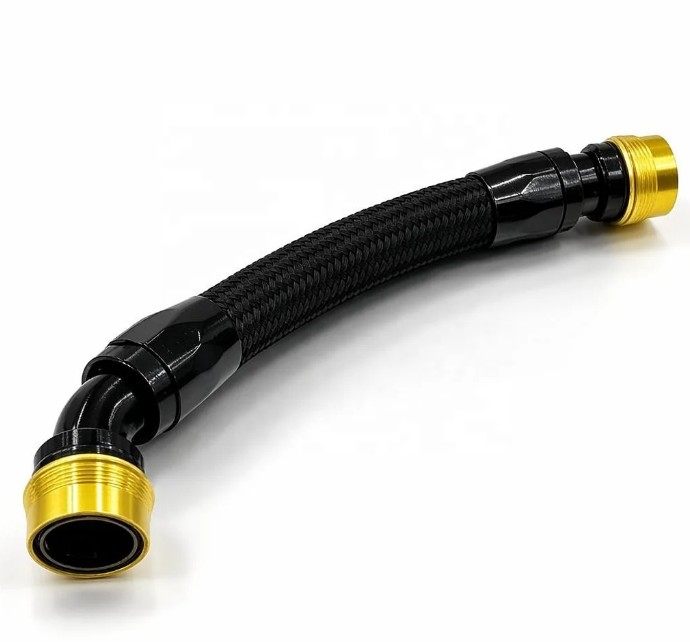
Selecting the correct pressure rating for a hose assembly is one of the most critical decisions in any fluid transfer system. The pressure rating determines whether your hose assembly can safely handle the operational demands of your application without failure, leakage, or catastrophic rupture. Understanding pressure ratings protects both your equipment and personnel while ensuring long-term system reliability.
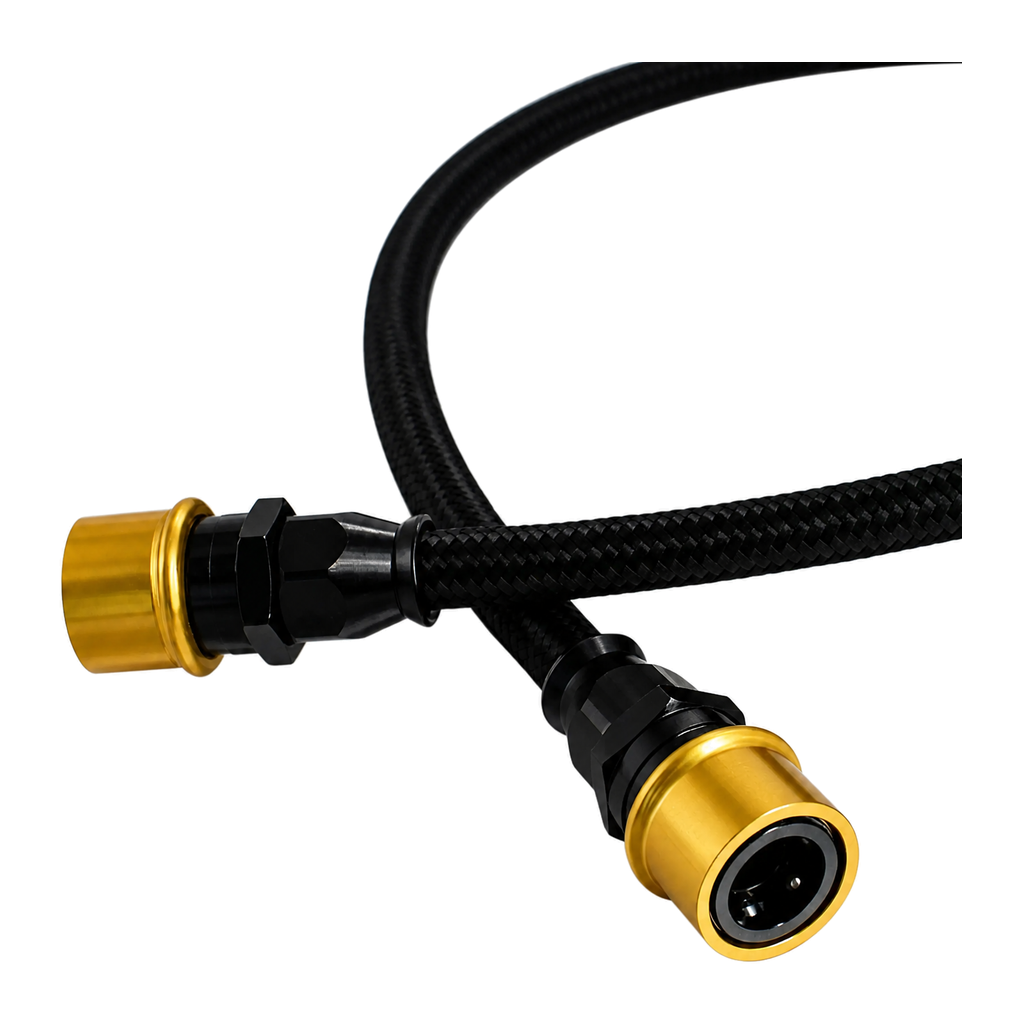
Pressure rating standards exist across global industries, with common classifications including 1/4 inch, 3/8 inch, and larger diameter specifications. A properly rated hydraulic hose assembly or industrial hose system must account for peak operating pressures, pressure spikes, temperature variations, and safety margins. This guide explores the essential factors that define what pressure ratings hose assembly components must support, helping you make informed selections that align with your operational requirements and regulatory standards.
Understanding Pressure Rating Fundamentals
What Pressure Ratings Mean in Hose Assembly Design
Pressure rating in a hose assembly refers to the maximum sustained pressure the system can safely operate under continuous conditions. This rating is not a single number but rather a classification that reflects the structural capacity of the hose, fittings, and seals working together as an integrated hose fitting assembly. The pressure rating depends on internal tube material, reinforcement layers, elastomer composition, and the overall design of the hose assembly system.
Engineers design pressure ratings with built-in safety factors that account for wear, environmental exposure, and pressure fluctuations. A hydraulic hose assembly rated at 3000 PSI, for example, has undergone rigorous testing to ensure it performs reliably at that sustained pressure with appropriate margins above the actual working requirement. Understanding this distinction between maximum rated pressure and actual operating pressure is essential for maintaining system integrity and compliance with industry standards.
Why Pressure Rating Mismatches Create Risk
Undersizing a hose assembly pressure rating creates immediate operational danger. If your industrial hose system operates near or exceeds the maximum pressure specification, the hose and fittings experience accelerated wear, fatigue, and eventual failure. Oversizing, while safer in pressure terms, leads to unnecessary cost, weight, and complexity in the hose fitting assembly configuration. Proper pressure rating selection balances safety, cost, performance, and system efficiency for your specific application.
Pressure Rating Standards and Specifications
Industry Standards Governing Hose Assembly Pressure Ratings
Multiple standards establish minimum pressure rating requirements for hose assembly installations. The SAE J343 standard, widely adopted in North America, defines pressure ratings for hydraulic hose in increments such as 1000, 1500, 2000, 2500, 3000, 3500, and 4000 PSI. ISO 1402 provides parallel guidelines for hydraulic hose assembly specifications across international markets. These standards ensure that any hydraulic hose assembly you purchase meets predictable performance criteria regardless of manufacturer.
Beyond hydraulic applications, different standards apply to industrial hose system variants. Water, air, fuel, and specialty fluid transfer applications each have established pressure classifications. Your hose assembly selection must match not only the pressure environment but also the specific fluid type, temperature range, and regulatory framework governing your industry. Compliance with these standards protects your operation from liability and ensures your industrial hose system meets customer expectations and safety audits.
How Temperature Affects Pressure Rating
Temperature derating is a critical factor often overlooked in hose assembly specification. A hose fitting assembly rated at 3000 PSI at 70°F may only support 2000 PSI at 200°F because elevated temperature reduces the elastomer's structural integrity and the reinforcement's strength. Pressure rating tables always include temperature derating factors that reduce the maximum safe working pressure as temperature climbs. An industrial hose system operating in hot environments must account for these derating effects to maintain actual safety margins.
Selecting and Verifying Appropriate Pressure Ratings
Determining Your Required Pressure Rating
Start by identifying the peak operating pressure your system will encounter, including all pressure spikes, surges, and transient conditions. Most hydraulic hose assembly applications operate with pressure pulses that briefly exceed the steady-state pressure. Add a safety margin, typically 25 to 40 percent above peak operating pressure, to account for component degradation and occasional pressure excursions. This calculation yields the minimum pressure rating your hose assembly must support, which you then round up to the next available standard rating class.
Document the operating temperature range, fluid type, chemical compatibility, and any regulatory requirements specific to your application. Consult pressure rating charts provided by hose assembly manufacturers, which cross-reference pressure specifications with temperature derating and hose diameter. If your peak pressure at maximum temperature falls between two standard ratings, select the higher rating. This conservative approach ensures your industrial hose system maintains adequate safety margins throughout its service life.
Testing and Verification Protocols
Reputable manufacturers test every hose fitting assembly to verify pressure ratings under controlled laboratory conditions. Burst testing—pressurizing the hose assembly until rupture—confirms that the actual burst pressure exceeds the rated working pressure by a significant margin, typically 4:1 to 5:1. Hydrostatic testing applies rated pressure continuously over extended periods to verify no creep, leakage, or degradation occurs. These tests validate that the hose assembly meets published pressure specifications and safety standards.
Before deploying a critical hydraulic hose assembly, request test certificates documenting compliance. High-reliability applications may require prototype testing or certification by independent third parties. For complex industrial hose system installations, pressure testing of the assembled system under actual operating conditions provides confidence before production deployment. This verification approach reduces downtime risk and confirms that your hose assembly pressure rating meets the demands of your specific operational environment.
FAQ
What factors determine the pressure rating of a hose assembly?
The pressure rating of a hose assembly depends on internal tube elastomer composition, the count and material of reinforcement layers, the diameter of the hose, temperature range, fluid compatibility, and the fittings used in the hose fitting assembly. Manufacturers conduct burst tests and hydrostatic tests to confirm each hose assembly configuration can safely sustain its rated pressure with appropriate safety margins. Standards like SAE J343 and ISO 1402 establish the testing protocols and classification system that define what pressure ratings are available for industrial hose system applications.
Can I use a lower pressure-rated hose assembly if my operating pressure is below the rating?
Yes, you can use a hose assembly rated higher than your actual operating pressure, but selecting a lower-rated hose assembly is risky and not recommended. If your peak pressure including safety margin falls below a particular hose fitting assembly pressure class, you may safely use that rating, but undersizing sacrifices reliability. Always select a pressure rating that exceeds your actual requirements with appropriate safety margin. This approach protects your hydraulic hose assembly from premature failure and maintains compliance with industry standards for industrial hose systems.
How does temperature affect the pressure rating I should select?
Temperature significantly reduces the effective pressure rating of a hose assembly. At elevated temperatures, elastomers lose strength and reinforcement materials degrade faster, so manufacturers provide derating curves that show reduced maximum pressure at higher temperatures. When selecting a hose fitting assembly for hot environments, calculate your required pressure at the maximum operating temperature, apply your safety margin, then select the pressure rating accordingly. This ensures your industrial hose system maintains adequate performance margins even when thermal conditions are severe, preventing pressure-related failures during operation.
 EN