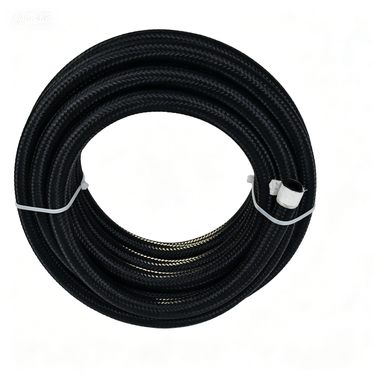
Selecting the correct pressure ratings for rubber hoses is fundamental to ensuring safe and reliable operations across industrial environments. Every industrial application demands specific performance characteristics, and understanding the pressure requirements is essential for preventing failures, leaks, and costly downtime. The pressure rating of a hose indicates the maximum sustained pressure it can safely handle under normal operating conditions, making this specification one of the most critical factors in hose selection and installation.
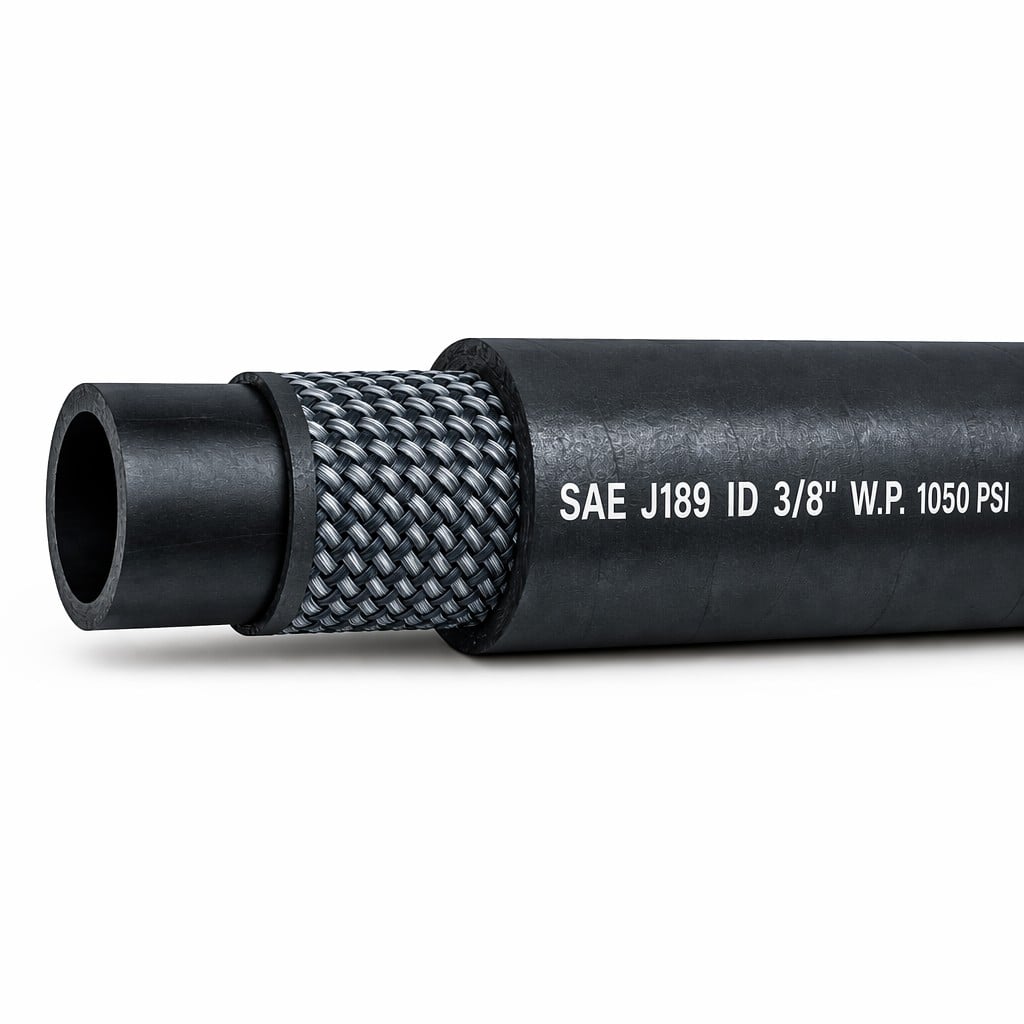
Pressure ratings for rubber hoses are determined by their construction, materials, reinforcement layers, and intended use. Different applications require different hose pressure ratings because operating conditions vary significantly. Whether you are working with hydraulic systems, pneumatic applications, or fluid transfer lines, the hose pressure ratings must match or exceed your system requirements. This comprehensive guide explores how to determine the appropriate pressure ratings, understand industrial hose applications, and select chemical resistant hoses when corrosive media are involved.
Understanding Pressure Rating Standards
Common Hose Pressure Rating Systems
Industrial hose applications rely on standardized pressure rating classifications to ensure consistency and safety across manufacturers and users. The most widely recognized standards include SAE (Society of Automotive Engineers), ISO (International Organization for Standardization), and DIN (Deutsches Institut für Normung) specifications. These standards define maximum working pressures, burst pressures, and safety factors for rubber hoses used in different industrial hose applications. Understanding these standards helps you make informed decisions when selecting hoses for your specific operational needs.
Hose pressure ratings are typically expressed in PSI (pounds per square inch) or bar, representing the maximum sustained pressure the hose can withstand continuously. When evaluating hose pressure ratings for your industrial hose applications, always verify that the selected hose exceeds your peak system pressure by a comfortable margin.
Temperature and Environmental Factors
Pressure ratings for rubber hoses are not constant across all operating temperatures and environments. As temperature increases, the material properties of rubber change, typically reducing the maximum allowable pressure. Manufacturers provide derating curves that show how hose pressure ratings decrease at elevated temperatures. Similarly, exposure to ultraviolet light, ozone, and extreme weather conditions can compromise the structural integrity of rubber hoses, necessitating lower working pressures in challenging environments.
Chemical resistant hoses are specifically engineered to maintain consistent pressure ratings when exposed to aggressive media like oils, solvents, and corrosive fluids. The rubber compound and reinforcement construction in chemical resistant hoses resist degradation that would otherwise reduce pressure capacity. When selecting rubber hoses for chemically demanding industrial hose applications, confirm that the chemical resistant hoses you choose maintain adequate pressure ratings under your specific exposure conditions.
Pressure Ratings Across Industrial Hose Applications
Hydraulic and Power Transmission Systems
Hydraulic applications demand some of the highest hose pressure ratings because these systems operate at pressures ranging from 1,500 to 3,500 PSI and beyond. Rubber hoses designed for hydraulic power transmission feature multiple layers of synthetic wire reinforcement to contain these extreme pressures safely. Industrial hose applications in construction equipment, mining machinery, and manufacturing systems require rubber hoses with rigorously tested hose pressure ratings to ensure reliable performance under peak loads. Failure in a high-pressure hydraulic hose can result in catastrophic equipment damage and serious safety hazards.
When specifying hose pressure ratings for hydraulic systems, consider not only the nominal system pressure but also transient spikes and pressure surges that occur during rapid valve actuation or sudden load changes. Chemical resistant hoses used in hydraulic applications must maintain their pressure ratings while resisting degradation from hydraulic fluids, which can be harsh on elastomeric materials. The combination of high pressure, elevated temperatures, and chemical exposure makes pressure rating selection critical for industrial hose applications in these demanding environments.
Pneumatic and Compressed Air Systems
Pneumatic industrial hose applications typically operate at lower pressures than hydraulic systems, usually between 80 and 150 PSI. However, rubber hoses in compressed air systems face unique challenges because rapid pressure fluctuations and moisture accumulation can affect hose pressure ratings over time. Compressed air hoses require careful attention to material selection because moisture and contaminants can degrade rubber compounds and reduce the effective pressure rating. Industrial hose applications in manufacturing plants, automotive shops, and food processing facilities depend on pneumatic hoses with consistent, reliable pressure ratings.
Chemical resistant hoses are increasingly used in pneumatic systems where the compressed air carries oils, solvents, or other additives that demand superior material compatibility. Proper maintenance and inspection protocols help sustain the hose pressure ratings throughout the service life of pneumatic industrial hose applications.
Fluid Transfer and Suction Lines
Fluid transfer applications encompass a broad range of industrial hose applications with varying pressure requirements, from low-pressure suction hoses operating below 30 PSI to moderate-pressure discharge lines at 300 PSI or higher. The specific hose pressure ratings depend on the fluid type, transfer rate, and system design. Rubber hoses for transferring petroleum products, coolants, and additives must balance pressure capability with material compatibility. Chemical resistant hoses formulated for fluid transfer applications maintain their pressure ratings while resisting swelling and deterioration caused by exposure to aggressive media.
Suction hoses present special considerations because they must resist collapse under vacuum while maintaining adequate pressure ratings for the return flow. Industrial hose applications requiring simultaneous suction and discharge capability demand carefully engineered rubber hoses with reinforcement patterns designed for bidirectional pressure performance. Understanding the maximum transfer rate and system impedance ensures that you select rubber hoses with appropriate hose pressure ratings for safe, efficient operation.
Selection Criteria and Safety Considerations
Matching Pressure Ratings to Your Application
Effective selection of rubber hoses begins with a thorough analysis of your system's pressure profile, including nominal operating pressure, peak transient pressures, and emergency shutdown pressures. Document all industrial hose applications where the hoses will be installed, including temperature ranges, fluid types, and environmental exposures. This data determines which hose pressure ratings meet your requirements and which chemical resistant hoses provide necessary compatibility. Oversizing pressure ratings incurs unnecessary cost, while undersizing creates safety risks and shortens service life through accelerated degradation.
Consult manufacturer specifications and pressure rating tables to identify rubber hoses that exceed your peak system pressure by at least 25 percent. Regular inspection and replacement cycles ensure that hose pressure ratings remain effective as rubber compounds age and environmental exposure accumulates.
Material Selection and Chemical Resistance
The rubber compound used in chemical resistant hoses directly influences both pressure rating capability and resistance to fluid degradation. Synthetic rubber formulations like nitrile, EPDM, and fluoroelastomer offer different combinations of pressure retention and chemical resistance. Chemical resistant hoses engineered for specific media such as ozone-resistant compounds or solvent-proof elastomers ensure that pressure ratings remain stable throughout the hose service life. Selecting incompatible rubber materials results in swell, loss of elasticity, and pressure rating reduction, potentially leading to catastrophic failures in industrial hose applications.
Reinforcement layer selection also impacts hose pressure ratings and chemical resistance. Steel wire, synthetic yarn, and spiral constructions each provide different pressure performance characteristics. Industrial hose applications requiring both high pressure and chemical resistance often employ stainless steel reinforcement combined with specialized elastomer compounds. This engineering approach maximizes pressure rating capacity while ensuring that chemical resistant hoses withstand exposure to corrosive and aggressive fluids without loss of structural integrity or pressure retention capability.
FAQ
What is the difference between working pressure and burst pressure for rubber hoses?
Working pressure, also called the maximum working pressure or hose pressure rating, represents the sustained pressure at which a hose can safely operate continuously. Burst pressure is the pressure at which the hose ruptures or fails catastrophically. The safety factor between these two values is typically 4:1, meaning a hose rated for 1,000 PSI working pressure has a burst pressure around 4,000 PSI. Industrial hose applications must always operate below the working pressure to maintain this safety margin and prevent unexpected failures in critical systems.
How do temperature changes affect rubber hose pressure ratings?
Temperature significantly impacts hose pressure ratings because elevated heat reduces the tensile strength and elasticity of rubber compounds. Most rubber hoses experience pressure rating reductions of approximately 10 to 20 percent for every 50 degrees Fahrenheit above standard operating temperature. Manufacturers provide derating charts showing the maximum allowable pressure at specific temperature ranges. For industrial hose applications operating in high-temperature environments, select rubber hoses with pressure ratings that exceed your requirements even after temperature-related derating is applied.
What makes chemical resistant hoses different from standard rubber hoses?
Chemical resistant hoses use specialized rubber compounds and reinforcement materials engineered to resist degradation from specific fluid exposures while maintaining consistent pressure ratings. Standard rubber hoses may swell, lose elasticity, or develop micro-cracks when exposed to aggressive chemicals, leading to pressure rating reduction and premature failure. Chemical resistant hoses maintain their structural integrity and hose pressure ratings under exposure to oils, solvents, coolants, and other industrial fluids. Selecting chemical resistant hoses for industrial hose applications involving fluid transfer or chemical processing ensures long service life and reliable pressure retention.
 EN