 EN

what-safety-standards-apply-to-hydraulic-crimping-machines, what-safety-standards-apply-to-hydraulic-crimping-machines, /news
EN
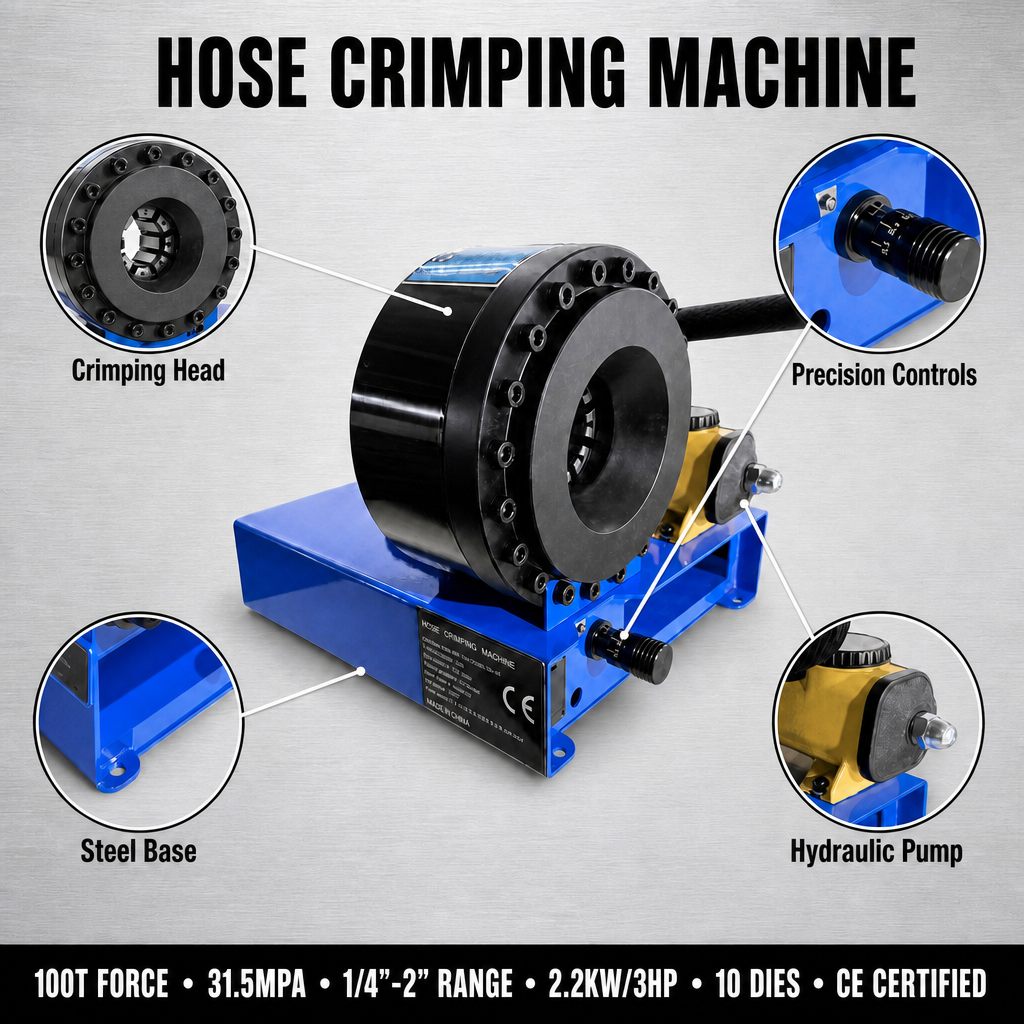
Safety standards are foundational to the responsible operation of industrial equipment, and a hydraulic crimping machine is no exception. These powerful tools play a critical role in assembling hose fittings, hydraulic systems, and high-pressure connections across manufacturing, construction, and automotive industries. However, without proper adherence to established safety protocols and regulatory frameworks, hydraulic crimping machines pose significant risks to operators and surrounding personnel. Understanding and implementing the correct safety standards protects workers, ensures equipment longevity, and maintains compliance with occupational health regulations.
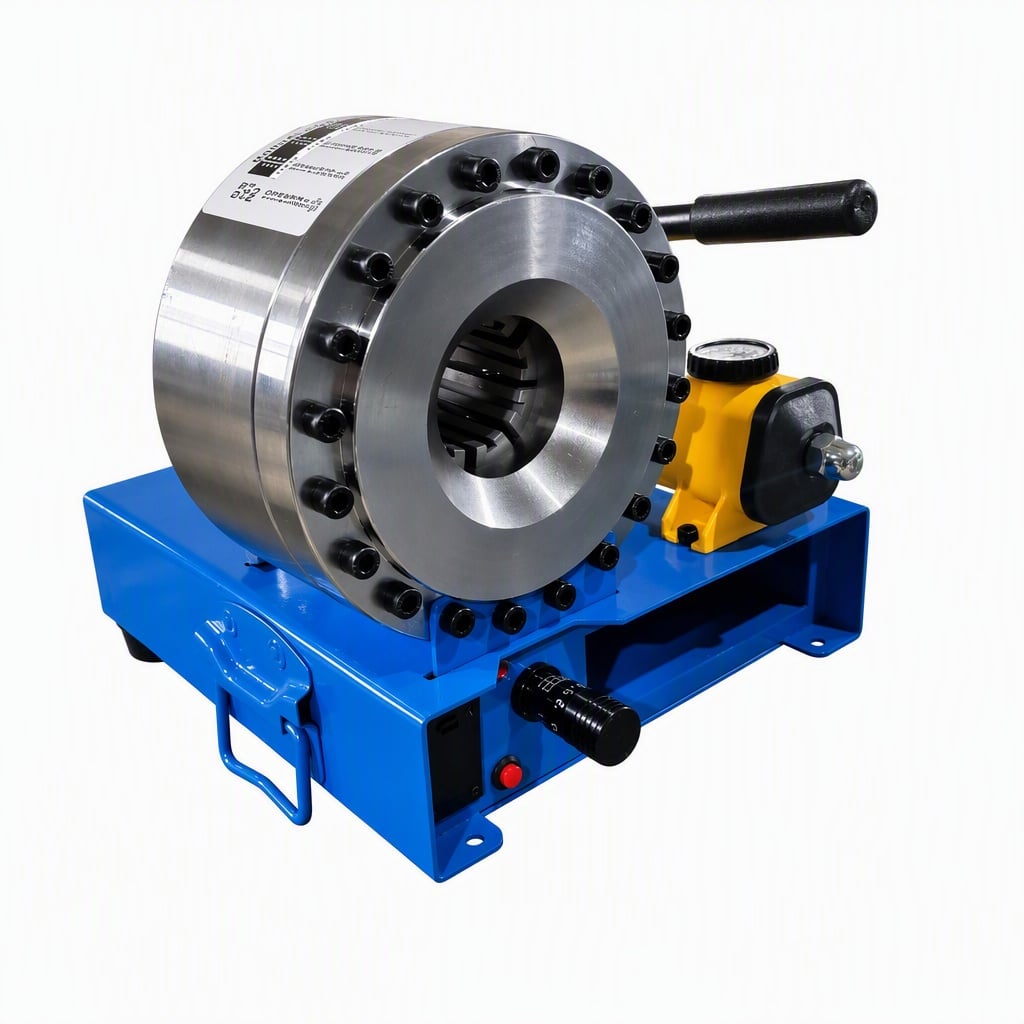
The landscape of safety standards governing hydraulic crimping equipment is shaped by international and regional regulatory bodies, equipment manufacturers, and industry best practices. Standards such as ISO 6162, ISO 1219, and OSHA guidelines establish specific requirements for hydraulic system design, pressure relief settings, emergency stop mechanisms, and operator training. Additionally, standards addressing the hydraulic crimper tool itself, the crimping press equipment configuration, and the hose fitting crimper functionality ensure that every component operates within safe parameters. Compliance with these frameworks is not merely a legal obligation but a fundamental responsibility that demonstrates commitment to workplace safety and professional excellence.
The International Organization for Standardization has established comprehensive guidelines for hydraulic machinery and safety. ISO 6162 specifies the technical requirements for hydraulic fluid power systems, including pressure limits, hose specifications, and connector standards that directly apply to crimping press equipment. ISO 1219 provides symbolic representation and safety-related information for fluid power systems, ensuring consistent communication across manufacturers and operators. These standards mandate that all hydraulic crimping machines include proper pressure relief valves, accumulator safety devices, and flow control mechanisms. Operators must understand that a hydraulic crimper tool meeting ISO standards has undergone rigorous testing to ensure predictable behavior under normal and emergency conditions.
In North America, the Occupational Safety and Health Administration establishes mandatory requirements for machine guarding, electrical safety, and operator training specific to industrial equipment. OSHA regulations require that every hydraulic crimping machine display warning labels identifying pinch points, pressure hazards, and required personal protective equipment. The hose fitting crimper must be operated only by trained personnel who understand hydraulic fluid hazards, pressure system dynamics, and emergency shutdown procedures. Regional variations exist across different jurisdictions, making it essential for facility managers to verify compliance with local labor department regulations and industry-specific guidelines that may apply to their operations.
Modern hydraulic crimping machines are designed with multiple layers of pressure protection to prevent catastrophic failures and operator injury. Primary pressure relief valves automatically divert excess fluid when system pressure exceeds safe operating limits, typically set between 10,000 and 25,000 PSI depending on equipment specifications. The hydraulic crimper tool must include secondary relief valves as backup protection, ensuring that even if the primary valve fails, the system remains within safe parameters. Pressure gauges positioned at strategic points on the crimping press equipment allow operators to monitor system health continuously. Additionally, pressure accumulators with properly sized charge valves prevent sudden pressure spikes that could damage fittings or injure workers.
Physical guards protect operators from hydraulic fluid spray, moving die plates, and crushing hazards inherent to hose fitting crimper operation. Modern equipment incorporates electronically monitored guard switches that interrupt operation if guards are removed during active crimping cycles. Emergency stop buttons must be positioned within arm's reach of the primary operator station and any secondary work areas, allowing immediate shutdown of the hydraulic crimping machine in hazardous situations. Dual-hand control systems require simultaneous operator action, preventing accidental single-handed activation that could cause entrapment injuries. These safety features work synergistically to reduce accident risk and demonstrate the industry's commitment to protecting workers who depend on crimping press equipment daily.
Operating a hydraulic crimper tool requires documented training covering equipment-specific procedures, hazard recognition, and emergency response protocols. Comprehensive operator training programs address system operation, pressure system behavior, personal protective equipment requirements, and recognition of pre-failure warning signs. Certification demonstrates that an operator understands the specific model of hydraulic crimping machine assigned to their work area, including unique control layouts and safety features. Refresher training should occur annually or whenever equipment modifications are made, ensuring that operators remain current with operational best practices. Organizations that invest in robust training programs significantly reduce injury rates and equipment damage while building a culture of safety awareness among their workforce.
Regular maintenance of a hydraulic crimping machine prevents safety hazards before they emerge and extends equipment service life substantially. Preventive maintenance schedules should include monthly visual inspections of hoses, connections, and seals for signs of degradation or leakage common in crimping press equipment. Quarterly testing of pressure relief valves and pressure gauges ensures accurate readings and proper system protection throughout operation. Annual professional servicing by qualified technicians should address seal replacements, fluid analysis, and comprehensive functional testing of all safety systems on the hose fitting crimper. Documentation of all maintenance activities creates a transparent record demonstrating compliance with industry standards and supporting rapid troubleshooting if problems arise during normal operation.
Effective implementation of hydraulic crimping machine safety standards requires developing workplace-specific procedures that address the unique layout, production demands, and personnel of each facility. Site procedures should mandate appropriate personal protective equipment, including safety glasses with side shields, cut-resistant gloves, and steel-toed footwear required during crimping press equipment operation. Hearing protection becomes necessary when multiple hydraulic crimper tools operate simultaneously in shared work areas. Clear demarcation of equipment zones prevents unauthorized personnel from entering dangerous areas during active crimping cycles. Regular safety briefings and visible reminder signage reinforce awareness among all personnel, creating an environment where safety compliance becomes habitual rather than imposed.
A robust incident reporting system captures near-misses and actual injuries, providing valuable data for identifying systemic safety gaps in hydraulic crimping machine operation. Analysis of incident reports often reveals training deficiencies, equipment design improvements, or procedural adjustments that prevent recurrence of similar events. Involvement of frontline operators in safety improvement initiatives fosters buy-in and generates practical insights that academic standards alone cannot provide. Documentation of corrective actions and their effectiveness demonstrates organizational commitment to continuous improvement. This proactive approach transforms safety from a compliance checkbox into a dynamic process that adapts as operational experience reveals new risks or better mitigation strategies for hydraulic crimper tool and crimping press equipment use.
Most hydraulic crimping machines operate between 10,000 and 25,000 PSI, with specific pressure settings depending on hose diameter, fitting type, and crimping press equipment design. Operators should never exceed manufacturer-specified maximum pressure, as doing so risks hose rupture, fitting failure, and operator injury. Pressure relief valves automatically divert fluid when limits are approached, protecting both the equipment and the hose fitting crimper components.
Monthly visual inspections should examine hoses, connections, and seals for leakage or visible degradation affecting the hydraulic crimping machine. Quarterly pressure relief valve testing and annual professional servicing by qualified technicians ensure comprehensive safety verification. Documentation of all inspections demonstrates compliance with regulatory standards and facilitates rapid identification of maintenance issues on crimping press equipment.
Standard PPE for hydraulic crimper tool operation includes safety glasses with side shields, cut-resistant gloves, and steel-toed footwear to protect against fluid spray, pinch hazards, and dropped components. Hearing protection becomes essential when multiple hydraulic crimping machines operate simultaneously. Your facility's safety procedures may mandate additional equipment based on specific workplace conditions and industry requirements.
