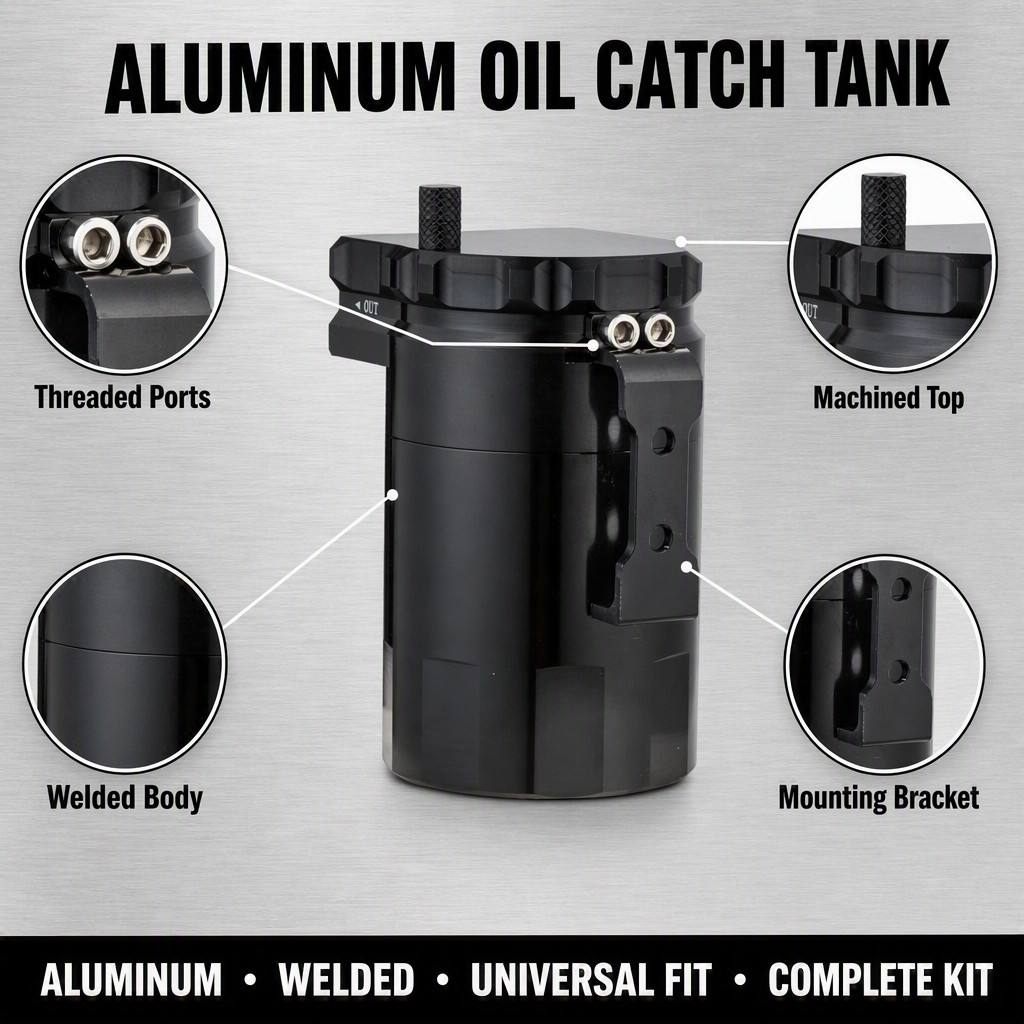
Selecting the correct catch can size is fundamental to protecting your engine and optimizing performance. A catch can serves as a critical component in your engine catch can system, capturing harmful vapors and oil mist before they enter the intake manifold. The right sizing ensures efficient operation without creating backpressure that could compromise engine function. Vehicle owners often overlook this decision, assuming all catch cans function identically regardless of capacity or engine displacement. Understanding your specific vehicle requirements prevents costly mistakes and ensures your investment delivers measurable benefits.
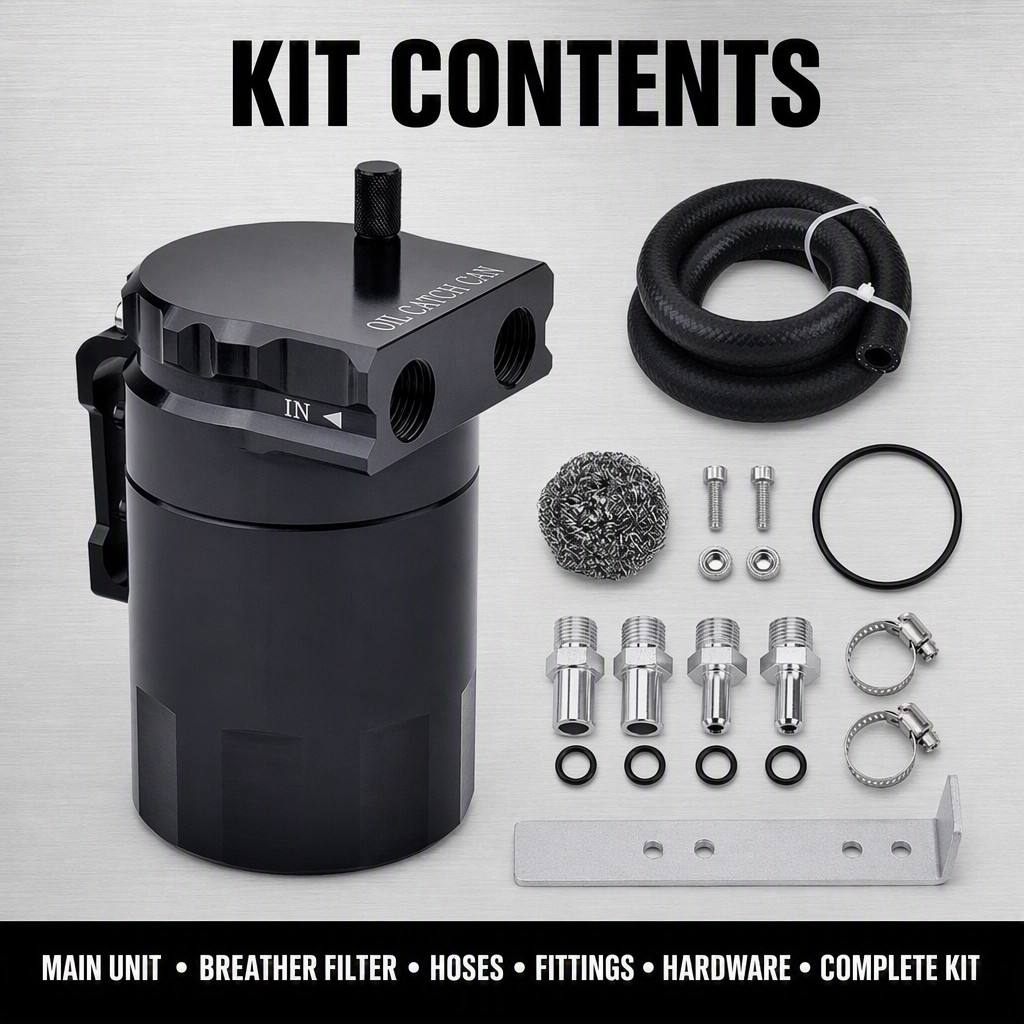
The engine catch can system works by intercepting positive crankcase ventilation (PCV) vapors that would otherwise recirculate into the engine. When you match catch can capacity to your engine displacement and driving conditions, you maximize system effectiveness and minimize maintenance intervals. Oversized catch cans waste space and complicate installation, while undersized units fill too quickly and reduce their protective benefits. This guide walks you through determining the ideal catch can size for your unique vehicle configuration.
Understanding Engine Displacement and Catch Can Capacity
Matching Capacity to Engine Size
Engine displacement directly influences how much vapor your engine produces during operation. Larger displacement engines generate greater volumes of crankcase vapors, requiring proportionally larger catch can capacity to handle the demand. A typical engine catch can system should have a reservoir size that allows adequate separation time without overwhelming the container. For four-cylinder engines ranging from two to three liters, catch cans between two and three liters usually provide optimal performance. Six-cylinder engines benefit from three to five-liter catch cans, while larger eight-cylinder or turbocharged applications often require five-liter units or larger.
Operating Conditions Impact on Sizing
Your driving style and environmental conditions significantly affect catch can maintenance frequency. High-performance driving, frequent acceleration, and cold-weather operation all increase vapor production rates. If you primarily drive in urban stop-and-go traffic, a smaller catch can may suffice since vapor generation remains moderate. Conversely, track day enthusiasts and drivers in consistently cold climates need larger capacity to extend intervals between cleanings. PCV catch can installation planning should consider your typical usage patterns and climate zone to ensure adequate sizing.
PCV Catch Can Installation Considerations
Space Constraints and Vehicle Layout
Your vehicle's engine bay architecture often determines the maximum catch can size you can practically install. Some vehicles offer abundant underhood real estate, allowing for larger reservoirs with multiple inlet ports. Others feature cramped configurations where only compact catch cans fit without interfering with other components. Before purchasing, physically measure your available space accounting for hoses, fittings, and mounting hardware. PCV catch can installation requires adequate clearance to access the drain valve and sight glass for catch can maintenance and cleaning purposes. Vehicles with tight layouts may benefit from vertically oriented catch cans or specialized designs that fit within OEM component boundaries.
Drainage and Access Points
Proper drainage access influences which catch can models work for your vehicle. You need reliable access to drain collected oils without removing the entire assembly. Most catch cans feature bottom drain valves or removable collection bottles that simplify this process. Ensure your chosen catch can size allows comfortable access to these drainage points during routine catch can maintenance and cleaning. Some premium engine catch can system setups include auxiliary drain ports that improve emptying convenience. Poor drainage access makes maintenance burden heavier and encourages deferred service, reducing your engine protection.
Selecting Based on Performance Goals and Budget
Performance-Oriented Selection
Enthusiasts seeking maximum engine longevity and reliability often choose larger catch cans with advanced filtration capabilities. High-capacity units reduce maintenance frequency while providing superior oil separation and vapor processing. Performance applications benefit from larger catch can systems that minimize backpressure while maximizing pollutant capture. These premium units typically cost more but deliver extended intervals between catch can maintenance and cleaning sessions. Budget-conscious builders sometimes select moderate-sized catch cans as compromise solutions balancing cost, effectiveness, and convenience.
Daily Driver Practicality
Daily drivers benefit from mid-range catch can sizing that balances practical maintenance with effective protection. A three to four-liter catch can suits most common passenger vehicles running moderate mileage. These sizes offer enough capacity to extend maintenance intervals to reasonable timeframes without requiring installation gymnastics. Many daily drivers empty their catch cans quarterly or semi-annually with appropriately sized units. Consider your personal mechanical aptitude when selecting catch can maintenance and cleaning difficulty level. Simpler designs reduce the likelihood you'll defer necessary service that keeps your engine healthy.
FAQ
What factors determine the ideal catch can size for my specific vehicle?
Your engine displacement, vehicle layout, driving style, and climate conditions collectively determine proper sizing. Match capacity to engine size as a starting point, then adjust upward if you drive aggressively or in cold climates. Physically verify your engine bay accommodates your chosen catch can before purchase. Research vehicle-specific forums to learn what sizes other owners successfully installed.
How often should I perform catch can maintenance and cleaning once I select the right size?
Maintenance intervals vary based on catch can capacity, engine condition, and driving patterns. Properly sized units typically require emptying every three to six months for most drivers. High-performance applications may need monthly attention, while very large catch cans could go longer between cleanings. Check your catch can's sight glass regularly and empty it whenever liquid reaches the marked threshold.
Can I install an oversized catch can in my vehicle despite tight engine bay space?
Oversized catch cans in cramped engine bays often create clearance issues and complicate maintenance access. Forcing an oversized unit into insufficient space risks damaging hoses, interfering with other components, or preventing proper PCV catch can installation alignment. Select a size that fits comfortably with adequate clearance for routine service activities related to catch can maintenance and cleaning.
 EN