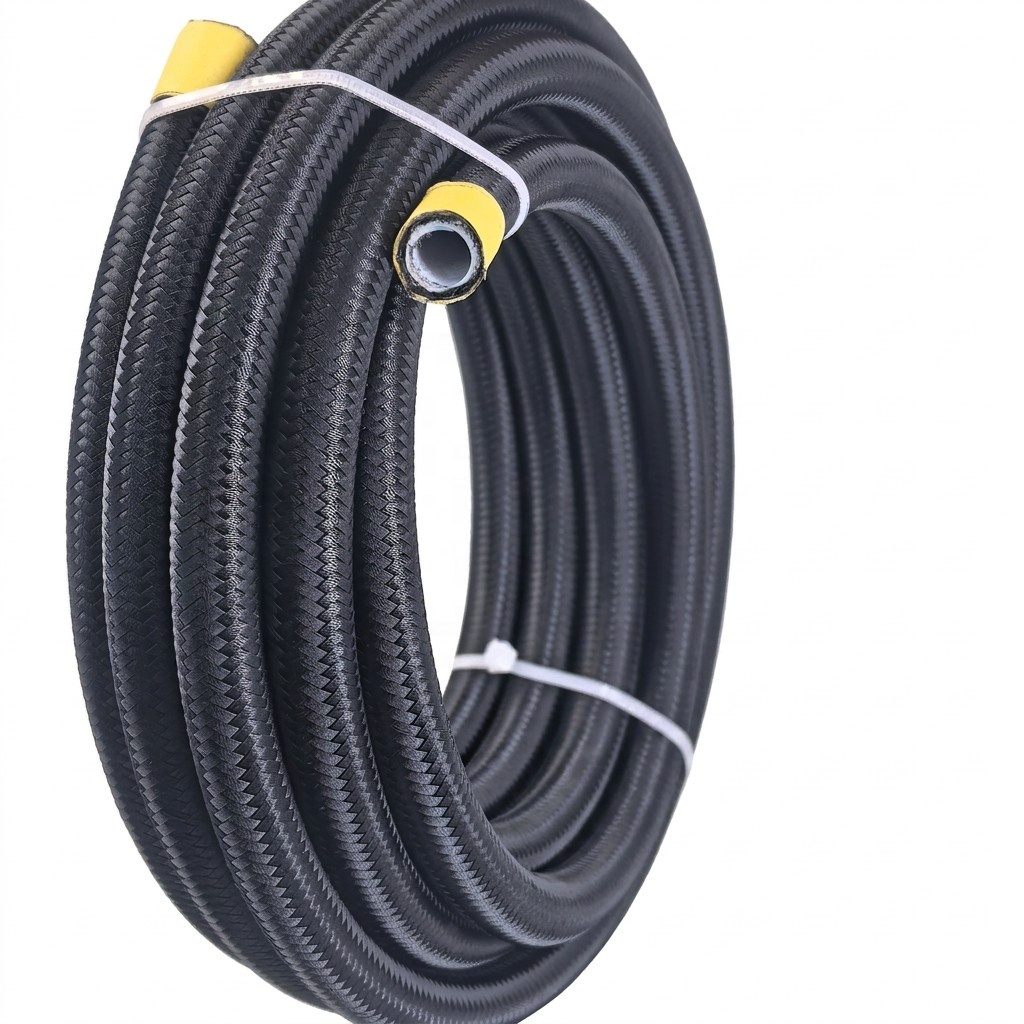
Selecting the correct size radiator hose is one of the most critical decisions you can make when maintaining your vehicle's engine cooling system. The radiator hose carries hot coolant from the engine to the radiator, where heat dissipates before the fluid returns to cool the engine block. When your radiator hose fails or degrades, the entire cooling cycle breaks down, risking engine overheating and catastrophic damage. Understanding what size radiator hose your specific vehicle needs prevents costly repairs and ensures reliable performance.
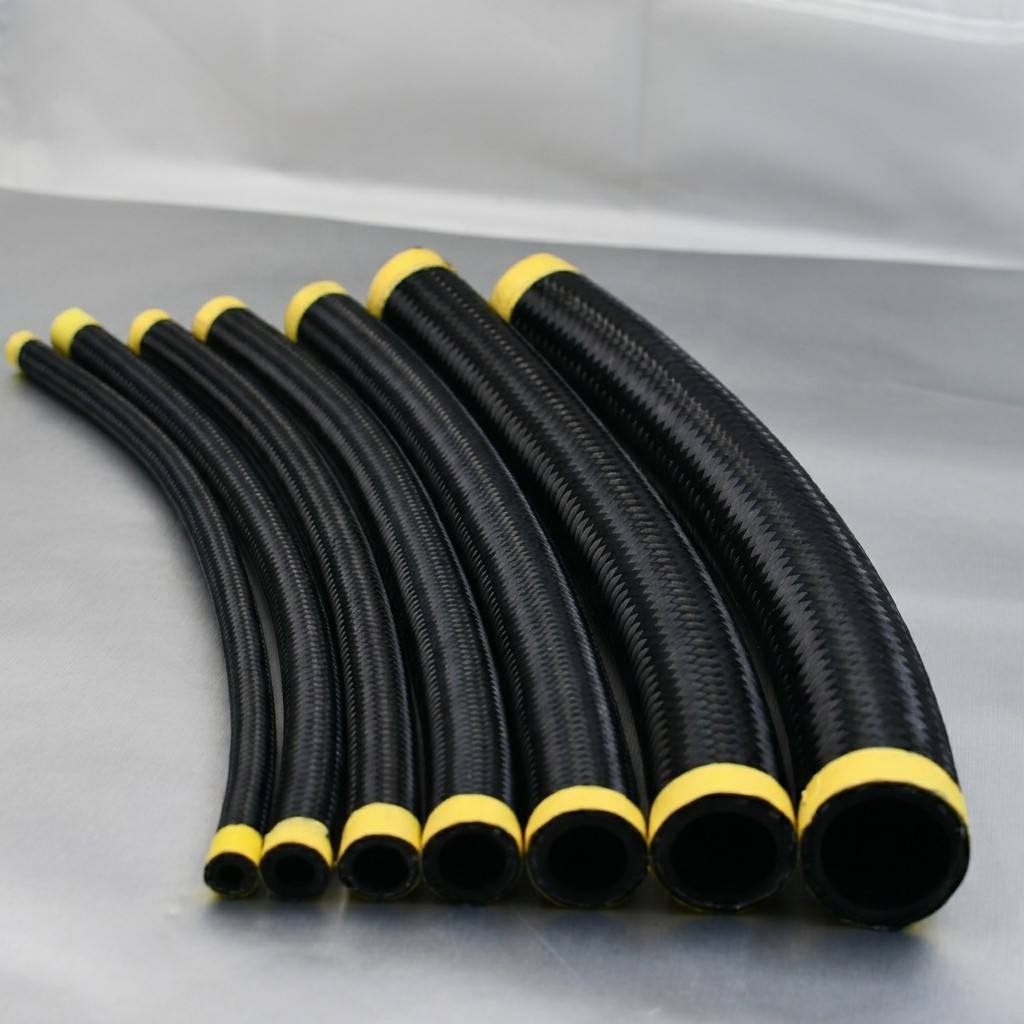
Most vehicles require specific hose diameters and lengths that match their original equipment specifications. The engine cooling system operates under pressure and temperature extremes, so mismatched hose dimensions compromise system integrity. Your vehicle's manufacturer has engineered the exact coolant hose diameter, wall thickness, and connection fittings needed for optimal flow rate and pressure containment. Choosing the proper radiator hose replacement keeps your engine operating within design parameters and maximizes component lifespan.
Determining Your Vehicle's Radiator Hose Size
Locating Original Equipment Specifications
The most reliable method to find the correct radiator hose size is consulting your vehicle's owner manual or service documentation. Manufacturers list exact coolant hose specifications, including inner diameter measured in inches or millimeters, material grade, and fitting connector types. You can also contact your vehicle's dealership parts department with your vehicle identification number, which instantly identifies the exact radiator hose replacement part your model requires. Many online automotive databases allow you to search by year, make, and model to retrieve original equipment specifications.
Physical Measurement and Identification
If original documentation is unavailable, you can measure your existing radiator hose using a flexible measuring tape or caliper. Measure the inner diameter of the hose at its widest point, as this dimension controls flow rate through your engine cooling system. Common radiator hose sizes range from half-inch to one-and-a-half inches in inner diameter, though specific measurements vary by engine displacement and design. Record the length from the engine outlet fitting to the radiator inlet fitting, as hose length affects installation fit and system performance.
Understanding Engine Cooling System Components
How Hose Size Impacts Cooling Performance
The inner diameter of your coolant hose directly determines the volume of fluid flowing through your engine cooling system per minute. A hose that is too small restricts flow, causing coolant to heat excessively before reaching the radiator, potentially causing localized boiling and vapor lock. Conversely, a hose that is oversized reduces pressure within the system, preventing the thermostat from opening properly and reducing cooling efficiency. The radiator hose replacement you select must match the original diameter to maintain the engineered pressure-to-flow ratio your vehicle's cooling system depends on.
Material Selection for Durability
Quality radiator hose replacement components are typically manufactured from EPDM rubber or silicone, each offering distinct performance characteristics. EPDM rubber radiator hose provides excellent resistance to coolant chemicals and temperature cycling, making it the standard choice for factory equipment. Silicone hoses offer superior heat resistance for performance applications but cost more and require careful installation to prevent slippage at clamp connections. When selecting your coolant hose, confirm that the material grade matches your vehicle's cooling system specifications and environmental operating conditions.
Installation Considerations and Best Practices
Proper Fitting and Connection Methods
Your engine cooling system relies on secure connections between the radiator hose and engine/radiator fittings to contain high-temperature pressurized coolant. The inner diameter of the hose must slip tightly over connection nipples with minimal gap, ensuring that hose clamps can compress the hose material adequately without restricting inner diameter flow. Using a radiator hose that is too large or too small results in poor clamp effectiveness, leading to leaks and system failure. Always verify that connection fittings match the outer diameter and taper of the original equipment before installation.
Routing and Clearance Requirements
The coolant hose must route along the same path as the original equipment hose to maintain proper clearance from moving engine components, electrical connections, and hot surfaces. Engine vibration and thermal cycling can cause a misrouted radiator hose to contact sharp edges or rub against serpentine belts, leading to premature failure. Secure the hose at mounting points using factory-approved clamps and clips to prevent excessive movement. When performing radiator hose replacement, photograph the original hose routing before removal to ensure accurate reinstallation of the new component.
FAQ
What happens if I install an incorrectly sized radiator hose?
An incorrectly sized coolant hose disrupts your engine cooling system's pressure and flow characteristics, leading to inadequate heat transfer. You may experience engine overheating, thermostat malfunction, coolant leaks at connection points, or even internal component damage from thermal stress. Immediate radiator hose replacement with the correct size is necessary to restore proper cooling system function and prevent engine damage.
How do I measure a radiator hose if the original is damaged?
Use a flexible measuring tape or digital caliper to measure the inner diameter of the damaged hose at its least-compressed section. If the hose is too damaged to measure accurately, consult your vehicle's owner manual, contact the dealership parts department with your VIN, or use online automotive specification databases to identify the correct radiator hose replacement dimensions for your vehicle model.
Can I use a universal coolant hose for any vehicle?
No, each vehicle's engine cooling system requires a specifically engineered radiator hose with dimensions and material properties matched to the engine's cooling capacity and operating parameters. Using a universal hose or one from a different vehicle model risks improper fit, system pressure loss, and cooling failure. Always select radiator hose replacement components designed specifically for your vehicle's year, make, model, and engine displacement to ensure reliability and safety.
 EN