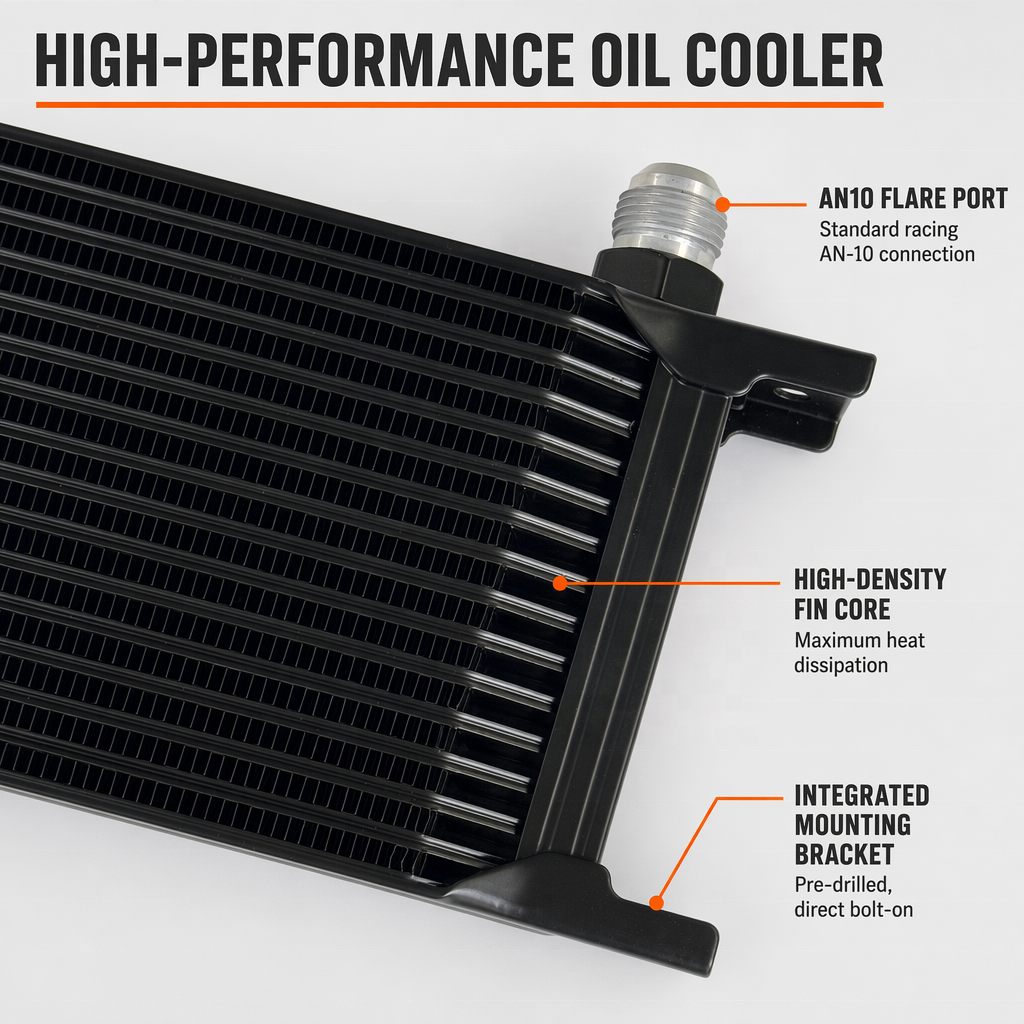
An oil cooler is engineered to handle specific temperature ranges, and understanding these thermal limits is critical for maintaining system efficiency and preventing equipment damage. Modern engine oil coolers and transmission oil coolers are designed to operate within strict temperature parameters, typically between 65°C and 100°C under normal conditions, though maximum allowable temperatures can reach 120°C to 150°C depending on the specific application and cooler design.
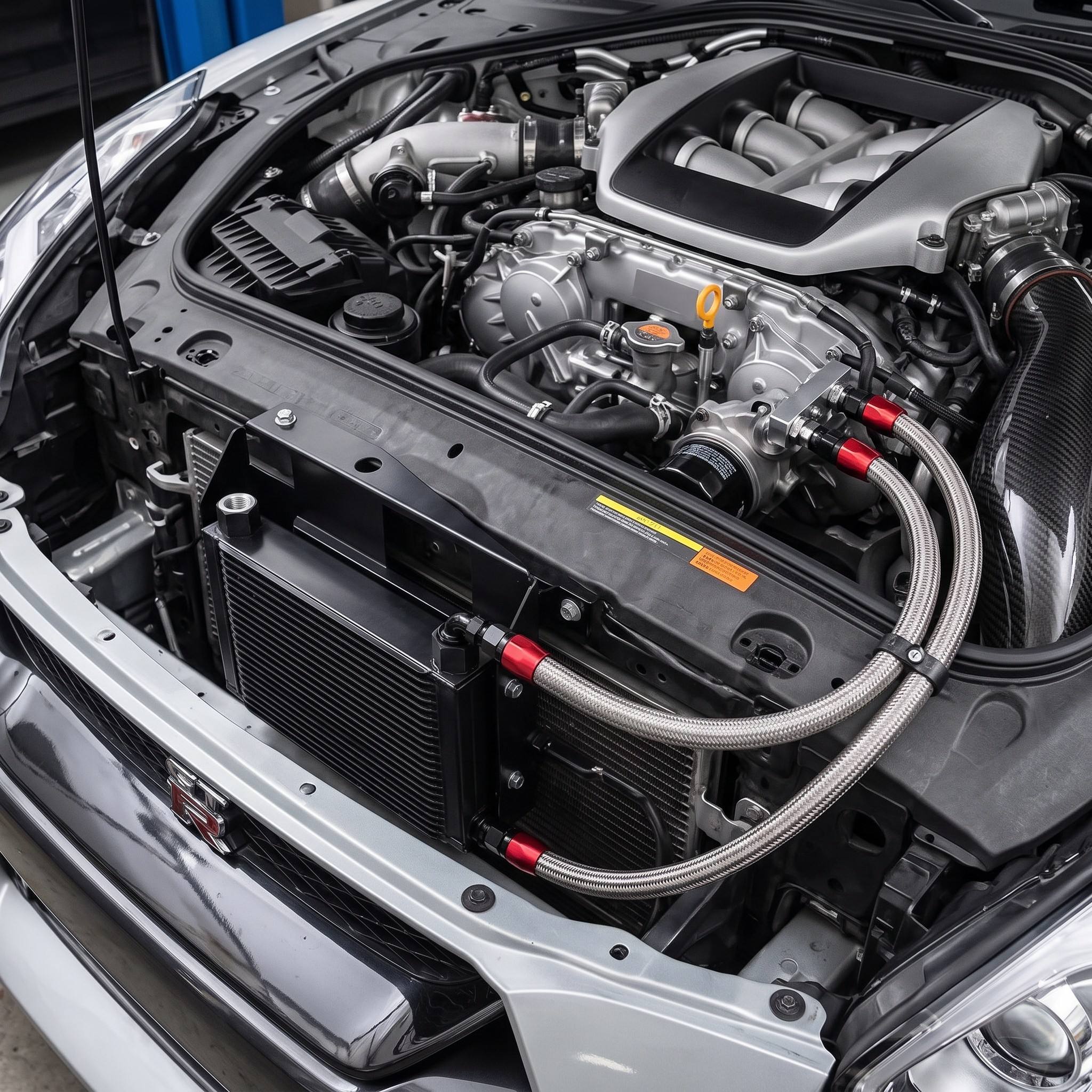
The temperature tolerance of an oil cooling system depends on several factors including the type of oil, cooler materials, flow rate, ambient conditions, and intended application. Industrial equipment, automotive engines, and heavy machinery all have different cooling requirements, and selecting the correct cooler rating ensures reliability and longevity. When temperatures exceed design specifications, the cooler's structural integrity can be compromised, leading to leaks, reduced cooling efficiency, and potential system failure.
Temperature Ratings for Engine Oil Coolers
Standard Operating Temperature Ranges
Engine oil coolers are typically rated to maintain oil temperatures between 70°C and 95°C during normal operation. The engine oil cooler absorbs excess heat from the engine and transfers it through a cooling medium, usually air or coolant. Most aluminum and copper engine oil cooler designs can withstand inlet oil temperatures up to 120°C, though operation at this threshold consistently will accelerate internal degradation. The actual maximum depends on the gasket materials, sealant quality, and core construction of the cooler unit.
Materials and Thermal Stress
Engine oil cooler construction materials directly influence temperature capacity. Aluminum core coolers offer excellent thermal conductivity but may have lower maximum temperature ratings around 110°C to 120°C. Copper-based engine oil cooler designs often support higher temperatures, reaching 130°C to 145°C. Gaskets and sealing compounds typically have lower thermal thresholds than the core material itself, often limiting the overall oil cooling system temperature rating to between 120°C and 135°C. Exceeding these limits causes gaskets to harden and lose elasticity, resulting in leaks and system failure.
Transmission Oil Cooler Temperature Specifications
Transmission Fluid Heat Tolerance
Transmission oil cooler systems face unique thermal challenges because automatic transmission fluid is sensitive to extreme heat. A transmission oil cooler must maintain fluid temperatures below 70°C for optimal performance and longevity of transmission internals. When transmission fluid exceeds 80°C, viscosity breakdown accelerates, reducing lubrication effectiveness and increasing wear rates. Most transmission oil cooler units are rated to handle fluid temperatures up to 100°C to 110°C without structural failure, though continuous operation above 85°C will shorten the transmission's service life significantly.
Cooler Design for Heat Management
The transmission oil cooler functions by passing hot fluid through finned aluminum or copper tubes while air or coolant circulates externally. This oil cooling system design determines both the maximum temperature the cooler itself can withstand and the degree of cooling it can achieve. Efficiency of the transmission oil cooler depends on maintaining adequate flow rates and heat exchange surface area. If the transmission oil cooler becomes clogged or undersized, the fluid may overheat within the cooler itself, potentially reaching 120°C to 130°C locally, which can cause core damage or separation of tube connections.
Oil Cooling System Integration and Thermal Control
System-Level Temperature Management
An oil cooling system integrates the cooler with pumps, thermostats, filters, and control valves to maintain safe operating temperatures across the entire circuit. The oil cooler must work in harmony with this broader oil cooling system to prevent thermal spikes. Thermostat-controlled systems bypass cooler flow when temperatures are below target, allowing faster warm-up and preventing unnecessary cooling. When incoming fluid temperature exceeds the thermostat setpoint, the system diverts flow through the oil cooler to bring temperatures back into safe range. This protective cycle ensures the cooler rarely experiences sustained operation at its maximum temperature limit.
Environmental and Application Factors
Ambient temperature, load intensity, and duty cycle significantly affect how much thermal stress an oil cooler endures. Equipment operating in hot climates or under continuous heavy load places greater demands on the oil cooling system, increasing the cooler's temperature exposure. An engine oil cooler in a desert or tropical environment may need a larger capacity unit or enhanced cooling surface to maintain the same outlet temperature as the same cooler in a temperate climate. Similarly, marine and offshore applications may use specialized transmission oil cooler designs rated for extreme conditions, with materials and construction methods that support higher maximum temperatures, sometimes reaching 150°C or beyond. Understanding these context-specific demands helps engineers select the right cooler for the application and avoid thermal overload scenarios.
FAQ
What happens when an oil cooler exceeds its maximum temperature rating?
Exceeding the maximum temperature rating of an oil cooler causes multiple failure modes. Gaskets and sealing materials lose elasticity and can leak oil, reducing system efficiency and creating environmental hazards. The cooler core itself may develop micro-fractures or warping, especially in aluminum designs. Solder joints used in construction can become brittle or separate. The oil cooler's heat transfer efficiency declines rapidly as internal deposits accumulate, creating a downward spiral where the cooler becomes less effective, temperatures rise further, and damage accelerates. Preventive maintenance and system monitoring are essential to avoid reaching these critical thresholds.
How can I monitor the temperature of my oil cooling system?
Temperature monitoring typically involves inline thermometers, temperature sensors, or digital gauges placed upstream and downstream of the oil cooler. Many modern vehicles and industrial systems include OBD or telemetry systems that log fluid temperatures and alert operators to anomalies. For stationary or marine equipment, dedicated temperature sensors can trigger alarms or automatic shutdowns if the engine oil cooler inlet or outlet temperature exceeds safe limits. Regular manual checks using infrared thermometers or thermal imaging can also reveal problem areas. Consistent monitoring allows early detection of cooler fouling, thermostat malfunction, or pump degradation before they cause system damage.
Can an oil cooler be used in extreme temperature environments?
Standard engine oil cooler and transmission oil cooler designs are not suitable for extreme temperature environments beyond their rated specifications. However, specialized coolers designed for extreme applications can handle higher temperatures through improved materials such as stainless steel or marine-grade copper alloys, better insulation, and enhanced gasket compounds. Military, arctic, and desert-rated equipment often uses oil cooling systems engineered specifically for those conditions. Selecting a cooler rated for your environment, rather than attempting to adapt a standard unit, ensures safety, efficiency, and equipment longevity.
 EN