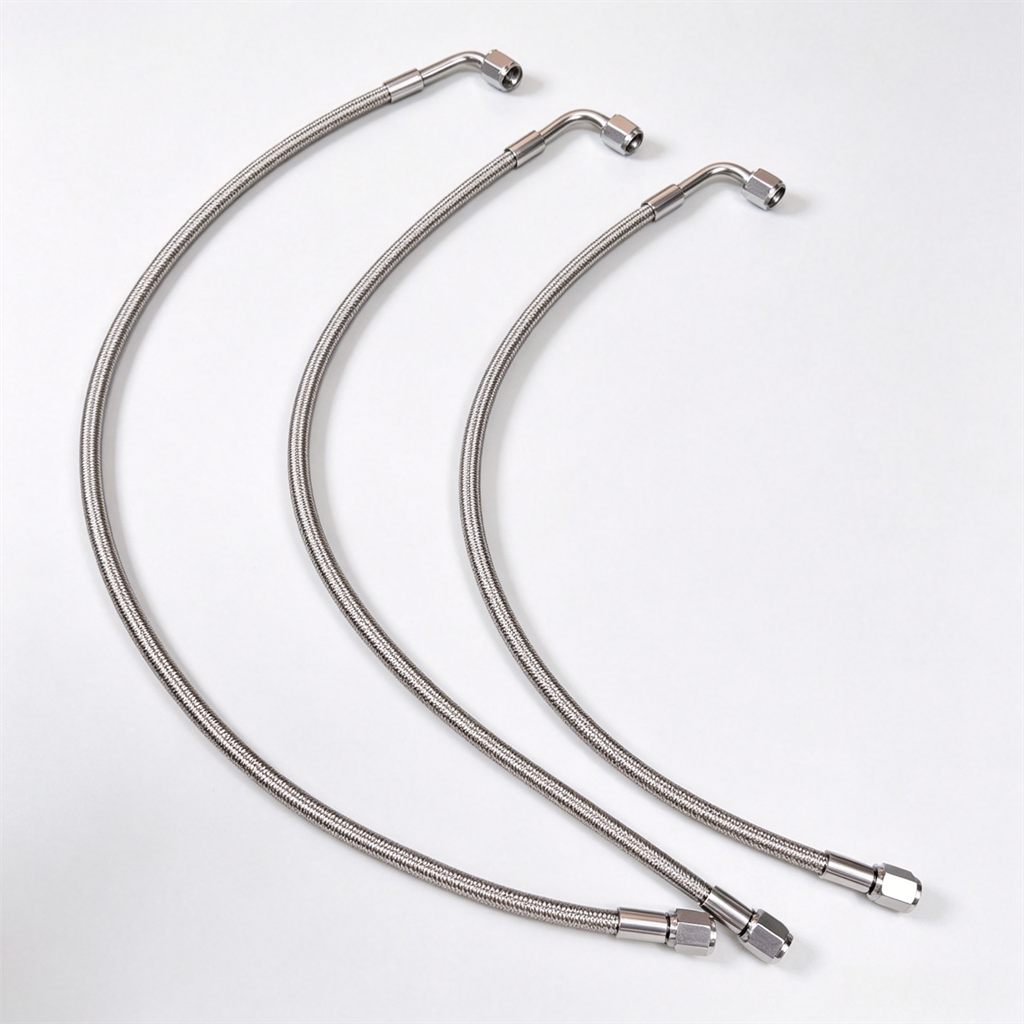
Understanding temperature limits is critical when selecting a high pressure flexible hose for industrial hydraulic hose systems. Temperature performance directly impacts hose longevity, safety, and operational efficiency in demanding environments. Every fluid system generates heat through friction, pressure cycles, and external exposure, making thermal resilience a fundamental design requirement. The ability of a hose to maintain structural integrity and pressure containment across extreme temperature ranges determines whether it survives real-world conditions or fails prematurely. Industrial hydraulic hose systems operate in temperatures ranging from subfreezing cold to intense heat, requiring materials engineered to withstand both extremes without degradation.
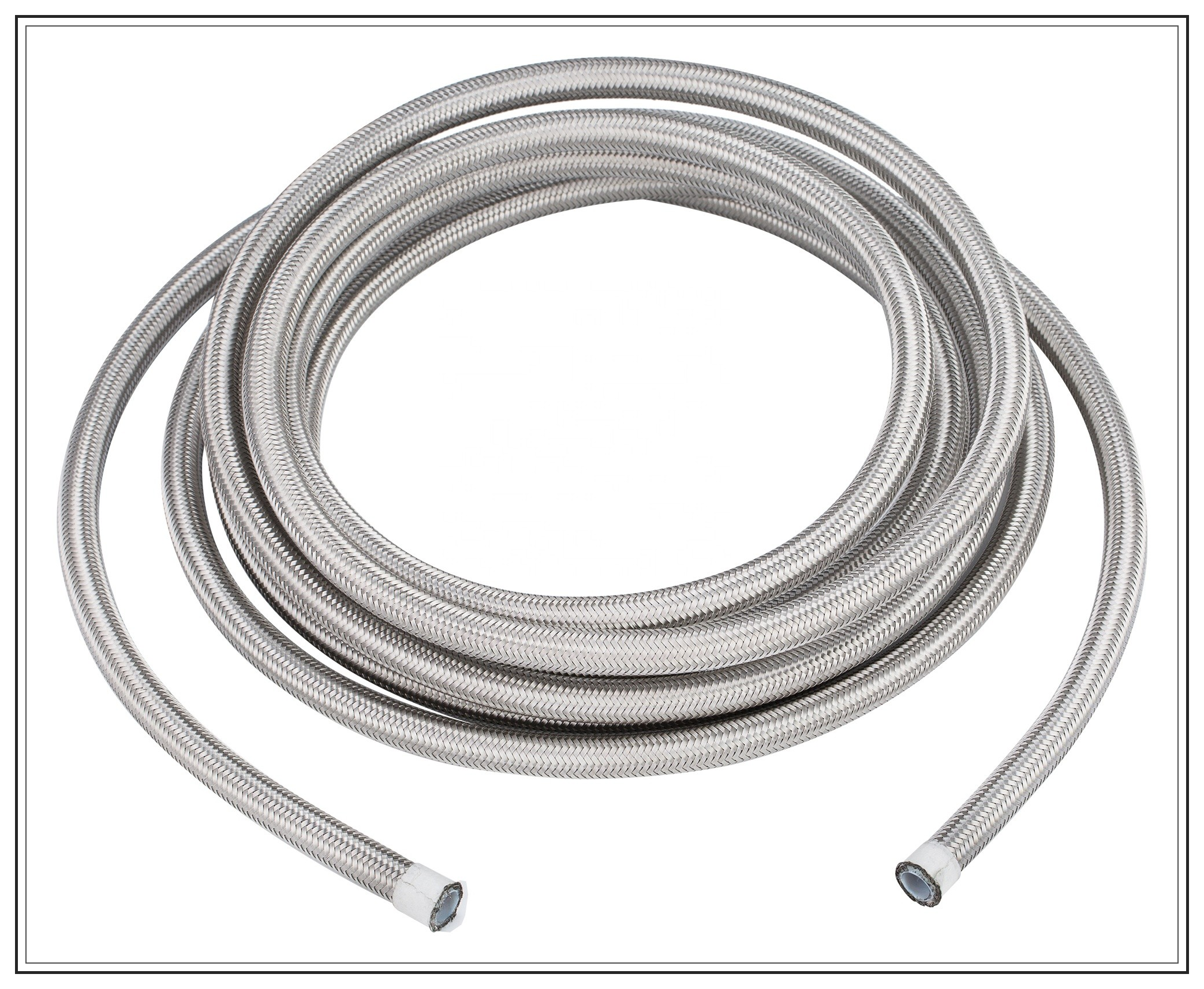
Modern flexible hose construction combines inner tube materials, reinforcement layers, and cover compounds specifically chosen to maintain sealing integrity and burst pressure under thermal stress. The performance ceiling depends on the hose material specifications selected during design. Standard rubber-based hoses typically handle temperatures between minus 40 degrees Celsius and 100 degrees Celsius, while specialized thermoplastic and synthetic rubber formulations extend this range significantly. High pressure hose burst ratings degrade predictably as temperature rises, with each degree of heat reducing the hose's pressure capacity. Understanding these relationships helps industrial operators choose appropriate hose assemblies and implement preventive maintenance schedules that anticipate thermal degradation.
Temperature Ranges for Standard Industrial Hoses
Rubber-Based Flexible Hose Temperature Performance
Traditional rubber-constructed hoses form the backbone of many industrial hydraulic hose systems because they offer excellent cost efficiency and reliable performance in moderate thermal conditions. Most conventional rubber hoses operate safely between minus 40 degrees Celsius and plus 100 degrees Celsius, covering the vast majority of general-purpose industrial applications. At the lower temperature extreme, rubber becomes progressively stiffer and loses flexibility, reducing its ability to accommodate movement and vibration without cracking. At the upper extreme, rubber softens and may lose its elasticity, allowing permanent deformation that compromises the seal. The high pressure flexible hose designed with standard nitrile rubber can handle working pressures of 210 bar at room temperature, but this capacity diminishes measurably above 80 degrees Celsius. Operators must consult high pressure hose burst ratings provided by manufacturers to understand pressure derating curves that show exactly how burst pressure falls with each temperature increment.
Extended Temperature Hose Material Specifications
When industrial hydraulic hose systems encounter extreme temperatures beyond standard ranges, specialized hose material specifications become necessary. Synthetic rubber compounds, particularly fluorocarbon and polyacrylate elastomers, extend the safe operating temperature ceiling to 150 degrees Celsius or higher while maintaining low-temperature flexibility down to minus 55 degrees Celsius. These premium materials resist oxidation, thermal hardening, and chemical degradation far better than conventional rubber. Thermoplastic hose materials offer another solution, delivering temperature ranges from minus 40 degrees Celsius to 120 degrees Celsius with superior abrasion resistance and lighter weight. Aramid-reinforced hoses with PTFE inner cores represent the highest performance tier, withstanding temperatures from minus 65 degrees Celsius to 260 degrees Celsius, making them ideal for aerospace, semiconductor, and high-temperature industrial hydraulic hose systems where thermal extremes are routine.
Pressure Degradation Under Thermal Stress
How Temperature Reduces Burst Capacity
High pressure hose burst ratings follow a predictable pattern of decline as operating temperature increases, and understanding this relationship is essential for safe system design. Burst pressure—the maximum pressure a hose can withstand before rupture—typically declines by approximately 0.5 to 1 percent for every degree Celsius above the reference temperature, though this varies by hose material specifications. A high pressure flexible hose rated at 280 bar burst pressure at 20 degrees Celsius might drop to 245 bar at 70 degrees Celsius, representing a meaningful loss in safety margin. Industrial hydraulic hose systems operating at sustained elevated temperatures must either use oversized hoses with higher nominal pressure ratings or implement active cooling strategies to maintain safe operating margins. Manufacturers publish derating tables showing burst pressure at various temperature points, enabling engineers to select hoses that maintain adequate safety factors across the full operating temperature range. Ignoring thermal derating is a primary cause of unexpected hose failures in industrial applications where heat accumulation goes unmonitored.
Material Performance and Thermal Cycling Effects
Beyond steady-state temperature exposure, thermal cycling—repeated heating and cooling—accelerates degradation of flexible hose material specifications by inducing micro-fractures in both the inner tube and reinforcement layers. Each thermal cycle creates expansion and contraction stresses that gradually weaken the bond between the rubber and wire or fiber reinforcement. Industrial hydraulic hose systems that experience daily temperature fluctuations age faster than systems running at constant elevated temperature, even if the peak temperature is lower. High pressure flexible hose made with superior elastomers demonstrates superior thermal cycling resistance because the material maintains consistent elastic properties across temperature changes. Hoses exposed to thermal cycling require more frequent inspection and replacement intervals than those in stable thermal environments. The combination of pressure cycling and thermal cycling creates a synergistic damage mechanism that can halve the service life of a hose compared to theoretical predictions based on either factor alone.
Selecting Hoses for Extreme Temperature Applications
Cold Temperature Considerations
Extreme cold temperatures present unique challenges for industrial hydraulic hose systems because rubber and most elastomers become brittle and lose their sealing capability well before reaching their rated minimum temperature. At subfreezing conditions, flexible hose material specifications must accommodate both the material stiffness increase and the viscosity increase in the hydraulic fluid itself. A high pressure flexible hose rated for minus 40 degrees Celsius operation may function reliably at minus 30 degrees Celsius but fail catastrophically at minus 45 degrees Celsius due to both the rubber becoming glass-like and the fluid becoming too thick to flow. Cold environments also increase high pressure hose burst ratings paradoxically—the burst pressure actually increases at low temperature—but the hose becomes more prone to crack initiation from vibration and movement because it cannot absorb impact energy through elastic deformation. Applications in arctic environments, high-altitude operations, or refrigerated facilities require specific elastomer selections like polyacrylate or fluorocarbon compounds that maintain flexibility at extreme cold. Preheating systems and insulation jackets often accompany hose installations in severe cold regions to ensure both the hose and hydraulic fluid reach minimum operating temperature before load application.
Hot Temperature Solutions and Material Selection
High-temperature industrial hydraulic hose systems demand materials far more durable than standard rubber because sustained heat accelerates oxidation, hardens elastomers, and degrades reinforcement fibers. When high pressure flexible hose must operate above 120 degrees Celsius, synthetic elastomers like fluorocarbon become mandatory, offering thermal stability and resistance to the thermal degradation that ruins conventional rubber. Above 150 degrees Celsius, PTFE-lined hoses with aramid or stainless steel reinforcement become the only viable solution, as these materials maintain structural integrity even at temperatures approaching 300 degrees Celsius. High pressure hose burst ratings in extreme temperature applications require conservative safety factors—often requiring nominal pressure ratings two or three times the system working pressure—because the hose strength declines significantly over time. Industrial hydraulic hose systems in foundries, furnace operations, reactor environments, and food processing applications commonly rely on specialty hoses with premium material specifications. These applications also benefit from reflective outer covers that minimize solar heat absorption and internal heat-conduction designs that allow hot fluid to dissipate heat rather than concentrate it within the hose structure.
FAQ
What is the maximum temperature a standard flexible hose can withstand?
Standard rubber-based flexible hose material specifications handle continuous operation up to approximately 100 degrees Celsius, with brief exposures to 120 degrees Celsius acceptable for most industrial hydraulic hose systems. Beyond this range, the rubber loses elasticity, seals degrade, and high pressure hose burst ratings drop sharply, creating safety risks. For applications exceeding 120 degrees Celsius, specialized thermoplastic or synthetic rubber hoses become necessary.
How do high pressure flexible hose performance ratings change with temperature?
High pressure hose burst ratings typically decline 0.5 to 1 percent per degree Celsius above the reference temperature of 20 degrees Celsius. This means a 280 bar hose at room temperature may drop to 210 bar at 70 degrees Celsius. Manufacturers provide derating curves showing exact pressure reduction across temperature ranges, allowing engineers to maintain safe safety margins in industrial hydraulic hose systems operating at elevated temperatures.
What material specifications enable extreme temperature performance?
Premium flexible hose material specifications like fluorocarbon elastomers and PTFE-lined constructions with aramid or stainless steel reinforcement enable operation from minus 65 degrees Celsius to 260 degrees Celsius. These specialized materials maintain seal integrity, resist oxidation, and preserve high pressure flexible hose pressure ratings across extreme thermal ranges. Industrial hydraulic hose systems in severe environments rely on these advanced materials to ensure reliability and safety.
 EN