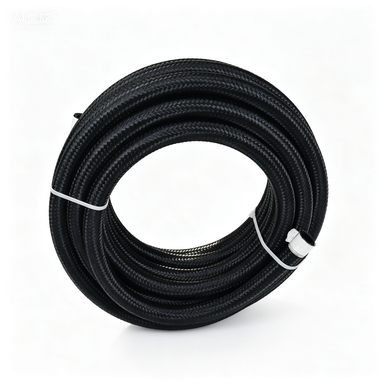
The temperature tolerance of a fuel hose is one of the most critical specifications for engine performance and safety. Understanding what temperature a fuel hose can withstand directly impacts fuel system reliability, prevents component failure, and ensures compliance with industry standards. Modern fuel systems operate under varying thermal conditions, from cold winter starts to high-temperature engine bay environments, making heat resistance a fundamental design requirement for every fuel hose application.
Fuel hoses must endure extreme temperature swings without degradation, permeation, or structural compromise. The rating of a fuel hose determines its suitability for specific applications, from standard gasoline engines to high-performance diesel systems. Whether you are replacing a fuel line assembly in a commercial vehicle or specifying new components for industrial equipment, knowing the temperature limits ensures long-term reliability and prevents costly downtime.
Understanding Fuel Hose Temperature Ratings
Standard Temperature Operating Range
Conventional fuel hoses are typically designed to withstand temperatures between 65°C and 130°C under normal operating conditions. This range covers most passenger vehicles and light-duty applications where engine bay temperatures remain moderate. However, a diesel fuel hose or specialized fuel line assembly may have different specifications based on fuel type and engine characteristics. The temperature rating is established through rigorous testing to ensure the hose material maintains its structural integrity and barrier properties across the entire range.
The lower temperature limit protects against brittleness and cracking during cold starts, while the upper limit ensures the hose elastomer does not soften, swell, or allow fuel permeation. Most OEM specifications require fuel hoses to maintain flexibility and pressure resistance at both extremes. Temperature rating standards are defined by SAE J30R series specifications, which mandate testing at designated hot and cold endpoints to simulate real-world conditions.
High-Temperature Fuel Hose Specifications
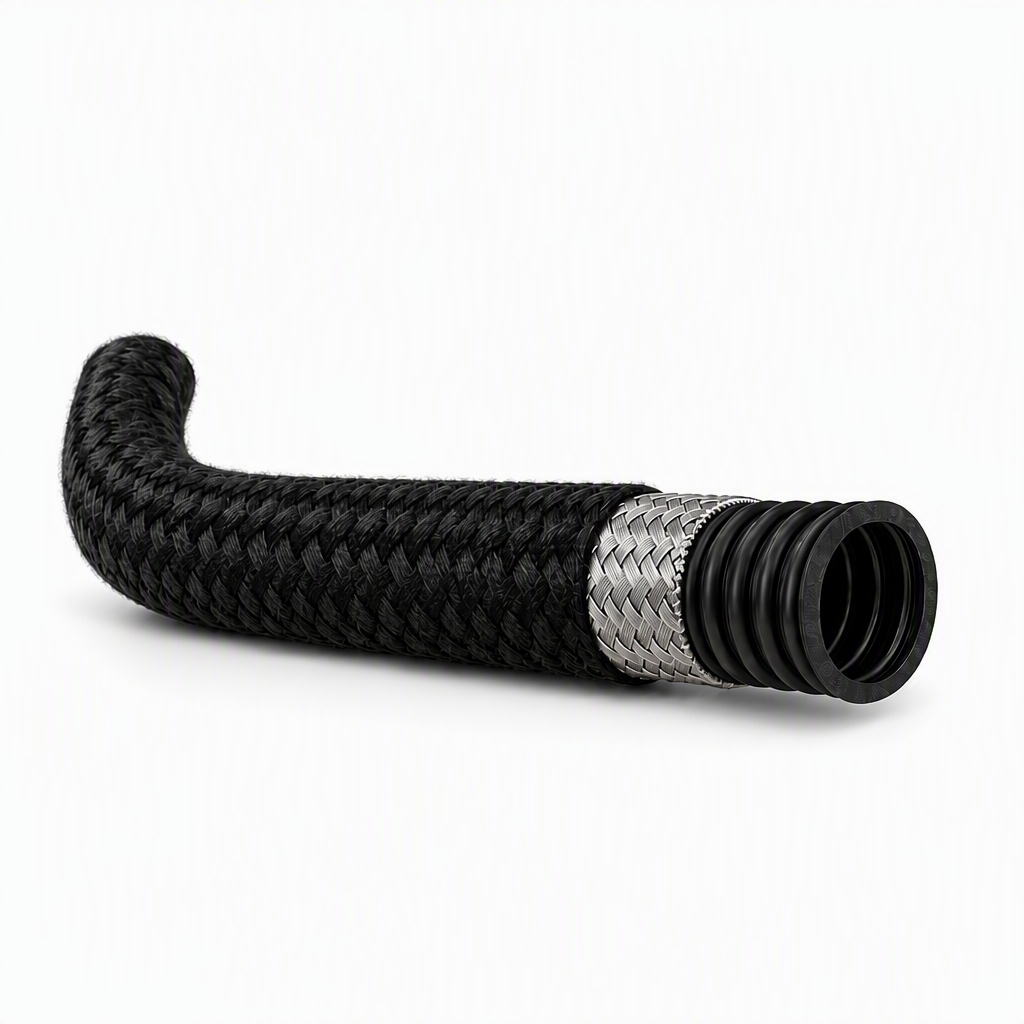
Premium and high-performance fuel hoses are engineered to withstand significantly higher temperatures, ranging from 65°C to 260°C or beyond. These advanced fuel hose products incorporate braided reinforcement, specialized inner core materials like PTFE or aramid compounds, and stainless steel wire reinforcement to achieve superior thermal stability. A fuel hose replacement that uses high-temperature-rated materials ensures compatibility with modern turbocharged engines, direct fuel injection systems, and high-pressure fuel pumps that generate substantial heat during operation.
The fuel line assembly temperature capability depends on the selection of elastomer compounds, braid materials, and core construction. Fluorocarbon rubber and aramid-braided designs provide exceptional thermal resistance and chemical compatibility with ethanol-blended fuels, biodiesel, and traditional petroleum products. These materials resist degradation and maintain pressure ratings even when exposed to sustained elevated temperatures in demanding engine bay environments.
Factors Affecting Fuel Hose Temperature Performance
Engine Type and Fuel System Pressure
Different engine types generate different thermal conditions that directly influence fuel hose temperature requirements. Diesel engines typically run hotter than gasoline engines, necessitating a diesel fuel hose with enhanced temperature resistance. Turbocharged and supercharged engines produce additional heat from forced induction, raising engine bay temperatures well above stock engine levels. High-pressure fuel injection systems, particularly common in modern diesel applications, generate friction and compression heat that fuel passing through the fuel line assembly must tolerate without degradation.
When selecting a fuel hose replacement, matching the temperature rating to your specific engine configuration is essential. Racing and performance applications may require fuel hose specifications rated for 200°C or higher to ensure reliability under extreme conditions. Industrial and commercial vehicles often operate continuously in harsh thermal environments, justifying investment in premium fuel line assembly components with superior temperature ratings and durability.
Fuel Type and Chemical Compatibility
Modern fuels containing ethanol blends, biodiesel additives, and advanced detergents interact with fuel hose elastomers differently than traditional gasoline. These chemical interactions can accelerate degradation and reduce effective temperature tolerance if the hose material is not specifically formulated for compatibility. A properly rated diesel fuel hose or fuel line assembly will specify compatibility with B100 biodiesel, low-sulfur diesel, and other specialized fuel formulations that may have different thermal and chemical properties.
The combination of elevated temperature and aggressive fuel chemistry creates a challenging environment that demands careful material selection. Aramid-braided fuel hoses with fluorocarbon inner cores provide superior resistance to both thermal stress and chemical permeation. When performing a fuel hose replacement, confirming compatibility with your vehicle's fuel type ensures the new hose will perform reliably over its intended service life without unexpected failure.
Fuel Hose Material Technology and Durability
Advanced Material Construction
Modern fuel hose engineering employs multi-layer construction to achieve exceptional temperature performance while maintaining flexibility and durability. The innermost layer, or inner tube, is typically made from synthetic rubber or PTFE that resists fuel permeation and chemical attack. The reinforcement layer—often braided aramid, nylon, or stainless steel wire—provides pressure resistance and structural support. The outer cover protects against abrasion, UV exposure, and environmental contamination while contributing to the overall temperature rating of the fuel hose.
Fuel line assembly components incorporating corrugated PTFE inner cores and aramid braiding achieve temperature ratings that far exceed conventional hoses. These advanced materials maintain their properties across extreme temperature ranges, from sub-zero cold starts to sustained high-temperature operation. A fuel hose replacement using this technology ensures your vehicle or equipment maintains peak performance and safety regardless of operating conditions.
Testing and Certification Standards
Fuel hose temperature ratings are validated through standardized testing protocols including SAE J30R3, SAE J30R4, and ISO standards that specify thermal cycling, pressure retention, and chemical immersion tests. These rigorous evaluations confirm that a fuel hose can withstand its rated temperature range without leakage, swelling, or loss of flexibility. Manufacturers perform burst pressure tests at both minimum and maximum temperature endpoints to ensure the fuel line assembly maintains structural integrity across the full operating envelope.
When selecting a fuel hose replacement, verification of compliance with applicable standards ensures you are purchasing a component engineered for genuine safety and reliability. Specifications stamped on the hose covering indicate certification status and temperature rating. A diesel fuel hose carrying SAE J30R7 certification, for example, has been tested for compatibility with diesel fuel systems and meets stringent performance requirements validated by industry testing.
FAQ
What temperature can a standard fuel hose withstand?
A standard fuel hose typically withstands temperatures between 65°C and 130°C, which covers most conventional gasoline vehicle applications. However, a diesel fuel hose or fuel line assembly used in high-performance engines may require higher temperature ratings. For specific applications, always verify the temperature specification printed on the hose or provided in the manufacturer's documentation to ensure compatibility with your system.
Can I use a standard fuel hose replacement in a high-temperature engine application?
No, using a standard fuel hose replacement in a high-temperature application risks premature failure, fuel leaks, and engine damage. High-performance and turbocharged engines generate temperatures that exceed standard hose ratings. Always select a fuel line assembly rated for your engine's specific thermal conditions—often 150°C to 260°C or higher for demanding applications. Advanced materials like aramid braiding and PTFE cores provide the thermal protection necessary for reliable long-term operation.
How do I determine the correct temperature rating for my fuel hose?
Check your vehicle's service manual or original equipment specifications for fuel system temperature requirements. For a fuel hose replacement, match the temperature rating to your engine type—diesel engines typically require higher ratings than gasoline engines. Consider any performance modifications, turbocharging, or specialized fuel chemistry that might increase thermal demands. When in doubt, selecting a fuel line assembly with a higher temperature rating provides additional safety margin and durability.
 EN