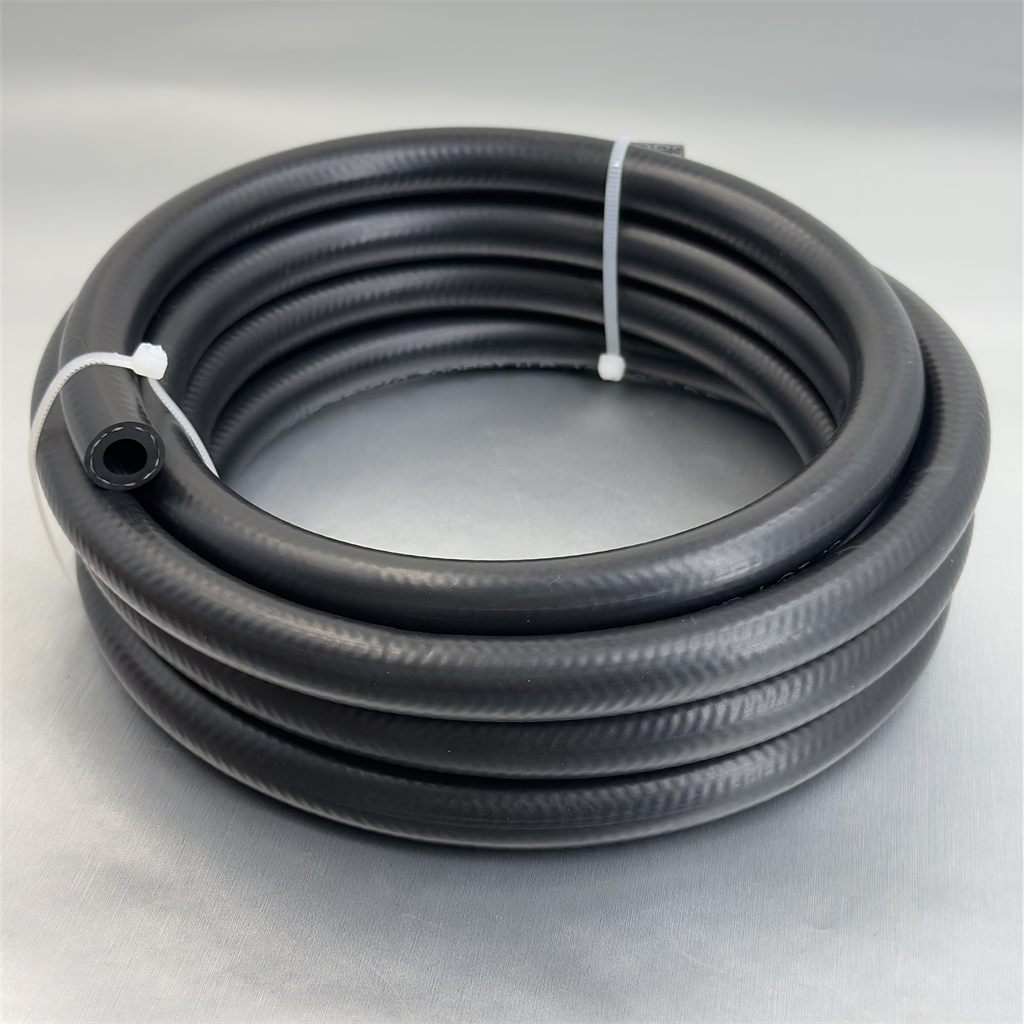
The engine cooling system relies on durable components to manage extreme heat, and the radiator hose stands as one of the most critical elements in this thermal management network. Understanding the temperature capabilities of your coolant hose directly impacts engine longevity, system reliability, and maintenance planning. Most standard radiator hoses are engineered to withstand continuous operating temperatures between 200 and 250 degrees Fahrenheit, though peak conditions can push these limits significantly higher.
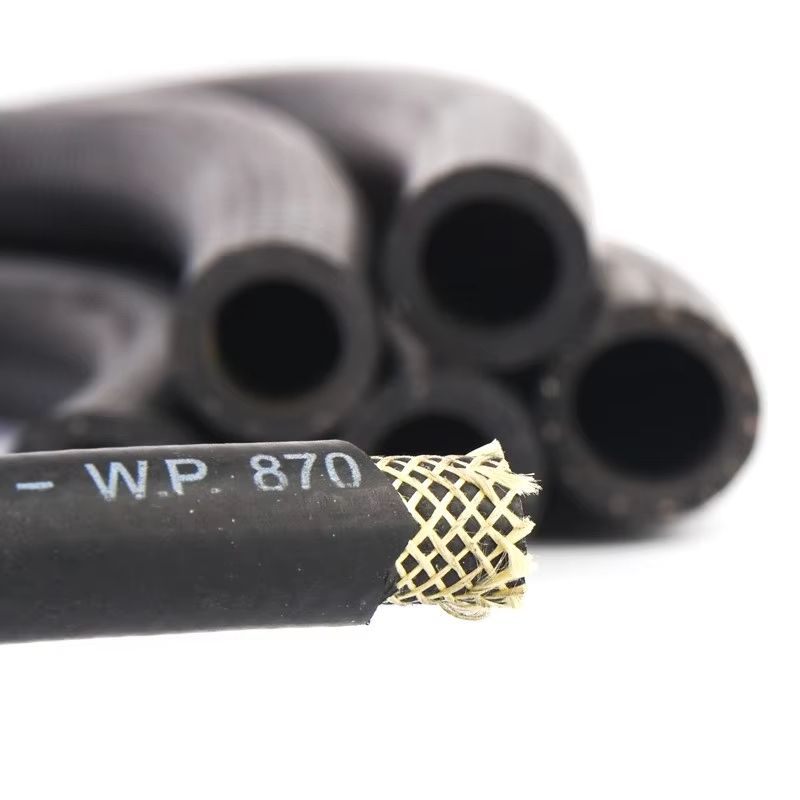
The engine cooling system continuously circulates coolant through passages and hoses to dissipate heat away from critical engine components. Your radiator hose replacement may become necessary when temperature rating expectations are exceeded or when material degradation compromises structural integrity. Modern vehicles employ reinforced rubber compounds and sometimes synthetic materials to handle these demanding thermal conditions while maintaining flexibility and seal integrity throughout the coolant hose network.
Temperature Ratings and Material Specifications
Standard Operating Temperature Ranges
Most conventional radiator hose designs operate effectively between 200 and 250 degrees Fahrenheit under normal highway and city driving conditions. The engine cooling system pushes coolant through these hoses at peak temperatures that approach or occasionally exceed these baseline ratings. Heavy-duty applications, high-performance engines, or vehicles operating in extreme climates may experience sustained temperatures near the upper tolerance limit of the radiator hose material.
Standard coolant hose construction typically uses rubber compounds reinforced with fabric or wire mesh to provide structural support and burst resistance. These materials maintain their elasticity and sealing properties within the 200 to 250-degree range, allowing the engine cooling system to function without leaks or ruptures. Beyond these limits, rubber compounds begin to degrade, losing flexibility and becoming brittle.
Advanced High-Temperature Materials
Premium radiator hose replacement options now incorporate silicone or fluoroelastomer compounds rated for continuous service up to 260 degrees Celsius or higher. These advanced materials offer superior heat resistance compared to standard rubber, extending the operational envelope of the coolant hose significantly. High-performance vehicles, racing applications, and industrial engine cooling systems benefit from these enhanced temperature ratings.
Silicone-based hoses provide thermal stability, chemical resistance, and durability that standard rubber cannot match. When the engine cooling system operates at elevated temperatures or the radiator hose experiences frequent thermal cycling, these premium materials prevent premature deterioration and maintain seal integrity. The investment in quality radiator hose replacement with advanced materials pays dividends in system reliability and extended component lifespan.
Factors That Affect Temperature Performance
System Pressure and Coolant Type
The engine cooling system operates under positive pressure, typically 15 to 16 pounds per square inch in most passenger vehicles. This pressure elevation raises the boiling point of coolant, allowing the radiator hose and coolant hose to safely contain higher-temperature fluids without vaporization. Using the correct coolant specification ensures compatibility with your radiator hose material and maintains proper thermal conductivity throughout the engine cooling system.
Different coolant formulations interact with rubber and synthetic hose materials in distinct ways. Ethylene glycol-based coolants, propylene glycol varieties, and extended-life formulations all have varying chemical compatibility profiles with radiator hose compounds. Selecting radiator hose replacement components rated for your specific coolant type prevents incompatibility issues and ensures the coolant hose performs at its maximum temperature capacity.
Age, Wear, and Environmental Stress
A radiator hose experiences repeated thermal expansion and contraction cycles throughout its service life, gradually weakening the material. UV exposure, ozone degradation, and proximity to hot engine surfaces accelerate material embrittlement even when the coolant hose itself remains below peak operating temperatures. Radiator hose replacement becomes necessary when visual inspection reveals cracks, ballooning, softening, or any signs of material compromise.
The engine cooling system's ability to maintain safe operating conditions depends on hose integrity throughout the circuit. A weakened coolant hose that initially tolerates design temperatures may fail catastrophically under transient temperature spikes or pressure surges. Regular inspection and preventive radiator hose replacement every 5 to 7 years ensures the engine cooling system maintains structural reliability regardless of age-related material degradation.
Recognizing Temperature-Related Failures and Maintenance
Signs of Temperature Stress and Material Breakdown
Coolant leaks, white crusty deposits around connection points, or sweet-smelling drips beneath the vehicle indicate potential radiator hose failure related to thermal stress. A radiator hose replacement becomes urgent when the hose feels soft or spongy to touch, shows visible bulges, or displays cracking patterns. These symptoms suggest the coolant hose material has degraded beyond safe operating limits and cannot reliably contain the engine cooling system's fluids and pressure.
Temperature fluctuations during start-up, sustained highway driving, or stop-and-go traffic generate mechanical stress on the radiator hose. Material fatigue eventually causes small ruptures that expand into major leaks. The engine cooling system loses coolant rapidly once integrity fails, leading to overheating and potential engine damage if not addressed immediately through radiator hose replacement.
Maintenance and Proactive Temperature Management
Flushing and refilling the engine cooling system every 30,000 to 50,000 miles helps maintain optimal heat transfer and protects radiator hose material through proper coolant conditioning. Clean coolant maximizes the radiator's ability to dissipate engine heat, reducing strain on the coolant hose during peak operating conditions. Additionally, ensuring the thermostat functions correctly prevents sustained overcooling or overheating scenarios that accelerate radiator hose degradation.
Monitoring coolant levels regularly provides early warning of radiator hose replacement needs before catastrophic failure occurs. A gradual decline in coolant levels suggests slow leaking from the coolant hose or connection points, allowing you to schedule maintenance proactively. Addressing small leaks immediately through radiator hose replacement prevents complete engine cooling system failure during critical driving situations.
FAQ
What is the maximum temperature a standard radiator hose can handle continuously?
Standard radiator hoses are designed to handle continuous temperatures between 200 and 250 degrees Fahrenheit safely. Most passenger vehicles operate within this range during normal driving, though brief temperature spikes may exceed these limits. If your engine cooling system consistently runs above these temperatures, upgrading to premium coolant hose materials or investigating thermostat function is recommended.
How often should I replace my radiator hose to maintain temperature safety?
Radiator hose replacement is typically recommended every 5 to 7 years or after 50,000 to 60,000 miles, whichever comes first. Age-related material degradation reduces the ability of your coolant hose to withstand design temperatures safely. More frequent replacement may be necessary if your engine cooling system operates at higher temperatures, if you drive in extreme climates, or if visual inspection reveals any signs of material compromise.
Can I use any coolant type with my existing radiator hose?
Different coolant formulations have varying chemical compatibility with radiator hose materials. Always use the coolant type specified in your vehicle's owner manual to ensure proper compatibility with your engine cooling system and coolant hose. Mixing incompatible coolants or using incorrect types can cause premature degradation of the radiator hose and compromise the integrity of the entire cooling system.
 EN