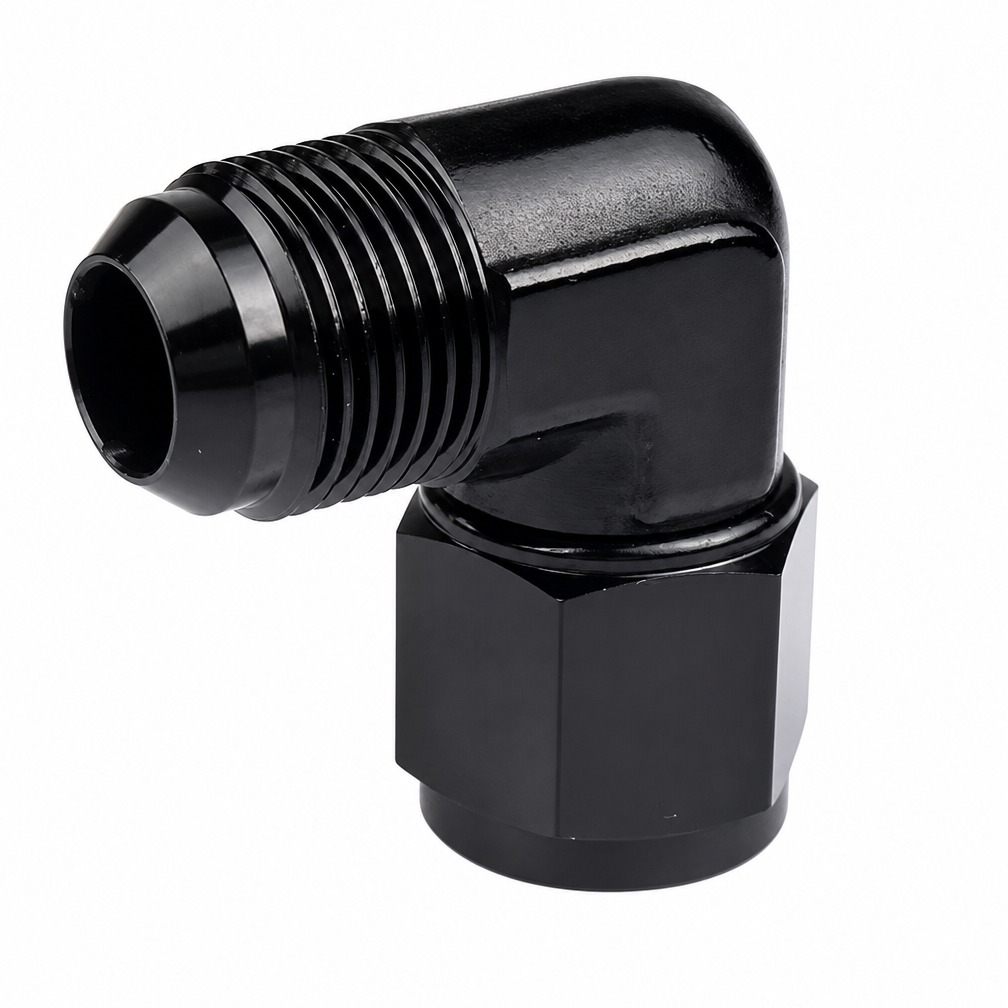
Understanding the temperature range an AN fitting can handle is critical for industrial, aerospace, and automotive applications. These hydraulic and pneumatic connectors are engineered to operate reliably across demanding thermal environments, but their actual performance depends on material composition, construction quality, and the specific system design. Knowing the thermal limits of your AN connector prevents failures, extends equipment life, and ensures operational safety.
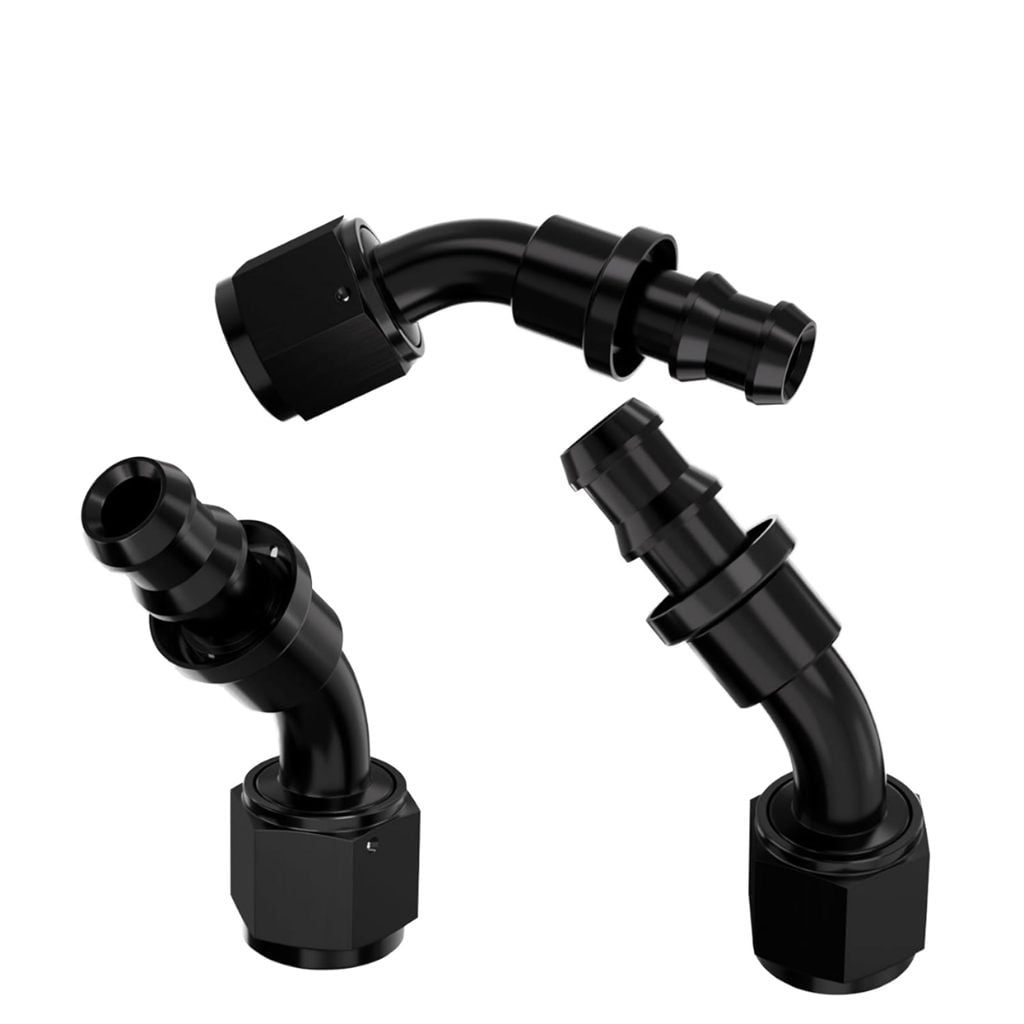
AN fittings come in various material grades designed to handle different thermal profiles. Standard aluminum AN connector options typically function in moderate temperature ranges, while stainless steel and specialized alloy versions extend thermal tolerance significantly. The AN thread adapter, tubing material, and sealing compounds all influence the maximum and minimum temperatures the complete assembly can safely maintain without degradation or seal failure.
Temperature Operating Range for Standard AN Fittings
Typical Temperature Limits by Material
Most standard aluminum AN fittings operate safely between minus 55 degrees Celsius and plus 100 degrees Celsius, though this baseline varies by manufacturer and specific alloy composition. Stainless steel variants of the AN thread adapter push upper limits to approximately 120 to 150 degrees Celsius, while specialized high-temperature formulations can tolerate peaks near 200 degrees Celsius. Lower temperature performance depends equally on seal materials; synthetic elastomers and PTFE-based seals perform better in cryogenic conditions than traditional rubber compounds.
Seal Material Impact on Thermal Range
The sealing ring or O-ring inside an AN quick disconnect coupling often becomes the limiting thermal component. Buna-N seals function well between minus 40 and plus 100 degrees Celsius, while Viton seals extend upper temperature tolerance to 200 degrees Celsius. For extreme cold applications, fluorosilicone and PTFE-based seals maintain flexibility and sealing integrity below minus 60 degrees Celsius. When specifying an AN connector for thermal extremes, verify that both the body material and seal compound match your application's temperature profile.
High-Temperature Applications and Pressure Interactions
Racing and Engine Bay Environments
Racing vehicles and high-performance engines expose AN fittings to intense localized heat combined with elevated system pressures. Engine bay temperatures regularly exceed 120 degrees Celsius near exhaust systems, and fuel lines routed through these zones demand AN thread adapter specifications rated for sustained exposure. Stainless steel braided hose assemblies paired with stainless steel AN fitting bodies provide superior thermal stability compared to standard aluminum options, resisting thermal creep and material softening that could compromise system integrity.
Pressure and Temperature Synergies
System pressure and temperature interact in critical ways for AN quick disconnect coupling performance. Higher pressures reduce the material's effective temperature limit due to increased stress concentrations and accelerated elastomer degradation. A fitting rated for 150 degrees Celsius at 50 bar may only safely operate at 130 degrees Celsius under 200 bar conditions. Always cross-reference pressure-temperature derating curves provided by the fitting manufacturer to confirm that your intended operating envelope falls within safe boundaries.
Cold Weather and Cryogenic Considerations
Brittleness and Seal Stiffness
Extreme cold temperatures cause elastomeric seals to stiffen and lose flexibility, increasing the risk of leakage when the AN connector is depressurized or cycled. Standard Buna-N seals lose resilience below minus 40 degrees Celsius, potentially compromising the watertight performance of the fitting. Applications in arctic environments, high-altitude facilities, or cryogenic systems require specialty seal materials such as fluorosilicone or PTFE to maintain thermal resistance. Additionally, the aluminum body itself can become brittle at very low temperatures if the alloy composition lacks sufficient toughness.
Thermal Cycling and Material Fatigue
Repeated thermal cycling between temperature extremes accelerates material fatigue in AN fittings, causing micro-cracking in the body and accelerated seal degradation. Industrial applications that swing from minus 30 degrees Celsius to plus 120 degrees Celsius daily experience faster wear than steady-state operations. This cycling effect makes seal material selection even more critical; PTFE-based compounds resist thermal cycling better than traditional elastomers. Stainless steel AN thread adapter construction also demonstrates superior fatigue resistance during temperature cycling compared to standard aluminum alternatives.
FAQ
Can an AN fitting withstand temperatures above 200 degrees Celsius?
Standard AN connectors are not designed for sustained exposure above 150 to 200 degrees Celsius depending on material grade. Specialized high-temperature variants with exotic alloys and advanced seals can function briefly at higher temperatures, but continuous operation above 200 degrees Celsius risks seal failure, material softening, and potential catastrophic leakage. For extreme thermal applications, consult the fitting manufacturer's technical documentation and pressure-temperature derating tables to confirm safe operating limits for your specific AN quick disconnect coupling design.
How does an AN thread adapter respond to rapid temperature changes?
Rapid temperature shifts cause differential expansion between the AN fitting body, seal materials, and connected tubing, creating internal stress and potential seal migration. Quick temperature swings from hot to cold can temporarily increase leak risk until thermal equilibrium restores. Using PTFE-based seals and matching the thermal expansion coefficients of connected materials minimizes this risk. Industrial systems subject to thermal shock should incorporate stabilization buffers or thermal insulation around critical AN connector joints to reduce the rate of temperature change.
What is the minimum temperature an AN connector can safely handle?
Most standard AN fittings operate safely down to minus 55 degrees Celsius, though performance depends on seal material and body alloy composition. Cryogenic or aerospace applications require specialty AN thread adapter designs with fluorosilicone or PTFE seals to function reliably below minus 60 degrees Celsius. At extreme cold temperatures, verify that seals remain flexible and that the fitting body material retains adequate impact resistance. The AN quick disconnect coupling's manufacturer should provide cold-temperature performance data or recommend alternative materials for sub-arctic environments.
 EN