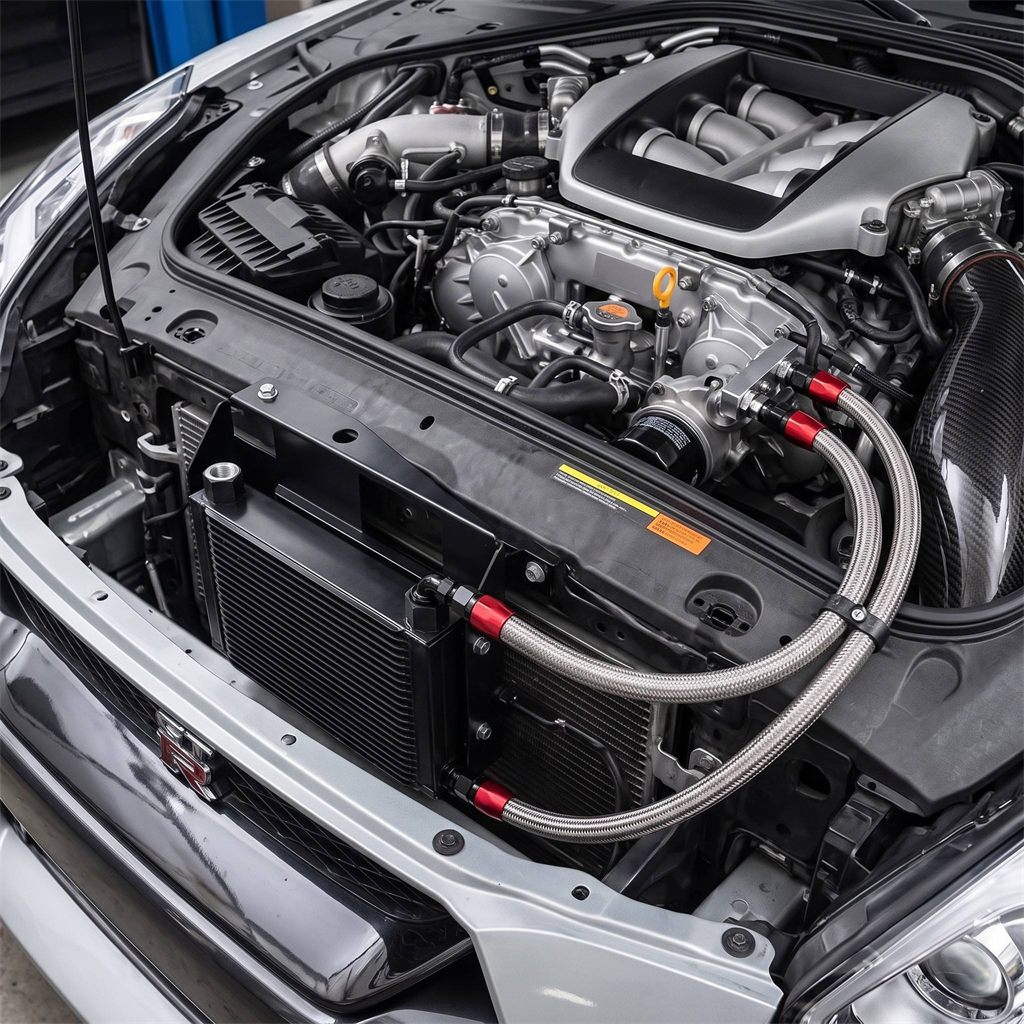
Understanding the temperature range that an oil cooler can handle is critical for maintaining equipment reliability and extending component lifespan in demanding industrial and automotive environments. An oil cooler works by managing thermal loads generated during engine or transmission operation, ensuring lubricants remain within safe operating temperatures. The ability of an oil cooler to perform depends directly on its design specifications, material composition, and the cooling capacity engineered into the system.
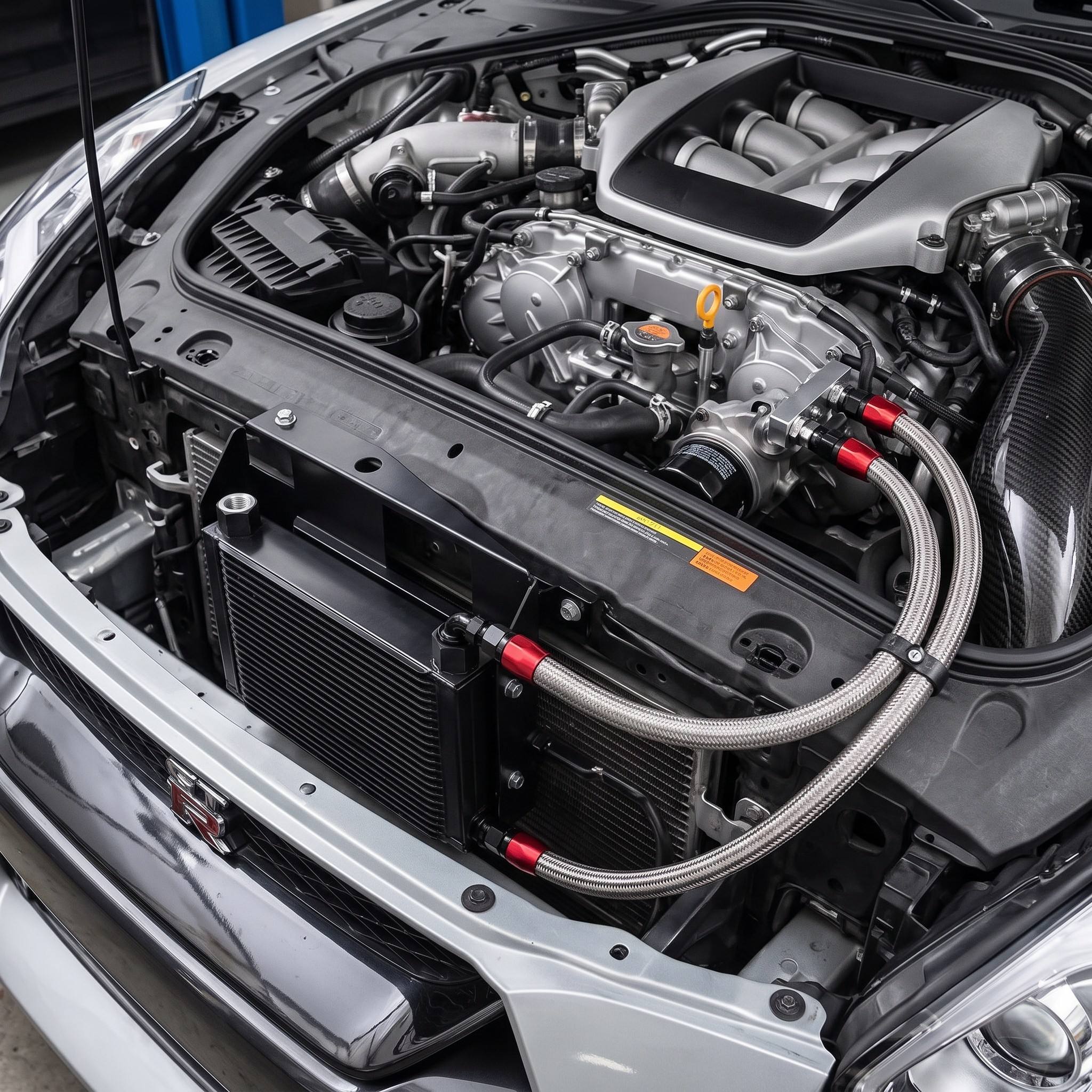
Typical oil coolers are engineered to handle inlet temperatures ranging from minus 40 degrees Celsius to approximately 120 degrees Celsius, though this range varies depending on the specific application and cooler classification. An engine oil cooler designed for automotive use must contend with engine compartment heat, while a transmission oil cooler faces unique thermal challenges in automatic transmission environments. The maximum outlet temperature achieved by a properly functioning oil cooling system typically falls between 80 and 100 degrees Celsius for most automotive and light industrial applications, though specialized heavy-duty units may operate at higher thresholds.
Operating Temperature Limits and Design Specifications
Maximum Inlet and Outlet Temperature Ratings
The temperature range an oil cooler can safely manage is determined during the engineering phase, with manufacturers establishing clear operational boundaries. Most passenger vehicle engine oil coolers are rated to manage coolant inlet temperatures up to 110 to 120 degrees Celsius without degradation of the cooling medium or internal components. An oil cooling system must be sized appropriately for its application, as undersized units struggle to maintain safe oil temperatures under peak load conditions, while oversized systems waste energy and cost.
Industrial transmission oil coolers often have different thermal requirements than automotive variants, particularly in heavy equipment and marine applications where sustained high-temperature operation is common. The transmission oil cooler must maintain outlet temperatures below critical thresholds, typically 65 to 85 degrees Celsius for optimal transmission fluid lifespan and performance. Material science and thermodynamic design combine to establish these limits, ensuring both safety and durability.
Seasonal and Environmental Variations
Cold-start conditions present unique challenges for oil cooling systems, especially in northern climates where ambient temperatures drop well below freezing. An engine oil cooler must permit rapid warm-up by reducing cooling flow during startup, preventing excessive heat loss that would keep oil viscosity dangerously high. Modern oil cooling system designs incorporate thermostatic bypass valves that sense oil temperature and adjust flow rates accordingly, maintaining optimal performance across the entire temperature operating envelope.
Environmental factors such as altitude, humidity, and ambient air temperature directly influence the effectiveness of air-to-oil heat exchange within the cooler core. A transmission oil cooler operating in a desert environment faces different thermal challenges than the same unit deployed in a temperate coastal region. Engineers must account for these variations when selecting and specifying oil cooler equipment for specific applications.
Material Durability and Thermal Stress
Aluminum and Copper Construction Under Heat
The materials chosen for oil cooler construction determine the maximum safe operating temperature the unit can endure without material degradation, seal failure, or structural compromise. Most modern engine oil coolers use aluminum cores for weight and cost efficiency, while transmission oil coolers frequently employ aluminum or copper constructions depending on cooling performance requirements. These materials maintain structural integrity across the entire specified temperature range, though their thermal expansion characteristics must be carefully managed through gasket and seal selection.
Sealing materials within an oil cooling system must resist both the thermal stress of temperature cycling and the chemical exposure of hot lubricating oils. Synthetic rubber and elastomer compounds used in modern oil cooler seals are engineered to remain flexible and maintain their sealing properties across wide temperature swings. If oil temperatures exceed design limits, seal degradation accelerates rapidly, leading to leaks and system failure.
Thermal Cycling and Component Longevity
Repeated thermal cycling, where an oil cooler experiences rapid temperature fluctuations between hot and cold extremes, accelerates material fatigue and can compromise core joints and brazed connections. An engine oil cooler in automotive service experiences thousands of thermal cycles during its operational lifetime, making robust construction essential for reliability. The transmission oil cooler faces similar challenges, particularly in stop-and-go driving patterns common in urban environments.
Manufacturers design quality oil cooling systems with material redundancy and robust joint construction to handle this inevitable stress. Proper maintenance, including regular oil analysis and temperature monitoring, helps identify cooler degradation before catastrophic failure occurs.
Practical Applications and Performance Management
Heavy-Duty and Commercial Vehicle Requirements
Heavy trucks and commercial vehicles operate their transmission oil cooler and engine oil cooler in much more demanding thermal environments than passenger vehicles. An engine oil cooler in a commercial truck must manage sustained high-temperature operation without compromising oil properties or equipment reliability. These applications often require industrial-grade cooling systems rated for extended periods at upper temperature thresholds, sometimes approaching 130 degrees Celsius inlet temperatures.
Commercial fleet operators recognize that proper oil cooling system maintenance directly impacts fuel economy, engine longevity, and transmission durability. Temperature excursions beyond cooler design limits correlate with increased maintenance costs and unexpected downtime. Monitoring engine and transmission oil temperatures through onboard diagnostics allows operators to identify cooling system issues before they compromise equipment performance.
Preventive Maintenance and Temperature Monitoring
Effective management of oil cooler temperature capacity begins with understanding equipment design limits and establishing proactive maintenance protocols. An engine oil cooler that becomes partially blocked by debris or corrosion loses cooling effectiveness, causing oil temperatures to climb toward unsafe levels. Similarly, a transmission oil cooler clogged by transmission fluid breakdown products will fail to dissipate heat efficiently, leading to premature transmission wear.
Fleet managers and equipment owners should establish temperature baseline expectations for their specific oil cooling system under normal operating conditions. Comparing current temperatures against these baselines reveals degradation trends, allowing maintenance intervention before catastrophic failure. Modern engine management systems provide real-time temperature data that facilitates this proactive approach to oil cooler maintenance and longevity.
FAQ
What is the typical maximum temperature an oil cooler can handle?
Most automotive and light industrial oil coolers are designed to manage inlet temperatures up to 110 to 120 degrees Celsius safely. An engine oil cooler or transmission oil cooler should maintain outlet temperatures in the 80 to 100 degree Celsius range under normal operation. Heavy-duty industrial oil cooling systems may be rated for higher temperatures, sometimes exceeding 130 degrees Celsius inlet capability, depending on application-specific requirements and material engineering.
How does an oil cooling system maintain temperature within safe limits?
An oil cooler uses thermostatic bypass valves that sense lubricant temperature and automatically adjust cooling flow rates to maintain optimal thermal conditions. When oil is cold, the bypass valve restricts flow through the cooler, permitting rapid warm-up. As oil temperature rises toward the setpoint, the valve gradually opens the cooler circuit, increasing heat rejection. This automatic temperature regulation ensures the oil cooling system maintains the target outlet temperature across varying load conditions.
What happens if an oil cooler exceeds its design temperature range?
Operating an oil cooler beyond its design temperature range accelerates seal degradation, permits oil breakdown and viscosity loss, and can damage internal cooler components through thermal stress and material fatigue. An engine oil cooler or transmission oil cooler exposed to sustained temperature excursions suffers reduced service life and increased risk of leaks or complete failure. This situation leads to expensive equipment damage, unexpected downtime, and potential safety hazards in commercial or industrial environments.
 EN