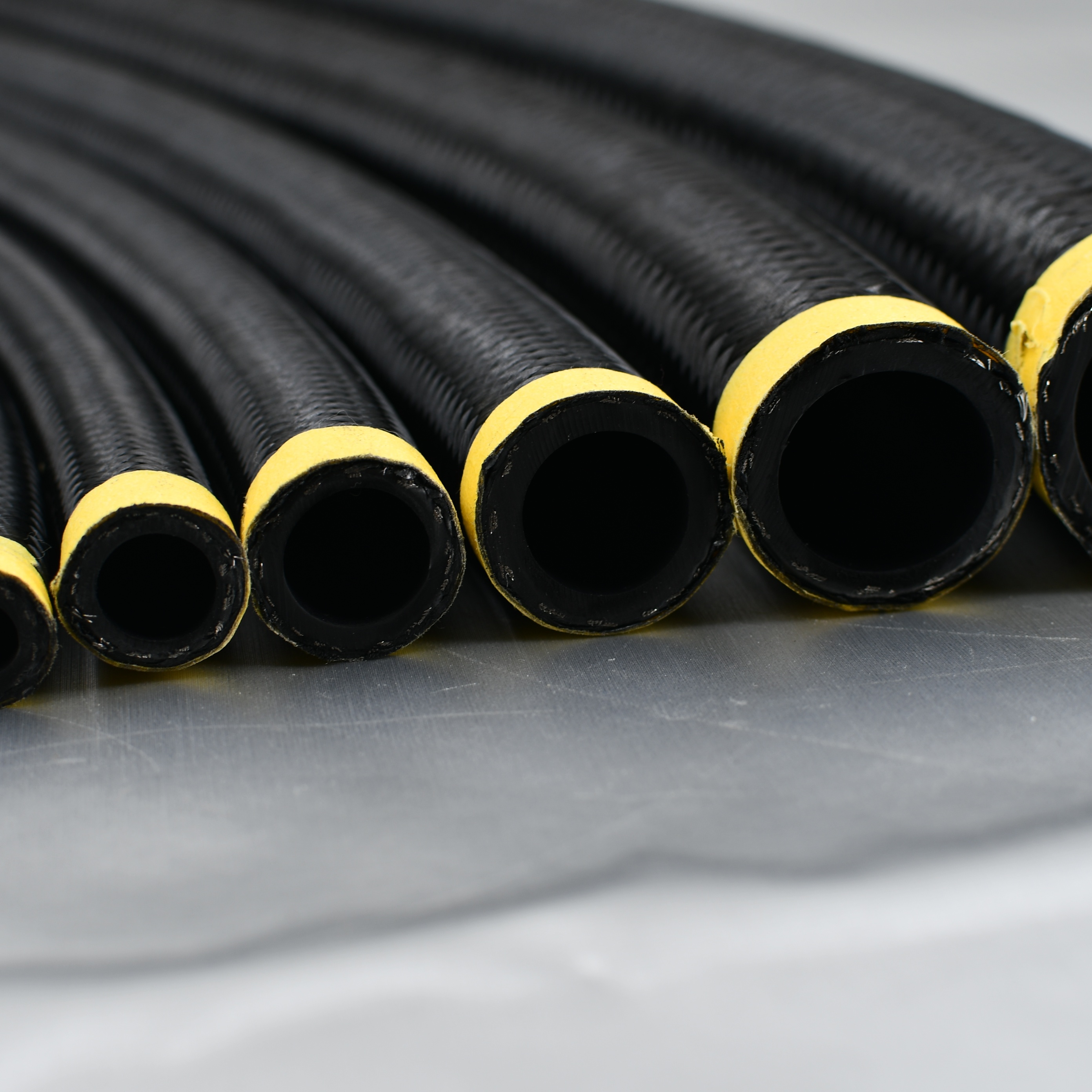
Understanding the temperature capabilities of a braided hose is critical for selecting the right component in demanding industrial and automotive applications. Temperature resistance determines whether a hose will perform reliably under extreme conditions or fail prematurely, potentially causing costly downtime or safety hazards. Engineers and procurement professionals must know the thermal limits of their hose materials to ensure safe operation and prevent leaks, degradation, or catastrophic failure in high-heat or cryogenic environments.
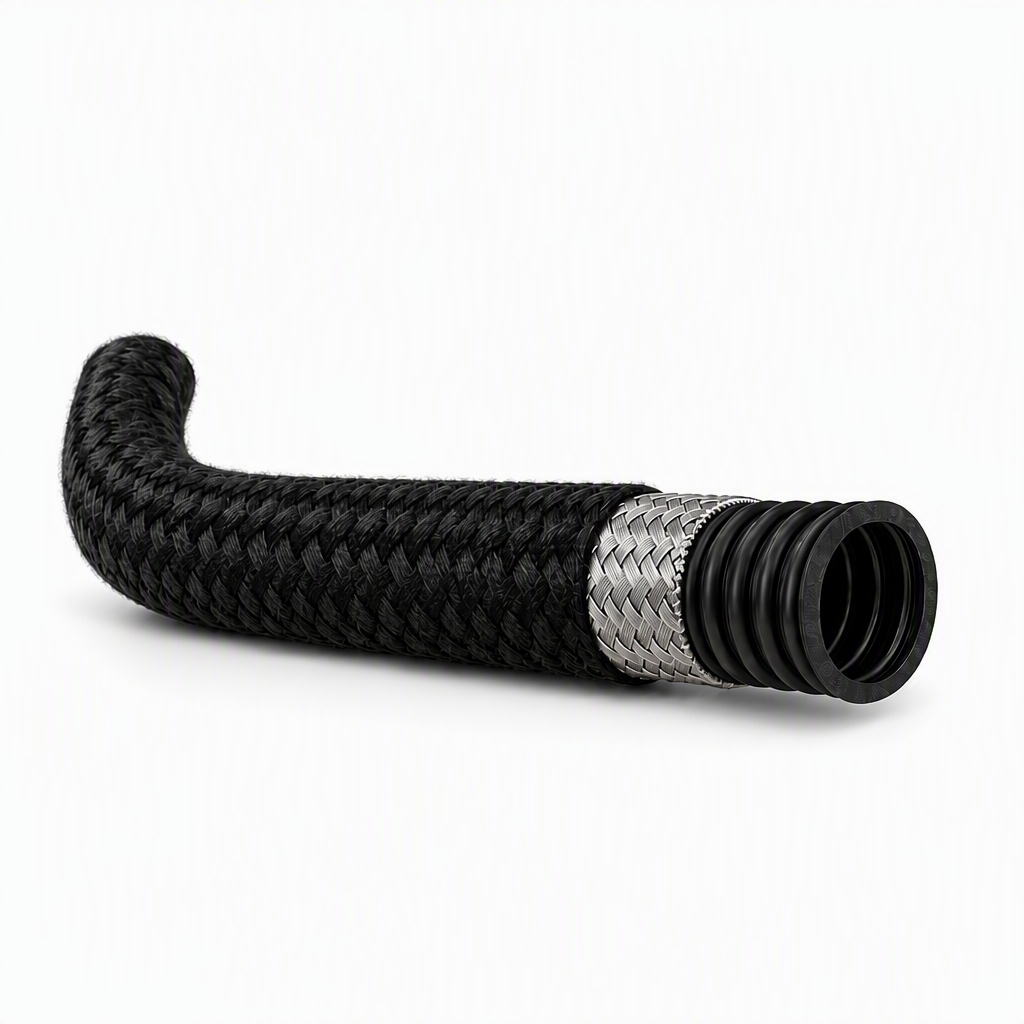
Temperature ranges vary significantly depending on hose construction, inner tube material, braid composition, and intended application. A braided brake hose designed for automotive braking systems operates within different thermal parameters than a stainless steel braided hose used in high-pressure fuel delivery or a braided hydraulic hose in industrial machinery. Understanding these distinctions helps you select the appropriate hose type and avoid misapplication that could compromise performance or safety.
Core Temperature Capabilities Across Braided Hose Types
Standard Braided Brake Hose Temperature Range
A braided brake hose typically operates between minus 40 degrees Celsius and plus 120 degrees Celsius under normal automotive conditions. The inner tube, usually made from synthetic rubber or EPDM, establishes this lower thermal boundary, while the metal braid reinforcement and outer cover define the upper limit. Brake systems generate heat through friction, especially during heavy braking or extended downhill driving, so brake hoses must tolerate sustained elevated temperatures without degrading or losing pressure integrity.
Modern automotive braided brake hoses are engineered to meet SAE and DOT standards that specify thermal cycling requirements. These standards ensure that a braided brake hose remains flexible and seal-tight even after repeated temperature fluctuations. Failure to meet these specifications can result in brake fluid loss, reduced braking performance, or complete brake system failure, making temperature rating non-negotiable in this application.
Stainless Steel Braided Hose Extended Range Performance
A stainless steel braided hose extends thermal capabilities significantly, often functioning between minus 50 degrees Celsius and plus 200 degrees Celsius or higher, depending on core material. The stainless steel wire braid provides superior heat resistance compared to nylon or cotton braiding, allowing the hose to maintain structural integrity in extreme conditions. Stainless steel braided hoses are preferred in applications like fuel injection systems, turbocharger cooling circuits, and engine bay environments where standard rubber-core hoses would degrade rapidly.
The inner core material in a stainless steel braided hose remains the primary thermal limiting factor. Hoses with PTFE or aramid inner cores push the upper temperature limit toward 260 degrees Celsius or beyond, making them suitable for high-performance engines, military equipment, and aerospace systems. Lower-temperature capability, typically minus 65 degrees Celsius, is achievable with specialized fluoropolymer compositions that maintain flexibility in extreme cold.
Braided Hydraulic Hose Temperature Specifications
Standard Hydraulic Hose Operating Range
A braided hydraulic hose commonly operates between minus 40 degrees Celsius and plus 100 degrees Celsius for general industrial use. Hydraulic systems in manufacturing equipment, construction machinery, and agricultural applications typically generate modest heat, so standard synthetic rubber cores paired with wire or textile braiding offer adequate thermal protection. These hoses comply with ISO 1402 or equivalent standards that define temperature cycling and aging resistance requirements.
Long-term exposure to temperatures near the upper limit can accelerate fluid oxidation and cause the hose elastomer to harden or crack over time. Operators must monitor system temperatures and implement cooling strategies if hydraulic fluid consistently approaches the maximum rated temperature, as exceeding these limits will shorten hose service life significantly.
High-Temperature Hydraulic Hose Variants
Specialized braided hydraulic hose designs can operate in higher temperature environments, particularly those using synthetic fluids like polyalphaolefin or phosphate ester compounds. These advanced fluids paired with high-performance elastomers and wire braiding allow temperature operation up to plus 150 degrees Celsius or higher in some formulations. Such hoses are essential in systems where ambient conditions, process heat, or frequent load cycling generates substantial thermal energy.
The selection of a braided hydraulic hose for high-temperature service requires careful matching of fluid type, hose construction, and environmental factors. Using a standard hose in a high-temperature application will result in premature failure, fluid contamination from elastomer breakdown products, and system malfunction that could damage expensive hydraulic components.
Material Selection and Temperature Trade-offs
Inner Core Composition Impact on Thermal Range
The inner core material defines the fundamental temperature limits of any braided hose construction. Synthetic rubber cores typically max out around 120 to 140 degrees Celsius, while EPDM reaches similar limits. PTFE-based cores, found in premium braided hydraulic hose and braided brake hose variants, tolerate temperatures to 260 degrees Celsius, making them ideal for extreme-duty applications like aerospace, motorsports, and military systems.
Conversely, selecting an over-spec hose with PTFE or aramid cores increases cost and may introduce unnecessary stiffness at low temperatures. Engineers must balance thermal requirements against flexibility, ease of installation, and budget constraints. A stainless steel braided hose with a PTFE core offers superior temperature capability but demands careful routing and support to accommodate its reduced flexibility compared to standard rubber-core alternatives.
Braid Material and Structural Integrity at Temperature Extremes
Wire braiding, whether stainless steel or carbon steel, maintains its structural strength across a broader temperature range than textile braiding. A stainless steel braided hose resists oxidation and corrosion, extending service life in marine, chemical, and outdoor environments where temperature fluctuations accompany moisture and corrosive exposure. Textile braiding, common in standard braided brake hose and entry-level braided hydraulic hose designs, can absorb moisture and deteriorate when subjected to prolonged temperature cycling.
Selection of braid material directly influences long-term reliability and total cost of ownership. Investing in stainless steel braiding for applications experiencing temperature stress, moisture, or chemical exposure pays dividends through extended hose life and reduced maintenance interruptions.
FAQ
What happens if a braided hose exceeds its maximum temperature rating?
Exceeding the maximum temperature rating of a braided hose causes accelerated degradation of the inner core elastomer, resulting in loss of seal integrity, fluid leakage, and potential system failure. The braided reinforcement may retain structural strength, but the compromised inner core cannot maintain pressure containment. Additionally, thermal cycling above rated limits weakens material bonds and promotes cracking, which can cascade into catastrophic hose rupture during operation.
Can a stainless steel braided hose be used in place of a standard braided brake hose?
A stainless steel braided hose can technically substitute for a standard braided brake hose if the thermal and pressure ratings meet or exceed the original specifications. However, the increased cost and potentially different stiffness characteristics may complicate installation or require bracket modifications. Always verify that the replacement hose conforms to SAE and DOT standards for brake applications and matches the required working pressure, not just temperature capability.
How do I determine the correct temperature rating for a braided hydraulic hose in my system?
Review your system's technical documentation for maximum expected fluid temperature, ambient operating conditions, and pressure requirements. Measure actual system temperature under typical and peak load conditions using an infrared thermometer or system sensor. Select a braided hydraulic hose rated at least 20 degrees Celsius above your measured peak temperature to provide a safety margin and account for localized hot spots near pumps or friction points. Consult the hose manufacturer's specification sheet to confirm material compatibility with your hydraulic fluid type.
 EN