 EN

what-temperature-range-can-custom-brake-hoses-withstand, what-temperature-range-can-custom-brake-hoses-withstand, /news
EN
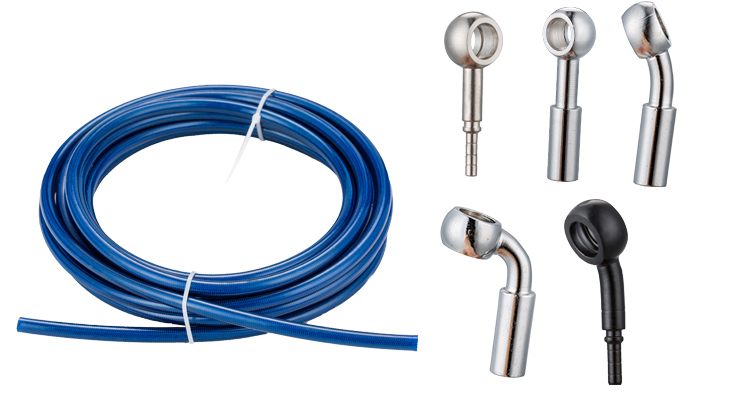
Understanding the temperature capabilities of a custom brake hose is critical for vehicle safety and system reliability. Whether you're building a high-performance vehicle, working on an industrial hydraulic system, or upgrading your daily driver, knowing the thermal limits of your braided brake lines and hydraulic brake tubing ensures your braking system performs consistently under extreme conditions. The temperature range that custom brake hoses can withstand directly impacts their longevity, effectiveness, and ability to handle demanding driving environments.
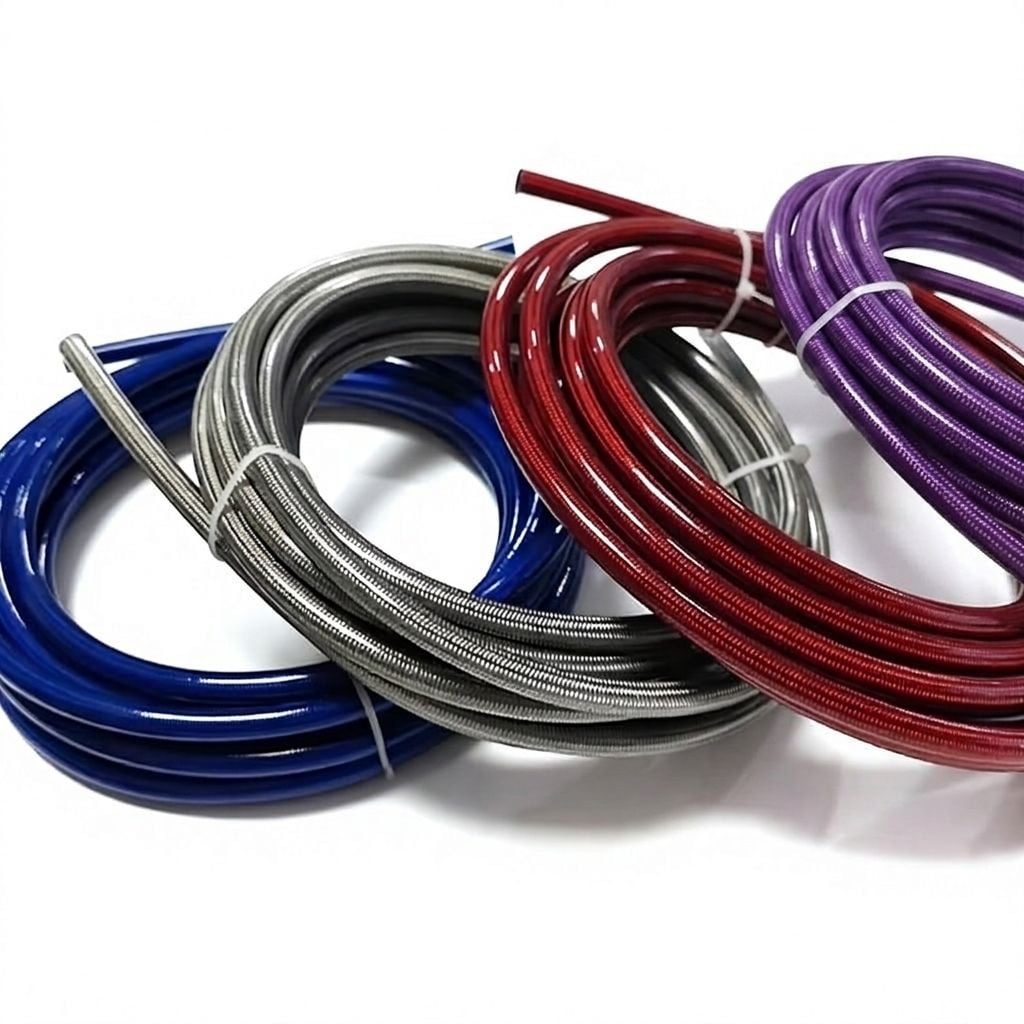
Most DOT brake hose specifications establish minimum and maximum temperature operating ranges to protect both the hose material and the brake fluid inside. A custom brake hose engineered to meet industrial standards typically operates safely between minus forty degrees Fahrenheit and three hundred fifty degrees Fahrenheit, though specific limits depend on the hose construction, inner core material, and outer braid composition. Understanding these boundaries allows engineers and technicians to select the appropriate hydraulic brake tubing for their specific application.
DOT brake hose specifications define the acceptable temperature window for safe brake system operation. High-quality braided brake lines with rubber cores typically handle temperatures from minus forty to two hundred fifty degrees Fahrenheit in standard automotive applications. For extreme-duty environments such as racing, industrial hydraulic systems, or vehicles operating in desert conditions, manufacturers engineer hoses with PTFE inner cores and stainless steel braiding, which can tolerate temperatures reaching three hundred fifty degrees Fahrenheit or higher. The material selection fundamentally determines how well hydraulic brake tubing resists thermal degradation and maintains structural integrity under heat stress.
Temperature and pressure work together to stress custom brake hose materials. As brake fluid temperature rises due to repeated braking, the internal pressure increases simultaneously, doubling the mechanical load on the hose walls. DOT brake hose specifications account for this interaction by rating hoses at combined pressure and temperature thresholds. Braided brake lines with reinforced construction can handle higher concurrent pressure and temperature combinations, making them ideal for performance applications where sustained braking generates significant heat in hydraulic brake tubing systems.
Racing vehicles, commercial trucks, and mountain driving create extreme braking scenarios where temperature control becomes essential. Braided brake lines made from stainless steel mesh and PTFE cores dissipate heat more effectively than standard rubber hoses, keeping brake fluid cooler during extended use. This thermal management prevents brake fade, maintains consistent pedal feel, and ensures reliable stopping power even during repeated hard braking. The superior heat resistance of quality custom brake hose designs directly supports driver safety and vehicle control in challenging conditions.
Repeated heating and cooling cycles accelerate material breakdown in hydraulic brake tubing. Hoses that experience frequent temperature swings between cold starts and hot braking sessions may develop micro-cracks or lose flexibility over time. Premium braided brake lines engineered for automotive and industrial use resist this thermal cycling damage through advanced material engineering. Custom brake hose products that meet rigorous DOT brake hose specifications demonstrate superior resistance to temperature-induced wear, extending service life and reducing maintenance costs in fleet operations and performance applications.
Proper hose selection requires understanding your vehicle's or system's thermal profile. Drag racers, rally drivers, and heavy-haul trucking operations demand custom brake hose products rated for the highest temperature ranges, while street vehicles may operate safely within standard DOT brake hose specifications. Calculating expected brake temperatures based on duty cycle, ambient conditions, and braking intensity helps ensure you choose hydraulic brake tubing with adequate thermal capacity. Oversizing the temperature rating provides a safety margin that extends hose life and prevents field failures.
Proper installation protects custom brake hose performance across its rated temperature range. Routing hoses away from engine heat sources, exhaust components, and sharp metal edges prevents premature temperature exposure and physical damage. During storage, keep braided brake lines in cool, dry environments to prevent material degradation before installation. Inspect hoses regularly for signs of cracking, swelling, or discoloration that indicate thermal stress beyond acceptable limits. DOT brake hose specifications require periodic replacement intervals; following manufacturer recommendations ensures your hydraulic brake tubing maintains its temperature resistance and braking reliability.
Exceeding the maximum temperature rating causes brake fluid to break down, hose materials to soften or crack, and seal integrity to fail. This leads to pressure loss, brake fade, reduced stopping power, and potential complete brake failure. Operating beyond rated temperatures voids product warranties and creates serious safety hazards for vehicles and operators.
Yes, braided brake lines constructed with stainless steel mesh and PTFE cores consistently handle higher temperature extremes than traditional rubber hoses. DOT brake hose specifications for high-performance braided lines typically extend to three hundred fifty degrees Fahrenheit, compared to two hundred fifty degrees for standard automotive hoses. This thermal advantage makes custom brake hose products ideal for racing, extreme driving, and industrial hydraulic applications requiring superior heat resistance.
Check the manufacturer's label printed directly on the hose, which lists DOT brake hose specifications including temperature range. Consult the product documentation or contact the supplier with the hose part number. Hydraulic brake tubing sold through reputable vendors includes detailed specification sheets that clearly document temperature limits, pressure ratings, and material composition to ensure informed installation and maintenance decisions.
