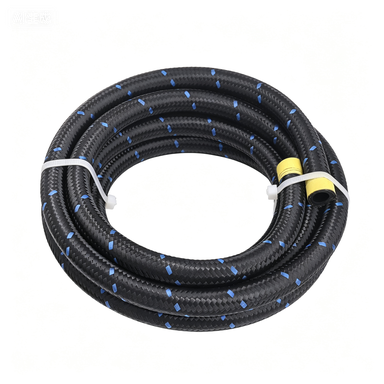
Industrial operations demand equipment that can withstand extreme conditions without compromising performance or safety. A hydraulic hose operates at the core of many hydraulic systems, transferring pressurized fluid across machinery and equipment in factories, construction sites, and aerospace applications. Understanding the temperature range that a hydraulic hose can handle is essential for system design, maintenance planning, and preventing costly failures. The temperature capability of your hydraulic hose directly impacts system efficiency, component longevity, and operational safety.
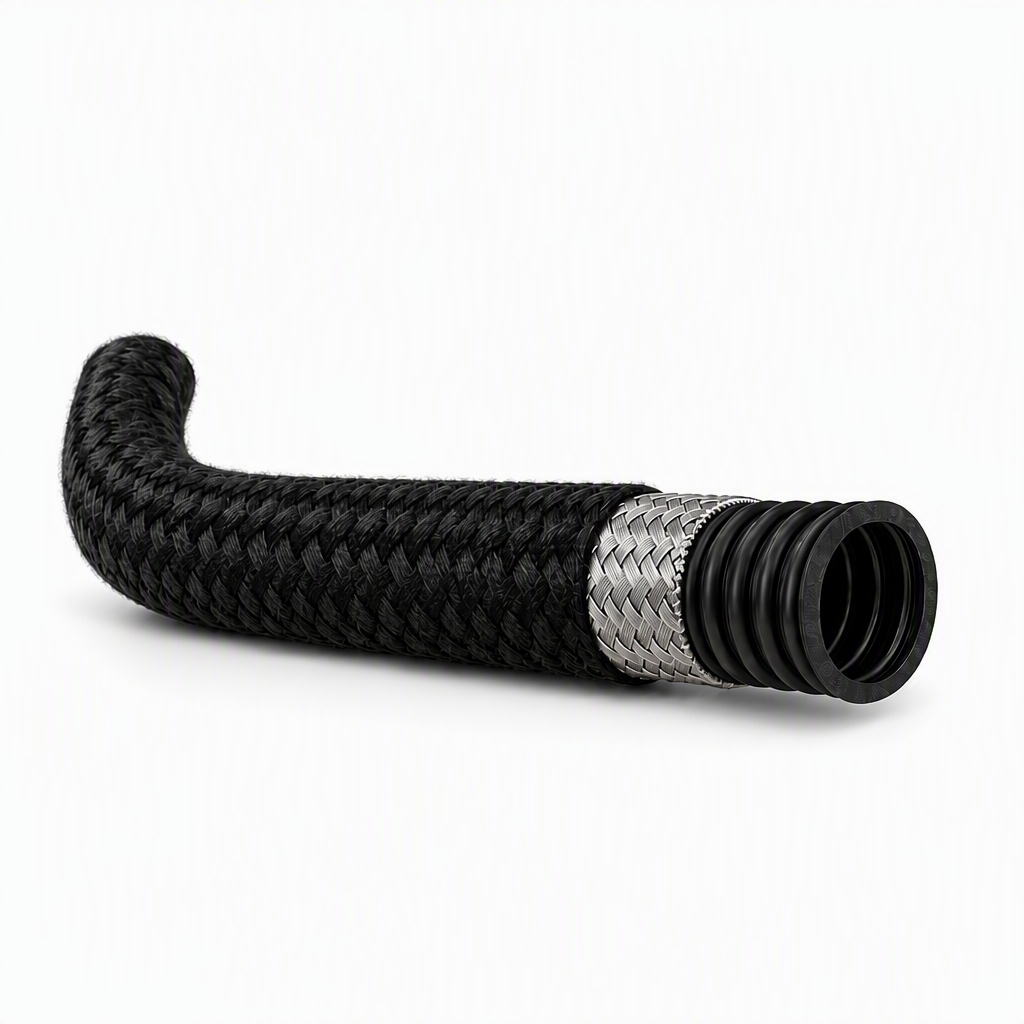
The temperature range of any hydraulic hose depends on several critical factors, including the inner tube material, reinforcement structure, and outer cover composition. A high pressure hose engineered for standard industrial use typically operates between negative forty and two hundred degrees Fahrenheit (minus forty to ninety-three degrees Celsius). However, specialized applications demand flexible tubing and hose assembly designs that extend beyond these baseline ranges, requiring custom material selection and rigorous testing protocols.
Understanding Standard Temperature Ratings
Typical Operating Temperature Ranges
Most commercial hydraulic hose products are rated for ambient and fluid temperatures spanning from negative forty degrees Fahrenheit to two hundred degrees Fahrenheit. This range covers the majority of industrial environments, including manufacturing plants, heavy equipment operation, and general hydraulic power transmission. The inner tube material, typically synthetic rubber or thermoplastic compounds, establishes the baseline temperature capability. Reinforcement layers, whether wire-braid or spiral construction in a high pressure hose, also influence thermal performance and burst pressure retention at extreme temperatures.
Material Composition Impact on Temperature Handling
The elastomer used in the inner tube of flexible tubing directly determines both minimum and maximum temperature tolerance. Natural rubber hoses handle moderate temperature ranges but fail in extreme cold or heat. Synthetic materials like nitrile, EPDM, and fluorocarbon offer superior thermal stability. A hydraulic hose with a fluorocarbon inner tube can operate at temperatures approaching two hundred sixty degrees Fahrenheit, making it ideal for aerospace, automotive, and high-heat industrial processes. The outer cover material contributes equally—polyester braid provides general protection, while aramid or Kevlar-reinforced covers extend service life in high-temperature environments.
High-Temperature Hydraulic Hose Applications
Extreme Heat Industrial Environments
Certain industries operate machinery in sustained high-temperature zones where standard hose assembly designs fail. Steel mills, foundries, and injection molding operations expose equipment to continuous heat levels exceeding two hundred degrees Fahrenheit. High pressure hose systems must maintain pressure integrity, flexibility, and seal effectiveness under these conditions. Extended-range hydraulic hose products use specialized inner tube compounds, wire reinforcement with enhanced thermal resistance, and outer covers engineered for thermal endurance. Testing these products involves subjecting the hose assembly to actual operating temperatures while maintaining full system pressure, ensuring real-world reliability.
Low-Temperature Performance and Cold Start Issues
Conversely, arctic operations, winter construction projects, and cold-storage facilities require flexible tubing that remains pliable at negative forty degrees Fahrenheit or lower. At extreme cold temperatures, standard rubber compounds become brittle and prone to cracking, creating safety hazards and system failures. Low-temperature-rated hydraulic hose uses elastomers specifically formulated for molecular flexibility at sub-zero conditions. A high pressure hose rated for extreme cold maintains consistent bore diameter, resists cracking, and preserves seal integrity even when idle in freezing environments. This capability is critical for offshore drilling operations, arctic mining, and winter military equipment deployment.
Selecting the Right Hydraulic Hose for Your Temperature Requirements
Assessing Your Operating Environment
Proper hydraulic hose selection begins with a thorough environmental assessment. You must identify both the ambient temperature range and the actual fluid temperature within the hose assembly during peak operation. Many systems experience localized heating that exceeds ambient conditions—pressurized fluid generates friction heat as it flows through the system. For example, a high pressure hose in a mobile crane operating in a temperate climate may experience fluid temperatures significantly higher than outside air temperature. Document peak operating conditions, seasonal variations, and any emergency shutdown scenarios where temperature swings occur rapidly. This data directly informs whether standard-range or extended-range hydraulic hose products are necessary.
Custom Hose Assembly Design for Temperature Extremes
When your application demands temperatures beyond standard ratings, custom hose assembly engineering becomes essential. Specialized manufacturers design flexible tubing with inner tubes formulated from advanced fluoropolymers, reinforcement patterns optimized for thermal cycling resistance, and outer covers that protect against temperature-induced degradation. These custom solutions involve higher initial costs but deliver critical performance in demanding environments. The design process includes finite-element analysis of pressure distribution under temperature variation, material compatibility testing between hydraulic fluids and elastomers across the full temperature range, and accelerated aging tests that simulate years of operation in weeks. This rigorous validation ensures that your hose assembly maintains rated performance throughout its service life, regardless of thermal extremes.
FAQ
Can a standard hydraulic hose handle temperatures below zero degrees Fahrenheit?
Standard hydraulic hose products typically maintain functionality to negative forty degrees Fahrenheit, which covers most winter and cold-climate applications. However, specialized low-temperature flexible tubing rated for negative sixty to negative eighty degrees Fahrenheit is available for arctic operations and cold-storage environments. Always verify the specific temperature rating of your hose assembly before deploying in sub-zero conditions, as using standard products in extreme cold risks cracking, leakage, and system failure.
What happens to a hydraulic hose when exposed to temperatures above its rated maximum?
Exceeding the maximum temperature rating of your high pressure hose accelerates elastomer degradation, reduces seal effectiveness, and can cause inner tube swelling or softening. This leads to pressure loss, fluid leakage, and potential hose burst under load. Additionally, the reinforcement structure loses tensile strength as resin matrices soften, compromising the hose assembly's ability to contain pressure safely. Always use temperature-rated flexible tubing appropriate for your application to prevent these failures.
How do I know if my hose assembly is rated for extended temperature ranges?
Check the manufacturer's specification sheet, which lists the minimum and maximum temperature ratings prominently. Look for notations indicating special elastomers like fluorocarbon or EPDM, reinforcement materials such as aramid braid, and outer cover types designed for thermal protection. High pressure hose products rated for extended temperature ranges typically carry this information in their part number or product code, making it easy to verify during procurement and maintenance planning.
 EN