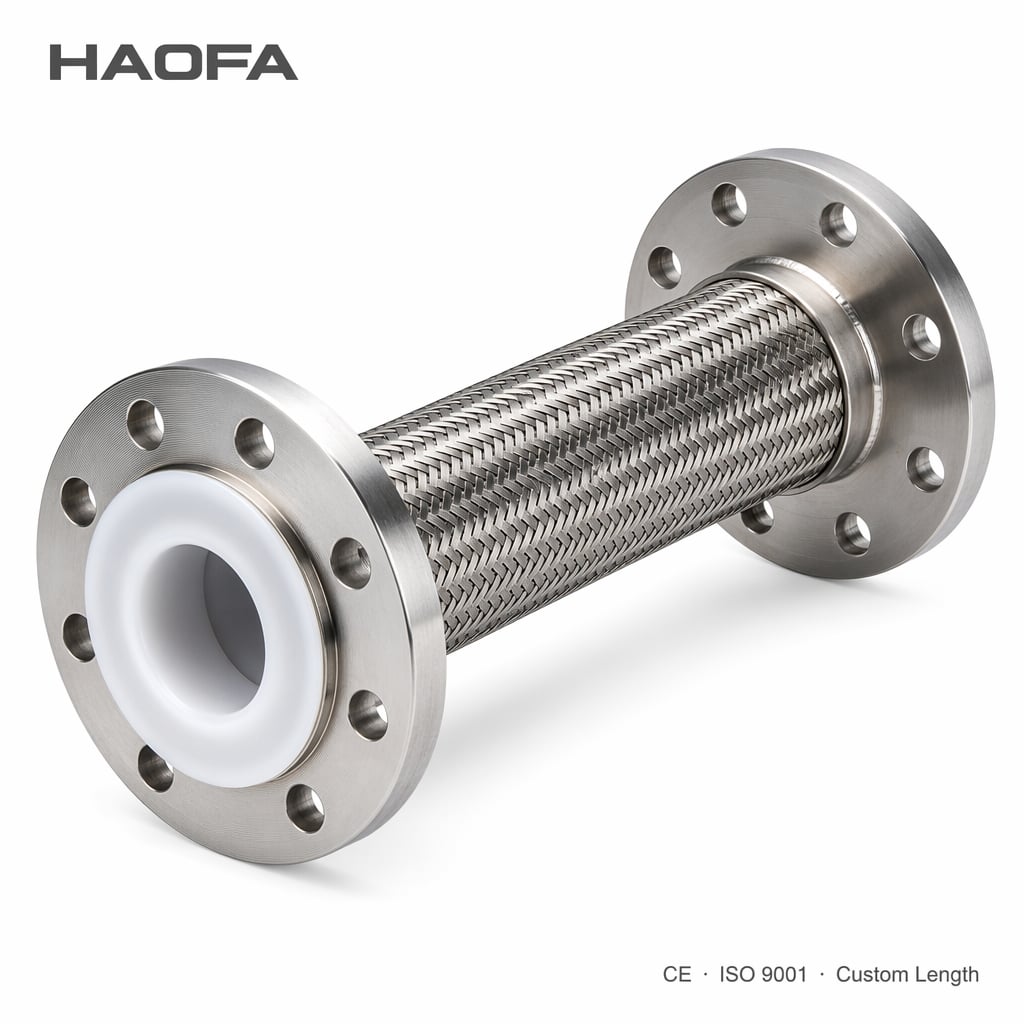
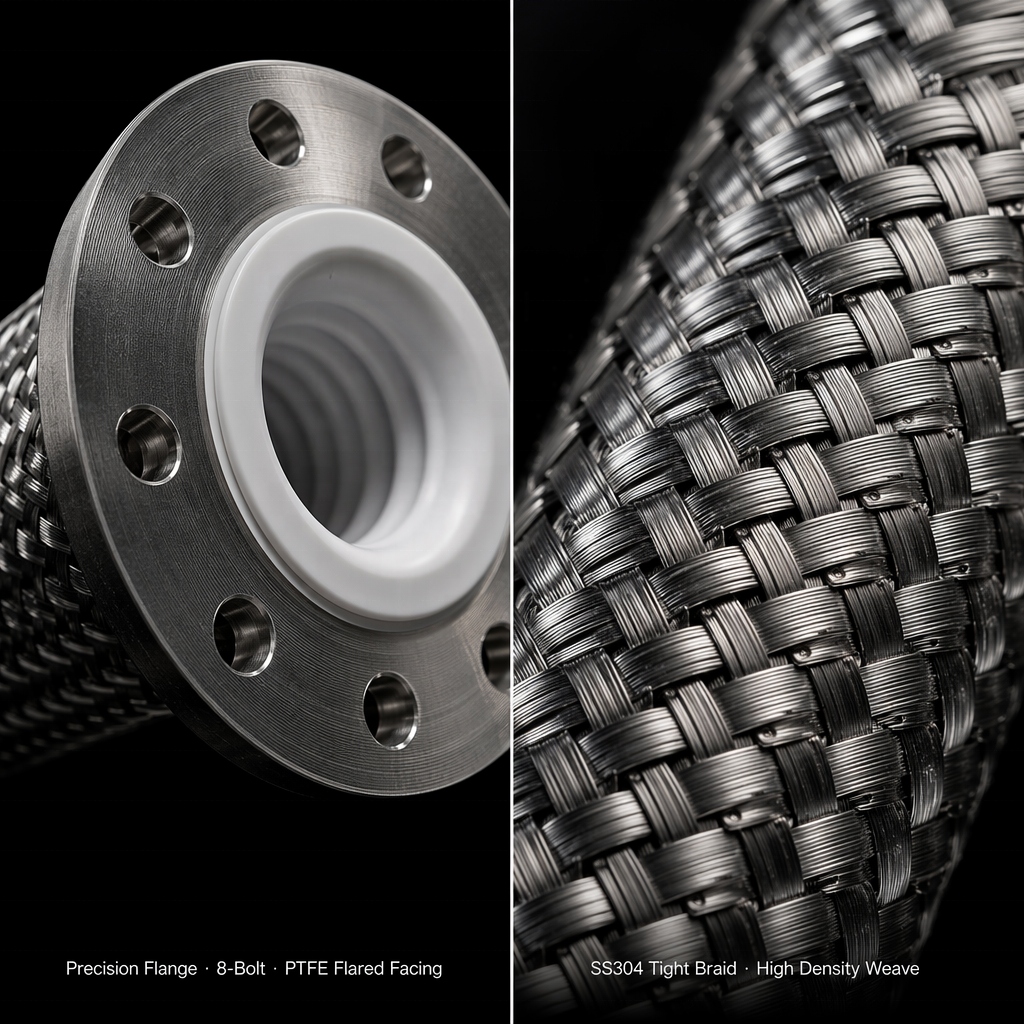
 Understanding temperature capabilities is critical when selecting an industrial hose for your operation. Every industrial hose system must withstand specific thermal demands, and choosing the wrong material can lead to premature failure, costly downtime, and safety hazards. Temperature resistance varies significantly across different hose types, construction materials, and manufacturing standards, making it essential to match your application with the right industrial hose solution.
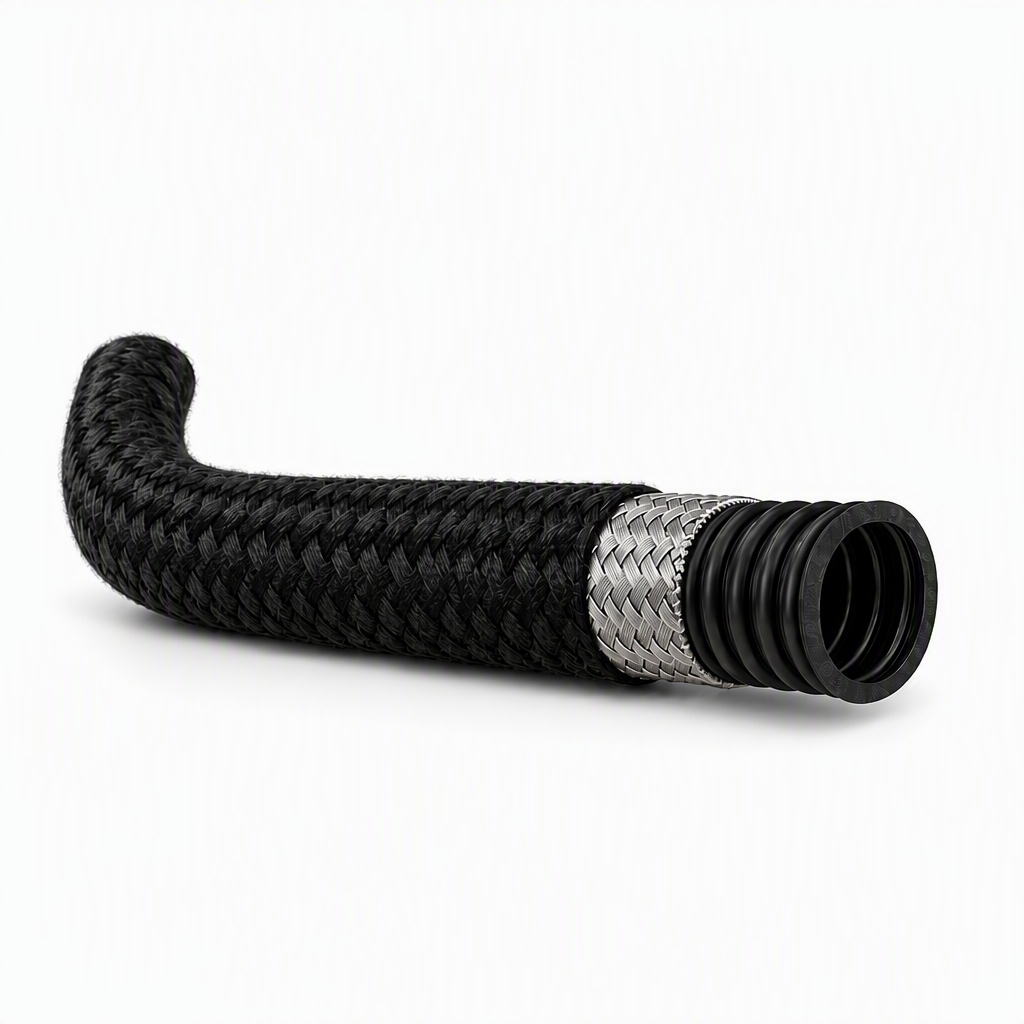
Industrial applications span from refrigeration systems operating at extreme cold to high-temperature fuel delivery and steam transfer. A hydraulic hose assembly used in construction equipment faces vastly different thermal stresses than a chemical resistant tubing in a processing plant. Each industrial hose must be engineered to handle both the minimum and maximum temperatures it will encounter, plus thermal cycling stress that occurs when temperatures repeatedly rise and fall during normal operation.
Understanding Temperature Ratings for Industrial Hose Systems
Standard Temperature Operating Windows
Most industrial hose products operate within defined temperature ranges specified by manufacturers and industry standards. Standard hydraulic hose assembly designs typically handle temperatures from minus 40 degrees Fahrenheit to 212 degrees Fahrenheit in typical agricultural and construction applications. However, specialized hydraulic hose assembly systems can extend far beyond these baseline limits. High pressure hose system applications in aerospace, mining, and heavy manufacturing often require extended temperature tolerances.
The temperature capability of an industrial hose depends on the inner tube material, reinforcement construction, and outer cover composition. Chemical resistant tubing formulated with specialized polymers can withstand temperatures ranging from minus 65 degrees Fahrenheit to 260 degrees Fahrenheit or higher. These extended-range products maintain flexibility at low temperatures while resisting degradation and hardening at elevated temperatures, making them suitable for diverse industrial applications.
Material Selection Impact on Temperature Performance
Elastomer selection directly influences how an industrial hose responds to thermal stress. Natural rubber hoses degrade rapidly in high-temperature environments and become brittle in extreme cold, limiting their application range. Synthetic elastomers like nitrile offer better thermal stability but still have defined limits. Chemical resistant tubing utilizing specialized synthetic materials such as PTFE or fluorocarbon can achieve superior temperature performance, handling both cryogenic applications and high-temperature steam transfer without significant property loss.
Reinforcement layers also impact temperature handling capabilities. Wire-reinforced designs provide structural integrity across wider temperature ranges than simple spiral construction. A high pressure hose system with aramid braiding maintains consistent pressure ratings even when thermal expansion and contraction stress the inner core and outer cover. Stainless steel reinforcement adds temperature stability for industrial hose applications requiring both chemical resistance and thermal reliability.
Thermal Stress and Industrial Hose Failure Mechanisms
Temperature Cycling and Material Fatigue
Industrial hose systems rarely operate at constant temperatures. Thermal cycling, where an industrial hose repeatedly heats and cools during operation, causes accelerated aging and material degradation. Each temperature cycle stresses the elastomer at the molecular level, eventually leading to cracking, loss of flexibility, or hardening. A hydraulic hose assembly exposed to daily temperature swings from 32 degrees to 200 degrees Fahrenheit will experience significantly faster deterioration than equipment running at constant temperature.
High pressure hose system failure often occurs not from exceeding maximum temperature limits but from cumulative thermal stress. Chemical resistant tubing maintains its rated pressure performance only when operated within specified temperature windows. Operating outside these parameters causes the material to soften excessively at high temperatures, losing pressure rating, or becomes brittle at low temperatures, risking sudden rupture under load.
Thermal Expansion and Pressure Interactions
Temperature changes cause industrial hose materials to expand and contract. When a high pressure hose system carries heated fluid, thermal expansion increases internal stress on reinforcement layers and connection points. If the industrial hose lacks sufficient flexibility or the system lacks proper compensation, connection fittings may loosen or internal layers may separate. Chemical resistant tubing with inconsistent thermal expansion rates between inner core and reinforcement can delaminate under thermal stress.
Pressure ratings for hydraulic hose assembly products change with temperature. Most industrial hose specifications include derated pressure limits at elevated temperatures. A high pressure hose system rated for 5000 PSI at room temperature may only be rated for 3000 PSI at 200 degrees Fahrenheit. Understanding these pressure derating curves ensures industrial hose systems operate safely across their full temperature operating range.
Selecting Industrial Hose for Extreme Temperature Applications
Cold Temperature Industrial Hose Requirements
Applications exposing industrial hose to sub-zero temperatures demand materials that maintain flexibility rather than becoming rigid and brittle. Chemical resistant tubing for cryogenic systems requires specialized elastomers that retain elasticity at minus 60 degrees Fahrenheit or lower. Standard hydraulic hose assembly materials will crack and fail in these conditions, making material selection critical for reliability. High pressure hose system designs for cold climates must include adequate reinforcement to prevent sudden rupture when pressure is applied to brittle materials.
Low-temperature industrial hose applications appear in food processing, refrigeration, LNG transfer, and polar region operations. An industrial hose must resist embrittlement while maintaining pressure integrity. Manufacturers test chemical resistant tubing candidates using standardized cold-bend procedures to verify flexibility at minimum operating temperatures. High pressure hose system performance in cold environments depends equally on material selection and system design that accommodates thermal contraction.
High Temperature Industrial Hose Specifications
High-temperature industrial hose applications include steam transfer, industrial ovens, engine coolant circulation, and thermal processing equipment. These environments push industrial hose materials to their limits, requiring elastomers that resist degradation at sustained elevated temperatures. A hydraulic hose assembly rated for 250 degrees Fahrenheit maintains consistent performance in steam-heated systems. Chemical resistant tubing formulated with PTFE inner core and high-temperature elastomer outer cover can withstand even more extreme conditions.
High pressure hose system design for hot environments must account for fluid thermal expansion, which increases internal pressure if the system lacks adequate pressure relief. The industrial hose itself expands with temperature, requiring installation techniques that provide accommodation loops or allow proper pipe support. Continuous exposure to 300 degrees Fahrenheit or higher demands industrial hose specifically engineered with materials rated for extended high-temperature service, preventing accelerated aging and premature failure.
FAQ
What temperature range can most industrial hose products handle?
Most standard industrial hose products handle temperatures between minus 40 and 212 degrees Fahrenheit, but this varies by specific hose type and material composition. Hydraulic hose assembly products designed for construction equipment typically operate in this range. High-end chemical resistant tubing and specialized high pressure hose system applications extend much further, with some industrial hose products rated from minus 65 to 260 degrees Fahrenheit or beyond. Always verify the manufacturer's specific temperature rating for your application.
How does temperature affect a hydraulic hose assembly pressure rating?
Most hydraulic hose assembly products experience pressure derating at elevated temperatures. A high pressure hose system might maintain full 5000 PSI rating at 70 degrees but drop to 3000 PSI at 200 degrees Fahrenheit due to elastomer softening. Manufacturers provide derating curves showing how pressure capacity changes across the temperature operating range. Chemical resistant tubing and industrial hose systems must be selected with these pressure derating factors in mind to ensure safe operation at all expected temperatures.
What materials provide the best temperature performance for industrial hose applications?
PTFE inner core combined with aramid braiding and stainless steel wire reinforcement offers excellent temperature performance for both high and low extremes. High pressure hose system designs using these materials maintain consistent pressure ratings across wide temperature ranges. Chemical resistant tubing with fluorocarbon elastomer covers provides superior thermal stability compared to standard nitrile. The best choice depends on your specific application requirements, thermal cycling frequency, and pressure demands for your industrial hose system.
 EN