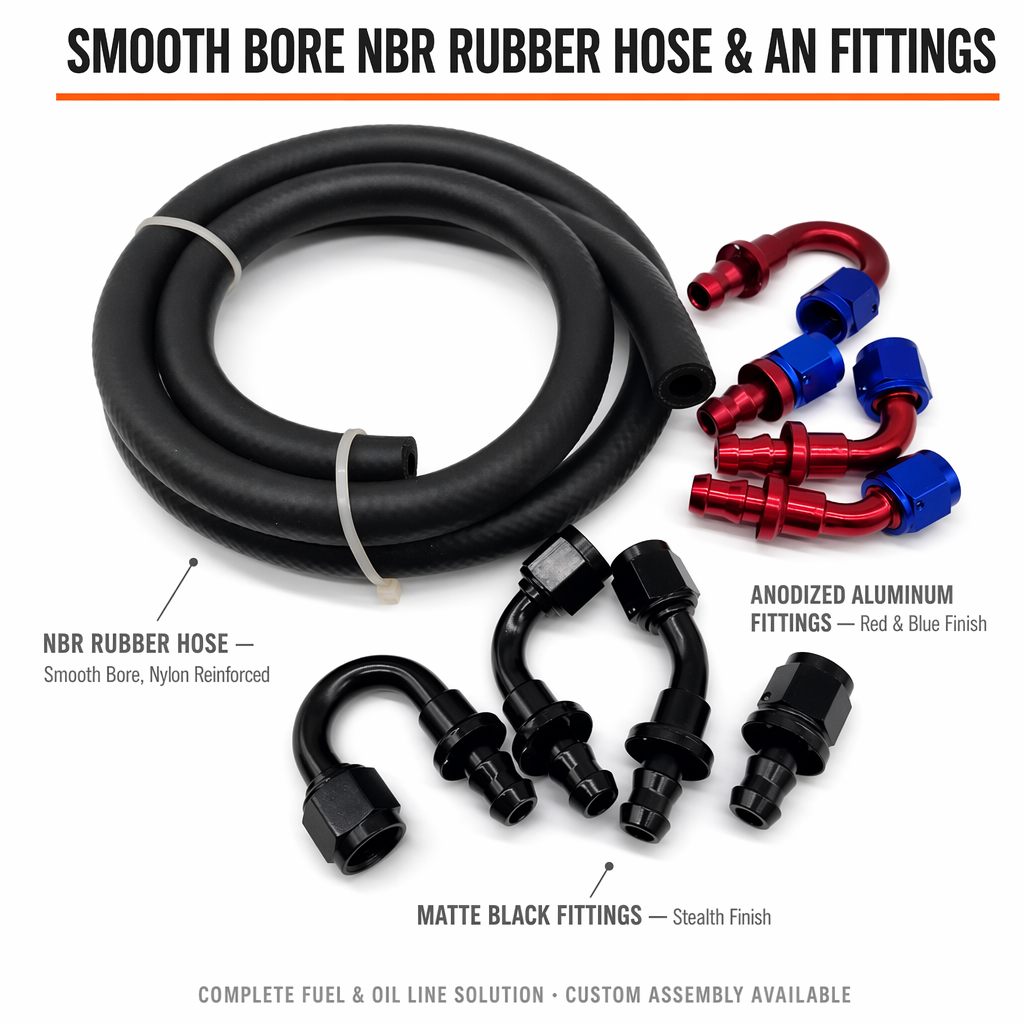
The NBR rubber hose stands as one of the most widely adopted solutions for industrial fluid transfer applications. Nitrile rubber, commonly known as NBR or Buna-N, provides exceptional resistance to oils, fuels, and harsh chemicals while maintaining structural integrity across demanding temperature conditions. Understanding the temperature range that NBR rubber hose can endure is critical for engineers, procurement specialists, and maintenance teams selecting the right hose for their specific operational environment.
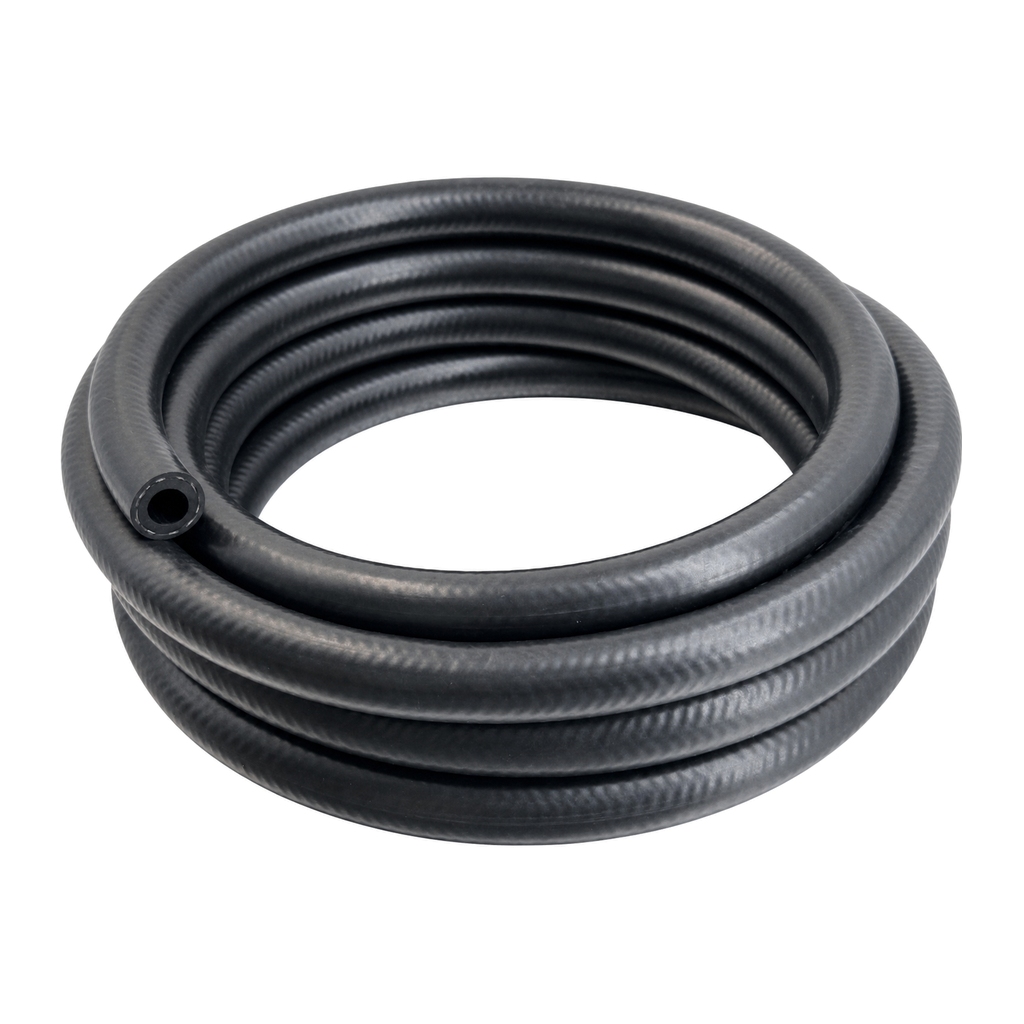
NBR rubber tubing is engineered to perform reliably in temperature ranges spanning from approximately minus 40 degrees Celsius to plus 120 degrees Celsius under normal operating pressures. This broad thermal capability makes nitrile rubber tubing suitable for both cold climate installations and high-heat industrial environments. The actual usable temperature range depends on factors including compound formulation, reinforcement materials, application pressure, and whether the hose carries cryogenic fluids or thermal transfer media.
Understanding NBR Temperature Limits
Standard Operating Temperature Range
Most commercial NBR rubber hose products are rated for continuous service between minus 30 degrees Celsius and plus 100 degrees Celsius. Within this window, the elastomer maintains consistent mechanical properties including flexibility, tensile strength, and resistance to fluid permeation. The oil resistant rubber hoses manufactured with premium NBR compounds can extend upper limits to plus 120 degrees Celsius for short-term exposure or intermittent duty cycles. Temperature ratings vary by manufacturer specification, and consulting technical datasheets is essential before final hose selection.
Low-Temperature Performance
At the cold end of the spectrum, nitrile rubber tubing remains flexible and functional even as ambient temperatures drop toward minus 40 degrees Celsius. NBR rubber hose does not become brittle or crack under extreme cold the way natural rubber compounds might. The synthetic rubber hose applications in refrigeration systems, outdoor pipelines, and arctic industrial facilities depend on this low-temperature resilience. However, sustained exposure below minus 40 degrees Celsius may require specialized formulations or alternative elastomer compounds specifically engineered for cryogenic duty.
High-Temperature Challenges and Adaptations
Heat Exposure and Material Degradation
When NBR rubber hose operates near or above plus 100 degrees Celsius, accelerated degradation mechanisms activate within the elastomer matrix. Heat increases molecular motion, which gradually breaks polymer chains and reduces elastic recovery properties. Synthetic rubber hose applications in engine compartments, chemical processing plants, and thermal transfer systems experience this cumulative heat stress. Beyond plus 120 degrees Celsius, standard NBR formulations become unsuitable because the hose inner diameter may swell excessively, pressure ratings drop, and eventual failure becomes imminent.
Formulation Upgrades for Extended Temperature Service
Premium oil resistant rubber hoses utilize advanced NBR compound recipes that incorporate heat stabilizers, antioxidants, and reinforcement fiber blends to push upper temperature limits toward plus 130 or plus 140 degrees Celsius under controlled conditions. These formulations cost more but deliver longer service intervals and reduced maintenance frequency in hot industrial settings. Reinforcement materials such as high-tenacity polyester or aramid threads within the hose wall provide dimensional stability as temperature fluctuates. Selecting the right synthetic rubber hose formulation depends on actual continuous operating temperature, not worst-case spike exposure.
Practical Application Scenarios
Automotive and Engine Compartment Duty
NBR rubber tubing in vehicles routinely encounters temperature swings from below freezing during winter startup to plus 80 to plus 100 degrees Celsius during highway driving. The nitrile rubber tubing handles fuel delivery, oil circulation, and coolant transfer with reliable performance across these cycles. Modern automotive NBR rubber hose compounds are specifically formulated to resist fuel permeation, withstand thermal stress, and maintain pressure integrity over the vehicle's service life. This widespread automotive adoption demonstrates the practical viability of NBR across real-world temperature ranges.
Industrial Processing and Stationary Equipment
Stationary industrial installations often subject oil resistant rubber hoses to sustained elevated temperatures in furnace oil delivery systems, hydraulic circuits, and process cooling loops. Many applications operate continuously at plus 80 to plus 95 degrees Celsius, requiring NBR formulations selected specifically for this duty class. The synthetic rubber hose applications in textile mills, food processing, and chemical manufacturing demonstrate how carefully engineered NBR solutions extend service life and reduce unexpected failure risk. Proper hose sizing, installation routing away from direct heat sources, and regular visual inspection preserve temperature-rating compliance.
Factors Influencing Actual Temperature Capability
Compound Chemistry and Additives
The specific chemical composition within a NBR rubber hose formulation directly determines thermal endurance. Manufacturers adjust cure packages, plasticizer selection, and additive loading to tune temperature performance for target applications. Premium nitrile rubber tubing incorporates carbon black, heat stabilizers, and oxidation inhibitors that slow thermal degradation compared to basic formulations. Specification datasheets from the hose manufacturer provide critical details about the actual compound properties, test methods used to validate temperature ratings, and any duty-cycle limitations.
Reinforcement Architecture and Pressure Effects
The internal reinforcement layer composition and weave pattern within oil resistant rubber hoses significantly influence how the hose behaves under simultaneous heat and pressure stress. Higher-pressure synthetic rubber hose applications demand tighter reinforcement patterns, which can reduce flexibility at low temperatures but enhance thermal stability at elevated temperatures. The interaction between internal pressure and external heat creates complex stress states within the hose wall. Engineers must consult pressure-temperature derating curves specific to each hose series to ensure selections remain safe and reliable.
Selection and Testing Best Practices
Verifying Temperature Ratings Through Testing
Reputable NBR rubber hose manufacturers subject products to standardized temperature conditioning tests following SAE J2006, ISO 1402, or equivalent specifications. These tests cycle hose samples through the claimed temperature range while measuring changes in tensile strength, elongation, and fluid resistance properties. A hose that passes these tests with retained properties above 70 percent of original values confirms suitability for the rated temperature range. Always request test certificates and verify that your specific hose series has been tested at the intended operating extremes.
Application-Specific Considerations
Selecting the right NBR rubber hose for your application requires matching the product specification to the actual thermal environment. Outdoor installations experience daily temperature swings; indoor industrial facilities may operate at constant elevated temperatures. Chemical compatibility with the transported fluid interacts with temperature effects to influence degradation rates. A thorough application review identifying peak exposure temperature, thermal cycling frequency, contact with external heat sources, and expected service life enables confident hose selection that balances performance and cost.
FAQ
What is the maximum continuous temperature for standard NBR rubber hose?
Standard nitrile rubber tubing is rated for continuous service up to approximately plus 100 degrees Celsius. Some premium formulations extend this to plus 120 degrees Celsius, but temperatures above this level require alternative elastomer compounds such as EPDM, Viton, or silicone. The oil resistant rubber hoses you select should include manufacturer documentation clearly stating the maximum continuous temperature rating for your specific duty.
Can NBR rubber hose be used in freezing conditions?
Yes, NBR rubber hose remains flexible and functional at temperatures down to minus 40 degrees Celsius. The synthetic rubber hose maintains its sealing properties and structural integrity even in arctic conditions. However, applications requiring exposure to colder temperatures or repeated thermal cycling between extreme cold and moderate heat may benefit from specialized NBR formulations or alternative materials. Always verify the low-temperature rating from the manufacturer before deploying nitrile rubber tubing in cold climates.
How does temperature affect the pressure rating of NBR rubber hose?
As temperature increases, the internal pressure that oil resistant rubber hoses can safely handle decreases due to reduced material stiffness and increased elastomer relaxation. Most hose specifications provide a pressure-temperature derating chart showing reduced working pressure at elevated temperatures. For example, a hose rated 210 bar at 20 degrees Celsius might support only 150 bar at 80 degrees Celsius. Always consult the manufacturer's derating tables to ensure your synthetic rubber hose application remains within safe operating limits across the full range of thermal conditions you expect to encounter.
 EN