 EN

what-temperature-range-can-your-braided-hose-handle, what-temperature-range-can-your-braided-hose-handle, /news
EN
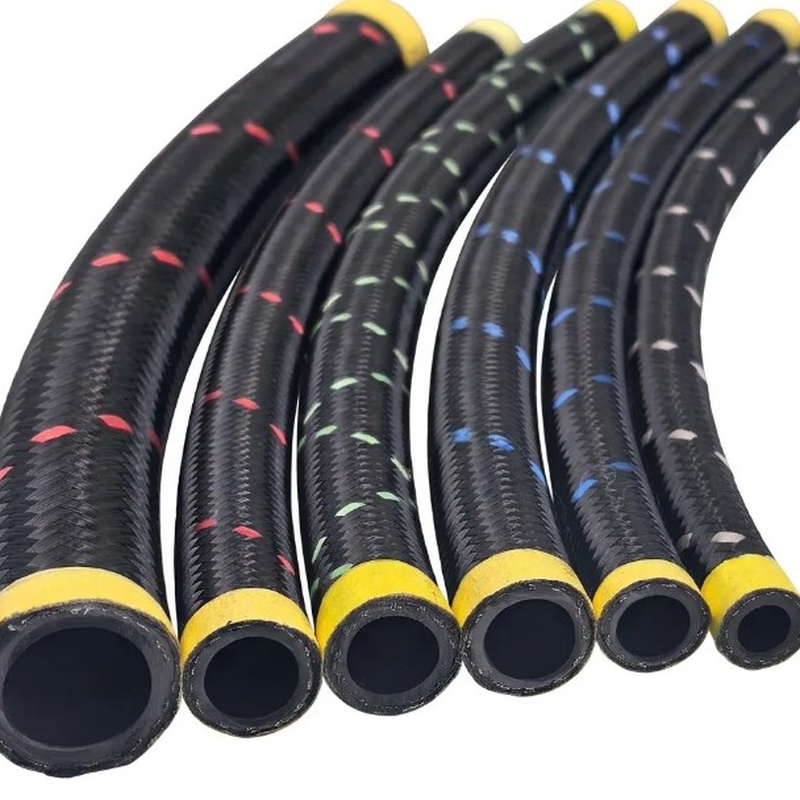
Understanding the temperature range your braided hose can handle is critical for safe and reliable system performance in industrial applications. Whether you operate hydraulic machinery, braking systems, or fuel delivery networks, thermal stress directly impacts component longevity and operational safety. The temperature capabilities of a braided hose depend on several factors including the inner tube material, reinforcement construction, and protective braid composition. Selecting the right braided hose for your specific temperature environment prevents premature failure, system downtime, and costly repairs.
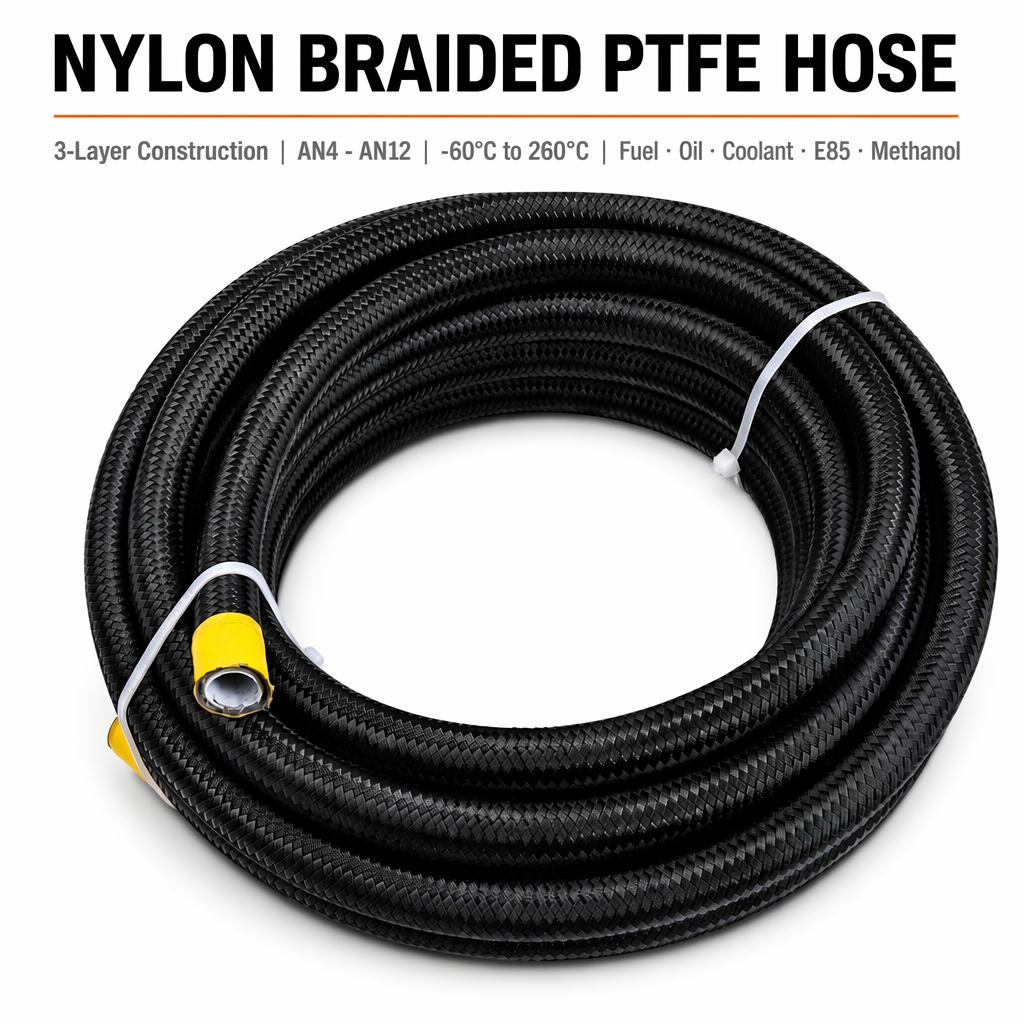
Modern industrial environments demand hoses that withstand extreme thermal conditions without degradation. A stainless steel braided hose offers enhanced temperature stability compared to standard rubber-covered alternatives, making it the preferred choice for demanding applications. Understanding how different hose constructions perform across temperature ranges helps you make informed procurement decisions and avoid costly installation failures.
Every braided hydraulic hose has specific temperature thresholds established by manufacturers based on material testing and real-world performance data. The inner tube material, typically synthetic rubber or fluoropolymer, sets the primary temperature ceiling. A stainless steel braided hose typically handles temperatures from minus 40 degrees Celsius to plus 120 degrees Celsius under standard operating conditions, though specialized formulations extend these ranges considerably. The braid reinforcement itself—whether polyester, aramid, or steel wire—contributes additional thermal stability but remains secondary to the core tube material's limitations.
Temperature directly affects fluid viscosity and internal pressure within braided brake hose and hydraulic applications. As temperature increases, the inner tube material expands, potentially reducing hose wall thickness and affecting pressure ratings. Conversely, extreme cold temperatures make rubber brittle and can compromise the seal integrity of a braided hose assembly. Industrial systems must account for both static operating temperatures and transient thermal spikes. Many manufacturers provide separate pressure ratings for hot and cold conditions, reflecting these physical changes. Proper sizing and routing of your braided hose installation helps manage thermal stress and maintains safety margins across the full operating temperature range.
Applications requiring extreme heat demand specialized braided hose designs built with fluoropolymer inner tubes and high-performance braid materials. Fluoropolymer-core braided hydraulic hose assemblies sustain continuous operation at 150 to 200 degrees Celsius, with short-term peaks reaching 260 degrees Celsius in fuel, oil, coolant, and vacuum systems. These premium constructions employ stainless steel wire reinforcement or aramid braid to maximize structural integrity under thermal stress. The trade-off includes higher material costs and potentially reduced flexibility compared to standard braided brake hose options. However, for automotive, aerospace, and heavy equipment manufacturers, this thermal performance justifies the investment by eliminating premature failures and ensuring regulatory compliance.
Cold-climate and cryogenic applications present equally challenging demands on braided hose systems. Specialized synthetic rubber formulations maintain flexibility and seal effectiveness down to minus 55 degrees Celsius or lower. A stainless steel braided hose with cold-resistant inner compounds prevents cracking and maintains hose integrity during freeze-thaw cycles common in northern industrial operations. Pharmaceutical manufacturing, food processing, and chemical industries often require these cold-rated braided hydraulic hose assemblies for reliable performance in refrigerated environments. Testing at extreme low temperatures confirms that the braid reinforcement structure maintains its integrity while the inner tube resists embrittlement and permeation losses.
Successful braided hose deployment requires matching rated temperature ranges to actual peak system temperatures with appropriate safety margins. Review equipment manufacturer specifications and real-world monitoring data to identify the true maximum and minimum temperatures your braided brake hose will experience. Industrial best practice typically maintains a 20-degree Celsius safety margin between the hose's rated limit and the highest anticipated temperature spike. For braided hydraulic hose used in fluctuating environments, select constructions with symmetric temperature ratings that perform equally well across wide ranges. Document installation conditions and create maintenance schedules that account for thermal cycling degradation over time.
Proper installation of braided hose assemblies directly influences their ability to handle rated temperature ranges safely. Excessive bending, kinking, or abrasion against sharp surfaces concentrates stress and accelerates aging in high-temperature environments. A stainless steel braided hose with protective sleeve covering extends life when routed near heat sources. Regular inspection for surface cracks, discoloration, or hardening indicates thermal degradation and signals replacement needs before catastrophic failure occurs. Pressure testing at operating temperature helps confirm that braided hydraulic hose assemblies maintain their integrity and seal performance under combined thermal and mechanical stress. Implement preventive replacement intervals based on manufacturer guidance and environmental severity rather than waiting for visible failure signs.
Standard braided hydraulic hose assemblies typically handle continuous temperatures up to 120 degrees Celsius, with pressure ratings adjusted downward as temperatures approach this limit. Specialized fluoropolymer-core constructions extend safe operation to 200 to 260 degrees Celsius in demanding applications. Always consult manufacturer specification sheets for your specific braided brake hose model and application, as ratings vary significantly based on braid type, inner tube composition, and reinforcement materials.
A stainless steel braided hose with properly formulated inner tube compounds can perform reliably across wide temperature ranges, though specialized designs optimize performance at either extreme rather than equally across both. High-temperature versions prioritize thermal stability over cold flexibility, while cold-rated constructions prioritize freeze-thaw resistance. Symmetric-range hoses exist but represent a compromise; specify based on whether your application faces greater risk from heat or cold exposure.
Visual inspection of braided brake hose and braided hydraulic hose reveals thermal aging through surface discoloration, hardening, cracking, or stiffness in previously flexible sections. Test flexibility by hand bending the hose; if it cracks, splits, or shows brittle behavior, replacement is urgent. Pressure testing under operating temperature conditions confirms whether a stainless steel braided hose still meets performance standards. When in doubt, replace rather than risk catastrophic system failure from undetected thermal degradation.
