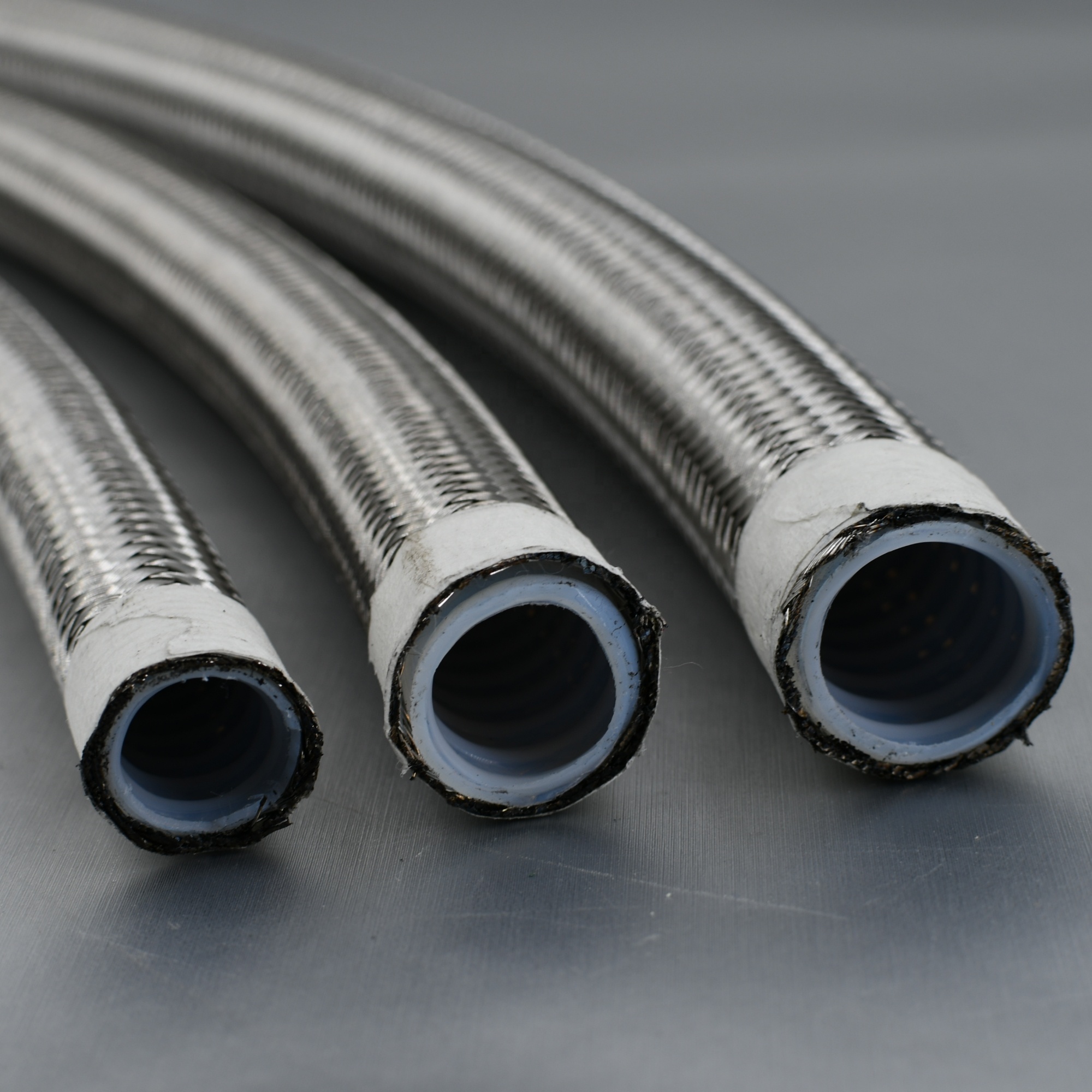
Knowing when to replace your AN fitting is critical for maintaining system integrity, preventing fluid leaks, and ensuring safe operation across racing vehicles, aerospace applications, and high-pressure hydraulic systems. AN fittings are engineered to withstand extreme pressures and temperatures, but like all components, they degrade over time due to thermal cycling, vibration, corrosion, and mechanical stress. Understanding the replacement timeline and warning signs helps you avoid unexpected failures that could compromise performance or create safety hazards.
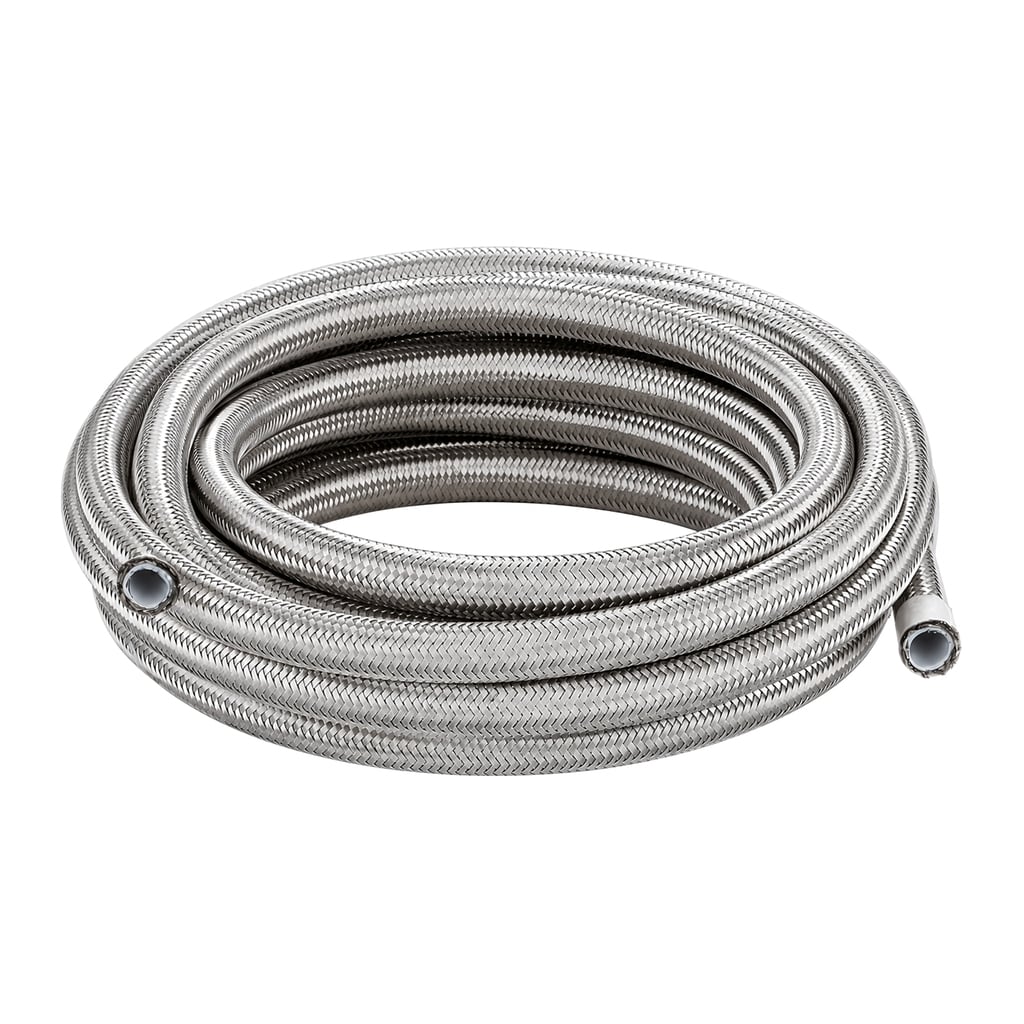
The lifespan of an AN connector depends on application severity, environmental exposure, maintenance practices, and the quality of the original component. High-performance racing engines, aircraft hydraulic systems, and fuel delivery assemblies operate under conditions that accelerate wear on AN thread adapter connections. This guide explores when replacement becomes necessary, how to identify deterioration, and the maintenance practices that extend component life while preserving system reliability.
Signs Your AN Connector Needs Replacement
Visible Corrosion and Surface Degradation
Corrosion is one of the earliest indicators that your AN connector requires attention. Aluminum and brass AN fittings exposed to moisture, salt air, or harsh chemicals develop white oxidation, green patina, or dark discoloration on the sealing surfaces. Even minor corrosion can compromise the seal integrity, leading to slow leaks that worsen over operational cycles. Stainless steel AN quick disconnect coupling components resist corrosion better, but they can still develop pitting or discoloration in extreme environments. Regular visual inspection under proper lighting reveals corrosion before it penetrates to critical sealing areas.
Persistent Leaks and Sealing Failures
Fluid weeping around an AN fitting connection is a clear replacement signal. If tightening the fitting nut does not stop the leak, the internal sealing surfaces have likely degraded beyond recovery. AN thread adapter connections rely on face-seal or compression designs where the cone angle and surface finish must be precise. Once these surfaces develop micro-cracks, scoring, or erosion, no amount of retightening restores the seal. Repeated leak repairs at the same AN connector location indicate structural compromise that demands replacement rather than repeated troubleshooting.
Operating Conditions That Accelerate AN Fitting Wear
High-Temperature and Thermal Cycling Exposure
Extreme temperature swings cause metal expansion and contraction that loosens AN connector joints and distorts sealing surfaces. Race car fuel systems and engine bay hydraulics experience rapid temperature changes during startup, high-load operation, and cool-down periods. Each thermal cycle introduces micro-movement that fatigues the fitting threads and gradually degrades the seal face geometry. Engines running continuous high boost pressure combined with temperature extremes deteriorate AN fittings faster than components in moderate-duty applications. After 2,000 to 5,000 operating hours under severe thermal cycling, most aluminum AN fittings warrant preventative replacement even without visible damage.
Vibration-Induced Loosening and Fretting
Vibration from engine operation, road shock, and aerodynamic forces creates micro-motion at AN quick disconnect coupling interfaces. This fretting action gradually enlarges the thread engagement area, reducing clamp load and allowing leaks to develop. High-horsepower engines and vehicles running aggressive suspension tuning create vibration signatures that accelerate this degradation. AN fittings in fuel rails, transmission coolers, and auxiliary system lines experience repeated cyclic stress that eventually exceeds material fatigue limits. If you notice an AN connector working loose despite being properly tightened, replacement prevents a potential system failure during critical operation.
Maintenance Schedules and Preventative Replacement Intervals
Recommended Replacement Timing by Application
Racing and performance applications should establish AN fitting replacement intervals based on service hours rather than calendar time. For high-boost race engines, replacing all critical AN connectors every 2,000 to 3,000 engine hours maintains margin against failure. Aerospace hydraulic systems typically follow manufacturer specifications, often requiring AN thread adapter replacement at 5,000 to 10,000 flight hours depending on the specific platform. Street performance vehicles used occasionally can extend intervals to 5,000 hours or adopt a condition-monitoring approach with detailed inspection at 2,000-hour intervals. Documenting replacement history helps establish reliable intervals specific to your vehicle type, fuel quality, and operating conditions.
Proactive Inspection and Maintenance Practices
Quarterly visual inspections of all AN fittings catch early corrosion, discoloration, or weeping before failures occur. Clean the exterior of each AN quick disconnect coupling with appropriate degreaser and inspect the sealing surface with magnification for micro-cracks or rough patches. Verify that connection nuts remain tight by applying moderate hand pressure with a wrench—any unexpected movement indicates loosening that demands immediate attention. Keeping detailed maintenance logs helps correlate issues to specific operating conditions and refines your replacement strategy over time. Replacing AN fittings during scheduled maintenance windows prevents emergency mid-operation failures that compromise safety or strand your vehicle.
FAQ
How often should AN fittings be replaced in a racing application?
In high-performance racing, AN thread adapter fittings should be replaced every 2,000 to 3,000 operating hours, or annually for seasonal race vehicles. The extreme pressures, temperatures, and vibration in racing engines accelerate wear significantly compared to street applications. Following a preventative replacement schedule maintains consistent system reliability and eliminates the risk of mid-event failures.
Can you repair a leaking AN connector or must you replace it?
A minor leak from over-tightening can sometimes be resolved by carefully re-seating the AN fitting, but persistent leaks indicate internal sealing surface damage that requires complete replacement. Attempting repeated repairs wastes time and creates unreliable conditions. Replacing the entire AN quick disconnect coupling ensures seal integrity and prevents future failures.
What is the difference between preventative replacement and failure-based replacement of AN fittings?
Preventative replacement follows a scheduled maintenance interval to replace AN connectors before degradation causes system failure. Failure-based replacement occurs after a leak or malfunction develops, which risks secondary damage, fluid loss, and safety hazards. Preventative replacement is the superior strategy for safety-critical and performance-demanding applications because it eliminates unpredictable downtime.
 EN