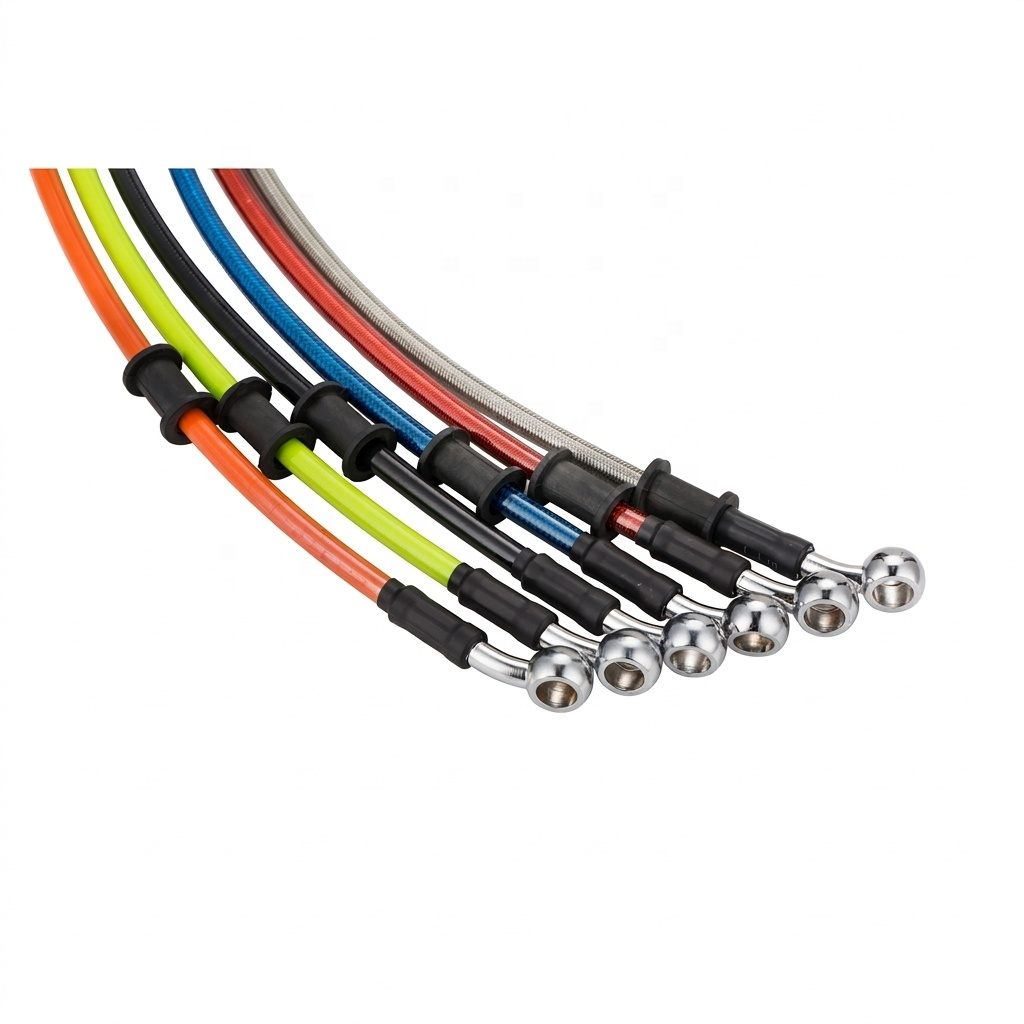
Knowing when to replace your custom brake hose is critical for vehicle safety and braking performance. Your brake system depends on hydraulic pressure delivered through brake lines and hoses, and any degradation in these components directly compromises your ability to stop effectively. A custom brake hose replacement isn't just about aesthetics—it's a maintenance decision that protects you and your passengers on every journey.
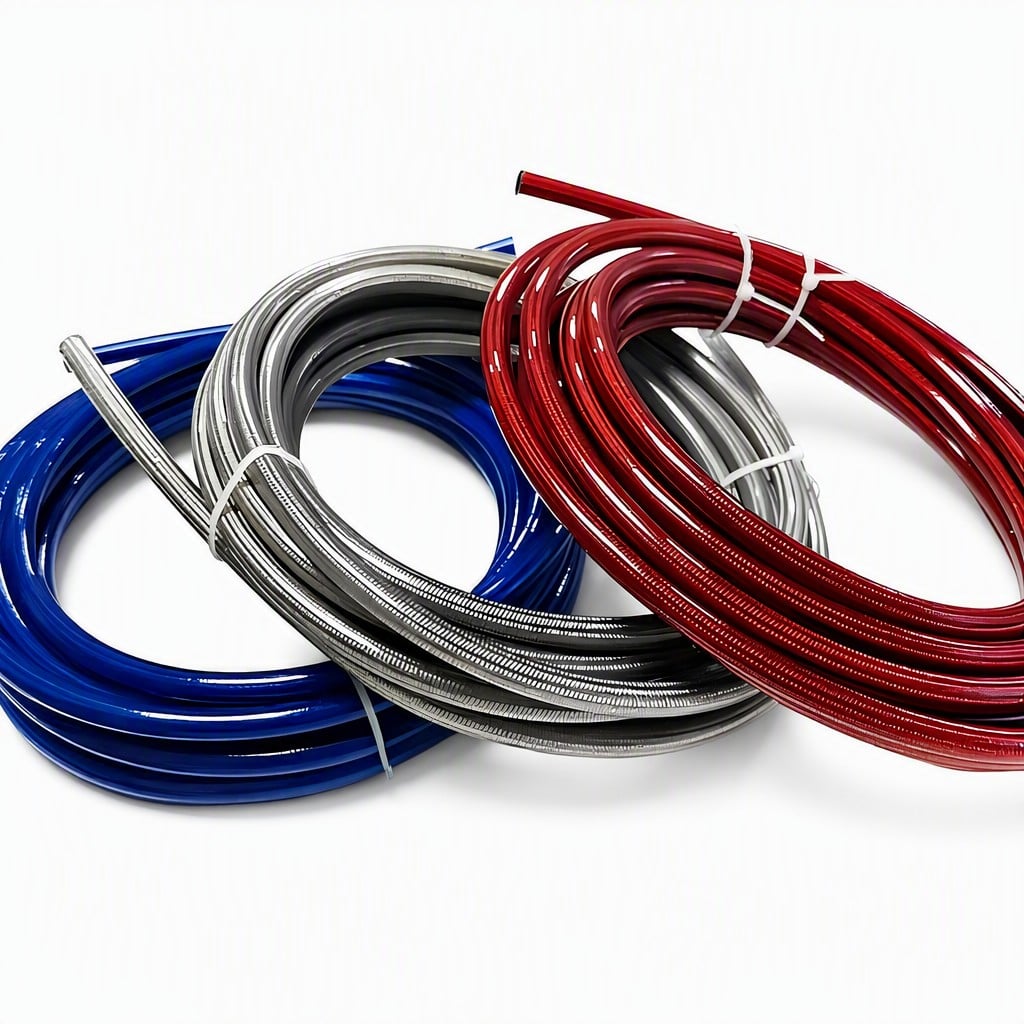
Modern vehicles rely on braided brake lines and hydraulic brake tubing to transmit precise braking force. Understanding when these components need replacement helps you maintain optimal stopping power and avoid potential brake failure. This guide walks you through the key timing indicators, inspection methods, and replacement considerations that every vehicle owner should know.
Signs Your Custom Brake Hose Needs Replacement
Visible Damage and Deterioration
The first step in determining replacement timing is visual inspection of your braided brake lines and hose assemblies. Look for cracks, bulges, swelling, or visible leaks along the entire length of the brake tubing. If your custom brake hose shows signs of abrasion against the frame or suspension, replacement becomes urgent. Rubber hoses naturally degrade over time, losing elasticity and developing micro-fissures that allow fluid to seep out slowly.
Discoloration or a greasy film around brake line connections indicates hydraulic brake fluid is leaking past seals. Even small leaks reduce fluid volume and air enters the system, creating a soft or spongy brake pedal. Replace your custom brake hose immediately if you spot leakage, as continued operation poses serious safety risks.
Brake Pedal Changes and Performance Loss
A spongy or soft brake pedal that doesn't firm up after multiple pumps suggests air in the hydraulic brake tubing or compromised hose integrity. If your custom brake hose has developed pinhole leaks or internal blockages, pressure won't build correctly. Test your brakes in a safe area—if the pedal feels unusually low or requires excessive travel before the vehicle slows, have your brake system inspected by a professional.
Some drivers notice that braided brake lines feel less responsive during hard braking, especially in performance driving scenarios. This loss of feedback often signals that the hose material has degraded and can no longer maintain consistent hydraulic pressure under stress. Replacement restores the immediate, confident brake response you expect.
Age-Based Replacement Guidelines
Understanding DOT Brake Hose Specifications and Timeline
DOT brake hose specifications set industry standards for safety and performance. According to DOT regulations, most factory rubber brake hoses should be replaced every 5 to 7 years, regardless of mileage. Even if your vehicle sits in storage, the rubber compounds in hydraulic brake tubing break down over time due to heat, UV exposure, and moisture absorption.
High-quality braided brake lines often exceed standard lifespan expectations, but DOT brake hose specifications still recommend preventive replacement within the 5 to 7-year window. Many enthusiasts upgrade to braided alternatives specifically because they resist age-related degradation better than standard rubber. Your custom brake hose replacement schedule should account for climate, driving conditions, and the specific hose material installed.
Maintenance-Based Indicators
Track the history of your brake system maintenance. If your custom brake hose was last replaced more than 5 years ago, schedule an inspection even if you haven't noticed obvious symptoms. Hydraulic brake tubing deterioration isn't always visible until failure occurs. During regular brake fluid flushes, technicians can evaluate the condition of braided brake lines and recommend replacement timing.
High-performance vehicles or those used frequently in extreme conditions may need earlier replacement. Track days, towing, mountainous terrain, and heavy braking increase stress on brake components. If you participate in performance driving, consider replacing your custom brake hose every 3 to 4 years for maximum safety and consistent pedal feel.
DOT Standards and Upgrade Considerations
Why DOT Brake Hose Specifications Matter
DOT brake hose specifications establish minimum burst pressure, temperature resistance, and fluid compatibility requirements. A DOT-compliant custom brake hose must maintain integrity under maximum braking stress and withstand fluid pressure spikes. Understanding these standards helps you choose replacement hoses that match or exceed your vehicle's demands.
Braided brake lines offer advantages beyond standard rubber hoses. They resist ballooning under extreme pressure, reducing pedal fade during aggressive braking. Braided construction also improves thermal stability, meaning the hose maintains consistent performance even when brake fluid temperatures climb during sustained hard braking.
Choosing Between Standard and Premium Hoses
Standard rubber hoses meet DOT brake hose specifications at the baseline level. They work adequately for normal driving but may degrade faster in harsh environments. Braided alternatives and premium hydraulic brake tubing options provide better longevity and performance feedback. When replacing your custom brake hose, consider the vehicle's intended use, climate exposure, and your performance expectations.
Factory replacements ensure OEM compatibility and cost less upfront, but quality aftermarket options often provide superior durability. Braided brake lines specifically engineered for your vehicle model deliver noticeable improvements in pedal feel and brake modulation. The investment in a high-quality custom brake hose pays dividends through extended service life and enhanced safety margins.
FAQ
How often should I inspect my custom brake hose for damage?
Inspect your brake system components at least once every six months during routine maintenance. Check for visible cracks, leaks, or swelling along the entire length of your braided brake lines and hydraulic brake tubing. More frequent inspection is recommended if you drive in harsh conditions, such as areas with heavy salt exposure or extreme temperatures. Any sign of deterioration warrants immediate attention to maintain safety.
Can I drive safely with a slightly leaking custom brake hose?
No, you should not drive with a leaking custom brake hose. Even small leaks reduce brake fluid volume and allow air to enter the hydraulic system, compromising braking effectiveness. Continued operation increases the risk of complete brake failure. Replace the hose immediately and have your brake system bled and flushed by a qualified technician to ensure all air is removed and the system functions properly.
What's the difference between braided brake lines and standard rubber hoses?
Braided brake lines feature a stainless steel or Kevlar outer braid that resists ballooning and pressure fluctuations much better than standard rubber hoses. This design maintains more consistent brake pedal feel and reduces flex under heavy braking. While both types must meet DOT brake hose specifications, braided alternatives typically last longer, resist temperature extremes better, and provide improved brake modulation for performance-oriented driving.
 EN