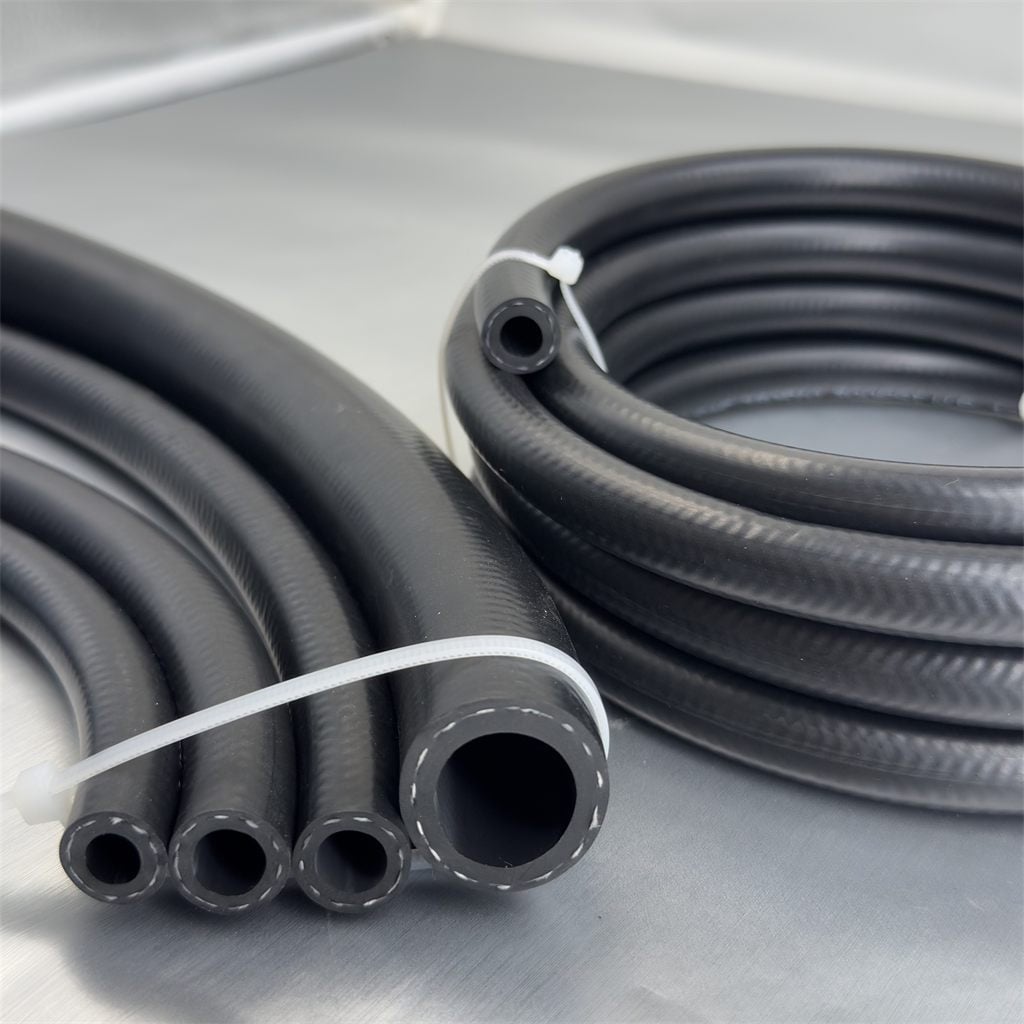
Knowing when to replace your NBR rubber hose is critical for maintaining system reliability, preventing fluid leaks, and avoiding costly downtime. NBR rubber hoses are engineered for demanding industrial applications where oil resistance and durability are essential. However, like all components, these hoses deteriorate over time and eventually require replacement to maintain safe operation. Understanding the warning signs and replacement timeline helps you make informed maintenance decisions that protect your equipment and budget.
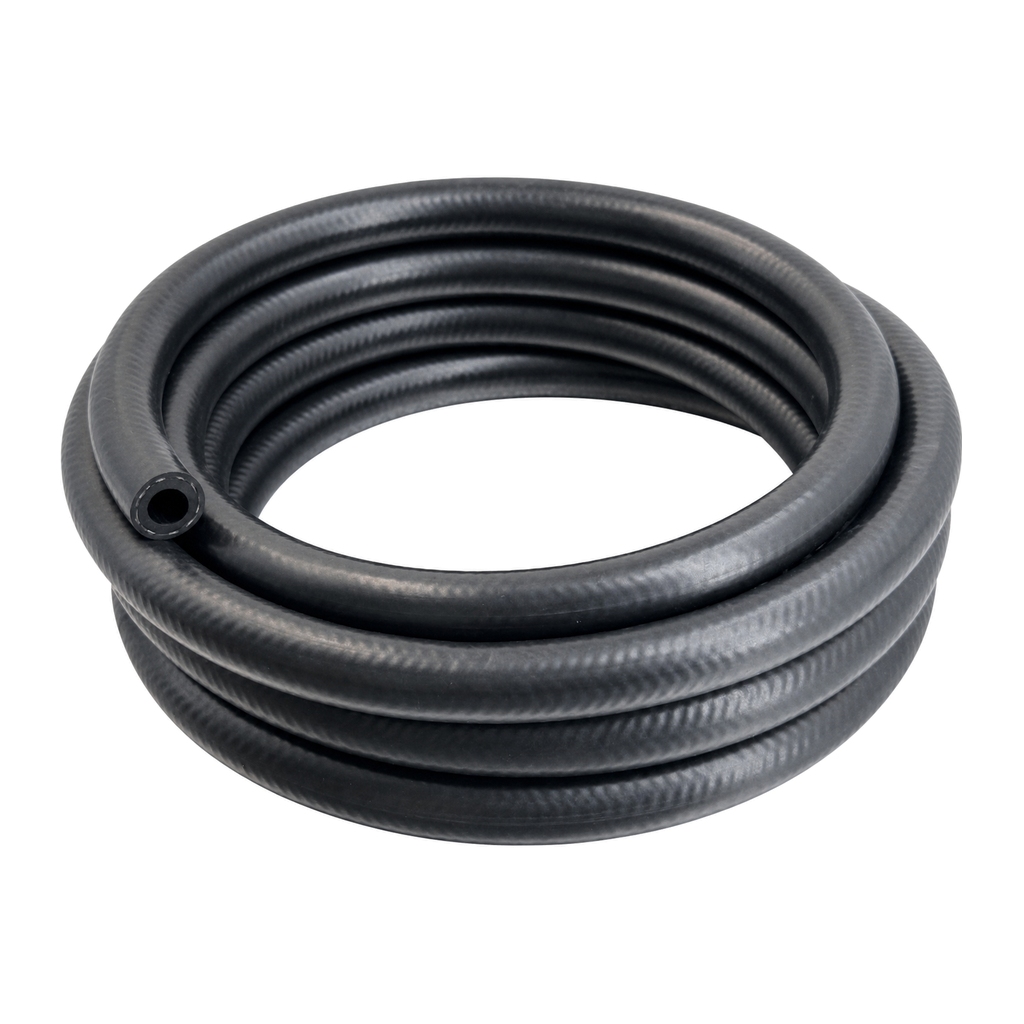
The replacement timing for an NBR rubber hose depends on application intensity, environmental exposure, fluid compatibility, and maintenance practices. Industrial equipment operators need clear guidance on identifying degradation signs and establishing preventive replacement schedules. This article explores the key factors that determine when your nitrile rubber tubing should be replaced, helping you avoid unexpected failures and maintain peak operational efficiency.
Recognizing Physical Deterioration Signs
Surface Damage and Discoloration
Physical inspection reveals critical clues about hose condition. Cracks, splits, hardening, or brittleness indicate that the rubber material has aged beyond safe operating limits. Oil resistant rubber hoses naturally yellow or darken over time, but severe discoloration combined with texture changes signals advanced degradation. When handling the hose, you should notice flexibility and resilience. If the material feels stiff, crumbly, or easily punctures under pressure, replacement becomes necessary immediately.
Leakage and Fluid Seepage
Any visible fluid leakage around connection points or along the hose body requires urgent attention. Synthetic rubber hose applications depend on complete fluid containment to function safely. Pinhole leaks or slow weeping may seem minor initially, but they indicate internal wall failure and imminent rupture. Leakage also contaminates surrounding equipment and poses environmental hazards. Once fluid seepage appears, replacement should occur within days rather than weeks to prevent catastrophic failure.
Age-Based Replacement Guidelines
Industry Standards and Hose Lifespan
Most manufacturers recommend replacing industrial hoses every five to seven years, regardless of visible condition. This timeline accounts for material fatigue that occurs invisibly within the rubber structure. Nitrile rubber tubing maintains consistent performance throughout its rated lifespan, but degradation accelerates sharply after this window closes. Environmental storage conditions significantly affect lifespan. Hoses exposed to extreme temperatures, UV light, ozone, or chemical atmospheres may require replacement within three to five years. Conversely, properly stored hoses in climate-controlled facilities might extend to ten years if regularly inspected and maintained.
Application-Specific Considerations
High-pressure applications demand more aggressive replacement schedules than low-pressure systems. Hoses carrying hot fluids near maximum temperature ratings deteriorate faster than those in moderate-temperature service. Oil resistant rubber hoses used in engine compartments or near heat sources face constant thermal stress that reduces effective lifespan by twenty to forty percent. Similarly, hoses subject to constant flexing or vibration experience faster internal degradation. Track application severity and adjust replacement intervals downward when conditions are harsh.
Performance Degradation Factors
Pressure Loss and System Inefficiency
Aging synthetic rubber hose applications show reduced pressure handling capability before visible failure occurs. Internal rubber layers lose elasticity, allowing microscopic deformation under load. This internal collapse restricts fluid flow and causes pressure drops that reduce system efficiency. You might notice reduced hydraulic power, slower actuator response, or inconsistent performance before catastrophic rupture. These performance changes indicate the hose has reached the end of safe service life. Replacement restores full system efficiency and prevents secondary damage to pumps or motors working harder to compensate.
Temperature and Chemical Compatibility Changes
Nitrile rubber tubing begins losing chemical resistance as it ages. The rubber becomes progressively more susceptible to fluid degradation and swelling. Hoses that originally handled specific fluids safely may begin showing softening or deterioration after extended service. This chemical compatibility loss creates a dangerous situation where fluid leakage accelerates rapidly once it begins. Additionally, aging rubber loses its ability to maintain temperature ratings. Hoses rated for temperatures up to 100 degrees Celsius when new might safely handle only 80 degrees after ten years of service. When system demands approach these reduced limits, replacement becomes prudent even if the hose appears externally sound.
Establishing Preventive Maintenance Schedules
Inspection and Monitoring Protocols
Implement quarterly visual inspections of all NBR rubber hose assemblies in critical applications. Document hose installation dates, applications, and any observed changes in appearance or performance. Establish a replacement calendar based on installation date plus manufacturer recommendations, adjusted for application severity. This proactive approach prevents surprises and allows planned replacement during scheduled maintenance rather than emergency repairs. Test hose flexibility manually by carefully bending sections that are not under pressure. Hose that resists bending or cracks during light flexing needs immediate replacement. Pressure testing after a few years identifies internal degradation before external signs appear.
Replacement Timing Strategy
Schedule replacement during planned maintenance windows rather than waiting for failure. Grouping hose replacements with other seasonal maintenance reduces labor costs and system downtime. Maintain spare NBR rubber hoses compatible with your most critical applications, allowing immediate response if unexpected failure occurs. Train maintenance personnel to recognize early deterioration signs so replacement decisions happen before emergency situations develop. This strategic approach protects system reliability while optimizing maintenance budgets and minimizing unplanned operational disruptions.
FAQ
How often should industrial NBR rubber hoses be replaced?
Most manufacturers recommend replacing nitrile rubber tubing every five to seven years under normal conditions. However, hoses in harsh environments, high-pressure applications, or extreme temperatures may require replacement every three to five years. Establish your replacement schedule based on application severity, environmental exposure, and documented condition assessments rather than relying solely on calendar intervals.
What are the main warning signs that a rubber hose needs replacement?
Critical warning signs include visible cracks, splits, hardening of the rubber material, fluid leakage, discoloration beyond normal aging, reduced pressure handling, and loss of flexibility. Any of these indicators suggests that synthetic rubber hose applications have reached the end of safe service life. Additionally, if oil resistant rubber hoses show reduced performance or the rubber feels brittle when handled, replacement should occur promptly to prevent failure.
Can you extend the lifespan of an NBR rubber hose through maintenance?
Proper storage and maintenance can help preserve hose condition and potentially extend lifespan within reasonable limits. Protect hoses from extreme temperatures, UV exposure, ozone, and unnecessary flexing when not in use. Keep hoses clean and dry, and avoid contact with incompatible chemicals. However, nitrile rubber tubing has inherent material fatigue limits that maintenance cannot overcome. Even well-maintained hoses will eventually reach their service life limit and require replacement to ensure safe operation.
 EN