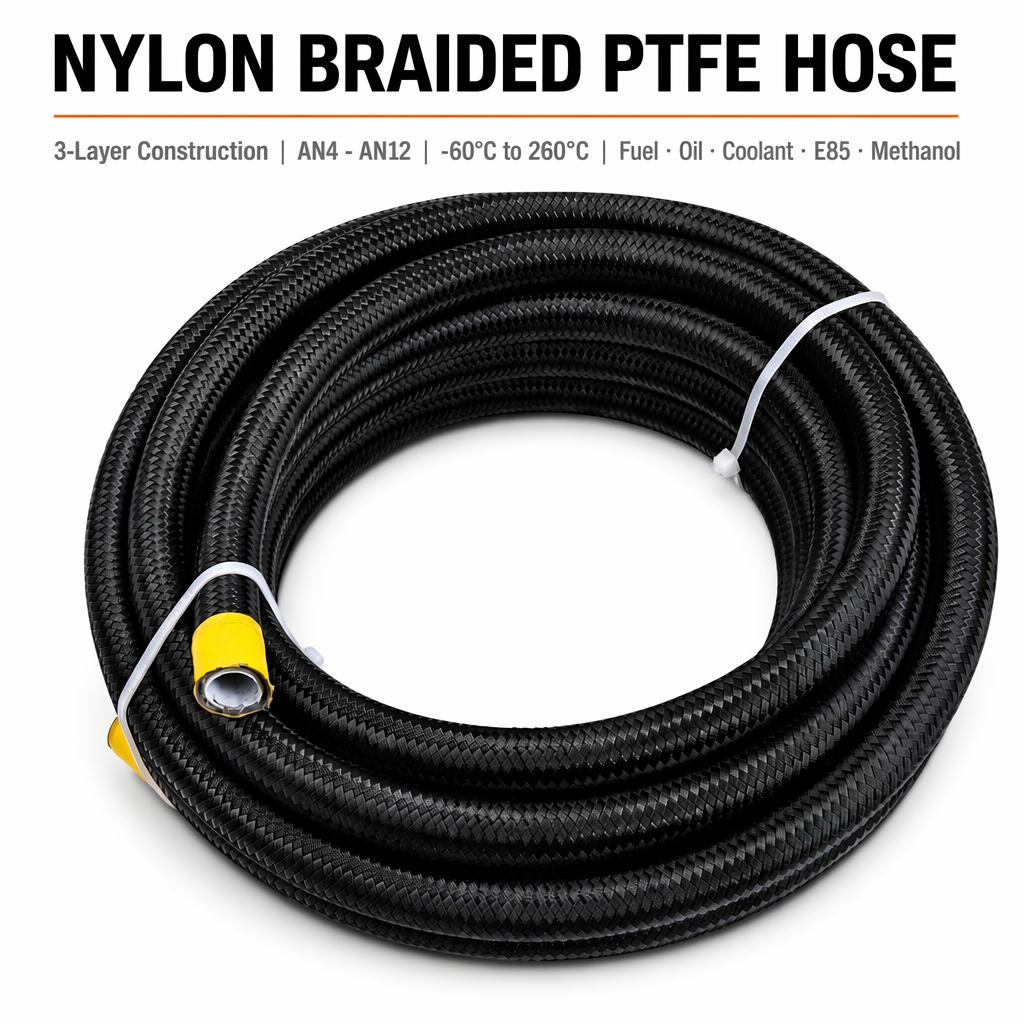
Knowing when to replace coolant hoses is essential for maintaining vehicle reliability and preventing costly engine damage. Coolant hoses are critical components of your engine cooling system, responsible for circulating antifreeze between the radiator, engine block, and heating core. Over time, these hoses degrade due to heat exposure, pressure cycling, and chemical breakdown of rubber compounds. Understanding the warning signs and replacement timeline helps you avoid unexpected breakdowns and extend your vehicle's lifespan.
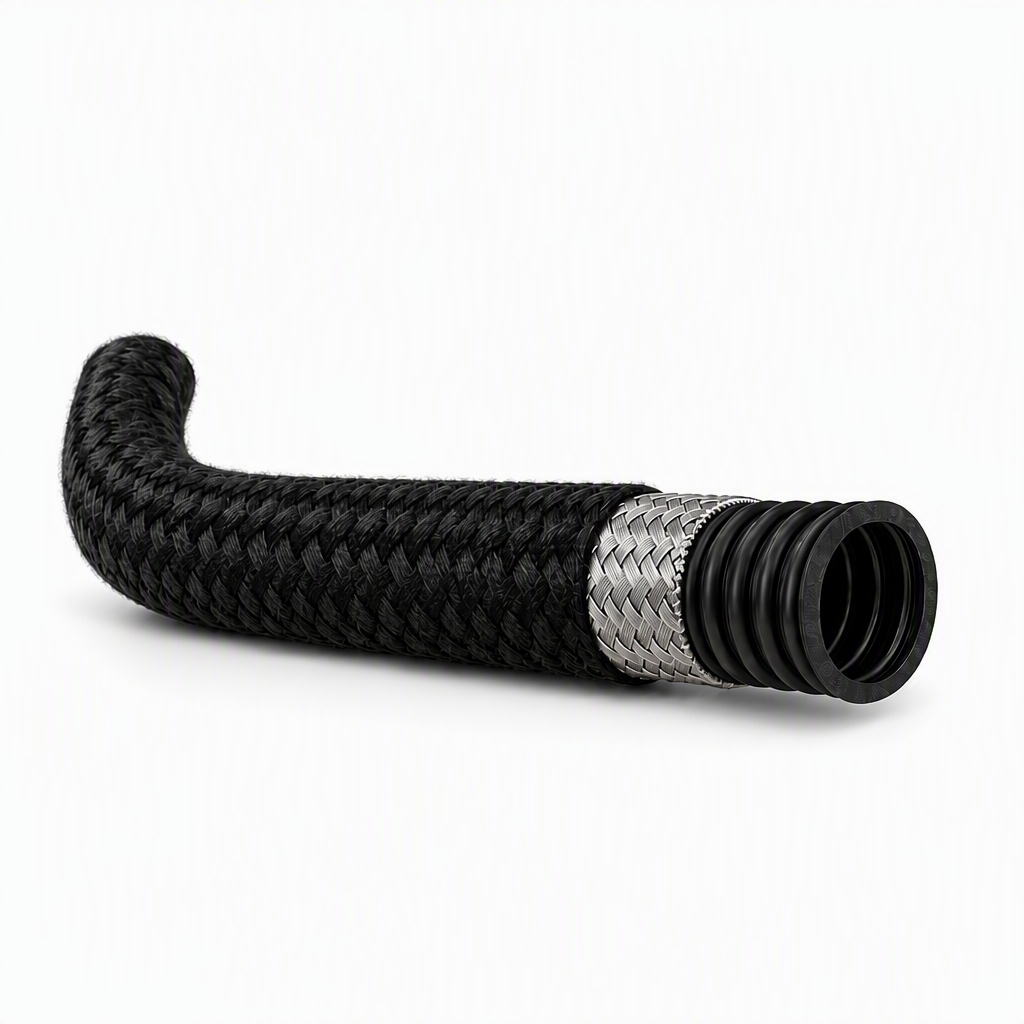
Most vehicle manufacturers recommend inspecting your radiator hose replacement schedule every 30,000 miles or every two to three years, depending on driving conditions and hose material quality. The engine cooling system operates under constant thermal stress, causing rubber hoses to harden, crack, and lose elasticity. Antifreeze hose maintenance becomes increasingly important in older vehicles where original equipment hoses have exceeded their service life. Proactive inspection and timely replacement of compromised hoses prevent coolant leaks that can lead to engine overheating and severe mechanical failure.
Identifying Visible Deterioration Signs
Physical Damage and Hardening
Visual inspection is your first line of defense in determining when to replace coolant hoses. Look for cracks, splits, bulges, or soft spots along the entire length of each hose. Squeeze the hose gently when the engine is cool—healthy radiator hose replacement candidates should have slight give but not feel mushy or excessively hard. Hoses that feel rock-hard have lost flexibility and are prone to splitting under pressure fluctuations. Visible corrosion, discoloration, or surface erosion indicates advanced degradation of the rubber compound, especially in engine cooling system applications where temperatures regularly exceed 200 degrees Fahrenheit.
Leaks and Seepage
Any visible coolant seepage around hose connections or along the hose body signals the need for antifreeze hose maintenance. Even small drips deserve attention because they indicate compromised hose integrity. Check underneath your vehicle for dried coolant residue or fresh puddles that suggest active leaks from coolant hoses. Seepage often occurs at connection points where hoses clamp to the radiator, water pump, or engine block. These early warnings give you time to schedule replacement before complete hose failure causes engine overheating and potential damage to internal components.
Age-Based Replacement Guidelines
Factory Original Equipment Lifespan
Most original equipment radiator hose replacement intervals fall between three and five years, though this varies based on vehicle make, model, and driving conditions. Newer vehicles may use extended-life hoses rated for 50,000 to 100,000 miles or longer, while older models typically require replacement every 30,000 to 40,000 miles. The engine cooling system demands reliable hoses throughout a vehicle's service life, making age-based preventive replacement a sound investment. Many fleet operators and professional mechanics follow a conservative replacement schedule of every four to five years regardless of mileage to avoid roadside failures and unexpected downtime.
Aftermarket Hose Durability Considerations
Aftermarket coolant hoses vary significantly in quality and expected lifespan. Budget-friendly options may fail within two to three years, while premium-grade antifreeze hose maintenance products can last five to seven years or more. High-quality replacement hoses often feature improved rubber compounds, better heat resistance, and superior reinforcement layers that extend their functional life in demanding engine cooling system conditions. When selecting replacement hoses, consider vehicles exposed to extreme temperatures, frequent towing, or high-performance driving, as these applications accelerate hose degradation and justify investment in premium products.
Performance and System Symptoms
Temperature and Pressure Indicators
Pay attention to engine temperature gauge readings and warning light activation as potential indicators that radiator hose replacement may be necessary. A failing hose allows coolant to leak from the engine cooling system, reducing coolant volume and causing temperature spikes. Dashboard warnings like 'CHECK ENGINE' or 'COOLANT LOW' often appear before visible symptoms become obvious. A functioning engine cooling system maintains stable temperature around 195 to 220 degrees Fahrenheit; readings consistently above this range suggest potential hose leaks or system inefficiency requiring immediate investigation of your coolant hoses.
Unusual Odors and Discoloration
Strange smells emanating from the engine bay can indicate degrading antifreeze hose maintenance components. A sweet burning smell often means coolant is leaking onto hot engine surfaces. Discolored or milky coolant fluid suggests contamination from a failing hose, requiring complete system flushing during replacement. Brown or rust-colored deposits inside the radiator cap indicate internal corrosion spreading through the engine cooling system, frequently linked to aging hoses that allow air infiltration and oxidation of antifreeze fluid.
Environmental and Driving Condition Factors
Climate Impact on Coolant Hose Lifespan
Extreme temperatures significantly accelerate radiator hose replacement needs in both hot and cold climates. Vehicles regularly exposed to temperatures above 100 degrees Fahrenheit experience faster rubber degradation and increased pressure cycling. Cold climates cause thermal contraction and expansion cycles that stress coolant hoses and weaken connection points. Vehicles operated in mountainous regions with frequent elevation changes experience constant pressure variations that compromise hose integrity more rapidly than flat-terrain vehicles. Understanding your local climate helps establish realistic inspection and replacement intervals for antifreeze hose maintenance in your engine cooling system.
Driving Habits and Engine Load
Aggressive driving, frequent towing, and sustained high-RPM operation place greater stress on coolant hoses than normal driving patterns. Performance vehicles and those regularly hauling trailers generate higher coolant temperatures and pressure spikes that accelerate hose degradation. Stop-and-go city driving combined with highway cruising creates diverse thermal cycles that challenge hose elasticity and connection integrity. Professional delivery vehicles and commercial fleet trucks typically require more frequent radiator hose replacement schedules than personal vehicles driven under moderate conditions. Monitoring your vehicle's specific usage patterns helps predict when to replace coolant hoses before failure occurs.
FAQ
What happens if coolant hoses fail while driving?
Coolant hose failure while driving causes rapid engine cooling system failure, leading to dangerous overheating within minutes. The engine can seize, resulting in expensive repairs or complete engine replacement. You risk being stranded in unsafe conditions. Modern vehicles may limp home using reduced power modes, but complete hose rupture necessitates immediate stopping to prevent catastrophic engine damage.
Can you drive with a leaking antifreeze hose?
Driving with a leaking antifreeze hose is risky and not recommended for extended distances. Small seeps may allow short trips to a repair facility, but continuous coolant loss reduces system efficiency and increases overheating risk. Antifreeze hose maintenance requires prompt attention to prevent complete failure. Monitor coolant levels frequently and watch temperature gauges closely if you must drive a vehicle with known hose damage.
How much does radiator hose replacement typically cost?
Radiator hose replacement costs vary based on vehicle make and model, typically ranging from $150 to $400 per hose including labor. Premium antifreeze hose maintenance products cost more than budget options but offer longer lifespan. Labor time depends on hose location and accessibility; some hoses require removing other engine components for access. Replacing multiple coolant hoses during one service reduces total labor cost compared to individual replacements spread over time.
 EN