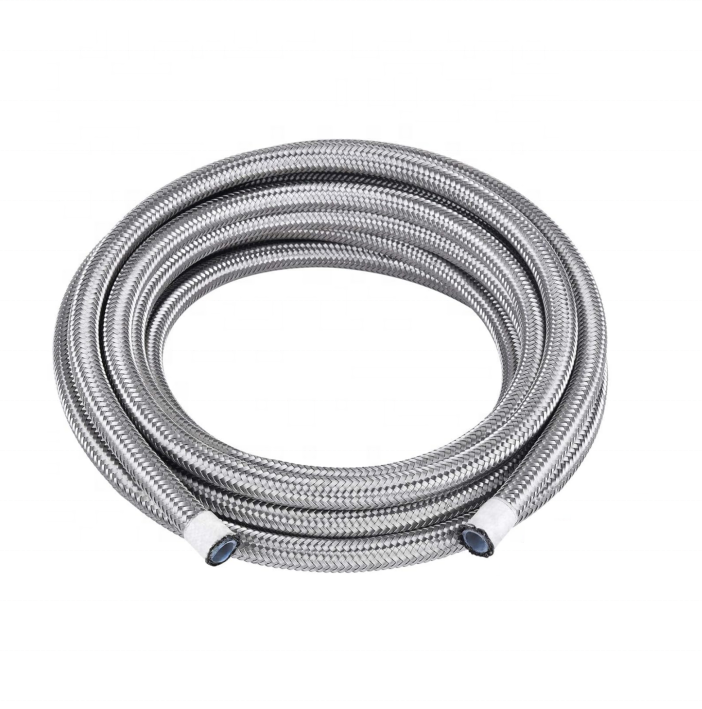
Industrial fluid transfer demands materials that withstand extreme temperatures, aggressive chemicals, and demanding operating conditions. The ptfe tube stands as one of the most reliable solutions for these challenges, offering superior chemical resistance and thermal stability across diverse applications. Understanding where and how to deploy teflon tubing effectively can significantly improve system performance, reduce maintenance costs, and extend equipment lifespan in critical industrial environments.
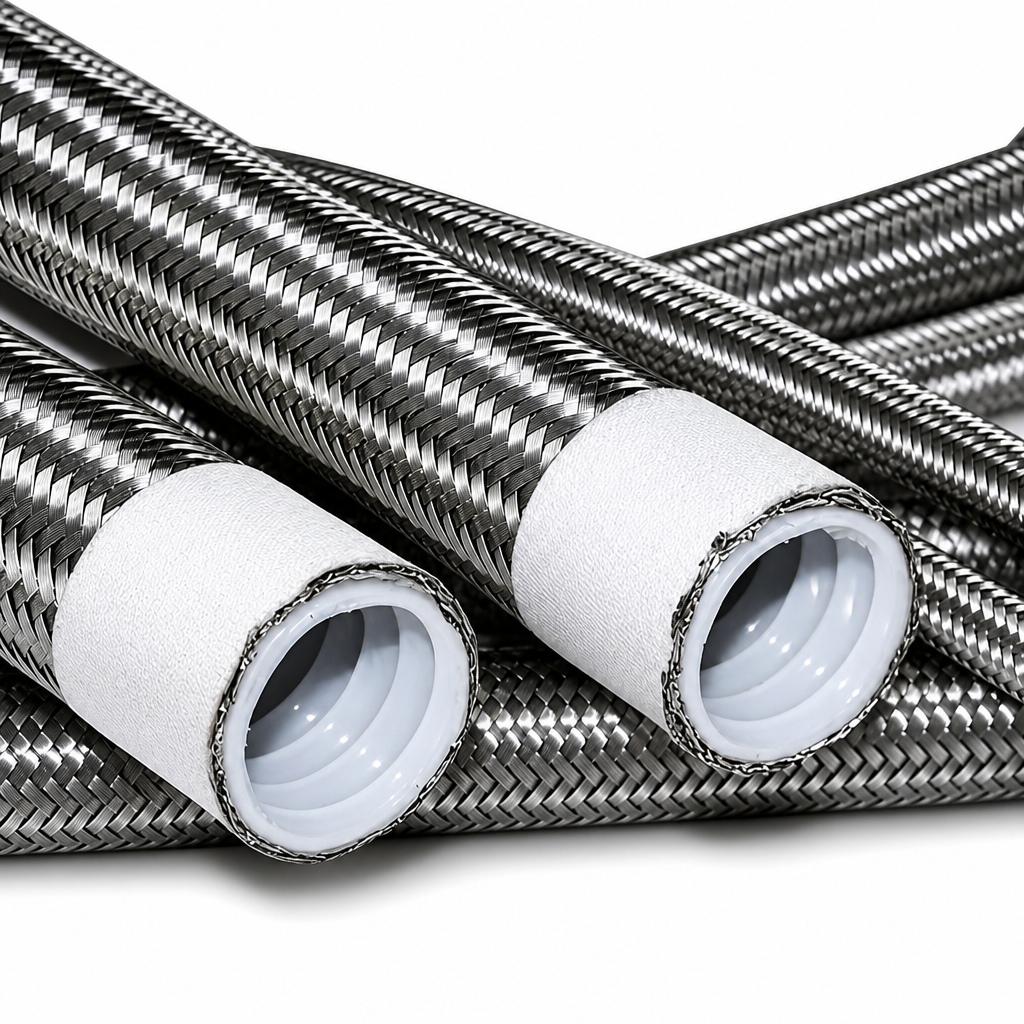
Choosing the right fluoropolymer hose for specific industrial applications requires understanding both material properties and operational constraints. PTFE tubing applications span chemical processing, pharmaceutical manufacturing, semiconductor production, and food processing industries where material compatibility and purity are non-negotiable. This guide explores the primary industries and operational contexts where fluoropolymer hose delivers maximum value, helping engineers and procurement specialists make informed decisions about material selection for their fluid transfer systems.
Chemical and Petrochemical Processing
Aggressive Fluid Handling Requirements
Chemical plants operate with corrosive fluids including strong acids, bases, and organic solvents that degrade conventional tubing materials rapidly. PTFE tubing applications in these environments leverage the material's extraordinary chemical inertness, resisting attack from nearly all industrial chemicals at operating temperatures. Fluoropolymer hose remains stable when transferring hydrochloric acid, sulfuric acid, chlorine compounds, and various organic solvents that would compromise rubber or plastic alternatives within weeks.
Teflon tubing handles temperature variations common in chemical reactions and distillation processes without degradation or outgassing. The material maintains its dimensional stability across temperature swings from cryogenic conditions to 260 degrees Celsius, critical for batch processes where temperature control directly affects product quality. Petroleum refineries specifically deploy ptfe tube systems for transferring fractionated products where contamination from traditional hose materials would compromise fuel specifications and regulatory compliance.
Cost Efficiency Through Extended Service Life
While fluoropolymer hose carries higher initial capital expense compared to rubber or PVC alternatives, the extended service life and reduced maintenance frequency deliver superior total cost of ownership. Chemical plants report teflon tubing replacement cycles measured in years rather than months, eliminating frequent downtime for system maintenance and hose replacement. PTFE tubing applications in aggressive chemical environments consistently outperform traditional materials by factors of three to five times in service longevity.
Pharmaceutical and Biotech Manufacturing
Purity and Contamination Prevention
Pharmaceutical manufacturing demands absolute purity in fluid transfer systems because any material leaching from tubing walls contaminates active pharmaceutical ingredients and renders entire batches unusable. Teflon tubing presents zero extractable compounds, ensuring that ptfe tube systems transfer liquids without introducing foreign substances into sensitive formulations. Regulatory agencies including the FDA and EMA recognize fluoropolymer hose as an acceptable contact material for injectable drugs and biologics, supporting its widespread adoption in GMP-compliant facilities.
Biotech companies manufacturing monoclonal antibodies, vaccines, and other biologics depend on PTFE tubing applications to maintain product integrity throughout multi-step purification processes. The smooth, non-porous inner surface of teflon tubing resists bacterial colonization and protein adsorption, critical factors in sterile processing where microbial contamination poses serious risks. Fluoropolymer hose systems also withstand the CIP (clean-in-place) and SIP (sterilize-in-place) protocols required in modern pharmaceutical facilities, allowing high-temperature steam sterilization without degradation.
Regulatory Compliance and Documentation
Pharmaceutical manufacturers must maintain detailed documentation proving that all contact materials meet regulatory requirements for safety and purity. PTFE tubing applications benefit from extensive historical use data and published biocompatibility studies demonstrating safety across all intended applications. Teflon tubing can be obtained with full lot traceability, certificates of analysis, and material test reports supporting regulatory submissions and facility audits.
Food and Beverage Processing
Compliance with Food Safety Standards
Food processing operations must use materials approved by the FDA and complying with regulations such as 21 CFR Part 177, which establishes standards for polymers used in food contact applications. PTFE tubing applications in dairy processing, brewing, juice production, and food ingredient manufacturing meet these regulatory requirements without question. Fluoropolymer hose used in food service maintains nutritional quality and taste profiles while preventing any material migration that could alter product characteristics or safety.
Teflon tubing's resistance to flavor transfer proves especially valuable in food applications where lingering tastes from previous products could contaminate subsequent batches. The inert surface of ptfe tube prevents absorption of flavoring compounds and essences, ensuring clean transitions between different product formulations. Beverage manufacturers particularly appreciate PTFE tubing applications for transferring carbonated drinks, citric acid solutions, and alcoholic beverages where traditional hose materials degrade rapidly from chemical exposure.
Sanitation and Cleanability
Food safety protocols require frequent sanitation of all transfer equipment to prevent cross-contamination and pathogenic growth. Fluoropolymer hose surfaces resist biofilm formation and allow complete drainage, supporting rapid turnaround between production runs. PTFE tubing applications accommodate hot water flushing and chemical sanitization protocols without degradation, maintaining system integrity across thousands of cleaning cycles.
FAQ
What makes teflon tubing superior to rubber hoses in industrial applications?
Teflon tubing delivers dramatically superior chemical resistance, thermal stability, and service longevity compared to rubber or synthetic elastomer hoses. PTFE tubing applications consistently survive chemical exposure that degrades rubber hoses within months, while maintaining dimensional stability across temperature ranges where rubber hardens or becomes brittle. The non-porous surface of fluoropolymer hose eliminates extractable compounds that rubber hoses shed, critical for pharmaceutical and food applications where material purity determines product quality.
How does fluoropolymer hose handle high-temperature environments?
Teflon tubing maintains its mechanical properties and chemical resistance up to 260 degrees Celsius, far exceeding the temperature capabilities of conventional tubing materials. PTFE tubing applications in steam systems, hot oil lines, and high-temperature chemical transfer benefit from the material's crystalline structure, which remains stable even under sustained thermal stress. Fluoropolymer hose does not soften, melt, or release gases at elevated temperatures, making ptfe tube the preferred choice for applications where thermal cycling or sustained heat exposure would compromise system integrity.
Can PTFE tubes be used with all industrial chemicals?
PTFE tubing applications successfully handle virtually all industrial chemicals with the exception of a narrow range of specialty compounds including molten alkali metals and certain organofluorine compounds. Teflon tubing resists strong acids, bases, solvents, oils, and halogens that attack traditional materials, making fluoropolymer hose suitable for nearly every industrial chemical transfer scenario. Ptfe tube systems allow engineers to standardize on a single material across diverse applications, simplifying inventory management and reducing compatibility concerns across complex facility networks.
 EN