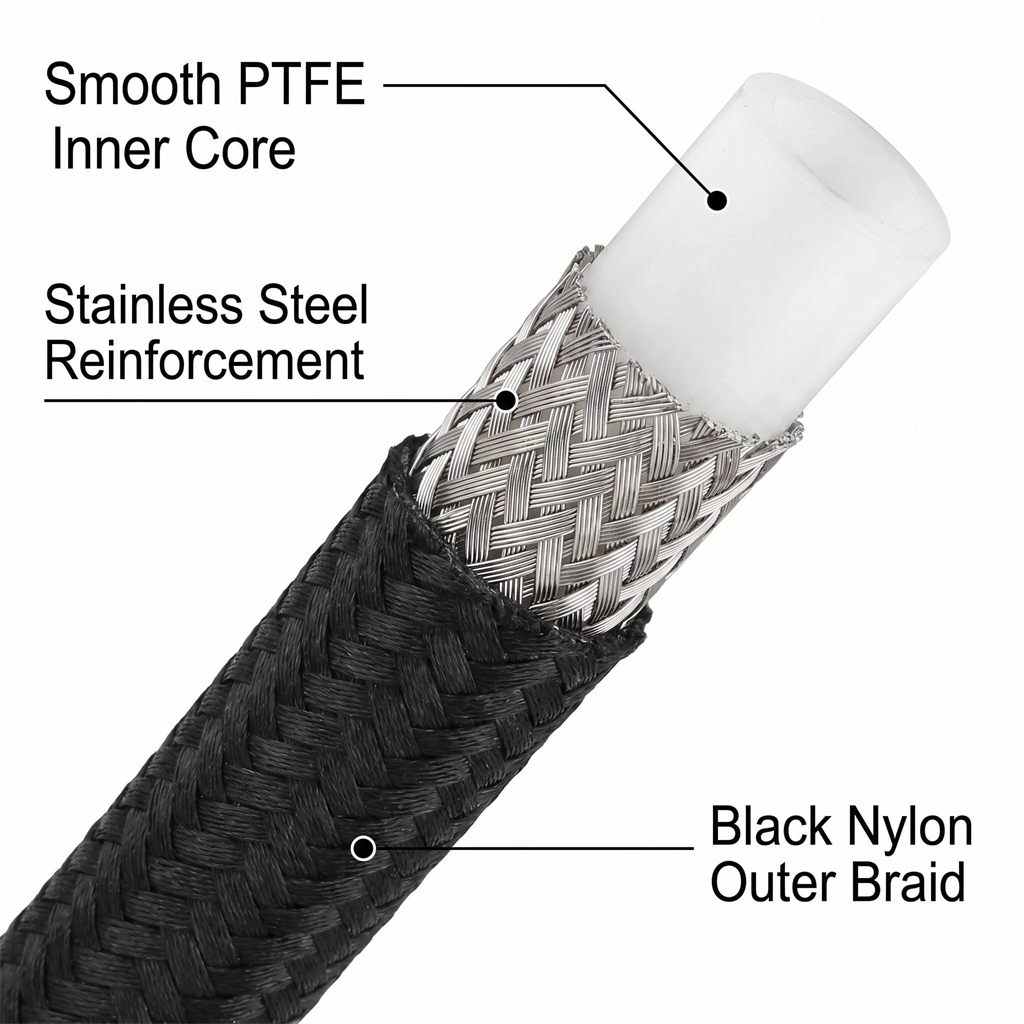
Teflon hoses, commonly known as PTFE tubing, represent one of the most versatile and reliable solutions for fluid transfer across demanding industrial environments. Whether you manage a chemical processing facility, operate specialized automotive equipment, or work within pharmaceutical manufacturing, understanding where to deploy a teflon hose can dramatically improve system efficiency, extend equipment lifespan, and reduce maintenance costs. The unique properties of PTFE make it exceptional for applications where standard rubber or thermoplastic hoses fail under chemical, thermal, or pressure stress.
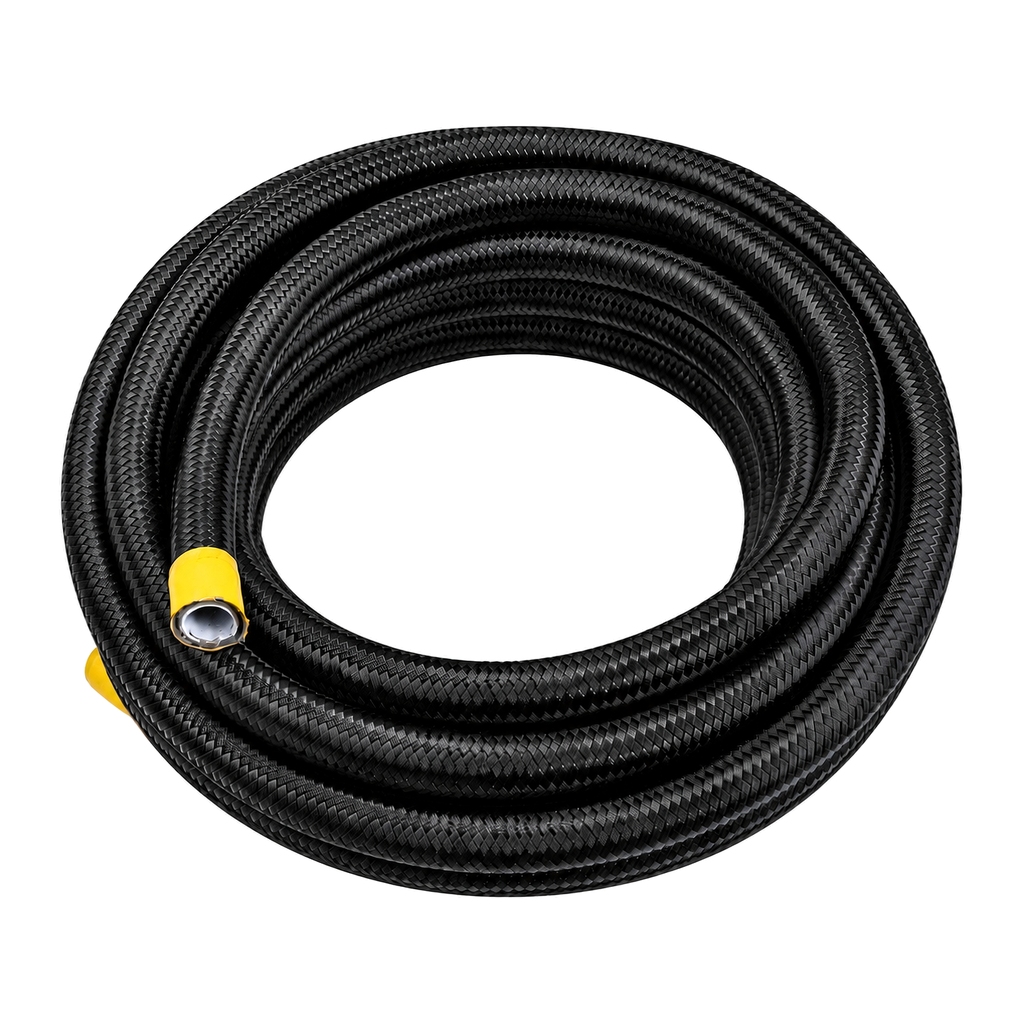
Chemical processing plants, fuel systems, and high-performance automotive applications all benefit from fluoropolymer hose technology. The inherent resistance of PTFE tubing to aggressive solvents, oils, and caustic substances makes it indispensable in environments where material compatibility directly impacts operational safety and regulatory compliance. This article explores the specific industrial scenarios and technical contexts where PTFE tubing delivers maximum value, ensuring you make informed decisions about fluid transfer system design and material selection.
Chemical Processing and Laboratory Environments
Aggressive Chemical Compatibility
Chemical resistant tubing must withstand exposure to highly corrosive and reactive substances without degrading, swelling, or leaching contaminants into the fluid stream. PTFE tubing excels in these conditions because fluoropolymer materials resist virtually all organic and inorganic chemicals at standard operating temperatures. Laboratories conducting research with strong acids, bases, and specialty solvents rely on PTFE tubing to transport reagents safely without material failure or contamination risks. Pharmaceutical manufacturers use chemical resistant tubing in synthesis processes where cross-contamination could compromise product purity and regulatory compliance.
Precision Fluid Transfer Requirements
In analytical instruments, sample delivery systems, and precision metering applications, the purity and consistency of fluid transport determine result accuracy. A fluoropolymer hose maintains dimensional stability and does not absorb or release particles that could interfere with sensitive measurements. Chemical processing plants deploying fluoropolymer hose in distillation units, extraction systems, and purification loops benefit from zero material interaction with processed fluids. This non-reactive nature of PTFE tubing ensures that downstream operations receive fluids with consistent composition and quality, eliminating one major source of process variability.
High-Temperature and Thermal Cycling Applications
Extreme Temperature Stability
Industrial environments frequently demand materials that maintain structural integrity and sealing performance across wide temperature ranges. PTFE tubing performs reliably from cryogenic conditions below minus fifty degrees Celsius to continuous operating temperatures near two hundred sixty degrees Celsius, with brief excursions higher. This thermal stability of chemical resistant tubing makes it ideal for steam distribution lines, heat exchanger connections, and high-temperature fluid transfer in metal processing and aerospace manufacturing. Unlike rubber hoses that degrade, crack, and fail under thermal stress, fluoropolymer hose maintains flexibility and pressure retention throughout thermal cycling, significantly extending service life and reducing unplanned equipment downtime.
Thermal Shock Resistance
Rapid temperature transitions present unique challenges that many standard hose materials cannot tolerate. PTFE tubing withstands sudden temperature changes without cracking, blistering, or delamination, making it essential for applications involving repeated thermal cycling. Industrial ovens, quenching systems, and rapid-cooling processes require chemical resistant tubing capable of handling these extreme transients. A fluoropolymer hose remains compliant and functional even after hundreds or thousands of thermal cycling events, whereas conventional materials experience accelerated failure and premature replacement. This durability directly translates to reduced maintenance frequency and lower total cost of ownership across the equipment lifetime.
Specialized Automotive and Fuel System Applications
Fuel and Solvent Resistance for Performance Engines
High-performance automotive systems, racing engines, and alternative fuel applications demand superior compatibility with fuel blends, additives, and non-standard solvents. PTFE tubing resists ethanol, methanol, nitromethane, and other specialty fuels that can swell or degrade conventional hose materials, ensuring reliable fuel delivery and system integrity. Automotive manufacturers specify chemical resistant tubing in fuel delivery systems for vehicles operating under extreme conditions or using unconventional fuel compositions. Racing teams depend on fluoropolymer hose to maintain consistent fuel pressure and eliminate the risk of fuel line failure during competition or demanding operating cycles. The stability of PTFE tubing under aggressive fuel environments ensures consistent engine performance and eliminates contamination from hose material degradation affecting fuel quality.
Pressurized Systems and Performance Requirements
Turbo boost systems, direct fuel injection, and high-pressure hydraulic circuits in performance vehicles require hose materials that combine pressure resistance with chemical compatibility. A teflon hose engineered with reinforcement layers maintains its structural integrity under peak pressure transients while resisting fuel and oil exposure. Nylon braiding or stainless steel spiral reinforcement allows PTFE tubing to handle pressures exceeding three hundred bar while retaining the chemical resistance properties essential for automotive fuel systems. This combination of mechanical strength and material compatibility makes fluoropolymer hose the preferred choice for demanding automotive applications where reliability directly impacts vehicle safety and performance.
FAQ
Can PTFE tubing handle food and beverage processing applications?
Yes, PTFE tubing is FDA-compliant and approved for food contact applications, making it suitable for beverage production, dairy processing, and pharmaceutical liquid handling. The non-reactive nature of fluoropolymer hose ensures no flavor transfer, microbial growth, or material leaching that could compromise product safety or quality. Many beverage manufacturers choose chemical resistant tubing specifically for its food-grade certifications and compatibility with cleaning agents, temperature extremes, and sanitation protocols required in regulated food production environments.
What pressure ratings should I expect from a teflon hose?
Standard PTFE tubing without reinforcement typically handles pressures up to one hundred fifty bar, while reinforced varieties with nylon braid or stainless steel spiral can achieve three hundred bar or higher, depending on diameter and construction design. The pressure capability of fluoropolymer hose varies based on tube wall thickness, reinforcement type, and fitting design. Always consult manufacturer specifications and pressure rating tables specific to your teflon hose configuration to ensure safe operation within design limits and regulatory compliance.
How does PTFE tubing compare to silicone or rubber alternatives?
While silicone and rubber hoses cost less initially, PTFE tubing delivers superior chemical resistance, thermal stability, and service life in harsh environments where those materials degrade rapidly. Chemical resistant tubing made from fluoropolymer materials maintains performance across temperature ranges and chemical exposures where silicone and rubber fail, requiring frequent replacement and causing unplanned downtime. The extended service interval and reliability of a teflon hose in demanding applications often justify the higher material cost through reduced maintenance, fewer emergency repairs, and improved system uptime over the equipment lifetime.
 EN