Selecting the right rubber hoses for chemical handling is critical in industrial operations. Chemical exposure degrades many standard hose materials, leading to leaks, contamination, and safety risks. Understanding which rubber hoses resist chemicals best helps you choose products that maintain integrity under harsh conditions, reduce maintenance costs, and ensure reliable fluid transfer. The right chemical resistant hoses prevent costly downtime and protect both equipment and personnel from hazardous substance contact.
Industrial hose applications demand materials engineered for specific chemical environments. Not all rubber compounds offer equal resistance to solvents, oils, acids, bases, and corrosive agents. Hose pressure ratings and chemical compatibility must work together to deliver safe, compliant performance. This guide explains the material science behind chemical resistant hoses, how to evaluate compatibility, and what factors determine long-term reliability in demanding industrial settings.
Understanding Chemical Resistant Hose Materials
Elastomer Selection for Chemical Resistance
Chemical resistant hoses begin with elastomer selection. Different rubber compounds resist specific chemicals differently. Nitrile rubber resists oils, fuels, and many hydrocarbons but struggles with aromatic solvents and polar chemicals. EPDM rubber offers excellent resistance to water, steam, and ozone but performs poorly with petroleum products. PTFE (polytetrafluoroethylene) resists virtually all chemicals, including aggressive solvents, acids, and bases, making it ideal for severe chemical exposure. For industrial hose applications, understanding these material properties ensures proper selection before pressure ratings or cost factors come into play. Each elastomer family has distinct chemical compatibility ranges, so matching the hose to your specific fluid is fundamental.
Reinforcement and Protective Layers
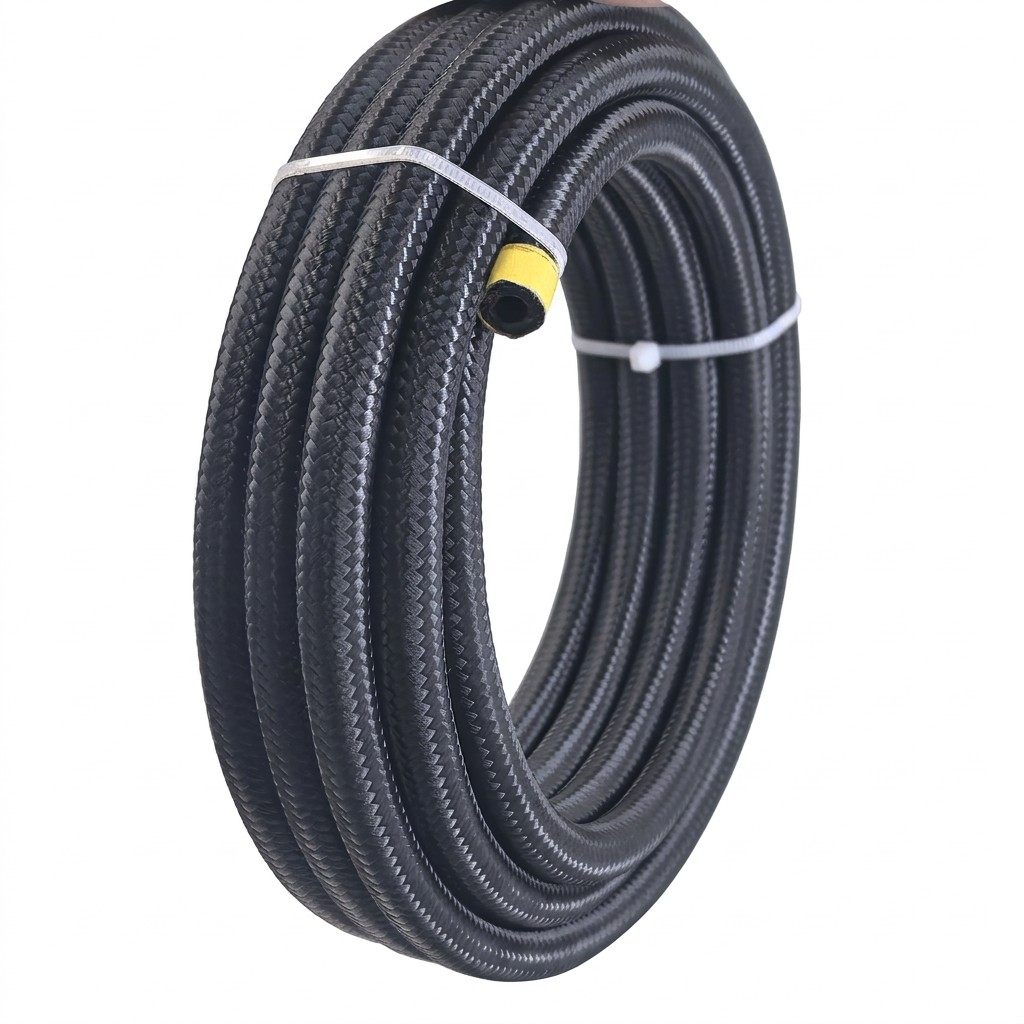
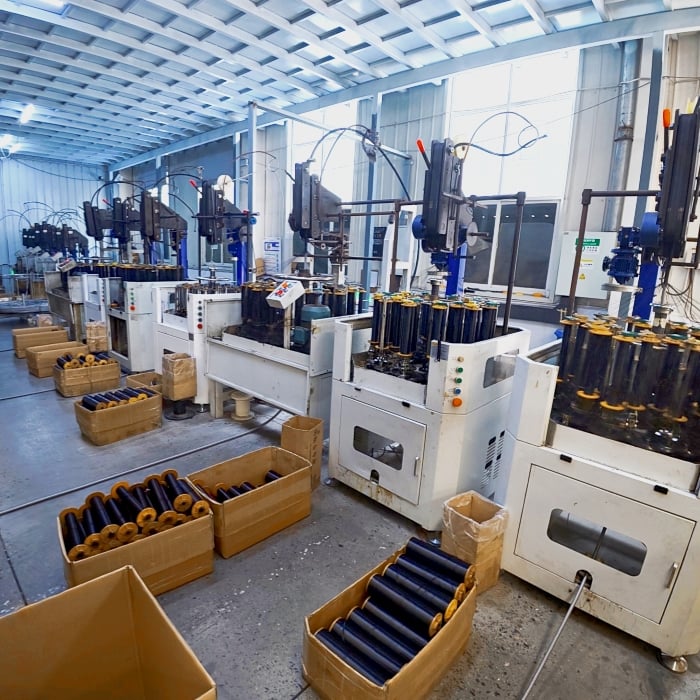
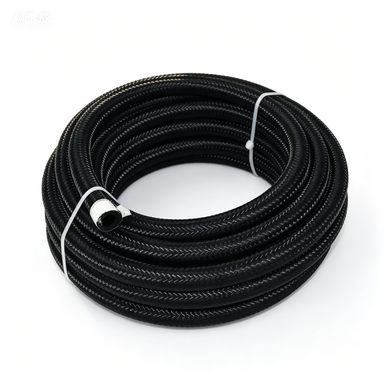
Beyond the elastomer core, chemical resistant hoses use reinforced construction and protective barriers. Steel wire or high-strength synthetic fiber reinforcement provides structural integrity while maintaining hose pressure ratings. Many industrial hoses include outer covers engineered to shield the inner tube from UV exposure, ozone, and environmental degradation. Some chemical resistant hoses feature specialized internal liners that prevent the transported fluid from directly contacting the elastomer body, adding another layer of protection. Hose pressure ratings increase with reinforcement quality, and thicker, more robust construction generally correlates with better chemical resistance overall. Layered design ensures the hose withstands both internal pressure and external chemical attack.
Evaluating Chemical Compatibility and Performance Standards
Matching Hoses to Specific Chemicals
Identifying the exact chemicals your operation handles is the first step in selecting chemical resistant hoses. Manufacturers provide compatibility charts showing how specific rubber hoses perform with hundreds of substances. These charts rate compatibility from excellent (no effect) through marginal (limited exposure) to poor (not recommended). Industrial hose applications often involve multiple chemicals, requiring compromise or specialized hose designs that handle diverse fluid types. Temperature, concentration, and contact duration all influence chemical compatibility, so matching hose pressure ratings and material grade requires detailed fluid analysis. Never assume a hose suitable for one chemical will work with another without verifying manufacturer data or laboratory testing.
Pressure Ratings and Performance Standards
Hose pressure ratings reflect the maximum internal pressure a hose safely withstands, typically measured in PSI (pounds per square inch) or bar. Chemical resistant hoses must maintain their structural integrity across the full temperature and pressure envelope of the application. Industrial hose applications require pressure ratings well above normal operating pressures to provide safety margins and accommodate pressure spikes. Standards like SAE (Society of Automotive Engineers), ISO (International Organization for Standardization), and DIN (German Institute for Standardization) specify minimum performance requirements for chemical resistant hoses. A properly rated hose resists chemical degradation while meeting required pressure ratings throughout its service life, ensuring both safety and operational efficiency in harsh environments.
Practical Selection Factors for Industrial Operations
Temperature Stability and Long-Term Durability
Chemical resistant hoses must perform reliably across operating temperature ranges. Heat accelerates chemical degradation, reducing the service life of hoses handling warm or heated chemicals. Many rubber hoses experience reduced hose pressure ratings at elevated temperatures, and some elastomers become brittle in cold environments. Industrial hose applications in refineries, chemical plants, and manufacturing facilities often involve temperature swings that stress hose materials. Selecting rubber hoses with rated temperature ranges matching your process conditions prevents premature failure and maintains pressure ratings when you need them most. Manufacturers specify both minimum and maximum operating temperatures to guide selection and ensure durable, safe operation.
Cost-Benefit Analysis and Total Cost of Ownership
While premium chemical resistant hoses cost more upfront than standard rubber hoses, they typically deliver superior total cost of ownership through extended service life and reduced failures. Failed hoses in chemical handling create expensive downtime, potential contamination issues, and safety risks that far exceed hose replacement costs. Industrial hose applications demanding chemical resistance should prioritize durability over lowest initial price. Evaluating supplier warranties, maintenance requirements, and failure history alongside hose pressure ratings and chemical compatibility data reveals true value. Organizations transitioning to superior chemical resistant hoses often discover that fewer failures, extended intervals between replacements, and improved operational reliability justify the investment quickly through reduced emergency maintenance and prevented accidents.
FAQ
What makes PTFE rubber hoses different from standard rubber hoses?
PTFE (polytetrafluoroethylene) rubber hoses feature exceptional chemical inertness, resisting nearly all solvents, acids, bases, and aggressive chemicals that would degrade standard rubber compounds. Standard rubber hoses use elastomers like nitrile or natural rubber that handle specific chemical families well but fail under diverse chemical exposure. PTFE maintains its properties across extreme temperature ranges and supports high hose pressure ratings without compromising chemical resistance. While PTFE hoses cost more, their versatility across industrial hose applications involving multiple or unknown chemicals often justifies the expense through simplified inventory management and reliable performance in challenging environments.
How do I determine the correct hose pressure ratings for my application?
Determining correct hose pressure ratings requires identifying your system's maximum operating pressure and selecting a hose rated at least four times higher—called the safety factor. System operating pressures must account for pressure spikes during startup, valve closure, and pump surges that exceed steady-state conditions. Chemical resistant hoses degrade over time, so initial pressure ratings typically exceed the service-life minimum rating. Temperature affects hose pressure ratings, so verify manufacturer specifications show ratings at your actual operating temperature. Consulting hose manufacturers or ISO 4414 hydraulic systems standards ensures proper selection for industrial hose applications, preventing safety failures from undersized pressure ratings.
Can rubber hoses handle multiple different chemicals simultaneously?
Most chemical resistant hoses work best with single fluid types or compatible chemical families rather than simultaneous exposure to multiple aggressive substances. Compatibility charts rate performance against individual chemicals, and mixing incompatible chemicals can create synergistic degradation effects worse than exposure to either chemical alone. Industrial hose applications sometimes require specialized multi-resistant elastomers or PTFE constructions when process fluids contain diverse chemical components. Consult compatibility data and contact manufacturers before deploying rubber hoses in systems handling mixed chemicals. When unavoidable, selecting premium chemical resistant hoses with tested compatibility for your specific chemical mixture ensures safety and reliability across the application lifecycle.
 EN