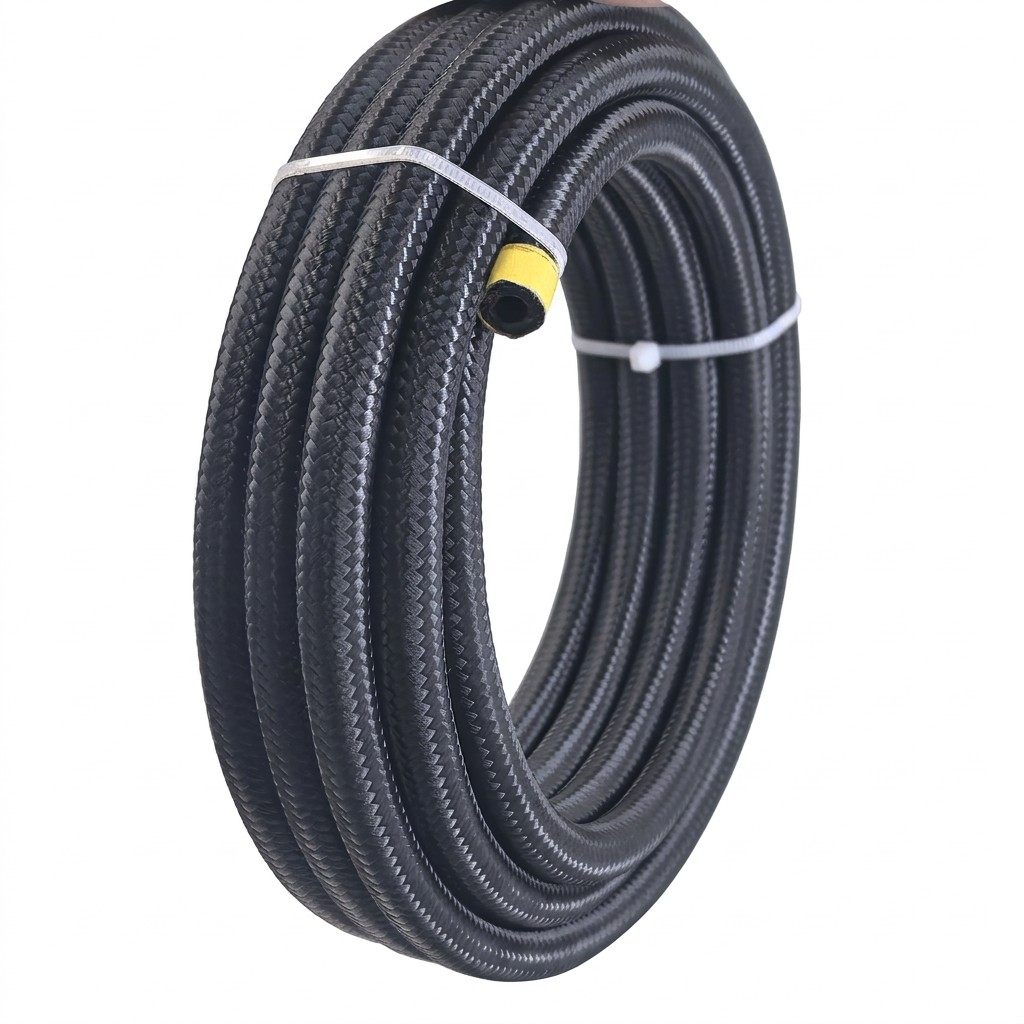
Selecting the right rubber hoses for fuel transfer is critical to ensuring safe, efficient, and compliant operations across industries. Fuel transfer systems demand precision engineering because failures can lead to environmental contamination, safety hazards, and operational downtime. Whether you manage a fleet, operate a fuel depot, or support industrial machinery, understanding which rubber hoses meet your specific requirements directly impacts your bottom line.
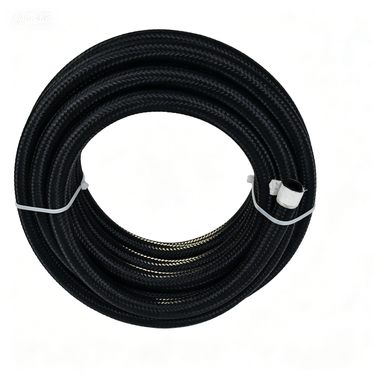
Fuel transfer operations span multiple industrial hose applications, from underground tank systems to mobile refueling equipment. Each scenario presents unique demands for hose pressure ratings, material durability, and chemical compatibility. A comprehensive understanding of material composition, certification standards, and performance metrics enables decision-makers to choose hoses that deliver both reliability and cost-effectiveness over their operational lifetime.
Material Composition and Chemical Resistance
NBR Rubber and Fuel Compatibility
Nitrile butadiene rubber, commonly known as NBR, remains the industry standard for fuel transfer applications. NBR rubber hoses excel at resisting petroleum-based fuels, making them ideal for gasoline, diesel, and jet fuel environments. The polymer structure of NBR creates a natural barrier against fuel permeation while maintaining flexibility across temperature ranges typical in transportation and storage settings. Chemical resistant hoses using NBR formulations undergo rigorous testing to ensure compatibility with modern fuel blends, including those containing ethanol additives.
EPDM and Alternative Materials
EPDM rubber hoses serve specific industrial hose applications where fuel tanks interact with coolant systems or water-based compounds. While EPDM offers superior resistance to polar liquids and ozone, it demonstrates lower compatibility with petroleum fuels than NBR alternatives. Specialty rubber blends incorporate additives that enhance chemical resistant hoses performance in extreme conditions, such as high-altitude aircraft fuel systems or arctic exploration environments. Material selection directly influences hose pressure ratings and safe operating lifespan.
Pressure Ratings and Performance Standards
SAE J30R7 Specifications
SAE J30R7 represents the primary specification for fuel hose systems in automotive and light industrial applications. This standard establishes hose pressure ratings, burst strength minimums, and permeation limits that ensure fuel delivery systems operate without leakage or rupture. Rubber hoses meeting SAE J30R7 certification undergo continuous pressure cycling tests and compatibility verification with contemporary fuel formulations. Understanding hose pressure ratings helps operators select equipment rated for their system's maximum operating pressure, typically ranging from 40 PSI for gravity-fed systems to 60 PSI for fuel injection platforms.
Industrial and Commercial Grade Standards
Heavy-duty industrial hose applications demand adherence to specifications such as ISO 1402 or DIN standards, which establish more stringent hose pressure ratings than consumer automotive grades. These industrial hose applications require rubber hoses capable of withstanding pressure surges, temperature fluctuations, and extended storage durations. Commercial fuel transfer stations, aviation refueling operations, and petroleum distribution networks rely on hoses engineered to exceed baseline standards. Chemical resistant hoses in this category often incorporate reinforced textile or spiral wire layers that provide containment safety during high-pressure transfer events.
Practical Selection Criteria for Fuel Systems
Temperature and Environmental Factors
Fuel transfer environments present diverse temperature challenges that influence rubber hoses performance characteristics. Arctic operations expose hoses to extreme cold that increases material brittleness, while desert environments and tropical climates accelerate rubber degradation through heat and UV exposure. Selecting chemical resistant hoses rated for your operational temperature range ensures consistent sealing integrity and eliminates premature failure cycles. Many industrial hose applications specify hose pressure ratings at both minimum and maximum ambient temperatures to reflect real-world performance variability.
Installation and Maintenance Protocols
Proper installation of rubber hoses directly impacts fuel transfer system reliability and safety compliance. Hoses must route away from sharp edges, moving components, and heat sources that compromise material integrity over time. Chemical resistant hoses benefit from regular visual inspections that identify bulging, cracking, or surface degradation before catastrophic failure occurs. Documentation of hose installation dates, pressure test records, and maintenance activities supports regulatory compliance and informs replacement schedules. Industrial hose applications increasingly require hose pressure ratings verification at installation and during routine maintenance cycles.
FAQ
What defines the best rubber hoses for fuel transfer applications?
The best rubber hoses for fuel transfer combine NBR material composition with SAE J30R7 certification, appropriate hose pressure ratings for your system, chemical resistant construction, and a track record of zero-failure operation in your specific industrial hose applications. Compatibility with your fuel type, operating temperature range, and system pressure requirements must all align with the hose specification.
How do chemical resistant hoses improve fuel system longevity?
Chemical resistant hoses prevent permeation and degradation caused by prolonged fuel exposure, maintaining structural integrity and sealing surfaces throughout their operational lifespan. By resisting fuel component attack on the rubber matrix, chemical resistant hoses reduce failure incidents, eliminate environmental leaks, and minimize downtime associated with unplanned replacements in industrial hose applications.
Why do hose pressure ratings vary across fuel transfer scenarios?
Hose pressure ratings reflect the maximum sustained and surge pressures specific systems generate during normal operation. Gravity-fed systems require lower hose pressure ratings than fuel injection or pumped transfer networks. Industrial hose applications engineer hose pressure ratings to exceed actual operating pressures by a safety margin, ensuring rubber hoses maintain performance integrity even during unexpected pressure spikes or system anomalies.
 EN