Corrosive fluids present one of the most challenging material handling problems in industrial operations. Whether you're working with strong acids, aggressive solvents, or reactive chemicals, the tubing and hose systems you select will directly impact safety, efficiency, and operational costs. A teflon hose has become the preferred solution for countless industries because it offers exceptional chemical resistance that traditional rubber or plastic alternatives simply cannot match.
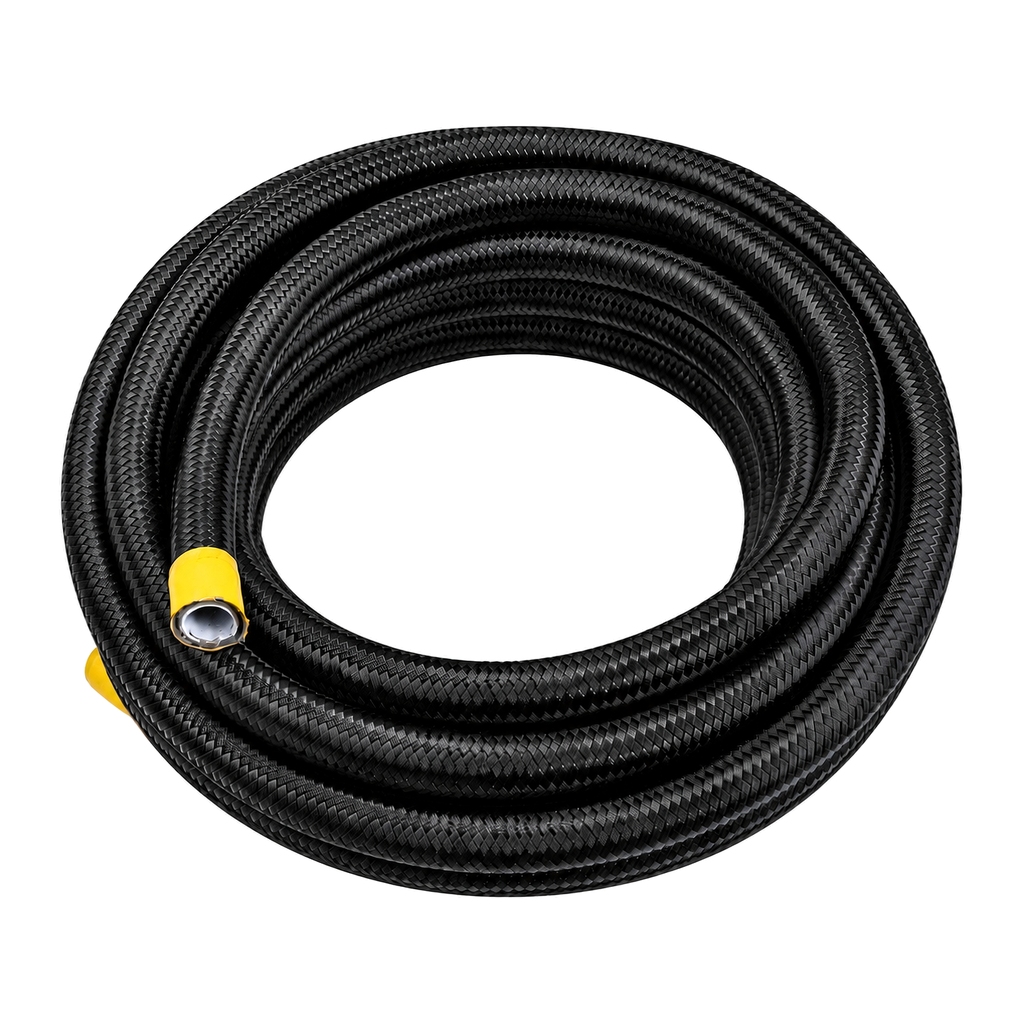
When chemical compatibility becomes critical, PTFE tubing emerges as a proven choice across pharmaceutical, aerospace, automotive, and chemical manufacturing sectors. The science behind this preference lies in the molecular structure of fluoropolymer hose materials and their unique resistance properties. Understanding why teflon hose outperforms conventional alternatives helps decision-makers invest in systems that protect equipment, reduce maintenance, and ensure long-term reliability under demanding conditions.
Superior Chemical Resistance Properties
Unmatched Compatibility Across Aggressive Fluids
Teflon hose materials are engineered to withstand exposure to nearly every chemical compound used in industrial processes. Unlike rubber hoses that degrade, swell, or become brittle when exposed to solvents, PTFE tubing maintains its structural integrity even when handling highly corrosive substances like hydrochloric acid, sulfuric acid, and concentrated oxidizers. This chemical resistant tubing capability stems from the carbon-fluorine bond in polytetrafluoroethylene, which is one of the strongest chemical bonds in existence.
The fluoropolymer hose construction prevents chemical penetration at the molecular level, meaning aggressive fluids cannot break down the material or cause swelling that would compromise seals and connections. This reliability reduces unexpected failures, emergency shutdowns, and costly equipment replacements. When your operations depend on fluid transfer without degradation, teflon hose becomes the only practical choice.
Temperature Stability During Chemical Exposure
Chemical reactions often generate heat, and many corrosive fluids are handled at elevated temperatures. PTFE tubing maintains its chemical resistant properties across a wide temperature range, typically from minus 200 degrees Fahrenheit to plus 400 degrees Fahrenheit, depending on the specific formulation and application. This thermal stability is critical because traditional hoses often lose their chemical resistance when heated, becoming more susceptible to degradation and failure.
Teflon hose remains chemically stable even when corrosive fluids are transferred at high temperatures, eliminating the need to specify different hose materials for hot versus cold applications. This simplified inventory management and equipment standardization translates to reduced complexity in maintenance protocols and lower spare parts costs.
Performance Advantages in Industrial Operations
Reduced Maintenance and Downtime Costs
When conventional rubber hoses are used for corrosive fluid applications, they typically require frequent replacement, sometimes after just months of service. Each replacement event triggers disassembly time, replacement costs, and production downtime that compounds operational expenses. By contrast, PTFE tubing maintains integrity for years, extending service life significantly and reducing the frequency of maintenance cycles. A teflon hose system that performs reliably for three to five years instead of every six months represents substantial cost savings beyond the initial material investment.
The extended lifespan of chemical resistant tubing also improves workplace safety by reducing the likelihood of unexpected leaks or hose failures that could expose workers to hazardous chemicals. Preventing emergency situations is always more cost-effective and safer than managing them after they occur.
Pressure Rating and Flow Consistency
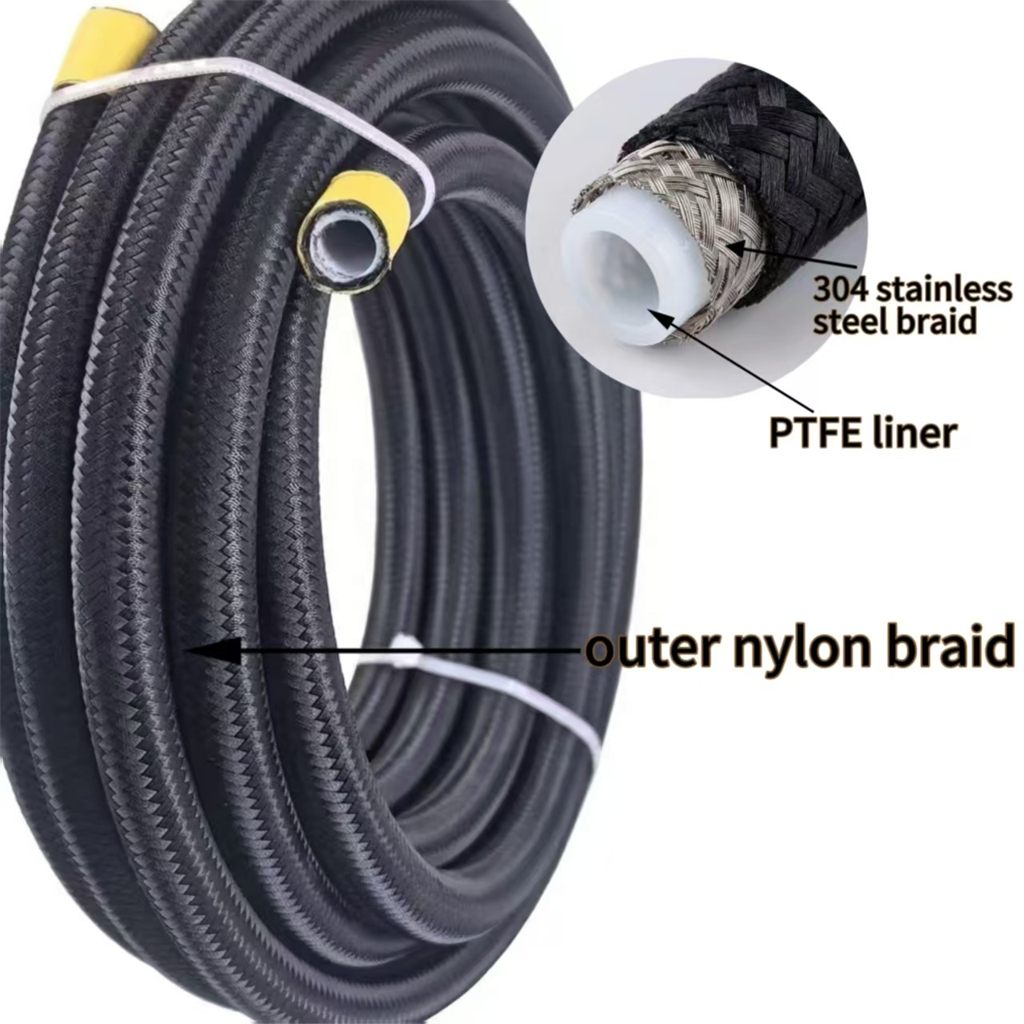
Teflon hose systems are available with reinforcement layers—such as nylon braid or stainless steel wire—that enable them to handle high-pressure applications while maintaining chemical resistance. This dual capability allows fluoropolymer hose to serve demanding applications that require both chemical compatibility and pressure integrity. PTFE tubing maintains consistent flow characteristics throughout its service life because the material does not swell, harden, or degrade as it would in conventional hoses, ensuring predictable system performance.
The ability to combine chemical resistance with reliable pressure performance means manufacturers can use a single hose specification across multiple applications, simplifying procurement, training, and troubleshooting processes.
Industry Applications and Practical Suitability
Pharmaceutical and Food Processing Operations
In pharmaceutical manufacturing, chemical resistant tubing prevents contamination of products by ensuring that hose materials do not leach compounds into fluids being transferred. PTFE tubing is FDA-compliant for food and pharmaceutical contact, making it the standard choice for these regulated industries. Teflon hose eliminates concerns about material compatibility with active pharmaceutical ingredients and ensures product purity from raw material transfer through final formulation steps.
Chemical Processing and Waste Management
Chemical plants routinely transfer strong acids, bases, and organic solvents that would quickly destroy standard hoses. Fluoropolymer hose provides the necessary chemical resistance to handle these aggressive fluids safely and reliably. The proven performance of PTFE tubing in these environments has made it the default specification for chemical transfer applications, from laboratory-scale operations to large industrial facilities processing thousands of gallons daily.
FAQ
Can teflon hose handle any chemical?
While PTFE tubing resists an exceptionally broad range of chemicals, a few specialty compounds can affect it under extreme conditions. However, for virtually all common industrial chemicals—including strong acids, bases, solvents, and oxidizers—teflon hose provides reliable performance. Always verify chemical compatibility for your specific application to ensure optimal results.
How does teflon hose compare to stainless steel piping?
Stainless steel offers corrosion resistance but cannot match the chemical compatibility of PTFE tubing for many aggressive fluids. Additionally, fluoropolymer hose provides flexibility, easier installation, lower cost, and lighter weight than rigid metal piping. For applications requiring both chemical resistance and flexibility, chemical resistant tubing is the superior choice.
What maintenance does PTFE tubing require?
PTFE tubing requires minimal maintenance compared to conventional hoses. Regular visual inspection for external damage and periodic testing of connections are recommended, but the material itself requires no special treatment. Because teflon hose resists degradation, maintenance needs are dramatically lower than for standard rubber or plastic alternatives.
 EN