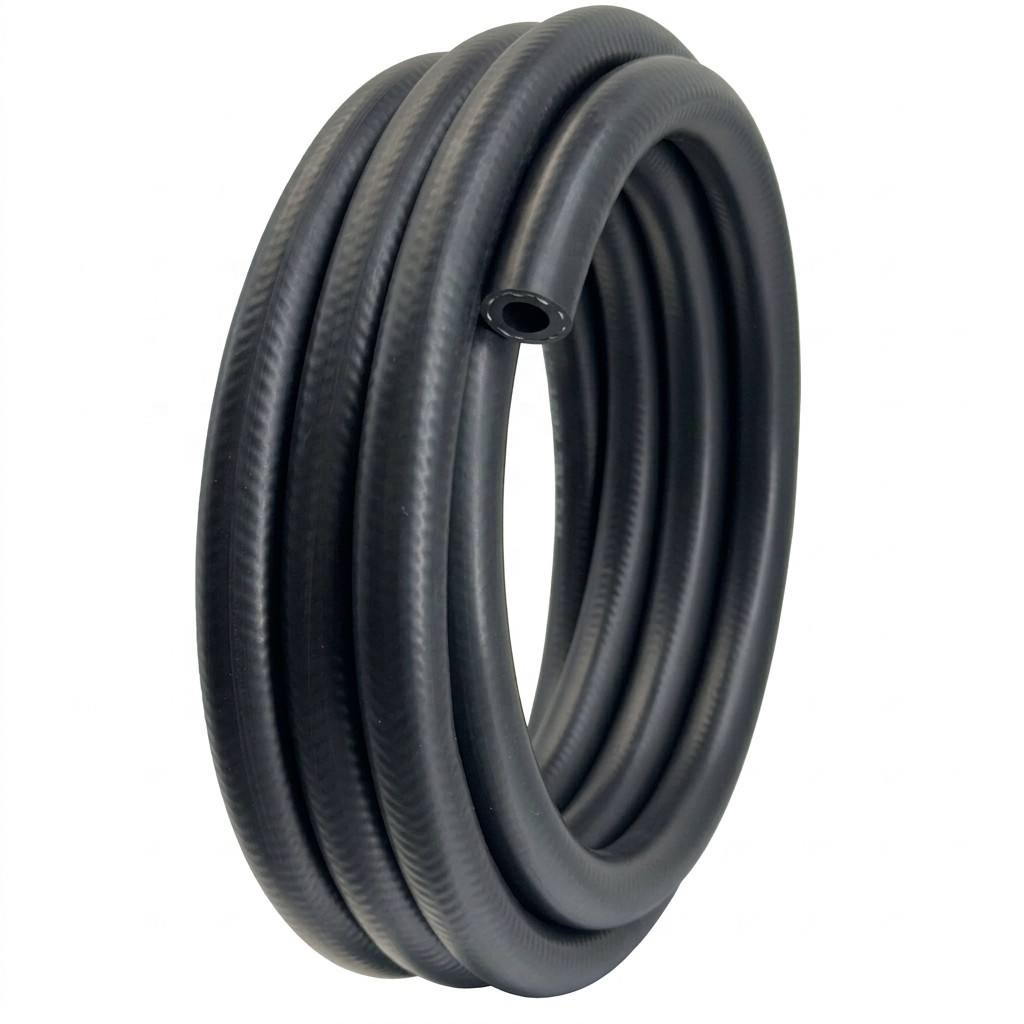
Rubber tubes are engineered to withstand exposure to chemicals and oils in demanding industrial environments. The question of whether rubber tubes can reliably resist chemical and oil degradation is not simply answered with a yes or no, because resistance depends heavily on the specific rubber material, compound formulation, and the particular chemicals or oils involved. Understanding these variables is essential for selecting the right flexible rubber hoses for your application.
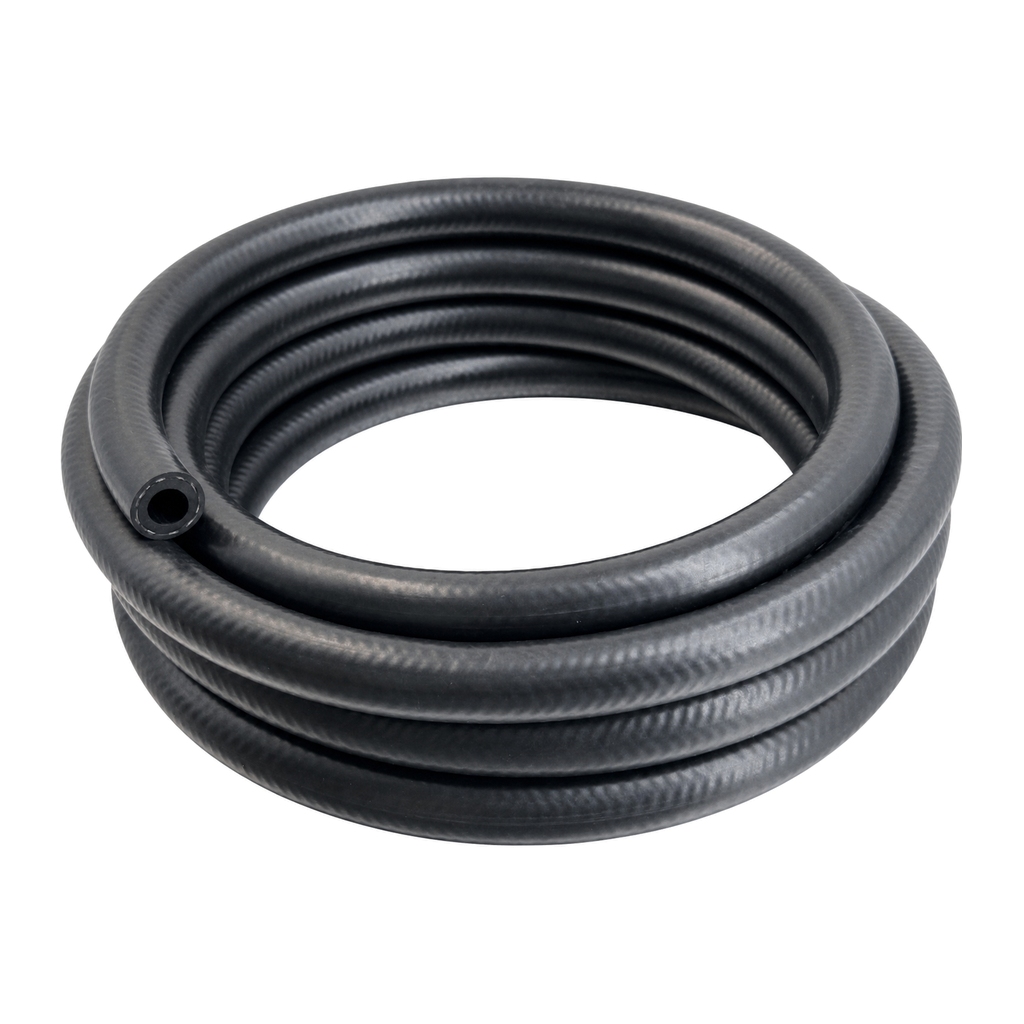
Chemical and oil resistance in industrial rubber tubing is determined by the base elastomer material and additives used in the compound. NBR (nitrile butadiene rubber), EPDM (ethylene propylene diene monomer), and FKM (fluorocarbon) are common elastomers chosen for their proven resistance properties. The interaction between the rubber compound and the fluid being transported creates either a compatible or incompatible relationship, affecting service life and safety.
Material Composition and Chemical Resistance
Elastomer Types and Their Resistance Profile
Different elastomer bases offer varying levels of protection against chemicals and oils. NBR-based rubber tubes excel in resistance to mineral oils, petroleum products, and many hydrocarbon fluids commonly found in automotive and industrial settings. High-pressure rubber conduits using NBR compounds maintain their elasticity and barrier properties when exposed to these fluids, making them the industry standard for fuel lines and hydraulic applications. EPDM formulations provide superior resistance to polar fluids, ozone, and water-based chemicals, though they are less suitable for prolonged oil immersion.
Compound Additives and Barrier Enhancement
The additives blended into rubber tube formulations significantly influence chemical resistance. Reinforcing fillers, plasticizers, and anti-degradation agents work together to create a stable matrix that resists swelling, softening, or hardening when contacted by chemicals and oils. Industrial rubber tubing with optimized additive packages can tolerate aggressive petroleum-based fluids while maintaining structural integrity. The quality of these additives directly correlates with the durability and performance of flexible rubber hoses in real-world chemical environments.
Oil and Chemical Interaction Mechanisms
Permeation and Swelling Behavior
When rubber tubes contact oils and chemicals, two primary degradation mechanisms can occur: permeation and swelling. Permeation happens when fluid molecules slowly diffuse through the rubber wall, potentially contaminating the transported product or reducing wall thickness over time. Swelling occurs when the fluid is absorbed into the rubber, causing dimensional changes and loss of mechanical properties. High-pressure rubber conduits engineered for oil service are designed to minimize both mechanisms through careful material selection and wall thickness optimization. The degree of swelling depends on the solubility parameters between the elastomer and the fluid in contact.
Chemical Compatibility Charts and Selection
Manufacturers provide chemical compatibility data for industrial rubber tubing based on laboratory testing and field experience. These charts classify fluids as compatible, conditionally compatible, or incompatible with specific rubber compounds. Compatible fluids cause minimal swelling and permeation, while conditionally compatible fluids may require temperature or pressure limitations. Selecting rubber tubes matched to your specific fluid is critical; using incompatible elastomers can lead to rapid degradation, leaks, or safety failures. Consulting compatibility data before purchasing flexible rubber hoses prevents costly downtime and potential system failures.
Practical Performance Factors and Maintenance
Temperature, Pressure, and Service Life
Chemical and oil resistance of rubber tubes is not static; it changes with temperature and pressure conditions. Elevated temperatures accelerate permeation rates and can compromise the rubber compound's structural properties, reducing service life significantly. High-pressure rubber conduits operating near their pressure ratings may experience faster fluid penetration due to increased stress on the rubber walls. Industrial rubber tubing specifications always include maximum operating temperatures and pressures; exceeding these limits accelerates chemical degradation. Matching your operating conditions to the tube's rated specifications ensures maximum resistance to chemicals and oils throughout the product lifecycle.
Inspection and Replacement Protocols
Even highly resistant rubber tubes eventually require replacement due to cumulative chemical exposure. Regular visual inspections of flexible rubber hoses can detect early signs of swelling, discoloration, hardening, or brittleness that indicate chemical attack. Implementing scheduled replacement intervals based on fluid type, operating temperature, and pressure ensures system reliability and prevents unexpected failures. Some aggressive chemicals and oils may reduce the service life of industrial rubber tubing to weeks or months rather than years, making proactive maintenance essential. Organizations handling hazardous or reactive fluids should maintain detailed inspection logs and consult manufacturer guidance on replacement frequency.
FAQ
What type of rubber is best for oil and chemical resistance?
NBR (nitrile rubber) is widely recognized as the industry-standard elastomer for oil and petroleum product resistance. It provides excellent resistance to mineral oils, hydraulic fluids, and fuel-based chemicals while maintaining flexibility and durability. For applications involving water-based chemicals or ozone exposure, EPDM may be more suitable, though it is less effective with petroleum products. FKM (Viton) offers superior resistance to aggressive chemicals and high temperatures but comes at higher cost. Always verify compatibility between your specific fluid and the rubber tube material before final selection.
Can rubber tubes handle extreme chemical concentrations?
Most industrial rubber tubing can tolerate moderate concentrations of compatible oils and chemicals within their rated specifications. However, highly concentrated or aggressive chemical solutions may cause rapid degradation, swelling, or permeation even in premium flexible rubber hoses. The severity of exposure depends on concentration, temperature, contact duration, and the specific chemical involved. For extremely harsh environments, specialized compounds or multi-layer constructions may be necessary. Consulting with the manufacturer about extreme concentration scenarios helps determine feasibility and appropriate tube selection.
How often should rubber tubes be replaced in chemical applications?
Service life for rubber tubes in chemical applications ranges from several months to several years depending on fluid type, operating temperature, pressure, and tube quality. Mild, compatible fluids at moderate temperatures may allow high-pressure rubber conduits to operate for three to five years. Aggressive or reactive chemicals, especially at elevated temperatures, can reduce industrial rubber tubing service life to six months or less. Implementing a preventive maintenance schedule with regular visual inspections and planned replacements based on fluid exposure history ensures system integrity and safety throughout the equipment lifecycle.
 EN