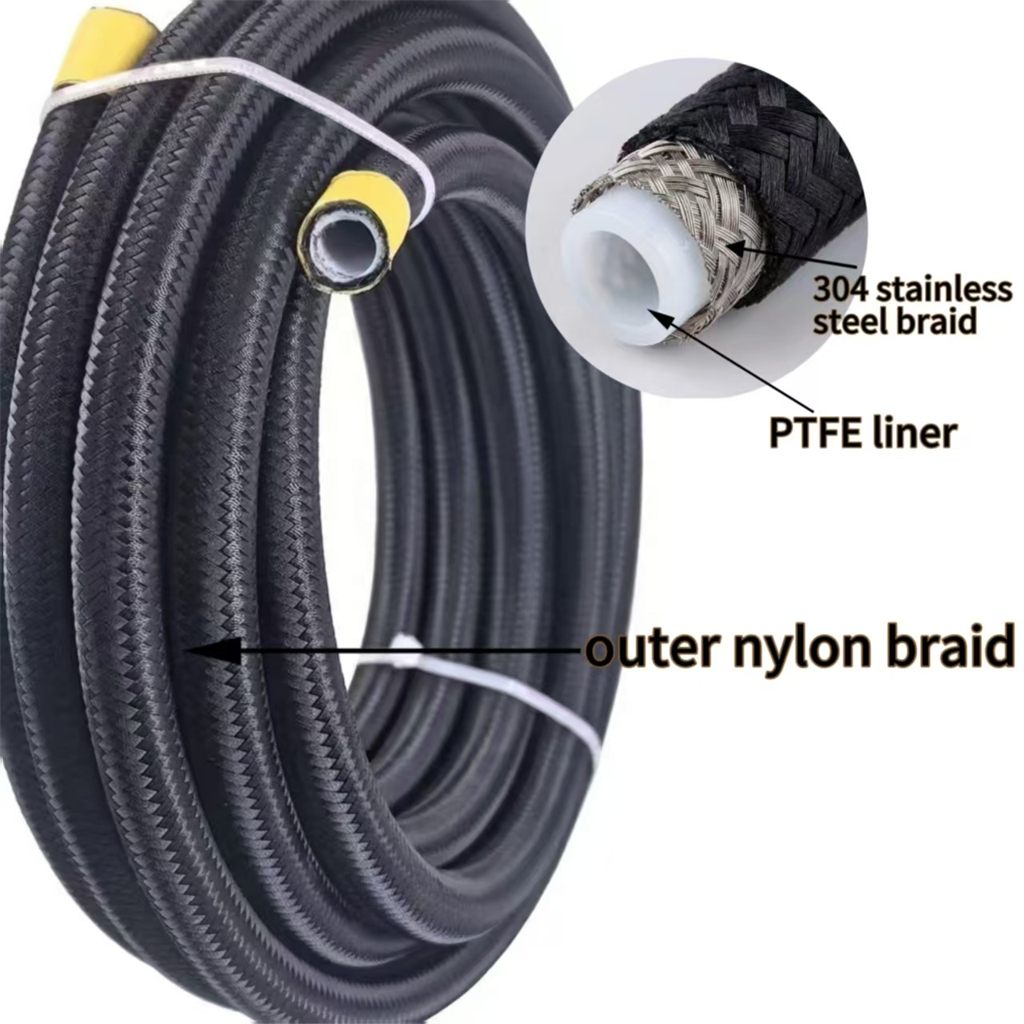
Installing a teflon hose requires careful attention to detail, proper tools, and a clear understanding of the connection points and system requirements. Many industrial and automotive applications depend on correct teflon hose installation to ensure reliable performance, prevent leaks, and maintain system integrity under pressure and temperature extremes. Whether you are working with fuel systems, chemical processing equipment, hydraulic lines, or specialized racing applications, the installation process follows established best practices that protect both your equipment and your operation.
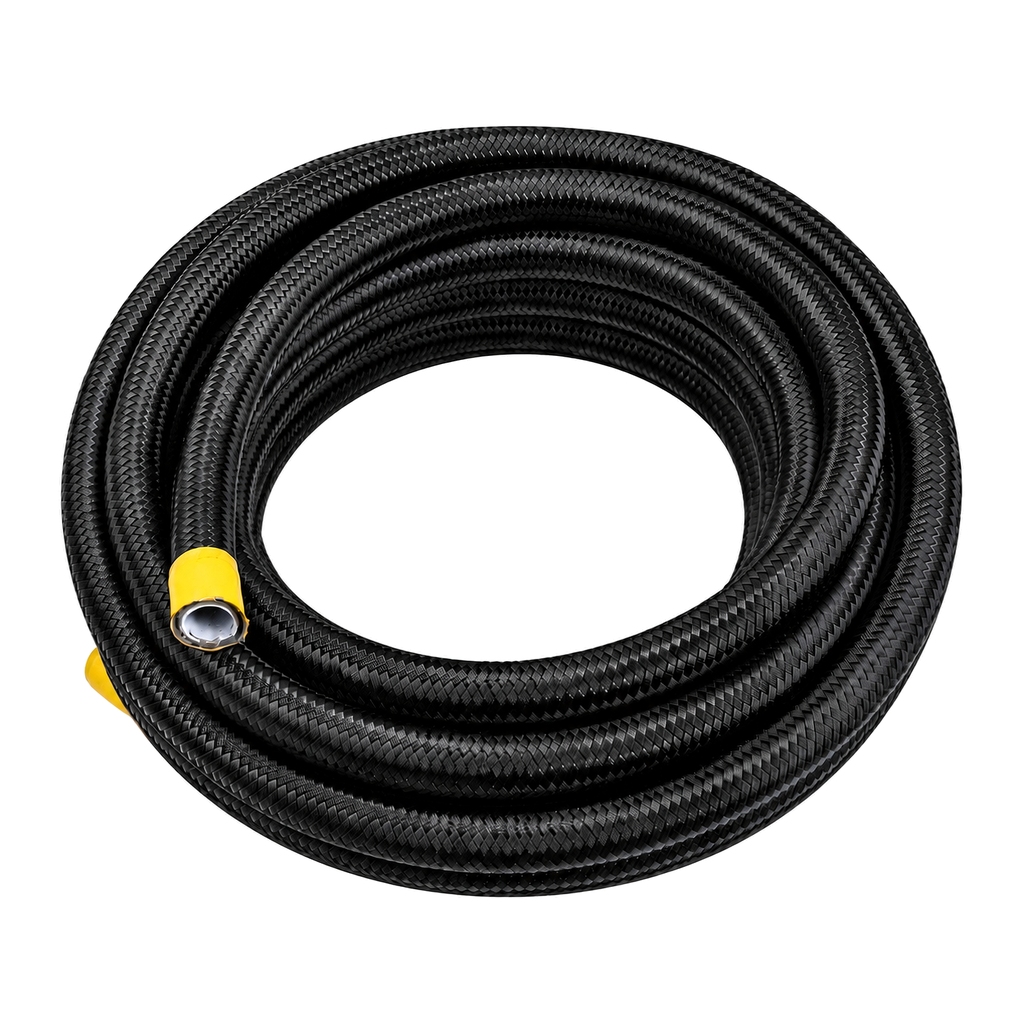
PTFE tubing and fluoropolymer hose assemblies offer exceptional chemical resistance and temperature tolerance, making them ideal for demanding environments where standard rubber hoses fail. However, their superior performance depends entirely on proper installation. This guide walks you through the essential steps, from preparation and material selection through final inspection and pressure testing, ensuring your chemical resistant tubing performs reliably throughout its service life.
Preparation and Material Assessment
Verify Hose Specifications and Compatibility
Before installation begins, confirm that your PTFE tubing meets the system requirements for pressure rating, temperature range, and chemical compatibility. Check the hose diameter, wall thickness, and pressure rating against your equipment specifications. Fluoropolymer hose comes in various constructions—PTFE with nylon braiding, stainless steel braiding, or spiral wrapping—and each type serves different applications. Review the manufacturer's documentation to ensure the chemical resistant tubing you have selected will not degrade when exposed to the fluids, gases, or liquids it will carry.
Inspect the Hose and Fittings
Examine the entire length of the teflon hose for visible cracks, pinches, or manufacturing defects before installation. Check all fittings, adapters, and end connectors for corrosion, damage, or cross-threading. Ensure that threads are clean and undamaged, as damaged threads compromise the seal and create leak points. Verify that the PTFE tubing inner diameter matches the fitting size and that the connection style—whether JIC, NPT, SAE, or metric—aligns with your system design. Store hoses in a cool, dry place away from direct sunlight, as UV exposure can weaken some polymers over time.
Installation Technique and Connection Process
Prepare the Work Area and Gather Tools
Set up a clean work area with all required tools within reach: adjustable wrenches, hand tools for fitting installation, thread-sealing tape or sealant, and a torque wrench for precise tightening. Use 'PTFE thread-sealing tape' on male NPT threads to prevent leaks, or apply appropriate pipe dope sealant as specified by the fitting manufacturer. For chemical resistant tubing installations, avoid petroleum-based sealants if the hose carries aggressive solvents or specialty chemicals. Lay out the entire hose run to plan the routing and identify potential kinks, sharp bends, or stress points that could degrade the fluoropolymer hose over time.
Install Fittings and Secure Connection Points
Thread the fitting onto the hose end by hand first, turning gently until you feel resistance. Once hand-tight, use an adjustable wrench to tighten the fitting by an additional one-quarter to one-half turn. Do not over-tighten, as excessive force can crack the fitting or distort the hose. For push-to-connect fittings common on PTFE tubing systems, insert the hose firmly into the fitting until you hear or feel a click, indicating the internal collet has secured the hose. Double-check that the hose is fully inserted and the connection feels solid. Use a torque wrench on larger high-pressure connections to ensure consistent, manufacturer-specified torque values that prevent both leaks and connection damage.
Routing, Support, and Final Inspection
Route the Hose Safely and Support Stress Points
Plan hose routing to avoid sharp bends, abrasive surfaces, and areas where the fluoropolymer hose could contact hot engine parts or machinery. Support the hose at regular intervals using clips, clamps, or restraint brackets designed for the hose diameter. Avoid routing the chemical resistant tubing through areas prone to vibration or movement, as constant flexing degrades the hose interior and fitting connections. Maintain at least one inch of clearance between the teflon hose and heat sources exceeding 150°C, or use protective heat sleeves for closer proximity. Ensure the hose routing does not obstruct access to other equipment components or create a maintenance hazard.
Pressure Test and Monitor for Leaks
Before placing the system into service, perform a hydrostatic pressure test at 75–80 percent of the rated working pressure for your PTFE tubing assembly. Observe all connection points, fittings, and the hose body for signs of weeping, spraying, or dripping. Even minor leaks indicate improper fitting torque or a defective seal. If a leak appears, depressurize the system completely, inspect the connection, and re-tighten the fitting or apply additional thread sealant as needed. After tightening, run a second pressure test to confirm the repair. For fluoropolymer hose systems handling hazardous or high-value fluids, consider installing inline pressure gauges and secondary containment to detect pressure loss during operation.
Maintenance and Long-Term Reliability
Establish a Regular Inspection Schedule
Schedule periodic visual inspections of your installed chemical resistant tubing at intervals recommended by the equipment manufacturer or every six to twelve months for critical systems. Look for surface cracks, discoloration, swelling, or unusual odors that signal hose degradation. Check all fittings for corrosion, signs of seeping, or loosening caused by vibration. For racing and automotive applications where performance and safety depend on hose integrity, increase inspection frequency to monthly or before each use. Document inspection findings in a maintenance log to track hose condition trends and plan replacements before unexpected failure occurs.
Replace Hose Before End-of-Life Failure
Monitor the age of your PTFE tubing and plan replacement before manufacturer-recommended service life expires. Even if the hose appears undamaged, internal chemical breakdown, microscopic cracking, or fitting corrosion can occur silently. Most quality fluoropolymer hose assemblies last five to ten years under normal service conditions, but aggressive chemicals, elevated temperatures, or high-pressure cycling reduce service life significantly. Maintain a spare assembled teflon hose of the same diameter and pressure rating available for emergency replacement, minimizing downtime if a line fails unexpectedly during operation.
FAQ
What is the correct torque value for PTFE tubing fittings?
Torque specifications depend on fitting size, material, and the specific hose type you are using. Most manufacturers recommend consulting the fitting supplier's documentation for exact values; however, general guidance suggests hand-tightening until snug, then adding one-quarter to one-half turn with a wrench. For larger high-pressure PTFE tubing assemblies with JIC or SAE fittings, use a calibrated torque wrench set to the manufacturer's specified value—typically between 10 and 40 foot-pounds for common sizes. Over-tightening fluoropolymer hose fittings can crack the fitting body or distort the hose, while under-tightening causes leaks.
Can I use thread tape on PTFE tubing connections?
Thread tape (PTFE tape) works well on male NPT threads used with chemical resistant tubing, helping seal tapered connections and prevent thread leakage. Apply two to three wraps of PTFE-based thread tape clockwise around male NPT threads before installing the fitting onto the teflon hose. For JIC and SAE straight-thread fittings, thread tape is not recommended; instead, use pipe dope sealant designed for high-pressure applications. Always follow the fitting manufacturer's guidance, as some modern hose couplings feature pre-sealed connections that do not require additional sealant material.
How do I prevent kinks in my teflon hose during installation?
Support the teflon hose along its entire length with clamps or clips spaced every 12 to 18 inches, depending on hose diameter and the routing path. Plan your hose run to maintain gentle curves with a minimum bend radius as specified by the manufacturer—typically at least four times the hose outer diameter for PTFE tubing. Avoid tight angles and do not route the fluoropolymer hose around sharp corners without protection. Use spiral wrap or foam tubing to shield the teflon hose where it must travel near rough surfaces or machinery edges, preventing abrasion and kinking that can collapse the hose interior and restrict flow.
 EN